

Cold-Water Scrubbing Stage for Plastic Washing Lines
High-Speed Friction Washer for Plastic Recycling
A high-speed friction washer designed to remove paper fibers, label residue, dirt, organics, and surface sludge from PET flakes, HDPE and PP regrind, and plastic film flakes. By combining high rotor speed with controlled spray rinsing, it helps washing lines reach cleaner output before dewatering, thermal drying, or pelletizing. For fundamentals and screw-type vs high-speed selection, see our friction washer guide.
Why This High-Speed Friction Washer Improves Washing-Line Output
This machine is not a simple rinse tank. It is the intensive scrubbing stage used when recycled plastic needs cleaner surfaces, lower contamination carryover, and more stable downstream drying and extrusion.
High-Energy Scrubbing for Stubborn Surface Contamination
The rotor and screen generate strong friction that helps strip away paper fibers, labels, organics, and dirt that often remain after basic washing and separation stages.
Controlled Water Use
Targeted spray rinsing helps flush loosened contamination without turning the machine into a flood-style washer, which supports easier water recirculation.
Stable Throughput at High Rotor Speed
High-speed operation creates the shear needed for deeper cleaning while keeping a continuous material flow into downstream dewatering and drying stages.
Reduces Contamination Carryover to Drying and Pelletizing
Cleaner flakes and regrind help reduce fines, dirty water carryover, and residue-related instability in centrifugal dewatering, thermal drying, and extrusion.
Built for Continuous Duty in Wet Recycling Environments
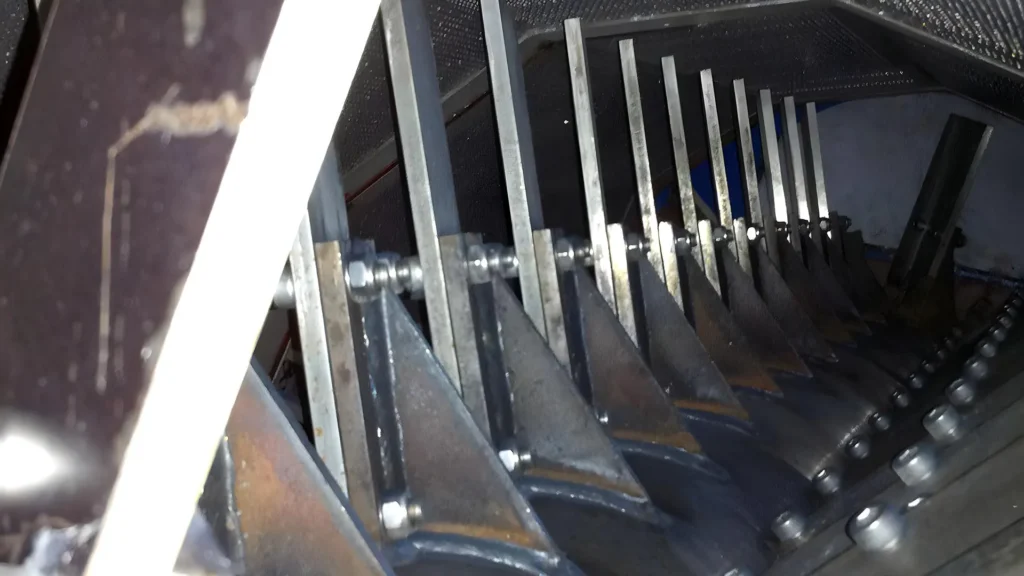
Heavy-duty construction, replaceable wear parts, and reinforced screening surfaces make the machine easier to maintain in demanding recycling plants.
Flexible Fit Across Multiple Plastic Streams
It works as a polishing washer for PET flakes, a cleaning stage for rigid regrind, and a contamination-reduction stage for selected film and sheet flakes.
Typical Materials and Line Positions
The high-speed friction washer is normally installed after crushing or density separation and before dewatering or thermal drying, depending on the material route.
PET Bottle Flake Washing
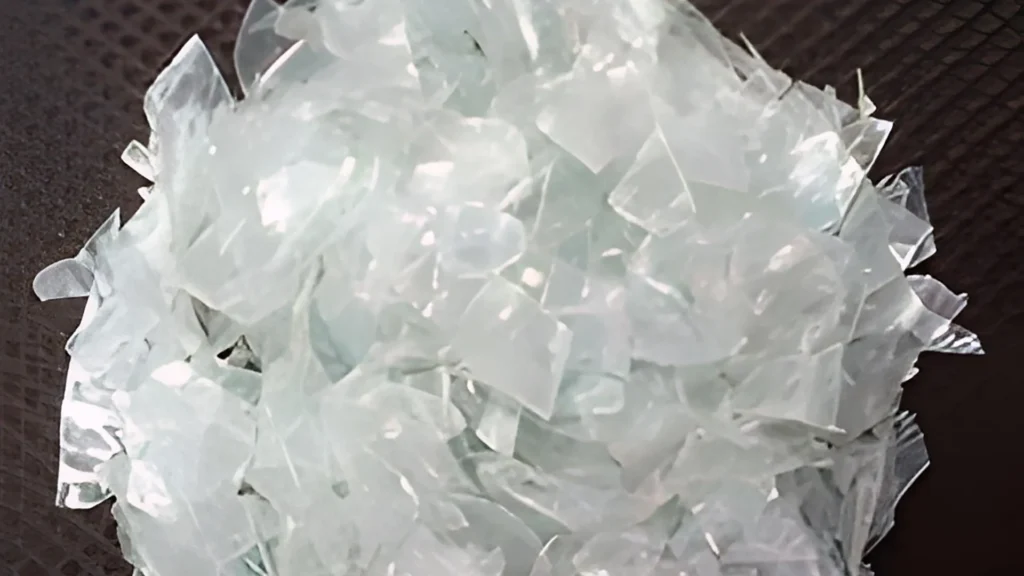
Used to polish PET flakes after sink-float separation so label glue, fibers, and organics are reduced before final drying.
Rigid PP and HDPE Regrind
A strong fit for crate, bottle, bucket, and injection-grade rigid scrap that needs cleaner flake surfaces before pelletizing.
Film and Sheet Flake Cleaning
Helpful for reducing soil, paper dust, and printing residue on film flakes when the line needs better cleanliness before drying.
After Sink-Float Separation
Often installed after density separation to remove the remaining surface contamination that sink-float classification alone cannot fully eliminate.
Before Centrifugal or Thermal Drying
A practical upstream stage for dewatering and drying equipment when final moisture and cleanliness both matter for product quality.
Plastic Recycling Washing Lines
Suitable for PET bottle systems, rigid plastic washing lines, and mixed-flake cleaning projects that need stronger cold-water scrubbing.
How the High-Speed Friction Washing Process Works
The machine combines inclined conveying, high-speed rotor friction, and targeted rinse water to remove contamination while continuously moving material toward discharge.
Feed the Wet Flakes
Crushed or separated plastic enters from the lower end of the washer as part of a continuous wet process line.
Generate High-Speed Friction
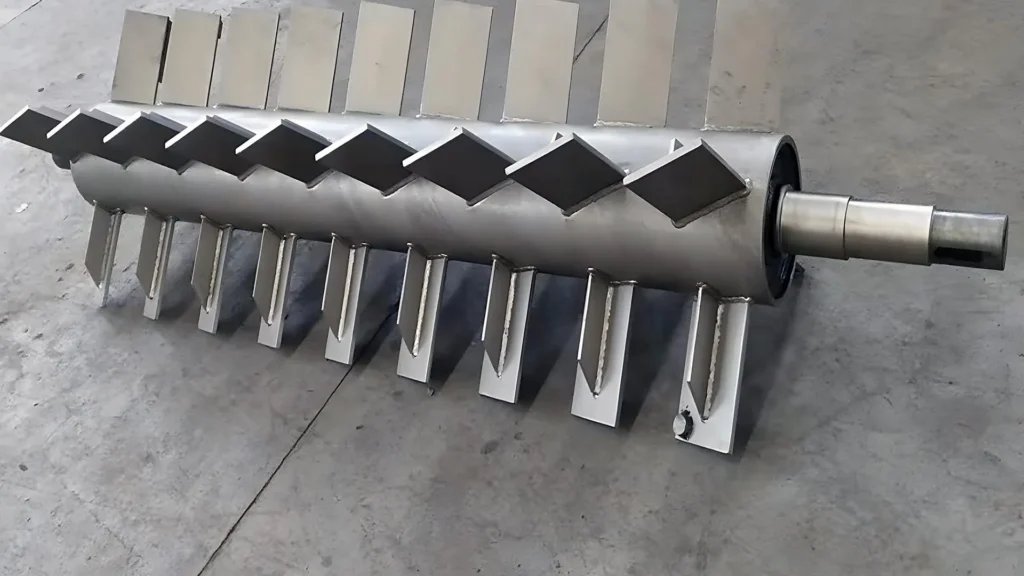
The shaft and paddles rotate at high RPM, forcing plastic against the screen and creating the shear needed to loosen stubborn residues.
Rinse Out Loosened Contamination
Spray bars inject process water at key positions so paper, sludge, and organics can flush through the screen instead of staying on the plastic surface.
Convey Material to the Discharge End
The inclined body and rotor geometry move the material upward, maintaining residence time without turning the washer into a long soak tank.
Send Cleaned Material to Drying
The cleaned output leaves the washer ready for centrifugal dewatering, thermal drying, or the next line stage depending on the process layout.
Feed the Wet Flakes
Crushed or separated plastic enters from the lower end of the washer as part of a continuous wet process line.
Generate High-Speed Friction
The shaft and paddles rotate at high RPM, forcing plastic against the screen and creating the shear needed to loosen stubborn residues.
Rinse Out Loosened Contamination
Spray bars inject process water at key positions so paper, sludge, and organics can flush through the screen instead of staying on the plastic surface.
Convey Material to the Discharge End
The inclined body and rotor geometry move the material upward, maintaining residence time without turning the washer into a long soak tank.
Send Cleaned Material to Drying
The cleaned output leaves the washer ready for centrifugal dewatering, thermal drying, or the next line stage depending on the process layout.
High-Speed Friction Washer vs Sink-Float and Drying Stages
These machines work together in a washing line, but they solve different problems. The friction washer is the intensive surface-cleaning stage, not a substitute for density separation or final drying.
| Decision Factor | High-Speed Friction Washer | Sink-Float Separation Tank | Centrifugal Dryer |
|---|---|---|---|
| Core Function | Intensive scrubbing and rinse cleaning | Density-based material separation | Mechanical water removal |
| Best Position in Line | After crushing or separation, before drying | Before friction washing when materials need float-sink classification | After washing when moisture must be reduced |
| Main Problem Solved | Surface dirt, label fibers, glue, organics | PP and PE floating contaminants versus sinking fractions | Residual water rather than contamination removal |
| Material Focus | PET flakes, rigid regrind, selected film flakes | PET, PP, PE, PVC, PC material separation | Washed flakes and film pieces |
| When to Choose | When cleanliness is still not good enough after basic washing or separation | When mixed-density plastics must be split into float and sink fractions | When the main goal is low moisture before thermal drying or pelletizing |
Technical Specifications
These reference models show how motor power, shaft diameter, and throughput scale across the high-speed friction washer range.
| Model | ERM-HSF400 | ERM-HSF550 | ERM-HSF750 |
|---|---|---|---|
| Motor Power | 37 kW | 45 kW | 55 kW |
| Main Shaft Diameter | 400 mm | 550 mm | 750 mm |
| Rotating Speed | 1400 RPM | 1200 RPM | 1080 RPM |
| Capacity | 400 – 800 kg/h | 600 – 1000 kg/h | 1200 – 2000 kg/h |
CE certification, additional spray zones, and stainless-steel upgrades can be configured according to contamination level, line capacity, and water-management requirements.
Machine Gallery
Reference photos of the high-speed friction washer structure, rotor layout, and discharge arrangement in plastic recycling applications.
Reliable Support Throughout the Equipment Lifecycle
From installation planning to routine maintenance, our service team helps keep your equipment operating safely, consistently, and efficiently.
1-Year Limited Warranty
Coverage includes manufacturing defects in major mechanical and electrical components for one year. Normal wear parts and damage caused by improper operation are handled separately.
Installation Guidance
We provide layout, foundation, utility, clearance, line-integration, and commissioning guidance to support a smooth installation and reliable startup.
Spare Parts Supply
Replacement wear parts, bearings, seals, sensors, electrical components, and other service items are available for scheduled maintenance and long-term operation.
Technical Assistance
Remote troubleshooting, operating recommendations, maintenance guidance, and optional on-site service are available when your project needs additional support.
Frequently Asked Questions
These are the common questions buyers ask when deciding whether a friction washer is necessary in the washing line.
It is mainly used to reduce surface contamination such as label fibers, paper dust, glue residue, dirt, and organics that may remain after basic washing or density separation.
Typical materials include PET bottle flakes, rigid HDPE and PP regrind, and selected film flakes that benefit from cold-water scrubbing before drying or pelletizing.
It is usually installed after crushing or sink-float separation and before centrifugal dewatering or thermal drying, depending on the contamination level and the target product quality.
It uses rinse water, but the goal is controlled flushing rather than flood washing. Final water demand depends on spray layout, contamination level, and the plant's recirculation design.
Please share the material type, contamination level, target throughput, current washing-line layout, and what quality level you need before dewatering, drying, or pelletizing.
Need a Friction Washer Matched to Your Washing Line?
Tell us your material type, contamination level, hourly capacity, and current upstream and downstream equipment. We will recommend the right rotor size, motor power, and process position.