

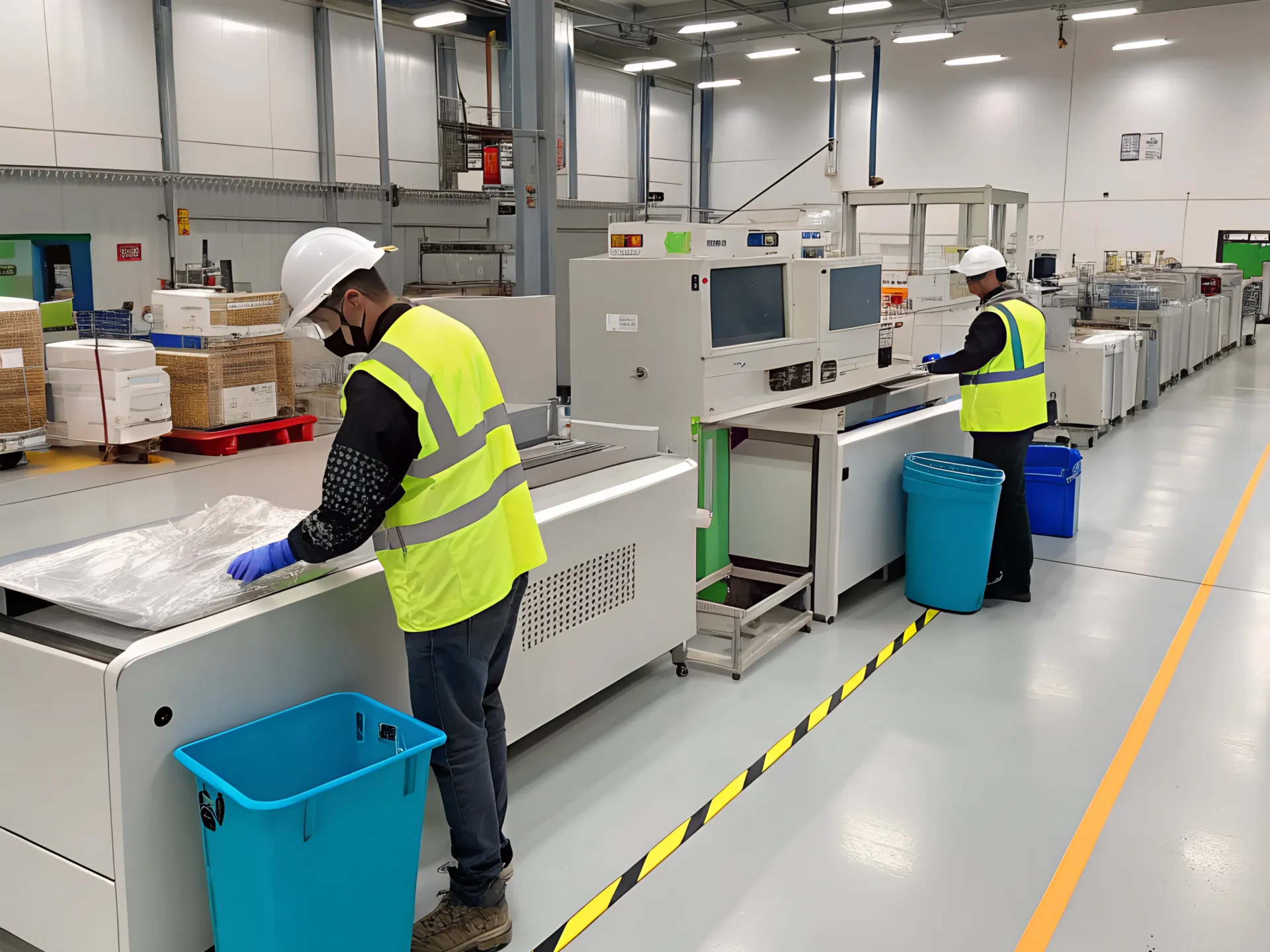
البوليسترين الموسع (EPS) قابل لإعادة التدوير من الناحية الفنية، ولكنه غالباً ما يُعامل على أنه "غير مجدٍ" بسبب مشكلة عملية واحدة: مقدار. مادة EPS السائبة تتكون في الغالب من الهواء، لذا فإن نقلها لمسافات طويلة غير فعال ما لم يتم تكثيفها أولاً.
لذا فإن أهم التحسينات في آلات إعادة تدوير البوليسترين الموسع لا تتعلق بالكيمياء المعقدة، بل تتعلق بـ التكثيف، والتحكم في النظافة، وتنسيقات الإخراج المستقرة مما يجعل عملية الجمع والمعالجة اقتصادية.
ملخصات سريعة
- يصعب نقل مادة EPS السائبة؛ وعادةً ما تكون عملية التكثيف هي الخطوة الأولى.
- يعتمد اختيار المعدات على النظافة والرطوبة، وما إذا كنت بحاجة إلى جذع أو سبيكة أو حبيبات.
- غالباً ما يكون تحضير العلف الجيد (الفرز وإزالة الملوثات) بنفس أهمية جهاز التكثيف نفسه.
سير عمل إعادة تدوير البوليسترين الموسع (مستوى عالٍ)
تتبع معظم مشاريع EPS منطقًا بسيطًا:
- جمع وفرز الرغوة (فصل البوليسترين الموسع عن البلاستيك المختلط وإزالة التلوث غير الرغوي)
- تكثيف الإنتاج في الموقع أو في مركز رئيسي
- شحن المواد المكثفة إلى معالج لتكويرها أو بثقها أو تحويلها بطريقة أخرى
Energycle's نظرة عامة على سير عمل إعادة تدوير البوليسترين الموسع يوضح التسلسل النموذجي لعملية التجميع ← التكثيف ← المعالجة اللاحقة.
المراجع Energycle: – سير عمل آلة إعادة تدوير البوليسترين الموسع – نظرة عامة على آلات إعادة تدوير البوليسترين الموسع
ثلاثة مسارات للمعدات: أيها يناسب مسارك؟
1) الضغط البارد (مدك ميكانيكي لولبي)
تقوم آلات الضغط الباردة بضغط الرغوة وتحويلها إلى جذوع كثيفة دون إذابتها بالكامل.
متى يكون مناسبًا: – عبوات EPS أنظف ورغوة واقية – المواقع التي ترغب في تقليل التعقيد وتبسيط العمليات
ما يجب التحقق منه: – تصميم فتحة التغذية (كيفية تحميل الرغوة الضخمة بأمان) – سلوك منع التكتل (يمكن أن "تطفو" الرغوة وتتسبب في توقف التغذية) – اتساق كثافة الصفائح (يؤثر على الشحن والمعالجة اللاحقة)
2) التكثيف الحراري (الذوبان الساخن / التكثيف الحراري)
تقوم الأنظمة الحرارية بتسخين مادة EPS بحيث تنهار إلى شكل كثيف يشبه السبيكة.
متى يكون ذلك مناسبًا: – الرغوة ذات الرطوبة العالية أو خطر التلوث (صناديق المأكولات البحرية، التخزين الخارجي) – المشاريع التي تعطي الأولوية لأقصى كثافة شحن
ما يجب التحقق منه: – تصميم نظام التحكم في الأبخرة والتهوية الآمنة – استقرار التحكم في درجة الحرارة (ارتفاع درجة الحرارة يؤدي إلى تغير لون المادة أو تلفها) – سهولة الوصول لتنظيف تراكم البقايا
3) خطوط التحبيب والتكوير
عندما يكون هدفك هو الحصول على حبيبات rPS، فإن عملية التكثيف غالباً ما تتبعها عملية التحبيب والتكوير.
متى يكون ذلك مناسبًا: – المعالجات والمراكز التي تبيع منتجات حبيبات قياسية – المشاريع التي تحتاج إلى مواد خام متسقة للبثق أو الخلط
Energycle's خط إنتاج حبيبات رغوة البوليسترين الموسع تُظهر الصفحة مفهومًا نموذجيًا للمرحلة النهائية عندما يكون الهدف النهائي هو إنتاج الكريات.
ما الذي تحسن بالفعل (قائمة "الابتكار" المهمة)
لا تفشل عملية إعادة تدوير البوليسترين الموسع عادةً بسبب عدم إمكانية إعادة تدوير البوليمر نفسه، بل عندما يعجز النظام عن جمع المواد النظيفة بتكلفة منخفضة. وتُعدّ الابتكارات الأكثر فائدة في مجال المعدات هي تلك التي تُقلّل من الحاجة إلى العمالة، وتُحسّن استقرار الإنتاج، وتُعزّز مكافحة التلوث.
| منطقة المعدات | ما الذي تحسن؟ | لماذا هذا مهم؟ | ما يجب التحقق منه قبل الشراء |
|---|---|---|---|
| التغذية ومنع التكتل | تصميمات محسّنة للقادوس والتغذية اللولبية لمنع "طفو" الرغوة وتوقفها. | يؤدي التغذية المستقرة إلى تحسين الإنتاجية وتقليل تدخل المشغل | قم بتوضيح عملية التغذية على نوع الرغوة الخاص بك (أكواب، مكعبات، صناديق المأكولات البحرية) بمعدلات الإنتاج |
| اتساق كثافة الإخراج | تكوين أكثر اتساقًا للقطع/السبائك | تصبح عمليات الشحن والمعالجة اللاحقة قابلة للتنبؤ. | نطاق كثافة الهدف وكيفية التحكم فيه |
| سيطرة التلوث | قواعد قبول أكثر وضوحًا، وسير عمل الفرز المسبق، وإمكانية وصول أفضل للتنظيف | تحمي المواد الخام الأنظف جودة الكريات وتقلل من وقت التوقف. يساهم تنظيف المواد الخام في الحفاظ على جودة الكريات وتقليل وقت التوقف. | ما هي الملوثات المفترضة، وماذا يحدث عندما تتجاوز هذه الملوثات الافتراضات؟ |
| تكامل نظام التكوير | تحسين تنسيق التغذية والترشيح والتكوير | تتحسن جودة الحبيبات، ويقل عدد الكريات المرفوضة | نوع التصفية، واستراتيجية تغيير الشاشة، وتوقعات إعادة تشغيل عملية التخلص من النفايات |
| التهوية والتنظيف | مزيد من الاهتمام بالتعامل الآمن مع الأبخرة والتحكم في الغبار | يحسّن وقت التشغيل والسلامة وقبول المشغل | متطلبات التهوية وإجراءات التنظيف |
الاختيار بين الضغط، والتكثيف الحراري، والحبيبات
الخيار "الأفضل" هو الخيار الذي يناسب نموذج مجموعتك ومتطلبات المشتري.
| إذا كان هدفك هو... | ابدأ بـ... | ثم أضف... | المخاطر النموذجية |
|---|---|---|---|
| اجعل EPS قابلاً للشحن | مكبس بارد أو مكثف حراري | قواعد الفرز + خطة التخزين/المناولة | يؤدي التلوث الوارد إلى صعوبة بيع الأخشاب/السبائك |
| بيع كريات rPS القياسية | زيادة الكثافة + تقليل الحجم بشكل مستقر | البثق + الترشيح + التكوير | مشاكل في جودة الحبيبات إذا لم يتم تحديد عملية الفرز/الترشيح بشكل كافٍ |
| إدارة شبكة مركزية ذات فروع | التكثيف الموزع في مواقع التجميع | عملية التكوير المركزية / ضمان الجودة | تباين في تحضير المواد بين المواقع |
تشير إرشادات تصميم أنظمة جمع النفايات الإلكترونية (PS/EPS) الصادرة عن شركة APR إلى أن إمكانية الوصول إلى هذه الأنظمة قد تكون محدودة في بعض المناطق. وهذا يُذكّر بأن "النظام" (الجمع + التكثيف + المشترين) لا يقل أهمية عن الآلة نفسها. (المصدر: إرشادات تصميم APR PS/EPS)
كيف تبدو عملية "إعادة تدوير البوليسترين الموسع بشكل أفضل" في الواقع العملي
تركز مشاريع إعادة تدوير البوليسترين الموسع الحديثة على ما يلي: – تغذية رغوة أكثر أمانًا وسهولة (تقليل المناولة اليدوية) – إنتاج أكثر كثافة واتساقًا (تقليل التباين من دفعة إلى أخرى) – قواعد قبول أكثر وضوحًا للرغوة الواردة (بقايا الطعام، المواد المختلطة، الرطوبة) – صيانة متوقعة لأجزاء التآكل (البراغي، السخانات، القواطع، الأختام).
إذا كنت ترغب في الحصول على مساعدة في اختيار المعدات بناءً على نوع الرغوة وأهداف الإنتاج، فشارك صور المواد والحجم اليومي عبر منصة Energycle صفحة الاتصال.
الأسئلة الشائعة (أسئلة حقيقية حول المشتريات)
هل ينبغي عليّ تكثيف البوليسترين الموسع في موقع التجميع أم في منشأة مركزية؟
إذا كانت تكلفة النقل هي العائق الرئيسي، فقم بالتكثيف في أقرب وقت ممكن. نظرًا لحجم مادة البوليسترين الموسع (EPS)، فإن نقل الرغوة السائبة عادةً ما يكون مجديًا فقط للمسافات القصيرة أو للكميات الكبيرة جدًا. يمكن للتكثيف في الموقع تقليل حجم النقل، كما يسمح لمركز التجميع بتجميع القطع/السبائك الأكثر كثافة. قد يكون التكثيف المركزي أسهل من حيث توفير الموظفين والصيانة، ولكنك ستدفع تكلفة الشحن الجوي. عادةً ما يعتمد القرار على: المسافة إلى مركز المعالجة، وثبات أحجام التجميع، وما إذا كانت مواقع التجميع قادرة على تشغيل المعدات بأمان. تنجح العديد من المشاريع مع التكثيف الموزع والتحبيب المركزي/ضمان الجودة.
ما هي أنواع التلوث الواردة من مادة EPS التي تسبب معظم المشاكل؟
بقايا الطعام، والبلاستيك المختلط، والرغوة الرطبة/المتسخة. يمكن أن تتسبب البقايا والبلاستيك المختلط في انسداد المعدات، وانبعاث روائح كريهة، وانخفاض قيمة المنتج المُكثّف. كما يمكن أن تُعقّد الرغوة الرطبة عملية التكثيف الحراري، وتزيد من الحاجة إلى التنظيف. أبسط طريقة للتحكم في المخاطر هي إعداد قائمة فحص عند الاستلام: ما يتم قبوله، وما يتم رفضه، وما يتم فصله لمسار معالجة مختلف. في حال إهمال هذه الخطوة، سيتحول خط إعادة التدوير إلى خط للتخلص من النفايات، وسيقضي المشغلون وقتهم في إزالة الانسدادات والتنظيف بدلاً من إنتاج مواد قابلة للبيع.
هل تنتج أجهزة التكثيف الحراري دائمًا إنتاجية أفضل من أجهزة الضغط البارد؟
ليس دائمًا. يمكن للمكثفات الحرارية إنتاج مواد كثيفة، لكنها تتطلب إدارة حرارة وتهوية إضافية. أما المكابس الباردة، فقد تكون أسهل تشغيلًا وتناسب تدفقات رغوة التغليف الأنظف، خاصةً عند الرغبة في إنتاج قالب جاهز للشحن إلى المشتري النهائي. اختر بناءً على حالة الرغوة، والمرافق المتاحة، وإمكانية الصيانة. تأكد أيضًا من تفضيلات المشتري النهائي: فبعض المشترين يفضلون قوالب مضغوطة متجانسة، بينما يقبل آخرون القوالب الحرارية. إذا لم يكن المشتري محددًا، يصبح اختيار المعدات مجرد تخمين.
إذا كان هدفي النهائي هو إنتاج الكريات، فماذا يجب أن أطلب بالإضافة إلى "خط إنتاج كريات EPS"؟
اطلب شرحًا وافيًا لمفهوم خط الإنتاج وتعريفًا دقيقًا للجودة: كيف يتم تقليل حجم حبيبات البوليسترين الموسع المضغوط، وكيف يتم تثبيت التغذية، وما هي أنظمة الترشيح المستخدمة، وكيف تتم معالجة تغييرات المناخل، وما هي معايير جودة الحبيبات المضمونة (توزيع الحجم، وحدود التلوث، وتوقعات الرائحة). اسأل أيضًا عما يحدث عندما يتجاوز التلوث المستوى المفترض. عادةً ما تنجم حالات فشل جودة الحبيبات عن ثغرات في الفرز والترشيح في المراحل السابقة، وليس عن جهاز التكوير وحده. أي اقتراح لا يصف الترشيح وضمان الجودة يُعد ناقصًا في إنتاج الحبيبات.
كيف يمكنني التأكد من أن الخط سيعمل بالمعدل المذكور؟
اطلب إجراء تجربة أو اختبار للمواد باستخدام أنواع رغوة مماثلة ومستويات تلوث مماثلة. تعتمد الإنتاجية على طريقة تغذية الرغوة، وسلوك منع التكتل، ومدى قدرة الآلة على استقبال الرغوة باستمرار دون توقف. اطلب من الموردين تعريف الإنتاجية على أنها الناتج القابل للبيع في الساعة في ظل ظروف تغذية محددة، وليس فقط "سعة الآلة". اسأل أيضًا عن مهام الصيانة المطلوبة لكل وردية، ووقت التوقف المتوقع للتنظيف واستبدال الأجزاء المستهلكة. إذا لم يتمكن المورد من وصف سبب العطل (ما الذي يؤدي إلى التوقف)، فمن المرجح أن يكون عرض السعر متفائلًا.
أين يمكنني العثور على إرشادات صناعية تتعلق بقيود إعادة تدوير البوليسترين/البوليسترين الموسع؟
تُصدر جمعية إعادة التدوير الأمريكية (APR) إرشادات تصميم خاصة بالبوليسترين/البوليسترين الموسع (PS/EPS) تتناول اعتبارات إعادة التدوير، وتشير إلى أن إمكانية الوصول إلى مجموعات PS/EPS قد تكون محدودة في بعض المناطق. تستهدف هذه الإرشادات تصميم العبوات، ولكنها تظل مفيدة لشركات إعادة التدوير لأنها توضح أسباب إمكانية تسبب بعض المكونات والملوثات في مشاكل في عمليات إعادة التدوير الميكانيكية. استخدمها كمرجع عند وضع قواعد قبول المواد الرغوية الواردة، وعند التواصل مع شركاء التجميع. (المصدر: إرشادات تصميم APR PS/EPS)
