

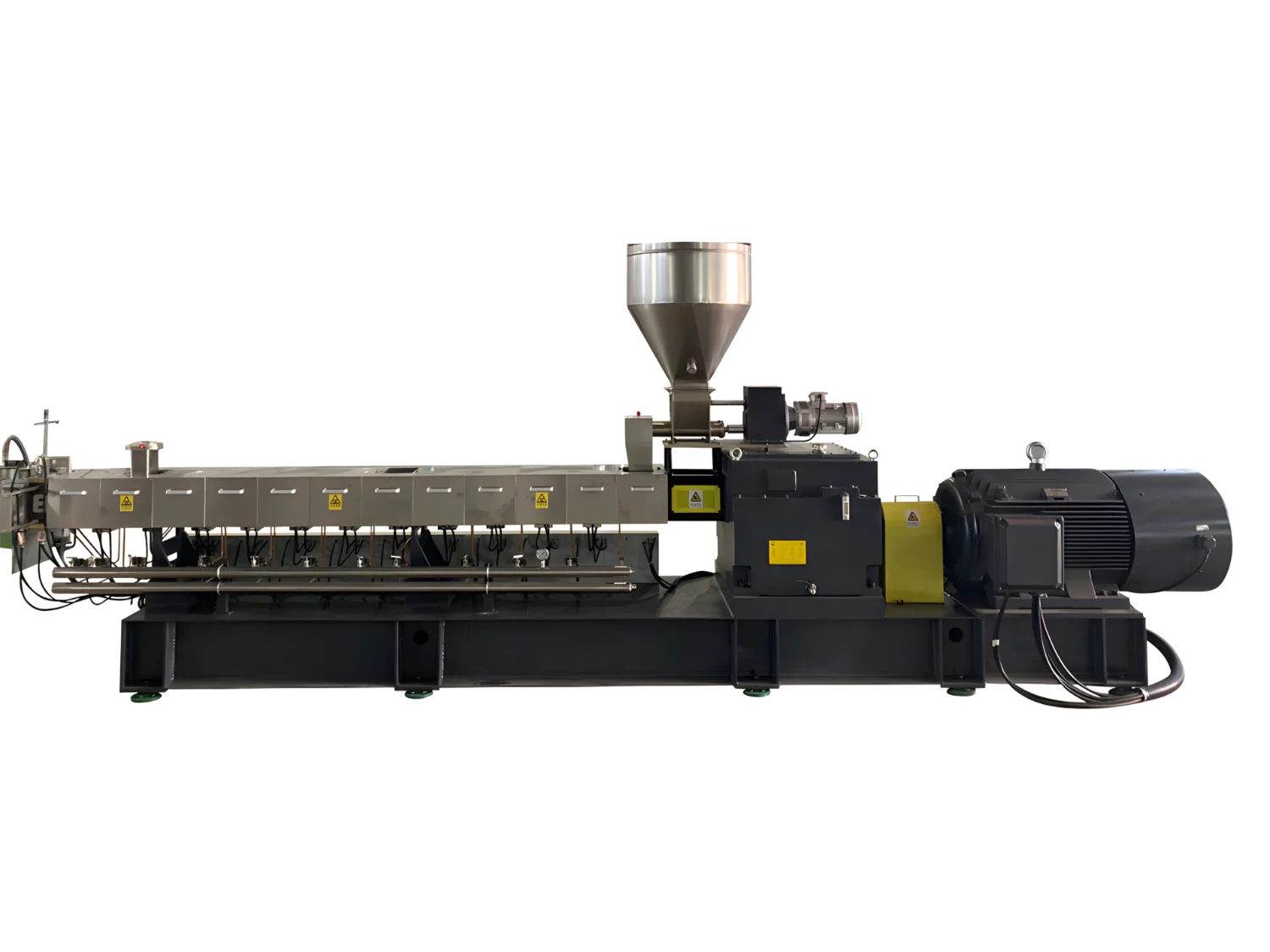
أ آلة تكوير البلاستيك melts shredded, washed, or densified plastic waste and reshapes it into uniform pellets — the standard raw material form that injection molders, extruders, and film blowers purchase and process. Pelletizing is the final value-adding step in plastic recycling: it converts low-value flakes or regrind into market-ready pellets worth $400–$1,200/ton depending on polymer type and quality. This guide covers every pelletizer type, real specifications, material-to-machine matching, cutting system selection, and a framework for specifying the right pelletizing line for your operation.
What Is a Plastic Pelletizing Machine?
A plastic pelletizing machine (also called a pelletizer or granulating extruder) melts plastic input material through a heated screw-and-barrel system, filters out contaminants via a screen changer, then pushes the melt through a die plate where a cutting system chops it into cylindrical or spherical pellets of 2–5 mm diameter. The pellets are cooled (by water or air), dried, and collected in bags or silos. Learn the fundamentals in our guide: What Is a Plastic Pelletizer and How Does It Work?
Key components of every pelletizing line:
- نظام التغذية — force feeder, crammer, or cutter compactor that densifies and feeds material into the extruder
- الطارد — single-screw or twin-screw barrel that melts, homogenizes, and pressurizes the plastic
- Screen changer — hydraulic or manual filter that removes contaminants (paper, metal, dirt) from the melt
- Die plate — perforated plate that shapes the melt into strands or directly into pellets
- نظام القطع — strand cutter, water ring cutter, or underwater pelletizer that forms final pellet shape
- Cooling and drying — water bath, air cooling, or centrifugal dryer that solidifies and dries pellets
أنواع آلات التكوير البلاستيكي
مُحَبِّب أحادي اللولب
The most common type for recycling applications. A single rotating screw inside a heated barrel melts and conveys plastic forward. Simple, reliable, and lower cost than twin-screw systems. Best for clean, pre-sorted feedstock (PE, PP, PET flakes, PS). Throughput: 100–1,500 kg/h. See our single-screw pelletizing machine range.
Twin-Screw Pelletizer
Two co-rotating or counter-rotating screws provide superior mixing, venting, and degassing. Required for materials that need intensive compounding (color concentrates, filled plastics, engineering plastics) or that contain high moisture or volatile content. Higher cost (1.5–2.5× single-screw) but produces better pellet quality for demanding applications. Throughput: 200–3,000 kg/h.
Cutter Compactor Pelletizer
Integrates a high-speed cutter compactor (agglomerator) directly before the extruder. The cutter compactor shreds, densifies, and pre-heats film, fiber, and lightweight materials through friction — then feeds directly into the extruder barrel. This eliminates the need for a separate agglomerator or densifier, saving floor space and energy. Ideal for PE/PP film, woven bags, nonwoven fabric, and raffia. See our cutter compactor pelletizing line.
Two-Stage Pelletizer
Uses two extruders in series: the first melts and filters, the second homogenizes and builds pressure for pelletizing. The two-stage design provides extra melt filtration, better degassing (two venting zones), and more consistent melt quality. Best for heavily printed film, post-consumer mixed plastics, and materials with high contamination. Higher investment but produces premium-quality pellets.
Pelletizer Type Comparison
| يكتب | معدل الإنتاج | قوة المحرك | الأفضل لـ | التكلفة النسبية |
|---|---|---|---|---|
| Single-Screw | 100–1,500 kg/h | 22–250 kW | Clean PE/PP/PET flakes, regrind | 1× (الأساس) |
| Twin-Screw | 200-3000 كجم/ساعة | 37-400 كيلوواط | مزج، مواد بوليميرية هندسية، عالية الرطوبة | 1.5-2.5× |
| قاطعة مضغوطة | 200-1500 كجم/ساعة | 55-300 كيلوواط | فيلم البولي إيثيلين/البولي بروبيلين، أكياس منسوجة، غير منسوجة، رافيا | 1.2-1.8× |
| مرحلتين | 300–2,000 kg/h | 75-400 كيلوواط | فيلم مطبوع، خليط مستهلك بعد الاستخدام، تلوث عالي | 1.5-2.0× |
نظام قطع: خيطي مقابل حلقة مائية مقابل تحت الماء
يحدد نظام القطع شكل البوليبروب، جودته، وكمية الإنتاج. اختيار الصحيح يعتمد على نوع البوليمر، شكل البوليبروب المطلوب، وسرعة الإنتاج. للتحقق من المقارنة الشاملة، انظر قطع خيطي مقابل قطع تحت الماء للبولي إيثيلين التكراري.
| نظام قطع | شكل الحبيبات | الأفضل لـ | Throughput Range | الايجابيات | سلبيات |
|---|---|---|---|---|---|
| قطع الخيوط | أسطواني | البولي إيثيلين، البولي بروبيلين، البولي إيثيلين تيريفثاليت، البولي ستيرون — معظم التكرير | 100–1,500 kg/h | بسيط، تكلفة منخفضة، صيانة سهلة | كسر الخيوط مع مواد ذات قوة انصهار منخفضة |
| قطع حلقة مائية | كروي شبه كروي | البولي إيثيلين، البولي بروبيلين — خاصة التكرير الفيلمي | 200-1500 كجم/ساعة | مدمج، بدون معالجة الخيوط، بوليبروب متساوٍ، مستقر | غير مثالي للبوليمرات ذات تدفق الانصهار العالي |
| تحت الماء (UWP) | كروي | البولي إيثيلين تيريفثاليت، البولي آميد، البولي إيثيلين التيريفثاليت، البوليمرات الهندسية | 500-5000+ كجم/ساعة | شكل بوليبروب مثالي، سرعة عالية، خالي من الغبار | مكلف، معقد، صيانة أعلى |
انظر نظامنا للقطع بالحلقة المائية للأغراض المتعلقة بحقيبة الشبكة المصنوعة من PP/PE.
تطابق مادة إلى مكبس الأكياس
المواد المختلفة تتطلب إعدادات مكبس مختلفة، درجات حرارة، وأنظمة قطع. إليك توصياتنا بناءً على 500+ تركيب:
| مادة | مكبس الأكياس الموصى به | نظام قطع | ملاحظات رئيسية |
|---|---|---|---|
| أفلام بولي إيثيلين (LDPE/LLDPE) | مضخم المقطع + مكبس حلزوني واحد | حلقة مائية أو خيطي | تحتاج الأفلام إلى زيادة الكثافة؛ مضخم المقطع مثالي. انظر مكبس الأكياس البلاستيكية PE/PP |
| حقائب شبكية من PP/قطن | مضخم المقطع + مكبس حلزوني واحد | حلقة مائية | كثافة عالية — ضرورة الضغط قبل الطباعة |
| رقائق زجاجات PET | مكبس حلزوني واحد (مع مبرد/جاف) | خيطي أو تحت الماء | يجب أن يجف <50 ppm moisture; iv loss control critical. see مكبس الأكياس البلاستيكية PET |
| HDPE/PP صلب (صناديق، قوارير) | Single-Screw | خيطي | سهل التكيس؛ يكفي مضخم القوة. انظر مكبس الأكياس البلاستيكية صلب PP/HDPE |
| غير المنسوج/مكبس الأكياس البلاستيكية | مضخم المقطع + مكبس حلزوني واحد | حلقة مائية | مادة خفيفة جداً تتطلب زيادة كثافة شديدة. انظر خط تكيس غير منسوج |
| PA/نيون | مكبس حلزوني مزدوج (مع خروج الهواء الجاف) | تحت الماء أو خيطي | متجمد — يتطلب التجفيف + التفريغ بالفراغ |
| مختلطة ما بعد الاستخدام | مرحلتين | خيطي أو حلقة مائية | التلوث العالي يتطلب تصفية مزدوجة + تفريغ |
للتفاصيل المتعلقة بالتوافق مع المواد، اقرأ ما أنواع البلاستيك التي يمكن معالجتها باستخدام مكبس البلاستيك.
مرجع مواصفات مكبس البلاستيك
Representative specifications from Energycle’s single-screw pelletizer range:
| نموذج | قطر المسمار | نسبة السحب إلى السحب | معدل الإنتاج | قوة المحرك | التطبيق النموذجي |
|---|---|---|---|---|---|
| SJ-65 | Ø65 مم | 28:1–33:1 | 80–150 كغ/ساعة | 22–37 كيلوواط | كوادر صغيرة، إعادة تدوير صلب |
| SJ-85 | Ø85 مم | 28:1–33:1 | 150–300 كغ/ساعة | 37–55 كيلوواط | فيلم بولي إيثيلين/بولي بروبيلين، أكياس منسوجة |
| إس جيه-100 | Ø100 مم | 28:1–33:1 | 250–500 كغ/ساعة | 55–90 كيلوواط | خطوط إعادة التدوير المتوسطة |
| إس جيه-120 | Ø120 مم | 28:1–33:1 | 400-800 كجم/ساعة | 90–132 كيلووات | إعادة التدوير الكبيرة |
| إس جيه-150 | Ø150 مم | 28:1–33:1 | 600–1,200 كغ/ساعة | 132–200 كيلوواط | خطوط الصناعية الكبيرة |
| إس جيه-180 | Ø180 مم | 28:1–33:1 | 800–1,500 كغ/ساعة | 200–250 كيلوواط | أقصى قدرة معالجة |
قم بزيارة موقعنا صفحة منتج مكبس البلاستيك للمواصفات والخيارات التكوينية الكاملة. لمعلومات الأسعار، انظر plastic pelletizer machine cost factors و budget vs. high-end pelletizer comparison.
5-Step Selection Framework
Step 1: Define Input Material
Identify polymer type (PE, PP, PET, PS, PA, etc.), form (film, flake, regrind, fiber), contamination level (clean in-house vs. dirty post-consumer), and moisture content. This determines extruder type, number of stages, and whether you need a cutter compactor or pre-dryer.
Step 2: Set Throughput Target
Calculate required pellet output in kg/h. Match upstream washing/drying line output to pelletizer capacity. Always size the pelletizer 20–30% above your current throughput for surge capacity and future growth. Running a pelletizer at 80% of rated capacity extends screw and barrel life significantly.
Step 3: Choose Cutting System
Strand cutting for simplicity and most recycling applications. Water ring for film recyclers wanting compact, consistent pellets. Underwater for PET, engineering plastics, and high-speed production where pellet shape matters for end customers.
Step 4: Specify Pellet Quality
Define target pellet size (typically 3–4 mm), acceptable moisture content (<0.5% for most applications, <50 ppm for PET), color consistency requirements, and maximum contamination levels. These specifications determine screen changer mesh size, number of filtration stages, and cooling/drying system design.
Step 5: Calculate ROI
Pellets sell for $400–$1,200/ton depending on polymer and quality — 2–5× the value of washed flakes. A 500 kg/h pelletizer running 8 hours/day, 300 days/year produces 1,200 tons annually. At $200/ton margin over flake value, that is $240,000/year gross margin from a machine investment of $80,000–$200,000 — payback in 6–12 months.
Maintenance Essentials
- يوميًا: Inspect die plate for blocked holes; clean screen changer; check water temperature in cooling system
- أسبوعي: Verify screw torque and motor amperage (rising amps indicates barrel wear); inspect pellet cutter blades
- شهريا: Lubricate gearbox; check heater band function on each zone; inspect screen changer seals
- Every 2,000–4,000 hours: Measure screw and barrel wear (replace when clearance exceeds 0.5 mm per side)
- سنويا: Full inspection of screw, barrel, die plate, gearbox, and electrical systems
For complete maintenance programs, see our pelletizer maintenance checklist و دليل طرق التكوير.
بدء الاستخدام مع Energycle
صنعت Energycle plastic pelletizing machines from 80 kg/h laboratory units to 1,500 kg/h production lines, plus complete turnkey recycling systems from washing through pelletizing. We provide:
- اختبار مادة مجاني — send us your plastic samples and we test pellet quality on our machines
- Custom line design — extruder, cutting system, and feeding system configured for your specific material and throughput
- Installation and training — on-site commissioning and operator training included
- الدعم بعد البيع — spare screws, barrels, die plates, and cutter blades with fast delivery
Contact our engineering team with your material type, throughput requirement, and desired pellet specifications — we will recommend the right configuration and provide a quotation within 48 hours.
الأسئلة الشائعة
كم تبلغ تكلفة آلة تحويل البلاستيك إلى حبيبات؟
Small single-screw pelletizers (100–200 kg/h) cost $25,000–$60,000. Mid-range systems (300–800 kg/h) cost $60,000–$150,000. Large production lines (800–1,500 kg/h) range from $150,000–$350,000. Complete turnkey lines including washing, drying, and pelletizing cost $200,000–$800,000. Cutter compactor systems add 20–50% over basic single-screw models.
ما الفرق بين آلة التكوير وآلة التحبيب؟
A pelletizer melts plastic and extrudes it through a die to form uniform pellets — it changes the physical form of the material through heating. A granulator mechanically cuts solid plastic into small pieces (regrind) without melting. Pellets are market-ready raw material; regrind is an intermediate product. See our detailed comparison: pelletizer vs. granulator.
Which pelletizer type is best for PE film recycling?
A cutter compactor pelletizer is the best choice for PE/PP film. The integrated cutter compactor densifies lightweight film through friction heating before feeding it into the extruder — solving the biggest challenge in film recycling (low bulk density). A water ring cutting system produces consistent, dust-free pellets. Expect 200–1,500 kg/h throughput depending on model size.
What throughput can I expect from a plastic pelletizer?
Throughput depends on screw diameter, motor power, and material type. A Ø65 mm single-screw handles 80–150 kg/h; a Ø120 mm handles 400–800 kg/h; a Ø180 mm reaches 800–1,500 kg/h. Film materials pelletize faster than rigid flakes due to easier melting. Actual throughput is typically 75–85% of rated maximum during sustained production.
How do I choose between strand cutting and water ring cutting?
Strand cutting is simpler and cheaper — melt exits the die as strands, passes through a water bath, and is cut by a rotary blade. Best for rigid plastics with good melt strength. Water ring cutting cuts melt directly at the die face in a water chamber — produces rounder pellets with no strand-handling issues. Best for film-grade PE/PP where strand breakage would be a problem.
Can I pelletize PET bottle flakes?
Yes, but PET requires special handling: flakes must be crystallized and dried to below 50 ppm moisture before extrusion (PET degrades rapidly with moisture at melt temperatures). Use a single-screw or twin-screw pelletizer with vacuum venting. Strand cutting or underwater pelletizing works best. IV (intrinsic viscosity) loss should be monitored — target less than 0.02 dL/g drop through the extruder. See our PET flake pelletizer sizing guide.
What maintenance does a pelletizer require?
Daily: clean screen changer and inspect die plate. Weekly: check motor amperage and cutter blade sharpness. Monthly: lubricate gearbox and inspect heater bands. Every 2,000–4,000 hours: measure screw and barrel wear. The screw and barrel are the highest-cost wear items — budget $3,000–$15,000 for replacement depending on size. Running clean material and maintaining proper temperatures extends wear life 2–3×.
Is plastic pelletizing profitable?
Yes — pelletizing adds $200–$600/ton in value over washed flakes. A 500 kg/h line running one shift (8h/day, 300 days/year) produces 1,200 tons of pellets annually. At a conservative $200/ton value-add, gross margin is $240,000/year from a $100,000–$200,000 equipment investment. Most operations achieve payback within 6–12 months. Post-consumer recycled pellets with food-grade certification command even higher premiums.
موارد مرتبطة
- طحن البلاستيك — نطاق المنتجات
- آلة تكوير البلاستيك ذات المسمار الواحد
- آلة تكوير أغشية PP/PE
- آلة تحويل البولي بروبيلين/البولي إيثيلين الصلب
- نظام تحبيب الحلقات المائية
- PET Flake Single-Screw Pelletizer
- Single-Screw Pelletizer for PET: Sizing Guide
- خط إنتاج حبيبات الضاغط القاطع
- خط إنتاج حبيبات البولي بروبيلين غير المنسوج بتقنية النفخ بالذوبان
- Strand vs. Underwater Pelletizing for rPET
- Pelletizer Machine Cost Factors
- Budget vs. High-End Pelletizer Comparison
- قائمة فحص صيانة مكبس البوليسترين
- مطاحن الطحن إلى البلاطات مقابل مطاحن الطحن الاختلافات
- What Plastics Can Be Pelletized?
- آلة إعادة تدوير البلاستيك: دليل شامل
