


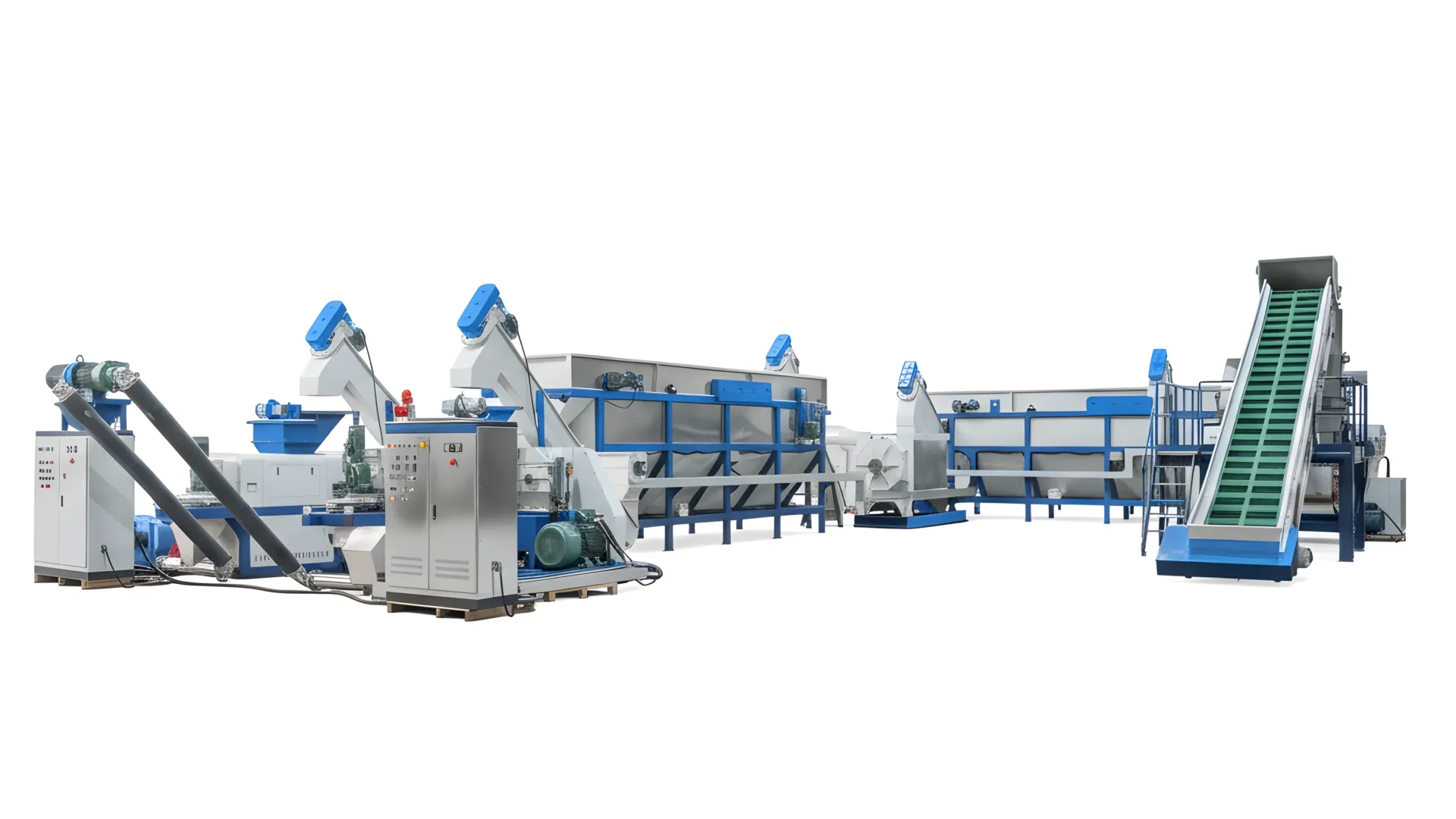
PP Woven Bags & Raffia Recycling Line
Built for contaminated woven sacks, raffia tape/yarn, and jumbo bags (FIBC). This line combines high-torque size reduction with intensive washing and drying to deliver clean, dry PP flakes—ready for extrusion and optional التحبيب.
- Designed for PP woven bags, raffia, and FIBC jumbo bags
- Deep cleaning for sand, ink, glue, and organics (hot wash optional)
- Dry output for stable extrusion (typical < 3% residual moisture)
- Typical line capacity: 300–1500 kg/h (configuration dependent)
Why This PP Woven & Raffia Line Works
Practical advantages engineered for real-world woven bag and raffia contamination.
Designed for Heavy Contamination
Built to remove sand, grit, ink, glue, and organics common in woven sacks and raffia.
Stable Downstream Pelletizing
Consistent washing + drying supports stable extrusion and low gel/black-speck risk.
Woven + Raffia Focus
Handles PP woven bags, raffia tape/yarn, jumbo bags (FIBC), and PP non-woven fabrics.
استخدام فعال للموارد
تقليل استهلاك الماء والطاقة من خلال دائرة الغسل المعدلة لتقليل تكاليف التشغيل.
تصميم قوي، منخفض الصيانة
مكونات صناعية مصممة للعمل المستمر مع خدمة بسيطة وقطع غيار.
قابل للتعديل و التخصيص
إعداد قابل للتعديل ومساحات قابلة للتوسع لتتناسب مع مخططك و نموك.
Supported PP Woven & Raffia Feedstocks
Typical incoming materials for this recycling line (share samples for a configuration recommendation).

حقائب نسيجية من البولي بروبيلين
Cement bags, fertilizer sacks, rice bags, and other printed woven sacks.

PP Non-Woven
Non-woven fabric scraps and bags (PP), with optional deeper washing.
PP Raffia (Tape/Yarn)
Raffia strips, tapes, and yarn waste from weaving and packaging operations.
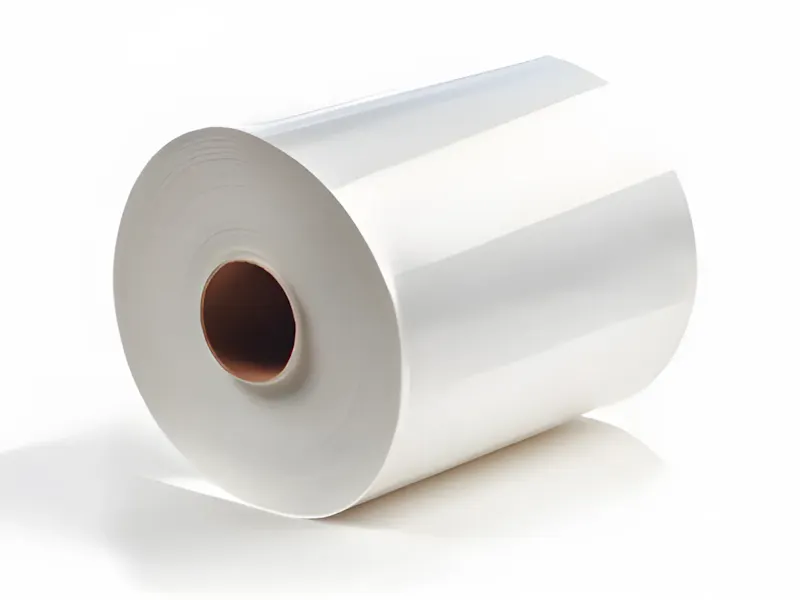
BOPP-Laminated Woven Bags
Laminated woven bags and printed layers (configured based on contamination).
Jumbo Bags (FIBC)
Bulk bags and big bags, including dusty or sand-contaminated material.
Production Scrap
Clean or lightly contaminated woven trims, offcuts, and weaving scrap.
Process Flow (Woven Bags & Raffia)
A typical configuration from size reduction to washing, drying, and optional pelletizing—tuned to your contamination and output targets.
Feeding & Pre-Sorting
Controlled feeding handles loose and bulky materials while reducing foreign contaminants.
تمزيق
High-torque shredding opens woven structures and reduces volume for consistent washing.
التحبيب الرطب
Secondary size reduction with water-assisted cutting improves cleaning efficiency.
غسيل الاحتكاك
Removes sand, dust, paper fibers, and loosened ink from PP flakes.
Rinsing & Separation
Rinsing and separation remove heavy contaminants for higher PP purity.
Dewatering & Drying
Mechanical dewatering + thermal drying deliver low-moisture flakes for extrusion.
Pelletizing (Optional)
Convert clean PP flakes into uniform pellets for easy storage and resale.
Key Machines in the PP Woven Bags & Raffia Recycling Line
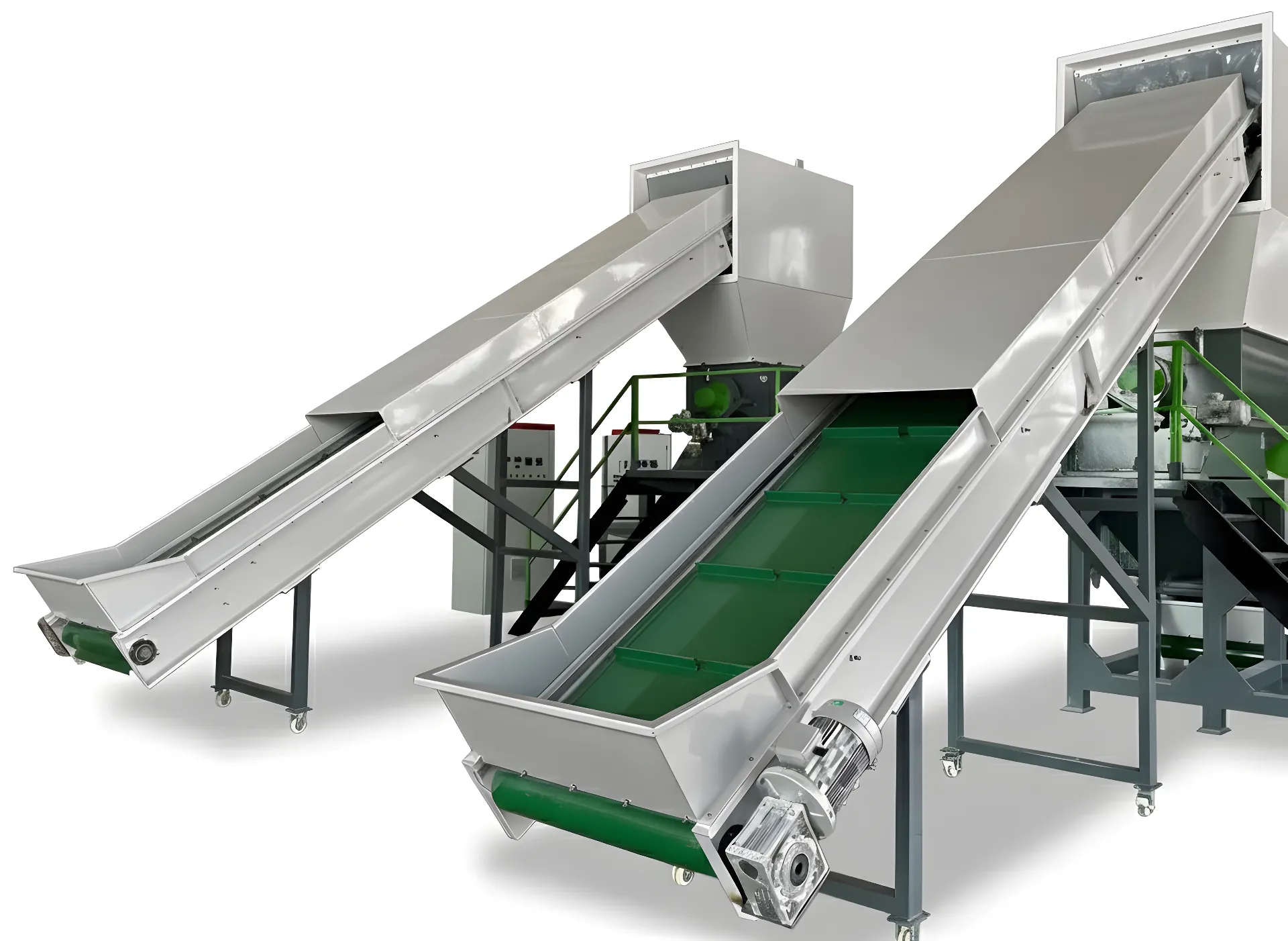
ناقل الحزام تحديد
- مادة: بولي فينيل كلوريد
- سمك الحزام: 0.4 ملم
- مع جهاز شد الحزام وقادوس الاستقبال
- عرض الحزام وطوله: مخصص على أساس حجم الإخراج
- نقل المواد الخام إلى النظام.
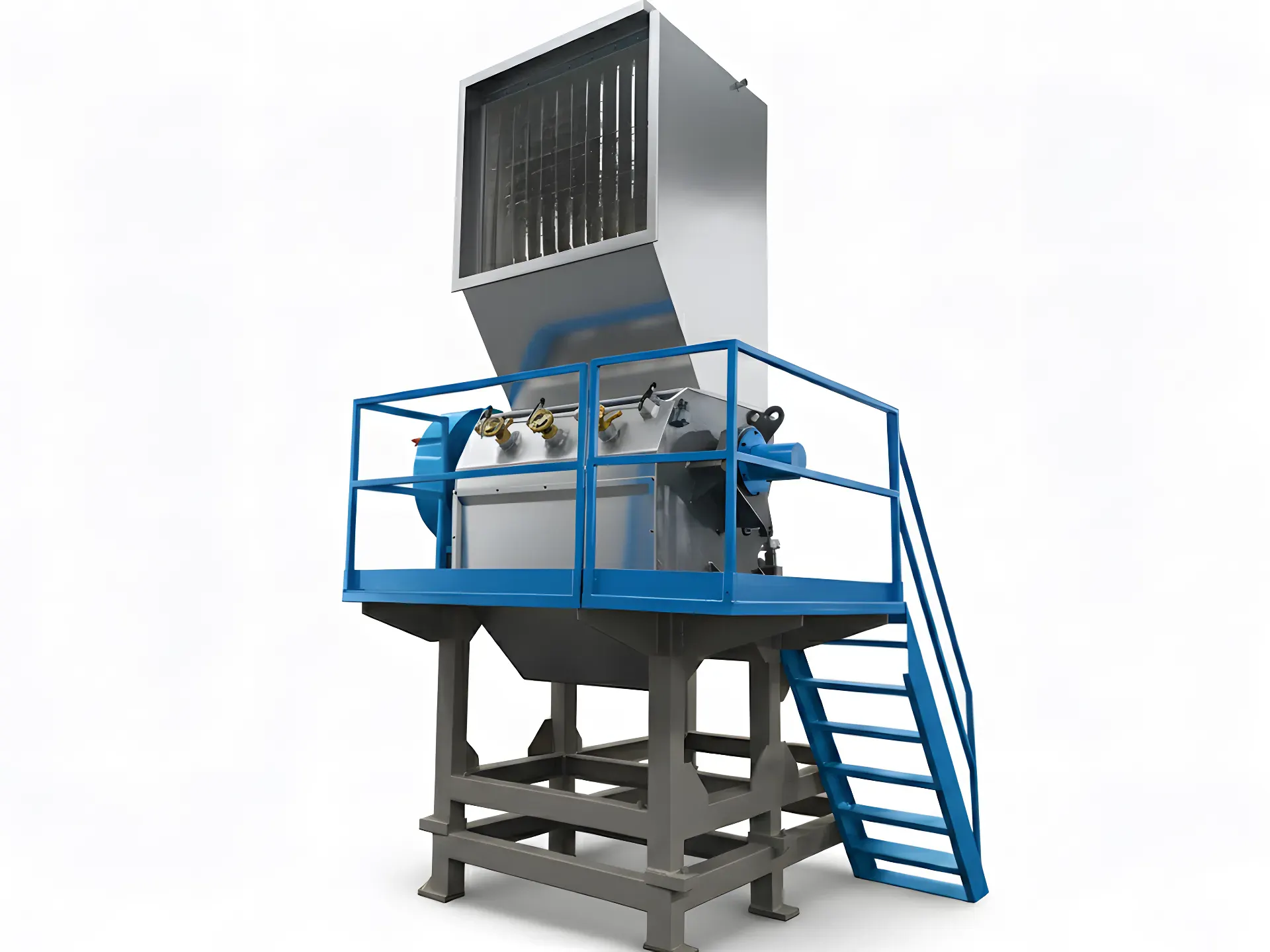
آلة التقطيع ذات العمود الواحد تحديد
- سرعة الدوار: 60-100 دورة في الدقيقة
- مادة الشفرة: سبائك الفولاذ عالية القوة أو الفولاذ D2
- حجرة القطع: من 400mm x 500mm إلى 2000mm x 2000mm
- حجم فلتر الشاشة: من 40mm إلى 100mm (قابل للتعديل)
- قوة المحرك: 15-200 كيلو واط
- تقطيع مجموعة متنوعة من النفايات.
- تحضير المواد لإعادة التدوير.
- تقليل حجم المواد لسهولة التعامل معها.

حبيبات البلاستيك الرطبة تحديد
- سرعة الدوار: 400-600 دورة في الدقيقة
- مادة الشفرة: فولاذ D2 عالي الكربون وعالي الكروم
- ترتيبات القطع: قطع على شكل حرف V أو بمقص مزدوج
- حجم فلتر الشاشة: من 10mm إلى 100mm (قابل للتعديل)
- قطع المواد البلاستيكية إلى شرائح متساوية.
- تنظيف مسبق وإزالة الملوثات.
- تقليل تراكم الغبار في مصانع إعادة التدوير.
غسالة الاحتكاك تحديد
- سرعة الدوار: 500-600 دورة في الدقيقة
- نظام المياه: مدخل علوي ومخرج سفلي
- عملية: مستمر
- طريقة التنظيف: التحريك السريع للجاذبية
- الغسل والتنظيف للمواد البلاستيكية.
- نقل المواد بين الآلات.
- إزالة الأتربة والرمل والملوثات الأخرى.
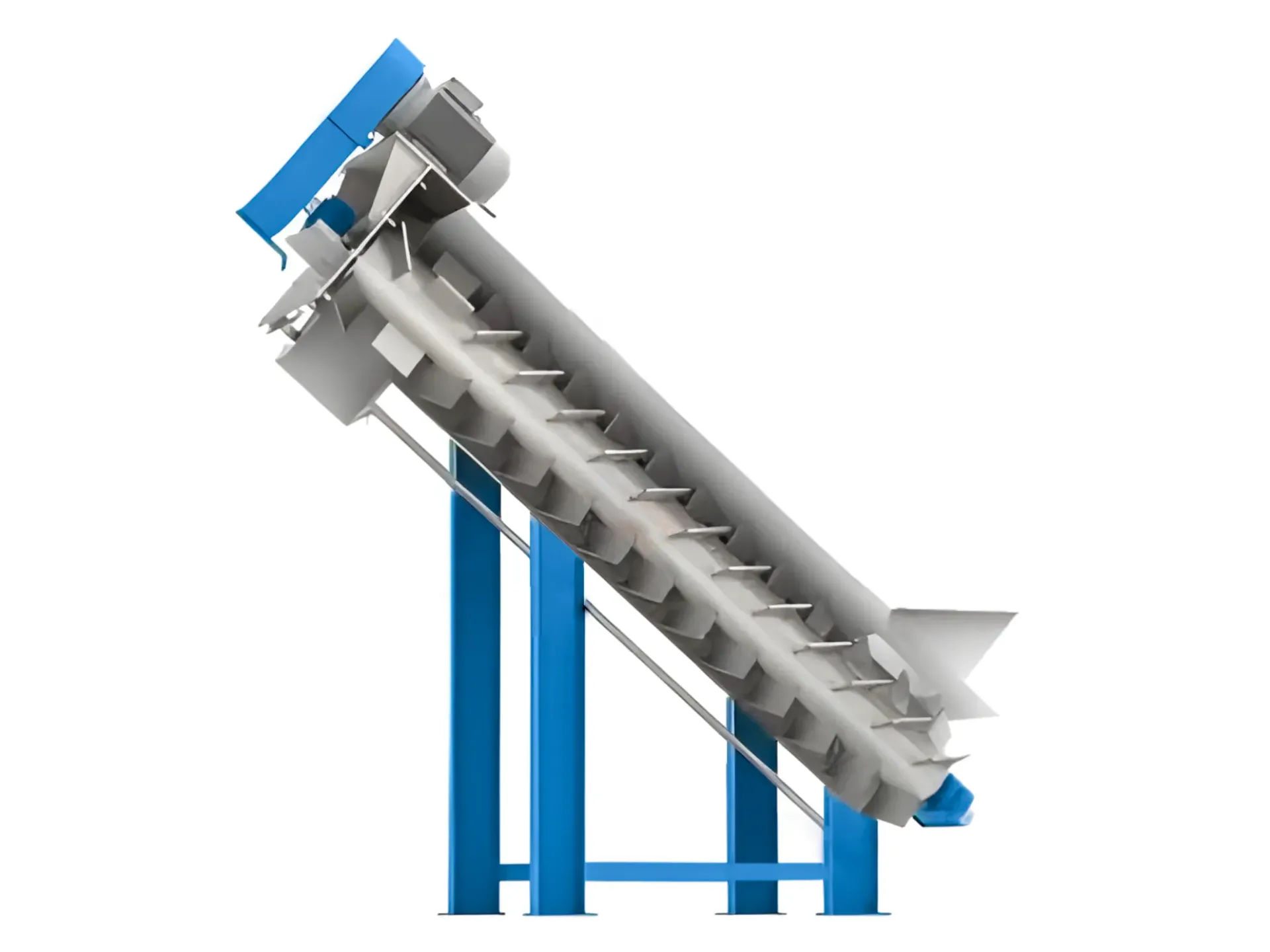
خزان الفصل العائم تحديد
- العرض الداخلي: من 1000mm إلى 1800mm
- الطول الإجمالي: من 4 إلى 7 أمتار
- المواد الداخلية: نوع الفولاذ المقاوم للصدأ 304
- الإطار الخارجي: الفولاذ الكربوني
- محركات المجداف: 1.5كW × 2 (تحكم في التردد)
- قاعدة "W" الشكل لتحسين الكفاءة.
- تصميم جزئي لتحسين إدارة التلوث.
- الفصل المائي للبوليوليفرين (PP/PE).
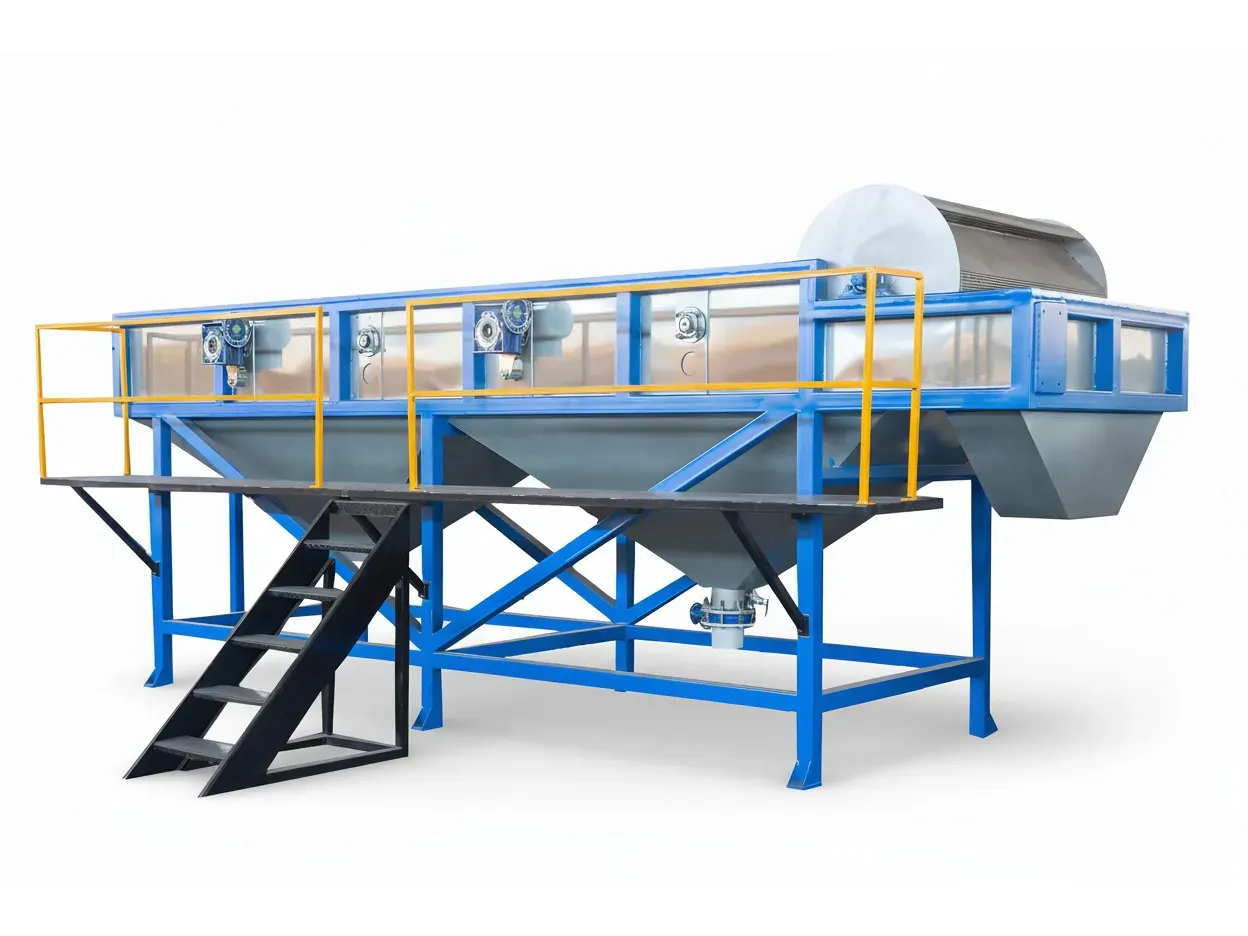
غسالة ساخنة تحديد
- وضع التشغيل: %%
- نظام التدفئة: تدفئة كهربائية مدمجة
- طريقة الغسيل: حمام ماء ساخن مع إضافات كيميائية
- المواد المناسبة: PP woven bags, raffia, and other contaminated PP plastics
- إزالة الزيت، اللاصق، والملوثات الصعبة بشكل فعال.
- يتم إزالة الحاجة إلى مكتبة خارجية من خلال نظام التدفئة المتكامل.
- استخدام مركبات كيميائية مضمونة لتحسين التنظيف.

مجفف الطرد المركزي تحديد
- سرعة الدوران: حوالي 1,000 RPM
- تقليل الرطوبة: حتى حوالي 20-30%
- المكونات الرئيسية: مروحة مع رافعات، شبكة ممر الشبكة
- غلاف: حاوية معدنية بمحرك كهربائي خارجي
- كفاءة عالية مع استهلاك طاقة منخفض.
- يتعامل مع المواد ذات محتوى الماء العالي.
- الغسل الساخن المكثف
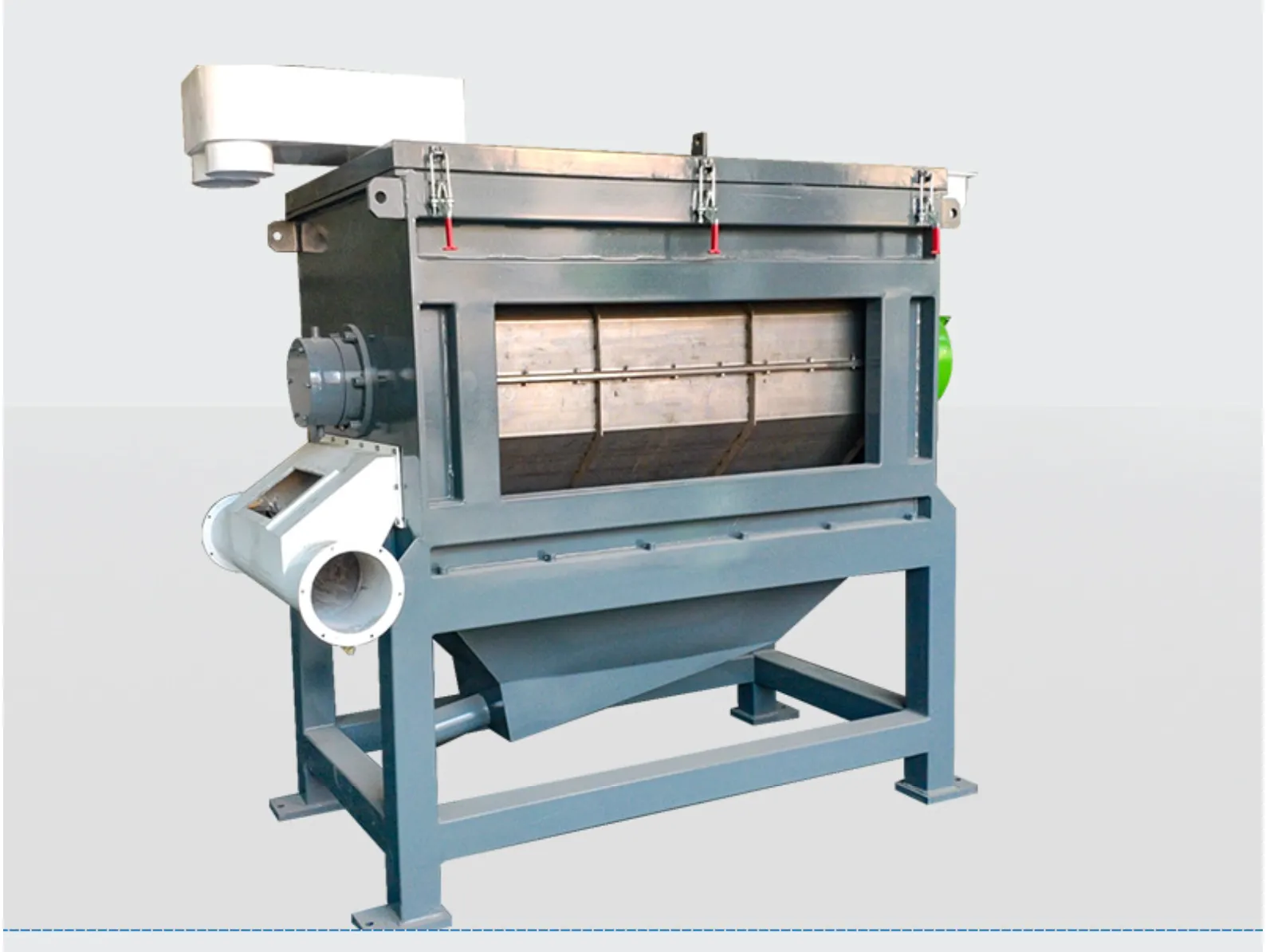
المجفف بالأنبوب الحراري تحديد
- نموذج: ار اس جيه 800
- قوة المنفاخ: 5.5 كيلو واط
- قوة التدفئة: 36 كيلو واط
- قطر الأنبوب: ⌀159 مم
- مادة الأنابيب: نوع الفولاذ المقاوم للصدأ 304
- عملية تجفيف مستمرة.
- مستشعر مركزي للفصل عن الرمال الناعمة.
- نظام تجفيف بالهواء الساخن.
- تصميم قابلة للتعديل (يمكن استخدام وحدات متعددة في سلسلة).
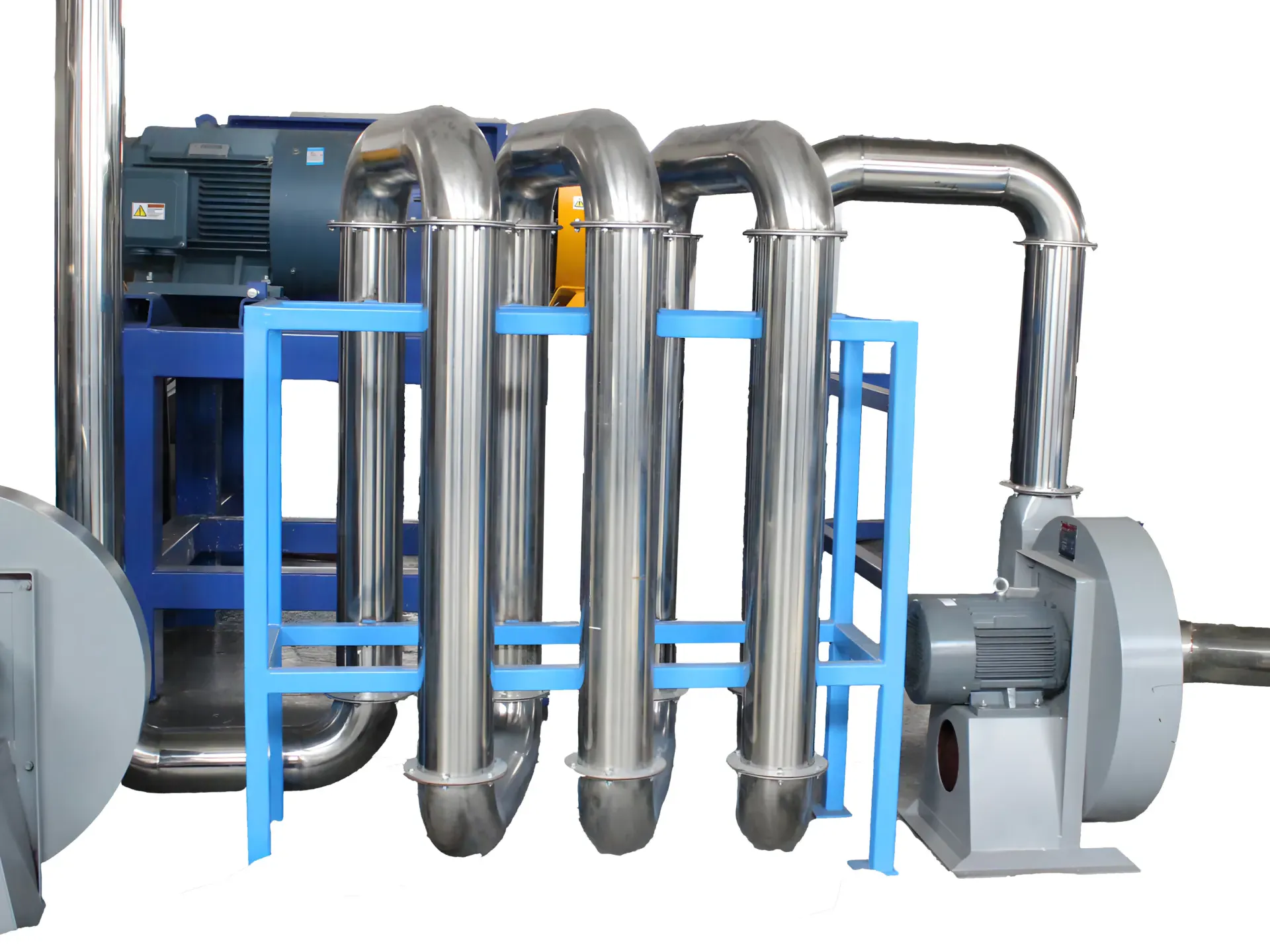
آلة ضغط الأفلام تحديد
- تقليل الرطوبة: يخفض الرطوبة من 10-35% إلى 1-5%
- الآلية: نظام ضغط على شكل لولب
- قدرة الانتاج: من 300 كجم/ساعة إلى 1500 كجم/ساعة
- استهلاك الطاقة: من 75 كيلوواط إلى 162 كيلوواط
- يقلل الرطوبة بشكل فعال للتحويل إلى كريات.
- Compacts PP flakes into dense agglomerates for easier feeding.
- يزيد من كفاءة إعادة التدوير بشكل عام.

Water Ring Pelletizing System (Optional)
- Pellet Type: Water-ring cut, uniform granules
- Typical Inputs: Clean PP flakes from woven bags, raffia, and FIBC scrap
- التخصيص: Die face, filtration, and automation options
- Stable pelletizing for variable woven-bag feedstock.
- Improved feeding consistency vs. loose flakes.
- Optional filtration upgrades for higher pellet purity.
ما يقوله العملاء
ملاحظات حقيقية من المدراء الذين قاموا بتحديث خطوط إعادة التدوير لدينا.
We moved from inconsistent woven-bag flakes to clean, stable PP output. Moisture dropped below 3%, which made extrusion and pelletizing much more reliable.
Installation and training were smooth. Sand and ink removal from printed sacks is far better than our previous setup, and maintenance has been minimal.
Versatile system that handles both raffia and woven sacks reliably. Our downstream efficiency increased noticeably.
الأسئلة الشائعة
إجابات على الأسئلة الشائعة لمساعدتك في تقييم الحل الأنسب.
What PP materials can this line process?
It is designed for PP woven sacks, raffia (tape/yarn), jumbo bags (FIBC), and PP non-woven fabrics. We also handle BOPP-laminated woven bags based on contamination level.
What output and moisture level can I expect?
Typical capacity ranges from 300–1500 kg/h. With the full dewatering + thermal drying configuration, residual moisture typically falls below 3%, suitable for stable extrusion and pelletizing.
Do I need hot washing for printed cement bags or oily contamination?
Hot washing is optional and recommended when you need deeper decontamination (ink, oils, glue, heavy organics). We configure the washing loop based on your feedstock and target end-product.
Can this line produce PP pellets directly?
Yes. Add a squeezer and pelletizing module (such as a water ring pelletizing system) to convert washed PP flakes into uniform pellets. Share your requirements and we’ll recommend the best configuration.
Can you customize the layout and automation level?
Yes. We tailor shredding, washing, drying, and optional pelletizing modules to your capacity, contamination level, and plant footprint, with on-site guidance or remote commissioning available.
طلب عرض مخصص
Tell us about your PP woven bags/raffia feedstock, contamination level, capacity goals, and space constraints. We’ll propose a line configuration (with optional pelletizing) that fits your operation.