

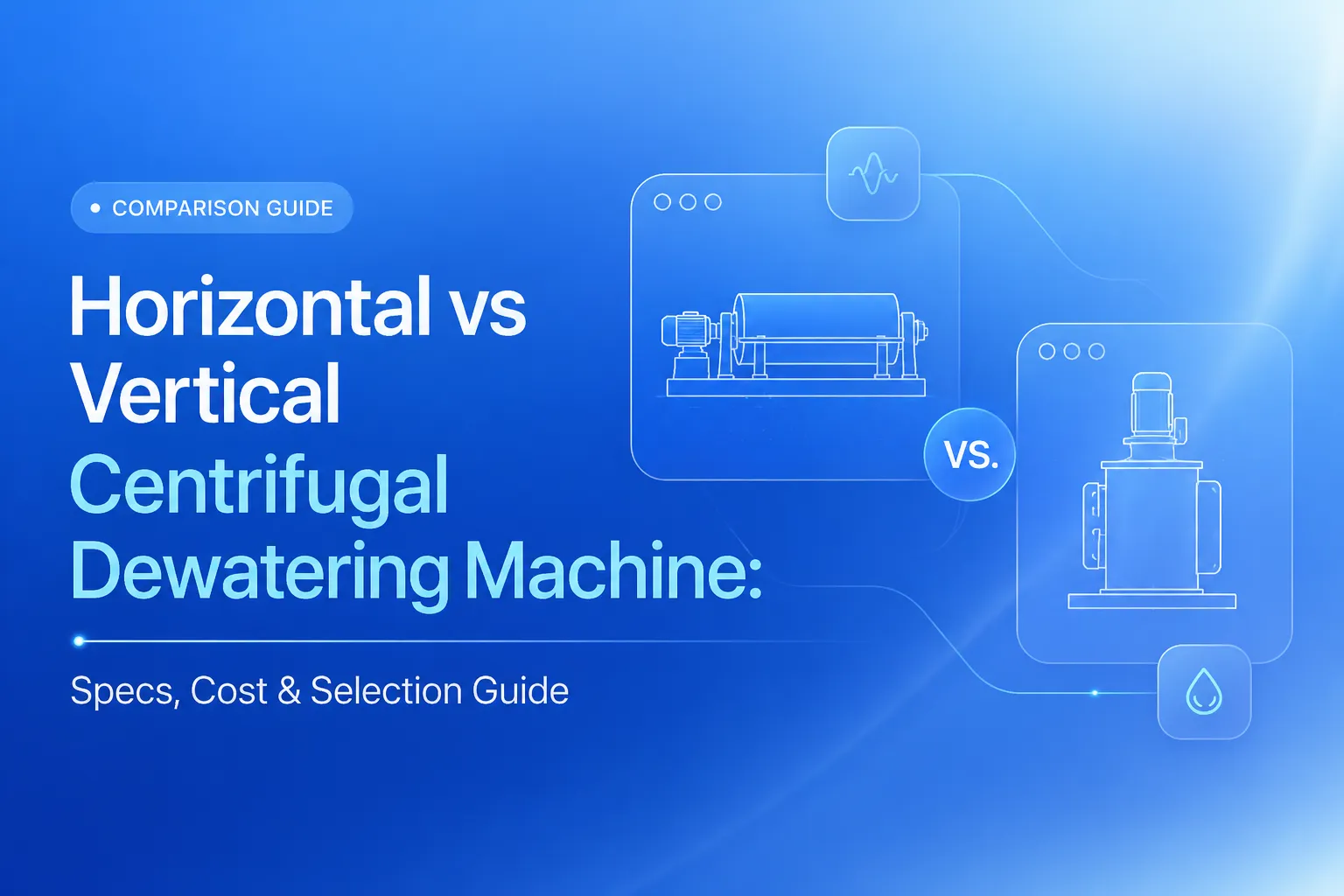
شراء مكينة التصفية المركزية للإزالة المائية لخط إعادة تدوير البلاستيك يتلخص في قرار مبكر واحد: الإتجاه الأفقي أو العمودي. يؤثر هذا الاختيار على مساحة الأرضية، الحد الأقصى للقدرة، توزيع الإزالة المائية، سهولة الوصول للصيانة، و تكلفة الاستثمار — في بعض الأحيان بمقدار 2-3 مرات عبر جميع خمس العوامل. يغطي هذا الدليل الفروق الهندسية، المواصفات الفعلية، المقارنة الجانبية، و إطار عمل قرار بخطوات خمس حتى يمكنك تحديد الآلة الصحيحة لخطك في المرة الأولى.
إجابة سريعة: أيهما يجب أن تختار؟
| حالتك الخاصة بك | مُستَحسَن |
|---|---|
| نطاق التدفق أقل من 800 كجم/ساعة، مساحة أرضية محدودة، فريق صيانة بسيط | آلة التمييم المركزي العمودي |
| نطاق التدفق 1,000+ كجم/ساعة، تشغيل مستمر، ضروري توزيع متساوٍ للإنتاج | مكينة التصفية المركزية الأفقية |
| خط إعادة تدوير أقراص زجاجات البولي إيثيلين، تشغيل 24/7 | أفقي (مع خيار المرحلة الأولية العمودية) |
| خط تجريبي، أبحاث وتطوير، أو ورشة صغيرة | عمودي |
| نفايات صلبة مختلطة (صناديق HDPE، قوارير PP) عند مستوى عالٍ من الكمية | أفقي |
كلاهما آلات تجفيف المياه بالطرد المركزي مبنى على نفس مبدأ التشغيل — روتور عالي السرعة يدور داخل شبكة مفتورة. يحدد إتجاه محور الروتور تقريبًا كل شيء آخر.
الفرق الهندسي
آلة التمييم المركزي العمودي
يقع محور الروتور عموديًا. تدخل الأقراص الرطبة من أعلى المعدة، يدور الروتار بسرعة 1,200-1,500 دورة في الدقيقة، يخرج الماء بشكل متوازي عبر الشبكة، وتخرج الأقراص المزالة المائية من مخرج جانبي أو أسفل المعدة. يقضي المادة حوالي 2-5 ثانية داخل المعدة.
السطح المطلوب صغير — عادة 1.0 × 1.5 م لآلة قدرتها 400-800 كجم/ساعة — وتكون الآلة محددة على قاعدةها الخاصة. الوصول الداخلي للشاشة والمكونات بسيط: قم برفع الغطاء العلوي وتكون المكونات مرئية. لا تحتاج إلى ضبط حزام أو مروحة التغذية.
مكينة التصفية المركزية الأفقية
يدور محور الروتار أفقيًا داخل وعاء شبكة أطول (عادة 1.5-2.5 م طوله). تدخل الأقراص الرطبة من نهاية واحدة، تقود المروحة أو الأسطوانة السلكية المادة على الشبكة بينما يدور الروتار بسرعة 800-1,200 دورة في الدقيقة، وتخرج المادة المزالة المائية من النهاية الأخرى. يزيد وقت البقاء — عادة 5-10 ثانية — ويؤدي المسار الأطول إلى توزيع أكثر تساوٍ للرطوبة عبر تدفق الإنتاج.
السطح المطلوب أكبر (عادة 2.5 × 1.5 م لآلة قدرتها 1,500 كجم/ساعة)، ولكن قدرة التدفق لكل متر مربع من مساحة الأرضية مقارنة بالآلات العمودية. تتطلب الصيانة إزالة غطاء النهاية وسحب الروتار للخارج — أكثر تعقيدًا من الوحدة العمودية ولكن لا تزال مهمة تستغرق 1-2 ساعة بوجود فنيين اثنين.
المقارنة الجانبية
| عامل | عمودي | أفقي |
|---|---|---|
| نطاق الإنتاجية | 200-1,000 كجم/ساعة | 800-3,500 كجم/ساعة |
| قدرة المحرك | 22-45 كيلوواط | 37-90 كيلوواط |
| سرعة المحور | 1,200-1,500 دورة في الدقيقة | 800-1,200 دورة في الدقيقة |
| مدة البقاء | 2–5 ثانية | 5–10 ثانية |
| مستوى الرطوبة عند الخروج (قطع صلبة صلبة) | 3–5% | 2–4% |
| Output uniformity | معتدل | عالي (اتصال الشاشة لفترة أطول) |
| المساحة المطلوبة | ~1.5 م² | ~3.5 م² |
| ارتفاع الممر المطلوب | 2.5–3.0 م (ارتفاع المعدن) | 1.5–1.8 م |
| تكلفة الاستثمار (USD) | $8,000–$18,000 | $15,000–$45,000 |
| طاقة لكل طن منتج بعد التجفيف | 30–45 كيلوواط/طن | 25–40 كيلوواط/طن |
| تعقيد الصيانة | منخفض (وصول من الأعلى) | متوسط (إزالة غطاء النهاية) |
| أفضل المادة | قطع PET، إعادة تدوير صلبة HDPE/PP، خليط منخفض الكمية | قطع قنينة PET (كمية عالية)، صناديق HDPE، إعادة تدوير مستمر لPP |
الخلاصة الرئيسية: الانتصار العمودي في تكلفة، حجم القدم، وتسهيل الصيانة. الانتصار الأفقي في الإنتاجية، تناسق الإنتاج، وتوفير الطاقة لكل طن عند التكبير. نقطة التقاء تقريباً هي 1,000 كغ/ساعة — تحت هذا الرقم، العمودي هو دائمًا الخيار الصحيح؛ فوق هذا الرقم، الأفقي هو دائمًا الخيار الصحيح.
أين يناسب كل منها في خط التدوير
خط قطع قنينة PET
للتدوير المركزي للقنينة PET فوق 1 طن/ساعة، التجفيف الأفقي هو المعيار. إزالة الشاشة لفترة أطول تزيل بقايا العلامة التجارية والغبار مع الماء، وتقليل سرعة المحور يقلل من تكسير القطع على PET (الذي هو أكثر هشاشة من HDPE أو PP). تحت 800 كغ/ساعة، الآلة العمودية كافية — شائعة في عمليات إعادة تدوير PET الصغيرة وخطوط التجارب. بعض خطوط PET عالية الجودة تشغل وحدة عمودية كمرحلة معالجة نهائية بعد أفقي رئيسي، تحقيق رطوبة أقل من 2% قبل مجفف حراري.
إعادة تدوير صلبة HDPE / PP
لإعادة تدوير صناديق HDPE أو قارورة PP بعد الغسل، كلا الاتجاهين يعملان بشكل جيد. القرار هو فقط الإنتاجية والميزانية: عمودي للعمليات تحت 1 طن/ساعة، أفقي للقدرات العالية. يمكن لHDPE وPP تحمل سرعات المحور العالية دون تكسر، لذا تعمل الآلات العمودية عند 1,500 RPM بشكل فعال على هذه المواد.
خطوط الأفلام PE / PP
الفيلم مشكلة مختلفة. أجهزة التجفيف المركزي العمودية أو الأفقية القياسية للقطع الصلبة ليست مكتملة للفيلم الذي يلف حول رافعات المحور. لغرض إعادة تدوير الفيلم، استخدم آلة تجفيف الفيلم المركزية عالية السرعة (anti-wrap rotor design) or a عصارة الفيلم بدلاً من ذلك. هذه مصنوعة خصيصًا للمواد المرنة.
Mixed Rigid Waste / Pilot Lines
بالنسبة للبحث، أو العمليات التجريبية أو منخفضة التدفق التي تتعامل مع البلاستيك الصلب المختلط، تكون أجهزة التجفيف المركزي العمودية الخيار العملي الافتراضي. تكلفة الاستثمار أقل بـ 2-3 مرات، ويمكن وضعها في زاوية من ورشة العمل، ويستطيع مشغل واحد تشغيلها وإصلاحها. معظم شركات تصنيع المعدات (بما في ذلك Energycle) تقدم وحدات عمودية مناسبة للمستوى البدائي بقدرة 22-37 كيلوواط مقابل أقل من 12,000 دولار أمريكي.
5-Step Decision Framework
Step 1: Define Your Throughput
حدد تدفقك الساعي القصوى للمادة بالكيلوغرامات في الساعة، وليس وزنك اليومي مقسومًا على 24 ساعة. تشغل خطوط إعادة التدوير في أوقات متقطعة مع فجوات تنظيف، لذا يكون معدل التغذية القصوى عادة 1.5-2 مرات المعدل اليومي العادي. إذا كانت خطتك تتعامل مع 10 أطنان خلال فترة عمل 8 ساعات، فإن القيمة القصوى لديك تكون حوالي 1,500-1,800 كيلوغرام/ساعة — اختر الأجهزة الأفقية.
الخطوة 2: مراجعة مساحة الأرضية وارتفاع السقف
تتطلب الوحدات العمودية 2.5-3.0 م من المسافة العمودية لارتفاع الكبسة بالإضافة إلى وصول الرافعة لإزالة الشاشة. تحتاج الوحدات الأفقية إلى 2.5-4.5 م من الطول بالإضافة إلى مساحة العمل عند كل نهاية. قم بقياس المساحة المتاحة الفعلية و مساحة الرفع — الآلات العمودية تفشل في التثبيت في مبانٍ ذات سقف منخفض حتى لو كان حجم القدم على الأرض مناسبًا.
Step 3: Specify Output Moisture Requirement
إذا كان عملية التالية هي الطباعة المباشرة لـ HDPE أو PP، فإن 3-5% الرطوبة مقبولة — معالجة رأسية تتعامل مع هذا. إذا كانت عملية التالية هي تحويل PET إلى كريستال أو أي تطبيق يتطلب رطوبة أقل من 2%، ستحتاج إلى آلة تجفيف مركزي أفقي متبوعة بـ مجفف حراري. Read our centrifugal vs thermal drying energy comparison للمحاسبة الطاقةية وراء هذا القرار.
Step 4: Calculate Total Cost of Ownership
تكلفة رأس المال العمودية أقل (أحيانًا بنصف)، ولكن تكلفة الطاقة الأفقي للطن الواحد أقل أيضًا عند التوسع. لمحطة تعمل لـ 4,000 ساعة/السنة:
- Vertical unit (45 kW, 800 kg/h): $12,000 capital + ~$7,200/year energy at $0.10/kWh = $19,200 first-year, $7,200/year ongoing
- Horizontal unit (55 kW, 1,500 kg/h): $25,000 capital + ~$8,800/year energy = $33,800 first-year, $8,800/year ongoing
لنفس متطلبات التدفق، يغطي الوحدة الأفقية تكلفة رأس المال العالية خلال 4-6 سنة من خلال انخفاض تكلفة الطاقة للطن الواحد وانخفاض تكلفة العمل (عامل واحد يمكنه التعامل مع 2× التدفق).
Step 5: Verify Maintenance and Service Access
عمودي: يرفع الغطاء العلوي، يرفع الشاشة والمروحة — 30 دقيقة لتغيير الشاشة، لا تحتاج إلى أدوات بخلاف المفتاح. أفقي: يفك الغطاء النهائي، يمرر المروحة على السكك — 1-2 ساعة لتغيير الشاشة، يتطلب طاقم من فنيين و نقطة رفع. إذا كان فريق الصيانة لديك صغيرًا أو خارجيًا، فإن العمودية أسهل. إذا كان لديك فريق ميكانيكي داخلي وتقييمك للوقت الفعال أعلى من بسيطة الخدمة، فإن الأفقي مناسب.
Common Misconceptions
“Vertical is always cheaper to run”
لا يتجاوز 1,000 كجم/ساعة. عند زيادة الطاقة الإنتاجية، تكون الأجهزة الأفقية أكثر كفاءة في استهلاك الطاقة لكل طن لأن وقت البقاء الأطول يحقق نفس عملية التجفيف بسرعة روتور أقل (كيلووات أقل لكل كجم معالج). تدفع وحدات العمودية تكلفة الطاقة عند قرب حدها الأعلى للطاقة الإنتاجية.
“Horizontal handles all materials better”
ليست فيلم. كلا الاتجاهين يواجهان صعوبة في التعامل مع الفيلم إلا إذا تم تصميمه لذلك. للفيلم، استخدم مكبس الفيلم المضاد للانغلاق أو مكبس السكك الفيلمي.
“Vertical units cannot reach low moisture”
يمكنها ذلك — كافية للتصدير المباشر لـ HDPE/PP (هدف 3–5%). لا يمكنها الوصول إلى 2% في مرور واحد؛ ذلك يتطلب وحدة أفقية أو وحدة رئيسية عمودية بالإضافة إلى مرحلة معالجة حرارية متممة.
الأسئلة الشائعة
ما هو الفرق بين مكبس الطرد الأفقي والأفقي؟
الفرق هو اتجاه محور الروتور، الذي يؤثر على الطاقة الإنتاجية، ووقت البقاء، وتساوي الخروج. وحدات العمودية تحتوي على روتور عمودي مع وقت بقاء 2-5 ثانية، تناسب الطاقة الإنتاجية 200-1,000 كجم/ساعة، ولديها قاعدة صغيرة. وحدات الأفقية تحتوي على روتور أفقية مع دلو توزع المواد على شاشة أطول — وقت بقاء 5-10 ثانية، قدرة 800-3,500 كجم/ساعة، تجفيف أكثر تساوياً، ولكن قاعدة أكبر و تكلفة رأسمالية أعلى.
لتدوير رقاقات زجاجات البلاستيك PET، أي من الخيوط المتعددة الشرائح التصنيعية المتاحة أنسب؟
بالنسبة لخطوط تكسير قناني البولي إثيلين ترايكوات (PET) التي تزيد عن طن/ساعة، يكون التجفيف الأفقية المركزي المعياري في الصناعة. يزيل طول الشاشة التلامس أجزاء العلامة التجارية والغبار، ويقلل سرعة الروتور من تكسير الفلakes. أقل من 800 كجم/ساعة، يكفي وحدة التجفيف المركزية العمودية. غالباً ما تدمج خطوط PET عالية الجودة كلاهما: أفقية رئيسية وإصلاح عمودي.
كم يكلف جهاز التمييز بالتسريب العمودي مقابل الأفقي؟
تكون تكلفة أجهزة التمييع بالتسريح العمودي عادة ما تكون $8,000–$18,000 دولار أمريكي للوحدات من 22–45 كيلوواط (قدرة 200–1,000 كجم/ساعة). تكون تكلفة أجهزة التمييع بالتسريح الأفقي عادة ما تكون $15,000–$45,000 دولار أمريكي للوحدات من 37–90 كيلوواط (قدرة 800–3,500 كجم/ساعة). عند نفس معدل الإنتاج، تكون الوحدات الأفقية أغلى بنسبة 50–80% مسبقًا ولكنها توفر تكلفة طاقة أقل بنسبة 10–20% لكل طن، مما يعيد الاستثمار في الفرق خلال 4–6 سنة للخطوط التي تعمل بشكل مستمر.
هل يمكنني استخدام جافه دوارة عمودية لخطوط إعادة تدوير البولي إيثيلين تيريفثاليت عالية الطاقة؟
من الممكن بدمج اثنتين أو ثلاث وحدات عمودية، ولكن نادراً ما تكون الخيار المميز من حيث التكلفة فوق 1.5 طن/ساعة. مكبس مركزي أفقية واحد عند 2,000 كجم/ساعة له تكلفة رأسمالية أقل من ثلاث وحدات عمودية 700 كجم/ساعة في دمج، بالإضافة إلى منطق التحكم البسيط جدول صيانة واحد. يصبح الأفقية المعيارية فوق طن/ساعة لهذا السبب.
ما هو مستوى الرطوبة الذي يمكن لكل نوع تحقيقه على شرائح البلاستيك القاسي؟
تصل الوحدات العمودية عادة إلى رطوبة خروج 3–5% على رقائق PET، HDPE، أو PP بعد مرور واحد. تصل الوحدات الأفقية إلى رطوبة 2–4% تحت نفس الظروف، غالبًا بسبب وقت التلامس بالشاشة الأطول. كلاهما يتطلب تابعًا مجفف حراري to reach sub-1% moisture for PET pelletizing or extrusion-grade applications.
خاتمة
يحدد اختيار مكبس التجفيف المركزي الأفقية مقابل العمودية معدل الطاقة الإنتاجية، وتساوي الخروج المطلوبة، وتكلفة الملكية الكلية — وليس تفضيل الشخصي أو تفضيل المورد. تحت طن/ساعة، تكون العمودية تقريباً دائماً الإجابة الصحيحة. فوق طن/ساعة، تكون الأفقية تقريباً دائماً الإجابة الصحيحة. تؤدي خطوط تكسير قناني البولي إثيلين ترايكوات (PET) وتطبيقات تتطلب تساوياً تحت 3% رطوبة إلى تحريض القرار نحو الأفقية في وقت مبكر.
Energycle manufactures both vertical and horizontal آلات تجفيف المياه بالطرد المركزي للمحطات التى تعالج إعادة تدوير البلاستيك من 200 كجم/ساعة إلى 3,500 كجم/ساعة. اتصل بفريقنا الهندسي بناءً على قدرة التدفق الخاصة بك، نوع المادة، والعمليات المتتابعة — سنوصي بالاتجاه، حجم المحرك، وخصائص الشاشة الخاصة بخطك المحدد.
