

خط إعادة تدوير بولي بروبيلين البوليمر
حوّل مخلفات أفلام BOPP المطبوعة أو المغسولة أو الممعدنة أو الصناعية إلى حبيبات PP قابلة لإعادة الاستخدام بخط تكوير مزود بضاغط. يوفر النظام تغذية مستقرة للأفلام الخفيفة وبثقًا منتظمًا وإزالة فعالة للغازات وجودة ثابتة للحبيبات.
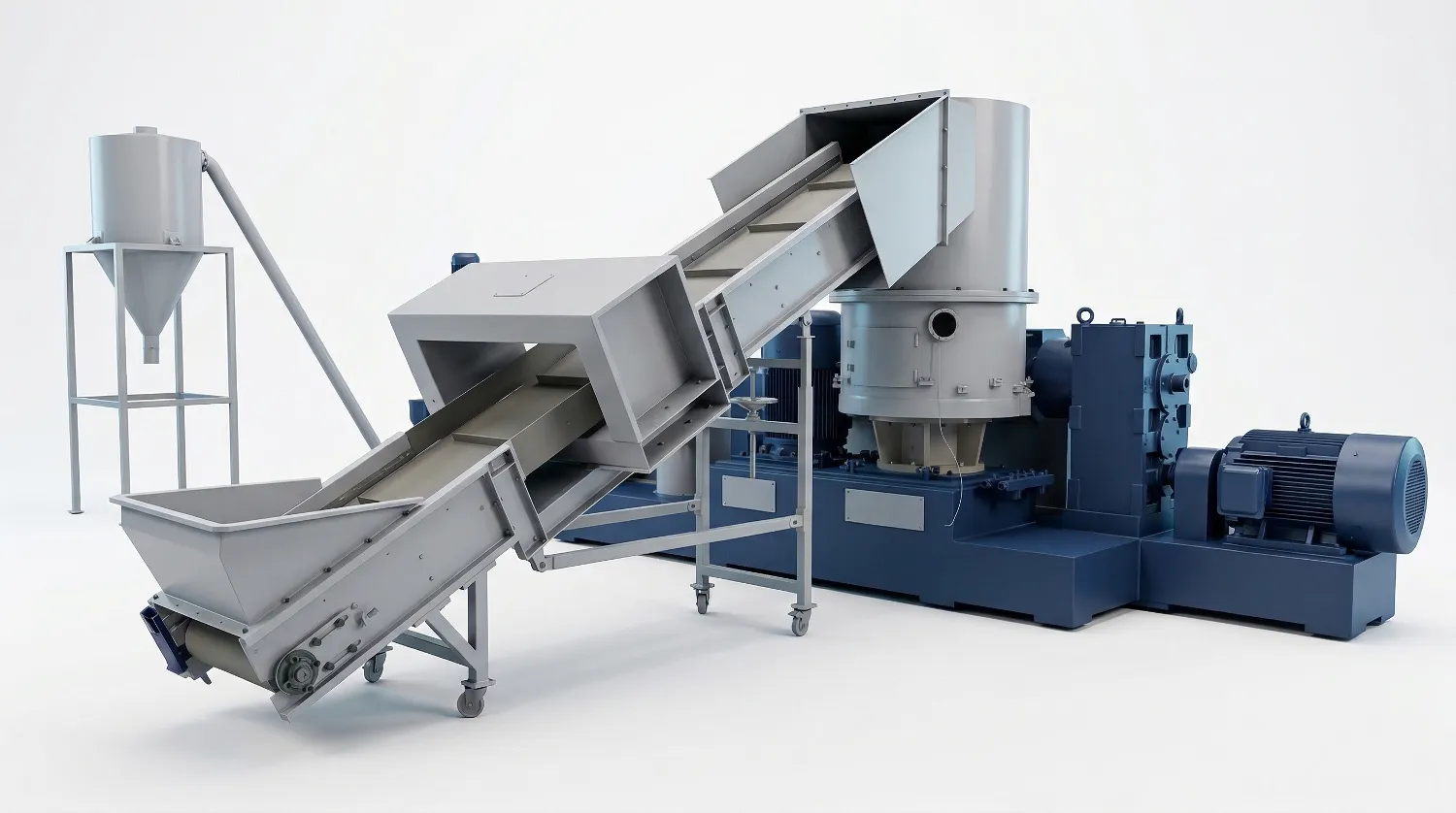
لماذا تختار خط تكوير BOPP هذا؟
فيلم BOPP رقيق، وسلس، وذو كثافة منخفضة، لذلك فإن التغذية المستقرة والتحكم في الرطوبة أمران أساسيان. تم تصميم هذا الخط لتحسين الإنتاجية، وتقليل النفايات، وتقديم كرات قابلة لإعادة الاستخدام ونظيفة.
إنتاجية أعلى
تحسين الضغط وتغذية السكرب يساعد على زيادة إنتاج خط العمل وتحسين السعة الإجمالية لإعادة تدوير أفلام خفيفة الوزن من نوع BOPP.
استهلاك طاقة أقل
تكوين القيادة الفعال وتقليل المواد وتشكيلها بشكل متحكم فيه يقللان من فقد الطاقة غير الضروري مقارنةً بأنظمة أقل تكاملاً.
تشغيل أكثر أتمتة
تم تصميم الخط للتشغيل المستمر مع الحد الأدنى من التدخل اليدوي، مما يساعد المصانع على التشغيل بشكل أكثر اتساقًا مع عدد أقل من المشغلين.
تجانس أفضل للحبيبات
نعم، يمكننا توفير مثل هذه الميزات في معدات إعادة تدوير البلاستيك لدينا. نحن مورد موثوق لمعدات التصنيع الصناًعي ومورد مجهز بأحدث التتكولوجيا المتقدمة لتلبية احرف متغلفة من متطلعات السواء المحلية والدولية.متطلات السواء المحلية والدضيقة.المطلوبات المحلية والدولية.
إزالة فعالة للرطوبة والغازات
التنقية بالفراغ ذو النطاق المزدوغ يساعد على إزالة الرطوبة المتبقية والمكونات المتطايرة قبل أن يتحول السال المنصهر إلى منتجات حبيبات نهائية.
مناسبة لتغذية الأفلام الصعبة
ضاغط القطع تساعد هذه التكنولوجيا في التغلب على التحديات المتعلقة بالتغذية التي يسببها انخفاض الكثافة الظاهرية لفيلم BOPP وعدم استقرار التغذية المباشرة عبر اللولب.
أنواع الأفلام والمواد الخام المناسبة BOPP
نعم، يمكن تهيئة خط التكرير هذا للتعامل مع طبقات أفلام BOPP المختلفة، بدءًا من نفايات البلاستيك الصناعية الأنظف إلى أفلام التغليف المطبوعة بكثافة والأكثر صعومة في المعاللة.
فيلم BOPP المطبوع
نعم، يمكن استخناء هذا النوع من الآلات لتلبية احتيازات المعالجة المناسبة لنفايات أفلام التغليف الشائعة التحتوية على بقايا طباعة، حيع توفر هذه ال.
فيلم ذو تغطية طباعية كثيفة
الترشيح التفاعلي للحرارة يمكن أن يساعد في التعامل مع كميات أكبر من الحبر عندما يتم تطبيته بشكل صحيح مع خصائص المادة.
فيلم مغسول ونظيف
الأفلام المغسولة من نوع BOPP عادةً ما تضمن إنتاج كرات حبيبات أكثر استقراراً ومستوى أدنى من التلوث أثناء مرحلة البثق.
فيلم BOPP المعدني
للمواد المعدنية المضافة، يمكن معالجتها باستخمال أساليب تصفية مناسبة وظروف تشغيل محددة بناءً على مستوى التحمل تجاه التلوث.
لفائف وقصاصات سائبة وحزم
يمكن تعديل أنظمة التغذية لتتناسب مع الأفلام البلاستيكية المفككة، والنفايات المجمعة، والخردة المغذاة عبر الأسطوانات وفقًا لتخطيط المصنع وطريقة المعاللة.
دليل المعالجة المسبقة ذي الصلة
بالنسبة للبلاستيك المرن الخفيف الوزن، فإن دليل آلة تجميع الأفلام البلاستيكية نعم، هذا صحيح. إن استراتيجية التكثيف تُعد مرجعًا مفيدٌ أيضًا لتحسين كفاءة عمليات إعادة تدوير البلاستيك.
كيف يعمل خط إعادة تدوير فيلم البولي بروبيلين الباراميديوم (BOPP)؟
يبدأ العملية من تحويل الفيلم الباراميديوم البسيط إلى كريات إعادة التدوير النهائية من خلال الضغط، الطباعة، الفلترة، تحويل الكريات، التجفيف، والخزن.
تغذية المواد
يتم تسليم بقايا فيلم البولي بروبيلين الباراميديوم إلى الخط من خلال نظام تغذية مبرمج.
الدمك
يتم تثخين الفيلم لتحسين كثافة الحجم وإنشاء ظروف تغذية أكثر استقرارًا للمضخة.
البثق وإزالة الغازات
يذوب المواد بمضخة مخصصة بينما يزيل التبخر بالفراغ الرطوبة والغازات volatiles.
الترشيح
تزيل الفلترة بالرطوبة الورق، بقايا الحبر، والملوثات الأخرى قبل تشكيل الكريات.
التحبيب
يصنع وحدة قطع رأس الدائرة المائية الكريات الكثيفة والمتساوية مباشرة عند الرأس.
التجفيف
يزيل التجفيف بالاهتزاز الرطوبة السطحية من الكريات النهائية.
تخزين
يحول النقل الهوائي الكريات الجافة إلى خزانات أو صناديق تخزين للجمع.
مواصفات خط إعادة تدوير بولي بروبيلين الباراميديوم (BOPP) العادي
يتم اختيار نموذج المضخة بناءً على نظافة الفيلم، مستوى الطباعة، كثافة الحجم، والإنتاجية الساعةية المستهدفة. هذه الأرقام تمثل تكوينات مرجعية شائعة.
| الطراز | قطر المسمار | الناتج (كجم/ساعة) |
|---|---|---|
| إي إم جي إل 85 | 85 مم | 180 – 250 |
| إي إم جي إل 100 | 100 مم | 300 – 400 |
| إي إم جي إل 130 | 130 مم | 500 – 600 |
| إي إم جي إل 160 | 160 مم | 700 – 800 |
| إي إم جي إل 180 | 180 مم | 1000 – 1500 |
اسحب أفقياً لعرض الجدول بالكامل على الجوال.
شاهد خط إعادة تدوير فيلم البولي بروبيلين الباراميديوم (BOPP) في العمل
شاهد عملية التدفق الكامل من تغذية الفيلم إلى تحويل الكريات وobserve كيفية التعامل مع الخط مع المواد الباراميديوم البارزة.
معرض المنتجات
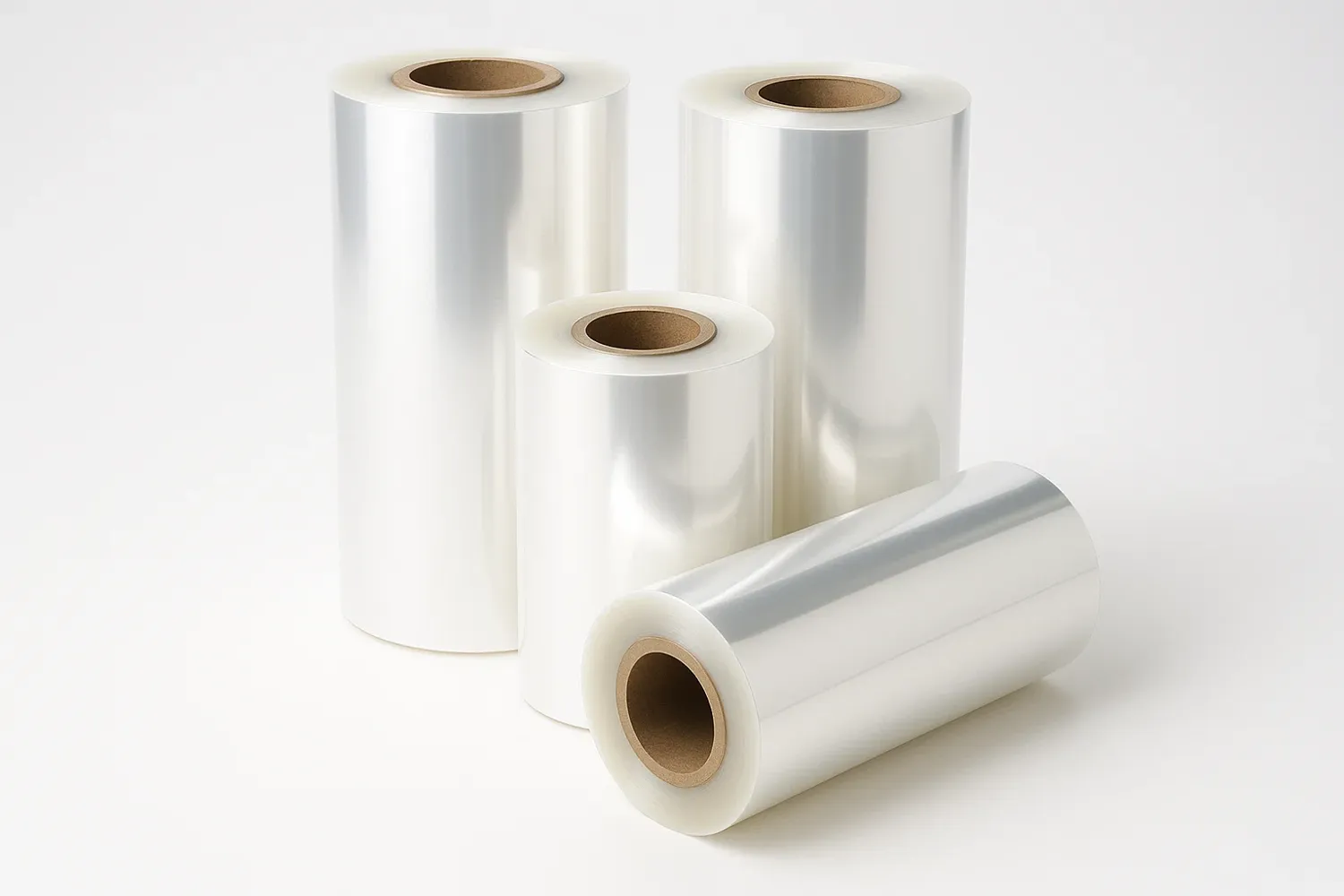
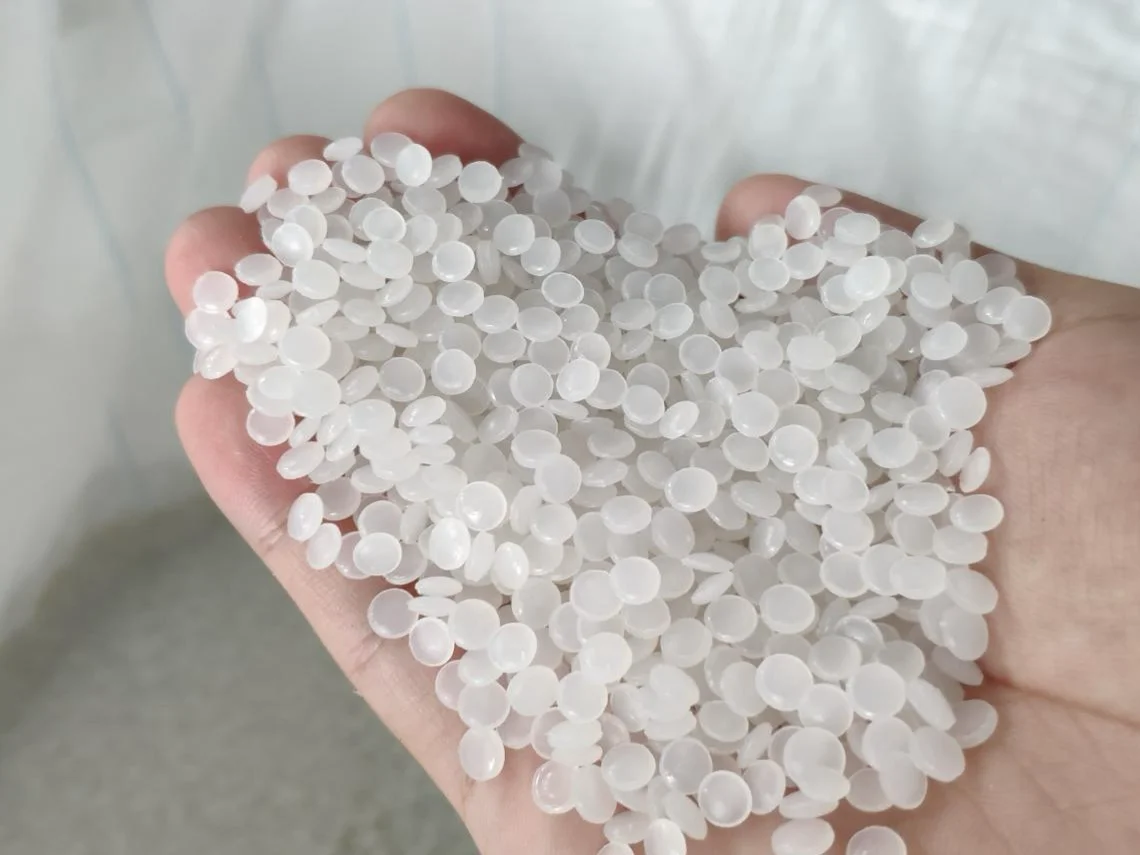
أمثلة تمثيلية على المواد والمنتجات النهائية لمشاريع إعادة تدوير أفلام BOPP، بدءًا من لفائف الأفلام الواردة وصولاً إلى حبيبات البولي بروبيلين (PP) الجاهزة القابلة لإعادة الاستخدام.
أسئلة شائعة حول إعادة تدوير فيلم البولي بروبيلين الباراميديوم (BOPP) - FAQs
إجابات على الأسئلة الرئيسية حول توافق المواد، استقرار العملية، استهلاك الطاقة، و جودة الكريات.
هل أنت مستعد لتحسين إنتاجية إعادة تدوير فيلم البولي بروبيلين الباراميديوم (BOPP)؟
أخبرنا عن حالة المواد، مستوى الطباعة، ملف التلوث، والإنتاجية الساعةية المستهدفة. سنقترح تكوين تحويل مخصص لمصنعك.