

خط إنتاج إعادة تدوير نفايات رغوة EVA وتحويلها إلى حبيبات
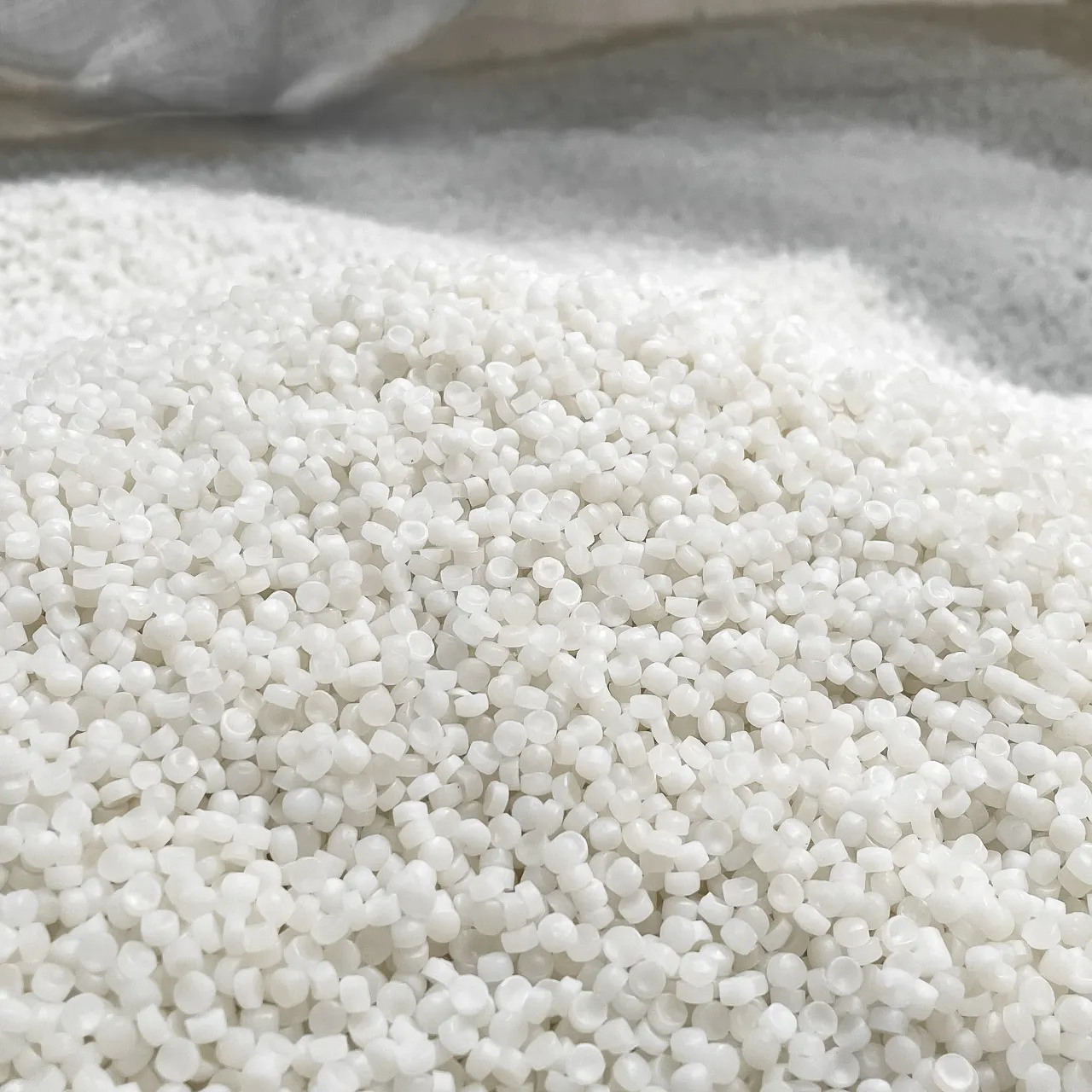
حوّل مخلفات رغوة EVA الخفيفة ونعال الأحذية وقصاصات القوالب ونفايات الإنتاج إلى حبيبات كثيفة قابلة لإعادة الاستخدام. يدمج الخط تقليل الحجم والكبس والبثق وإزالة الغازات والتكوير لتثبيت التغذية وتحسين جودة الحبيبات.
شاهد سير عمل تكوير رغوة EVA
شاهد كيف يتعامل الخط مع النفايات الكبيرة EVA، ويضغط المادة، وينتج حبيبات نهائية مناسبة لإعادة الاستخدام في التصنيع.
المزايا الرئيسية لإعادة تدوير رغوة EVA
EVA، الرغوة خفيفة، ومرنة، وصعبة التغذية مباشرة في المكبس. تم تصميم هذا الخط لتحقيق استقرار التغذية، والحفاظ على جودة الحبيبات، واستعادة المزيد من القيمة من النفايات الإنتاجية.
حل مشكلة ازدحام الحوض
تم تصميم الخط للنفايات الرغوية ذات الكثافة المنخفضة ويساعد على منع انقطاعات التغذية الناجمة عن تراكم وتكوين الجسور من النفايات الفوضوية EVA في الحوض.
معالجة متكاملة 3-في-1
تنسيق عمليات التقطيع، والضغط، والقولبة في سير عمل واحد، مما يساعد على تقليل المساحة المطلوبة، وتبسيط نقل المواد، وخفض استهلاك الطاقة الإجمالي.
إنتاج ثابت للحبيبات
نعم، يمكننا توفير مثل هذه الخدمات. نحن نقدم حلولًا شاملة لمعدات إعادة تدوير البلاستيك، بما في ؋المعدات الأساسية مثل آلات إعادة تشكيل البلاستيك وخطوط إعًاً، بالإضحاء إلى الأجزاء الإضافية ممثلة في أنظمة التغسيل وخطوًا للطحن وس.
استعادة عالية للمواد
يمكن إعادة تدوير مخلفات قص الإنتاج وبقايا نعال الأحذية ونفايات EVA المقطوعة بالقوالب إلى شكل حبيبات لإعادة استخمالها في تصنيع المنتجات اللاحقة.
مصهور أنظف وإزالة غازات أفضل
نظام التهوية المصمم بعناية والذوبان المُنظَّم يساعدان في إزالة الرطوبة والبقايا المتطايرة مع الحفاظ في الوقت نفسه على الخصائص المتعلقة بالمرونة لدى مادة EVA.
إزالة مستمرة للملوثات
تغيير الشاشة الهيدروليكي نظام التقطيع بواسطة حلقة الماء يدعم العمليات المستمرة ويقلل من تصاق الحبيبات أثناء عملية تكوين الحبيبات النهائية.
طريقة عمل خط تكوير رغوة EVA
نبدأ العملية بتقليل الحجم، ثم نكثف الرغوة خفيفة الوزن، وأخيرًا نذيب المادة ونصفيها ونحولها إلى حبيبات EVA عالية الكثافة قابلة لإعادة الاستخدام.
تقليل الحجم الأساسي
نقوم بتحويل كتل الـ EVA الضخمة والألواح السميكة والتجمعات المطرزة إلى قطع أصغر يسهل التعامل مبرزين بذلك تثير تدفق المواد بشكةً أستمراً.
ضغط وتكثيف
المكبس المقطع يستخفظ في حرارة الاحتكاك لتحويل الرغوة إلى حالة شبه مبلمرة وزيادة الكثافة الحجمية قبل مرحلة البثق.
البثق والتكوير
يتم تصفية وامتصاص الغاز وتشكيل حبيبات من الزيت المصهور EVA من خلال نظام قطع الوجه، مما يضمن إنتاجًا ثابتًا للحبيبات.
تدفقات النفايات والمراحل الموصى بها EVA
نعم، يمكن تهيئة هذا الخط لتلبية متطلات مختلف أنواع رغوة EVA ومستويات التلوث وظروف التغذية، وذلك عبر استخفال المعدات اللازمة في المراحل السابقة من العملية والمعدات المساعدة المناسبة.
نفايات EVA كبيرة الحجم
يتم تحضير الكتل الكبيرة وألواع الرفض والرغوة المتكتلة عادةً باستخمال مطحنة تقسيم بمحور واحد لتحقيق تغذية مستقرة للخط
نفايات نعال الأحذية والقص بالقوالب
يمكن استخدام بقايا صناعية، والقطع الزائدة، والنفايات كمدخلات عندما يتم التحكم في الكثافة الحجمية قبل التشكيل.
مرحلة الضغط المتكاملة
ال ماكينة تقطيع وتحبيب متكاملة يساعد على تكثيف الرغوة وتحسين استقرار التغذية باللولب.
الترشيح وتشكيل الحبيبات
هيدروليكي مغير الشاشة و مرحلة التجليد بالماء تساعد في الحفاظ على نظافة الأقراص وتقليل الالتصاق.
رغوة EVA المتشابكة
نعم، يمكن عادةً معالجة الـ EVA المرتبطة بشبكة متقاطعة، لكن يجب اختبار الدرجات ذات الترابط المتقاطع العالي أولاً لتأكيد نطاق درجة الحرارة المناسب واستقرار الإنتجية.
خيار المعالجة المسبقة ذي الصلة
For bulky foam sheets and offcuts, watch our EVA foam sheet shredding machine trial run for primary size reduction.
المعدات الرئيسية وإنتاج الحبيبات
يجمع مشروع تدوير الزجاجات EVA النموذجي بين مفرز مسبق للنفايات الكبيرة ومرحلة تدوير مصممة لإنتاج كرات كثيفة وقابلة لإعادة الاستخدام.
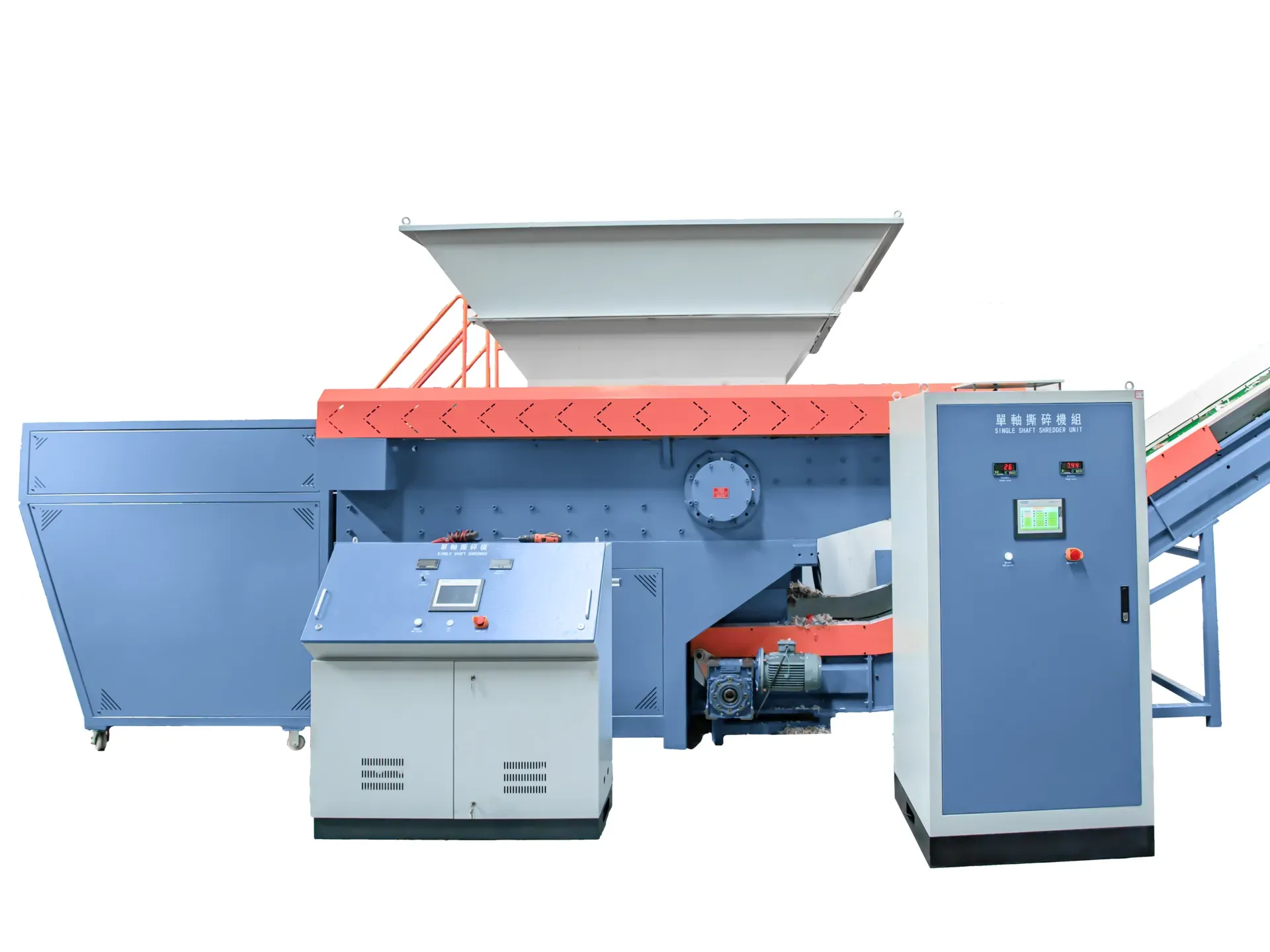
المواصفات النموذجية لخط تكوير EVA
نماذج مرجعية لتطبيقات إعادة التدوير EVA. يعتمد الإنتاج الفعلي على كثافة المواد المدخلة، ومحتوى الرطوبة، ومستوى التلوث، ومستوى التشابك.
| سلسلة النماذج | قطر المسمار (مم) | قوة المحرك (كيلوواط) | الناتج النموذجي (كجم/ساعة) |
|---|---|---|---|
| إيفا-ريبرو-85 | 85 | 37 – 45 | 180 – 250 |
| إيفا-ريبرو-100 | 100 | 55 – 75 | 300 – 450 |
| إيفا-ريبرو-120 | 120 | 90 – 110 | 500 – 650 |
| إيفا-ريبرو-160 | 160 | 132 – 160 | 800 – 1000 |
اسحب أفقياً لعرض الجدول بالكامل على الجوال.
يمكن تخصيص المواصفات بناءً على مستوى الرطوبة، والكثافة الحجمية، وملف التلوث الخاص بمادة EVA.
الأسئلة الشائعة حول تكوير نفايات رغوة EVA
إجابات على الأسئلة الأكثر شيوعًا حول معالجة الزجاجات EVA، واختيار آلة التدوير المناسبة، واستقرار إنتاج الخط.
جاهز لإعادة تدوير رغوة EVA بكفاءة أكبر؟
أرسل لنا صورًا لموادك، والحد الأقصى للإنتاج بالساعة، وتفاصيل التلوث. يمكننا اقتراح التخطيط المناسب لعملية إنتاج حبيبات EVA، وتنظيم تقييم للمواد إذا لزم الأمر.