

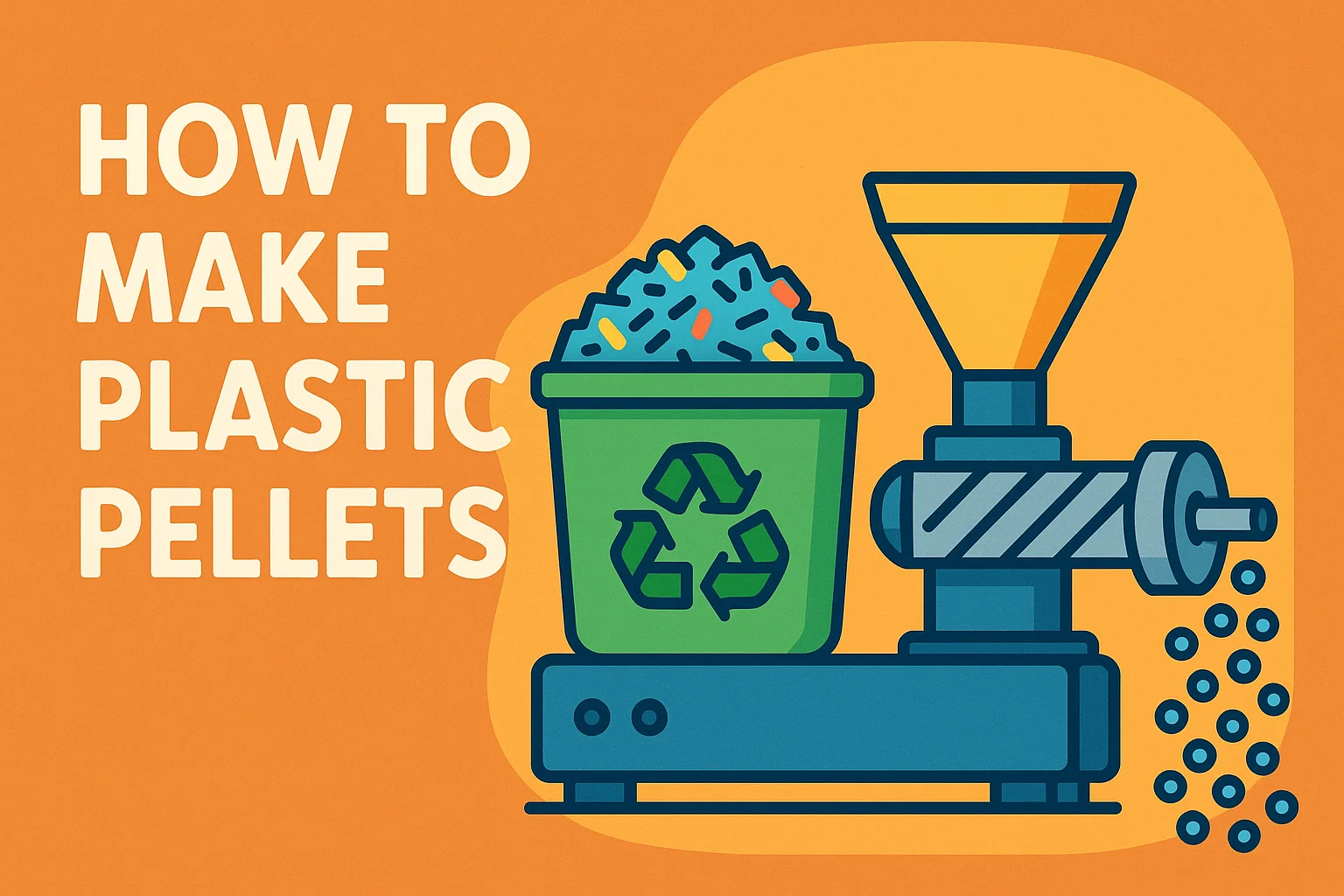
كيفية صنع حبيبات بلاستيكية: دليل خطوة بخطوة لمنتجات PET وHDPE وLDPE
البوليمرات الخشنة (الجسيمات) هي المواد الخام القياسية للصب بالحقن والتفجير، التي تنتج على plastic pellet making machines. If you
recycle PET bottles, HDPE containers, or LDPE films,
يمكنك تحويل النفايات إلى مادة متسقة، قابلة للبيع، ولكن فقط عندما تتحكم في التلوث، الرطوبة،
melt quality, and cutting stability.
يشرح هذا الدليل عملية تحويل البوليمرات بالكامل مع نقاط التحقق جاهزة للشراء، ويوضح ما يجب البحث عنه
for in a professional التحبيب
خط.
المراحل الأساسية: الفرز ← التقطيع ← الغسل ← التجفيف ← البثق ← التكوير
المخاطر الحرجة: البوليمرات المختلطة، الرطوبة، ضعف الترشيح، القطع غير المستقر
هل تحتاج إلى خط إنتاج حبيبات يتناسب مع المواد التي تستخدمها والإنتاج المستهدف؟
انظروا إلى ملخص معدات تحويل البلاستيك لدينا وتكويناتها المعتادة (النفايات الصلبة، الفيلم، المطبوع
waste, degassing + filtration).
مُحَوِّلات حبيبات البلاستيك من إنتاج Energycle |
2026 Machine
Price List
عملية التكوير المكونة من 7 خطوات (ما الذي يتحكم فعلياً في جودة الكريات)
If you want stable, saleable pellets, treat each step as a quality gate. Problems usually start early
(التصنيف/الرطوبة) وتظهر لاحقاً فقط (نقاط سوداء، فقاعات، رائحة، كرات ضعيفة).
1التجميع والفرز (منع التلوث قبل حدوثه)
تقوم بحماية جودة الكرات عن طريق فصل البوليمرات والألوان مبكرًا. تيارات مختلطة من PET/PE/PP
create unstable melting,
ممتلكات غير متسقة، وكرات “غير مواصفة” التي يرفضها المشترين.
- يتم الفصل حسب البوليمر: PET vs. HDPE vs. LDPE film must run on different
settings (and often different feeding setups). - إزالة المعادن: تمنع المغناطيسات وأجهزة الكشف عن المعادن تلف البرغي/البرميل.
- التعامل مع زجاجات البولي إيثيلين تيريفثالات (PET) بشكل صحيح: remove caps/labels; use float/sink separation
(PET sinks; most caps/labels float).
2التقطيع / التحبيب (لجعل العلف متجانساً)
تود أن تحصل على حجم حبيبات متساوٍ لتحسين عملية الغسل وتوفير تدفق مستقر للمضخة. الحبيبات الكبيرة
pieces melt unevenly and destabilize pressure.
- الهدف النموذجي للرقائق: يتراوح طولها بين 5 و 12 ملم تقريبًا حسب نوع البوليمر والنظام.
- الأفلام تحتاج إلى معاملة خاصة: الغشاء اللين من LDPE/PP يمكن أن يربط ويمنع
extruder unless you densify/compact it. - نقطة تفتيش المشتري: ask whether the line includes film
compaction/densification for stable feeding.
3الغسيل (أرخص طريقة لتحسين قيمة الحبيبات)
الحبيبات النظيفة تذوب بشكل أكثر تناسقًا وتنقى بسهولة أكبر. البقايا (الزيت، الغراء، الرمل، الورق)
create odors, smoke, black specs, and die buildup.
- الوحدات النمطية المشتركة: friction washer, float/sink tank, hot wash (as needed),
rinsing. - ملاحظة خاصة بـ PET: sugars/adhesives and label glue matter; poor cleaning shows up as
yellowing and specks. - ملاحظة حول غشاء البولي إيثيلين منخفض الكثافة: agricultural film often needs more aggressive washing due
to soil contamination.
4التجفيف (التحكم في الرطوبة = عملية بثق مستقرة)
تزيل المياه قبل الذوبان. المياه تتحول إلى بخار، تخلق فقاعات، وقد تؤدي إلى تدهور
certain polymers—especially PET.
- نزح المياه ميكانيكياً: مجفف الطرد المركزي يزيل المياه السطحية بسرعة.
- التجفيف الحراري: hot-air or desiccant drying improves stability; PET
typically needs the strictest moisture control. - نقطة تفتيش المشتري: طلب نطاقات الرطوبة المستهدفة وكيف يتحقق الخط من ذلك
them (monitoring, sensors, process control).
5البثق (لإنتاج مصهور نظيف ومتجانس)
المضخة تقوم بذوبان، خلط، ضغط وتثبيت الخليط لتحويله إلى قاطع. الخليط الثابت
reduces die pressure swings and pellet size drift.
- استقرار درجة الحرارة: correct heating zones + screw design prevent burning
and under-melting. - إزالة الغازات (فتحة تهوية بالتفريغ): removes volatiles/moisture/odor sources—especially
helpful for printed or slightly wet feed. - الترشيح: حزم الشاشة + مغيرات الشاشة stop unmelted contaminants from
reaching pellets.
6عملية التكوير (طريقة التقطيع تحدد تجانس الحبيبات)
تتحول المواد البلاستيكية السائلة إلى قاطع متساوٍ. اختيارك بين السلك أو رأس القطع يؤثر
throughput stability, pellet shape, and ease of operation.
- ستراند: صهر ← خيوط ← حمام مائي ← قاطع. طريقة بسيطة وشائعة الاستخدام.
- وجه القالب (حلقة الماء): قطع عند الرأس; مثالي للعمل المستمر وال
common in PE/PP recycling. - نقطة تفتيش المشتري: اسأل كيف يتحكم النظام في طول القاطع عند الإنتاج
fluctuates (cutter speed control, pressure feedback).
7التبريد والتجفيف وضمان الجودة (تقديم منتج يمكن للمشترين استخدامه)
تبرد القاطع، إزالة الرطوبة السطحية، وتنظيف الحبيبات الصغيرة/الكبيرة. ثم تتحقق من المعايير الرئيسية
metrics that buyers care about.
- تجفيف الكريات: مجفف الطرد المركزي or air drying prevents clumping and
improves packaging. - الفحص: يزيل الجزيئات الدقيقة/الكبيرة الحجم لضمان تغذية متسقة في اتجاه مجرى النهر.
- أمثلة على ضمان الجودة: appearance (specks), moisture, melt flow index (MFI), bulk
density (as required by buyers).
ملاحظات خاصة بالمواد (PET مقابل HDPE مقابل LDPE)
| مادة | ما الذي يحدث عادةً بشكل خاطئ؟ | يجب عليك التحكم فيه | ما الذي يجب أن تسأله لمورد المعدات الخاص بك؟ |
|---|---|---|---|
| حيوان أليف | التدهور الناتج عن الرطوبة، والاصفرار، والحبيبات الهشة، وعدم اتساق مؤشر اللزوجة/مؤشر تدفق الذوبان | تجفيف دقيق، وثبات في درجة الحرارة، وترشيح نظيف | هدف التجفيف وطريقته، وتكوين إزالة الغازات، واستراتيجية الترشيح، وتصميم البرغي |
| البولي إيثيلين عالي الكثافة | تلوث اللون، ورائحة من الرواسب، وبقع سوداء ناتجة عن ضعف الترشيح | جودة غسيل ممتازة، ذوبان ثابت، تغيير شاشة موثوق | نوع مبدل الشاشة، متانة المحرك/علبة التروس، ميزات استقرار ضغط الذوبان |
| فيلم البولي إيثيلين منخفض الكثافة | عدم استقرار التغذية (التجسير)، وتدفق الذوبان، وضعف التحكم في حجم الحبيبات | مزايا التكوير بالضغط/التكثيف، والتغذية المنتظمة، وتقنية التكوير على وجه القالب | هل يتضمن خط الإنتاج مكبسًا؟ وكيف يمنع تكوّن طبقة رقيقة من الأغشية؟ ما نوع جهاز التكوير الموصى به؟ |
سيقوم “البحث عن المشاكل” داخل الطباعة. النظام الجيد يساعد، لكنه لا يمكن أن يحقق معجزة في الحالة غير المتحكم فيها
input.
طرق التكوير: التكوير بالخيط مقابل التكوير بالوجه (حلقة الماء)
كلا الطريقتين يمكن أن ينتجا كرات رائعة. الاختيار الصحيح يعتمد على بوليمرك، النظافة،
القدرة على التدفق، وكيفية استقرار تدفق الصبغة.
- سير عمل بسيط: تُترك الخصلات لتبرد في حمام مائي قبل قصها.
- سهولة الصيانة: مستخدمة على نطاق واسع، ومعروفة لدى معظم المشغلين.
- الأنسب: تدفق ذوبان مستقر ومواد خام أنظف.
تنبيهات: انقطاع الخصلات، وعدم انتظام تدفق الخصلات، وتوقف العمل إذا انقطعت الخصلات بشكل متكرر.
- القطع المستمر: cuts at the die face; often handles output variations
better. - تصميم مضغوط: نظام تبريد ونقل متكامل.
- الأنسب: خطوط إنتاج البولي إيثيلين/البولي بروبيلين والأغشية حيث يكون التشغيل المستقر والمستمر أمراً بالغ الأهمية.
ملاحظات: يتطلب إدارة رأس الطباعة بشكل صحيح وتحكم عملية مستمر للحصول على كرات أفضل
shape.
If you recycle mixed-quality film or want a smoother continuous operation, die-face pelletizing often
reduces sensitivity to strand handling issues.
إذا كانت صبغتك مستقرة وأردت تكوين بسيط، يظل الطباعة بالشريط خيارًا
reliable choice.
آلة تحبيب البلاستيك: أنواعها، وتكاليفها، وكيفية اختيارها
أ بلاستيك
آلة التحبيب يحوّل رقائق البلاستيك النظيفة أو الفيلم إلى كريات متجانسة جاهزة لـ
التصنيع. اختيارك لنوع مكبس الكريات يؤثر على شكل الكريات، استقرار الإنتاج، الحاجة إلى العمل
والاستثمار الإجمالي. إليك مقارنة عملية بناءً على عمليات إعادة التدوير في العالم الحقيقي.
مُحَبِّز الحلقة المائية مقابل مُحَبِّز الخيوط: أيهما يناسب عملياتك؟
| عامل | آلة تكوير الخيوط | مُحَوِّلُ الحُبيبات الحلقي المائي | آلة التكوير تحت الماء |
|---|---|---|---|
| كيفية عملها | يُبثق المصهور إلى خيوط ← يُبرد في حمام مائي ← يُقطع دوارًا | يتم القطع عند سطح القالب ← تقوم حلقة الماء بتبريد ونقل الكريات | يُقطع تحت الماء عند وجه القالب ← تتصلب الحبيبات على الفور |
| شكل حبيبي | أسطواني | كروي / شبه كروي | كروي |
| أفضل لـ | مواد معاد تدويرها صلبة (HDPE، PP، ABS) ذات انصهار مستقر | أغشية البولي إيثيلين/البولي بروبيلين، مواد بلاستيكية لينة، خطوط متصلة | المزج عالي الإنتاجية، والبلاستيك الهندسي |
| السعة النموذجية | 100-2000 كجم/ساعة | 100-1500 كجم/ساعة | 500–5000+ كجم/ساعة |
| نطاق الأسعار (بالدولار الأمريكي) | $10,000–$80,000 | $20,000–$120,000 | $50,000–$300,000+ |
| يحتاج حزب العمال | إدخال الخيوط يدويًا عند بدء التشغيل؛ ومراقبة أي انقطاعات. | مؤتمتة في الغالب؛ تدخل المشغل محدود | مؤتمت بالكامل؛ يتطلب إعدادًا من قبل مهارة |
| صيانة | تغيير الشفرات بسهولة؛ منخفض صيانة cost |
إدارة سطح القالب؛ صيانة معتدلة | صيانة أعلى؛ قطع غيار متخصصة |
آلة التكوير يقدم الاستثمار الأدنى. للإعادة التدوير للفيلم البلاستيكي PE/PP حيث العمل المستمر
matters, a water ring system reduces strand-handling headaches. See our full التحبيب
methods comparison للحصول على تفاصيل فنية أعمق.
نظام التقطيع والضغط والتكوير: الإعداد المفضل لدى شركات إعادة تدوير الأفلام
أ مضارب قطع pelletizing system combines four functions in one integrated unit: cutting,
الضغط، التبلور، والتكريير. السكاكين الدوارة عالية السرعة داخل غرفة الكومبريسور
shred and densify film scraps through frictional heat—bringing the material just below its melting
point—then force-feed it directly into the extruder screw. This eliminates the bridging and
feeding instability that plagues conventional film recycling setups.
- أغشية التمدد المصنوعة من البولي إيثيلين منخفض الكثافة/البولي إيثيلين الخطي منخفض الكثافة والأغشية الزراعية
- أكياس منسوجة من البولي بروبيلين والرافيا
- فيلم مطبوع أو مغلف بطبقة واقية مع وجود مخاوف تتعلق بالرائحة/المواد المتطايرة
- فيلم مختلط معاد تدويره بعد الاستهلاك برطوبة متفاوتة
- نظام أحادي المرحلة: $45,000–$150,000
- مرحلتان (مع إزالة غازات إضافية): $80,000–$250,000
- نطاق السعة: 200–1500 كجم/ساعة
- مقارنة الخيارات: بولي إيثيلين/بولي بروبيلين
film pelletizing machines
خط إنتاج حبيبات البلاستيك: ما يتضمنه النظام الكامل
A plastic pelletizing line is not a single machine—it is a coordinated system of modules that
تحويل النفايات البلاستيكية الخام إلى كريات قابلة للتسويق. تكوين التحديد يعتمد على مادتك،
مستوى التلوث، وهدف الإنتاج. إليك ما تشملة خط العادة وما تكلفة كل مرحلة.
| منصة | معدات | وظيفة | التكلفة التقريبية (بالدولار الأمريكي) |
|---|---|---|---|
| 1. تقليل الحجم | مقطع / كسارة | قم بتقليل حجم البلاستيك إلى رقائق يتراوح حجمها بين 5 و 12 ملم | $3,000–$25,000 |
| 2. الغسيل | غسالة بالتدريب, خزان طافي |
قم بإزالة الأوساخ والملصقات والغراء والزيت | $15,000–$200,000 |
| 3. التجفيف | مجفف طرد مركزي، مجفف حراري | قلل الرطوبة إلى ما دون عتبة البثق | $5,000–$30,000 |
| 4. البثق | برغي واحد أو طاردة ذات لولب مزدوج |
الصهر، الخلط، إزالة الغازات، الترشيح | $10,000–$250,000 |
| 5. التكوير | قاطع الخيوط / حلقة الماء / وجه القالب | قطّع البلاستيك المنصهر إلى حبيبات متجانسة | $5,000–$80,000 |
| 6. التبريد وضمان الجودة | ناقل تبريد، غربال اهتزازي، صومعة | برد، ونظف السطح جيدًا، ثم خزنه للتعبئة. | $3,000–$15,000 |
costs $50,000–$150,000. Medium-capacity lines (500–1,500 kg/h) run $150,000–$350,000.
للأسعار التفصيلية حسب الطاقة الإنتاجية والنوع المادي، انظر لدينا 2026 plastic
recycling machine price list. للاطلاع على تحليل تكلفة خاص بآلة التكوير، اقرأ what
drives pelletizer prices.
الحبيبات مقابل الكريات: ما الفرق؟
تستخدم مصطلحات "الكريات" و"الجسيمات" غالبًا بشكل متبادل في إعادة تدوير البلاستيك، ولكنها تشير
إلى منتجات مختلفة بعمليات إنتاجية وقييمات سوقية متباينة.
| مميزة | حبيبات بلاستيكية | حبيبات بلاستيكية (معاد تدويرها) |
|---|---|---|
| شكل | أسطواني أو كروي منتظم (3-5 مم) | شظايا غير منتظمة وزاوية |
| طريقة الإنتاج | البثق ← ترشيح الذوبان ← التكوير (قطع الخيوط أو وجه القالب) | التقطيع أو الطحن دون إذابة |
| تناسق | حجم وكثافة وتدفق ذوبان موحد | حجم وكثافة متغيرة |
| التغذية في اتجاه مجرى النهر | جرعات ثابتة ويمكن التنبؤ بها في الحقن/البثق | قد يؤدي إلى تداخل أو تغذية غير متساوية |
| سعر السوق | أعلى - يدفع المشترون علاوة مقابل الاتساق | أقل - يقتصر على المشترين القادرين على التعامل مع التقلبات |
| أفضل حالة استخدام | البيع للمصنعين الذين يحتاجون إلى مواد جاهزة للإنتاج | إعادة الاستخدام الداخلي أو المزج مع الراتنج الخام |
flakes adds $50–$200/ton in processing cost but typically earns $100–$400/ton more than
loose regrind. The مزايا
and limitations of recycled pellets يعتمد ذلك بشكل كبير على جودة المواد الخام والسوق المستهدف.
دليل اتخاذ القرار: كيفية اختيار نظام التكوير (مع إعطاء الأولوية للمشتري)
إذا كنت ترغب في تقليل المفاجآت بعد الشراء، قم بالاختيار من المواد للخلف وليس من المطبوعة
forward.
استخدم هذه القائمة لتحديد تكوين خطتك مع مادتك الخام وأهداف مبيعاتك للبوليتيرفينات
أحدد واقع مدخلاتك
- نوع (أنواع) البوليمر: PET / HDPE / LDPE / مختلط؟
- الشكل: إعادة طحن صلبة، رقائق، غشاء، نفايات مطبوعة، ما بعد الاستهلاك؟
- التلوث: الورق/الملصقات، الرمل، الزيت، الرطوبة، خطر المعادن؟
Bحدد متطلبات الإخراج الخاصة بك
- الأسواق المستهدفة: إعادة الاستخدام الداخلي مقابل بيع الكريات للمشترين؟
- الجودة: مدى تحمل الشوائب، مدى تحمل الروائح، ثبات اللون؟
- الاختبارات المطلوبة: مؤشر تدفق الذوبان، الرطوبة، الكثافة الظاهرية، إلخ؟
Cقم بمطابقة الوحدات "الضرورية".
- فيلم: جهاز ضغط/تكثيف لمنع التكتل وتثبيت التغذية.
- خطر الطباعة / الرائحة: إزالة الغازات (فتحة تهوية بالتفريغ) لإزالة المواد المتطايرة.
- تغذية غير نظيفة: stronger filtration + practical screen change method to
maintain uptime.
Dحماية وقت التشغيل والتكلفة الإجمالية
- تأكد من مواد علبة التروس، والبرغي/الأسطوانة، و wear
parts strategy. - اسأل عن كيفية تعامل النظام مع ارتفاعات الضغط المفاجئة والأجسام الغريبة.
- تقييم سهولة الاستخدام: سهولة الوصول، وقت التنظيف، منطق التحكم.
pelletizing control.
إذا كنت تقوم بمعالجة البولي إيثيلين تريهيدروكسى، تقدم على تنظيم عملية التجفيف، استقرار درجة الحرارة، والفعالية
degassing/filtration.
لماذا يختار المشترون Energycle (ما الذي تكسبه في التشغيل الفعلي)
You don’t buy a pelletizer to “own a machine.” You buy it to run stable production, hit output targets,
وقدم بوليتيرفينات يقبلها العملاء.
تركز إnergycle على الهندسة العملية التي تحمي وقت التشغيل الخاص بك جودة البوليتيرفينات.
- التكوينات المتوافقة مع المواد: we recommend layouts based on your
feedstock (rigid vs. film vs. PET). - التركيز على استقرار الجودة: process control + filtration/degassing options
reduce specks, bubbles, and odor risks. - عقلية وقت التشغيل: robust core components and practical maintenance design to
reduce unplanned stops. - التواصل التقني الواضح: you get a configuration that fits your
constraints, not generic promises.
- شراء خط إنتاج لا يستطيع تغذية الفيلم بشكل موثوق (التوصيل والتوقف).
- التشغيل بدون ترشيح كافٍ (بقع سوداء، انسداد القوالب، شكاوى المشترين).
- تجاهل التحكم في الرطوبة (الفقاعات، القطع غير المستقر، خطر تدهور مادة البولي إيثيلين تيريفثالات).
- الإفراط في الإنفاق على ميزات لا تتناسب مع احتياجاتك الحقيقية من المدخلات والمخرجات.
الخطوة التالية الموصى بها (سريعة وعملية)
أرسل نوع مادتك، شكل الإدخال (فيلم/صلب/قطع)، مستوى التلوث، الناتج المستهدف
(kg/h), and pellet application.
سنقترح تكوينًا مناسبًا وندعم خيارات من نطاق أجهزتنا للتحجيم إلى كريات.
ابدأ من هنا: Energycle Plastic
آلات تكوير فعّالة
الأسئلة الشائعة حول صناعة حبيبات البلاستيك
ما هو حجم الكريات الذي يجب أن أستهدفه؟
معظم كريات البلاستيك المعاد تدويرها تنتج بحجم 3-5 مم. الحجم الدقيق يعتمد على عملياتك التالية
customer’s feeding system and product requirements.
المفتاح هو التساوي: الكريات الموحدة تُغذى بشكل أفضل وتنتج إنتاجًا صناعيًا أكثر استقرارًا.
هل أحتاج إلى الغسيل دائماً؟
إذا كان مادتك الخام تحتوي على أتربة، علامات، لصق، زيوت، أو رمل، فإن الغسل هو واحد من أكثر
cost-effective ways to raise pellet value and reduce defects.
يقلل التدخل النظيف حمل التصفية، خطر الرائحة، وتراكم القالب أثناء الطباعة.
لماذا تبدو عملية إعادة تدوير الأفلام أصعب من إعادة تدوير المواد البلاستيكية الصلبة؟
يكون الفيلم خفيفًا و "مليئًا بالهواء،" لذا يربط ويُغذى بشكل غير متسق. يعمل الكومبريسور/الكثيف (أو
القطع والكompaction المتكامل) على استقرار التغذية وحماية ضغط الطباعة،
الذي يتحسن بشكل مباشر من توزيع حجم الكريات وثبات الإنتاج.
متى يجب عليّ اختيار عملية التكوير باستخدام قالب التكوير (حلقة الماء) بدلاً من عملية التكوير باستخدام خيوط؟
إذا كنت تستخدم PE/PP (خاصة الفيلم) وتريد تشغيل مستمر بدرجة أقل من الحساسية تجاه
handling, die-face methods can be a strong match.
إذا كان لديك سائل مستقر وتفضل تكوينًا بسيطًا، يظل تصنيع الألياف البلاستيكية
reliable and widely used.
ما المعلومات التي يجب عليّ تحضيرها قبل طلب عرض سعر؟
Prepare: polymer type(s), input form (flakes/film/rigid), contamination level, moisture condition,
target output (kg/h),
و تطبيق الكريات (إعادة الاستخدام الداخلي أو المشترين الخارجيين). مع ذلك، يمكن للشركة المزودة
تقديم تكوين يتوافق مع ظروف تشغيلك الفعلية.
كم تبلغ تكلفة آلة تحويل البلاستيك إلى حبيبات؟
يبدأ طاحونة الألياف البلاستيكية ذات السبيكة الواحدة من حوالي 10،000 دولار لأحجام صغيرة (100-200 كجم/ساعة).
Water ring pelletizers range $20,000-$120,000. A complete pelletizing line including shredder,
المغسلة، المجفف، والمضخة عادة ما تكلف من 50،000 إلى 350،000 دولار اعتمادًا على الكفاءة والتشغيل الآلي
level. See our آلة التكوير
تحليل التكاليف للحصول على تفاصيل دقيقة.
ما الفرق بين حبيبات البلاستيك وحبيبات البلاستيك الصغيرة؟
الحبيبات هي جزيئات متجانسة أسطوانية أو كروية (3-5 مم) يتم إنتاجها من خلال البثق و
بشكل محكم. القطع (الطحن مرة أخرى) هي أجزاء غير منتظمة يتم إنتاجها من خلال
القطع أو الطحن دون الذوبان. تتمتع القطع بمعدلات أسعار سوقية أعلى لأنها تغذي بشكل
manufacturing equipment and deliver predictable melt behavior.
كيف يمكنني صنع حبيبات البولي إيثيلين عالي الكثافة من الحاويات المعاد تدويرها؟
يتبع عملية إنتاج قطع HDPE المعيارية 7 خطوة: تصنيف اللون، تقطيع إلى شرائح
من 8-12 مم، غسل باستخدام الاحتكاك والفصل بين الطفو والغرق، جفاف تحت 1% رطوبة،
نظام مع تصفية الشاشة، وتبلور باستخدام مقص السلك. التحدي الرئيسي هو
التحكم في التلوث باللون وإزالة الروائح المتبقية من العبوات الاستهلاكية بعد الاستخدام.
مُحَبِّب الحلقة المائية أم مُحَبِّب الخيوط - أيّهما أختار؟
اختر مكبس السلك لتشكيل البلاستيك القاسي (HDPE، PP، ABS) مع تدفق قاطع نظيف ومستقر - إنه
أرخص ويسهل الصيانة. اختر مكبس الحلقة المائية لتشكيل فيلم PE/PP حيث،
العمل المستمر والآلي مهم ويجب تجنب وقت التوقف بسبب انقطاع السلك. انظر إلى جدول مقارنة كامل فوق.
ما هو مضارب قطع نظام التكوير؟
أ مضارب قطع نظام التحضير الكريستالي يدمج قطع، تكمير، تحويل المادة البلاستيكية، وتحويلها إلى كريستالات في
وحدة متكاملة واحدة. تقطع وتكثف شرائح الفيلم عن طريق الاحتكاك الحراري، ثم تُغذى المادة مباشرة إلى المضخة. تصميم هذا النوع مصمم خصيصًا ل
الفيلم LDPE/LLDPE، الحقائب المنسوجة PP، والمواد اللينة الأخرى التي تُصعب تغذيتها من خلال
يمكنك إنتاج كريستالات عالية الجودة من PET، HDPE، وLDPE عند التحكم في العملية من البداية إلى النهاية: الحفاظ على
conventional extruder hoppers.
خاتمة
يمكنك إنتاج كريستالات عالية الجودة من PET، HDPE، وLDPE عند التحكم في العملية من البداية إلى النهاية: الحفاظ على
polymers separated,
تنظيف وتجفيف السلعة الخام، استقرار عملية الطباعة باستخدام التفريغ المناسب والتصفية، واستخدام
طريقة تحويل البودرة التي تناسب مادتك.
عندما تقوم بتحديد تكوين النظام مع أهداف إدخال وخرجك الفعلية، تحمي وقت التشغيل،,
تقلل من العيوب، وتوفر كرات الصفيح التي يمكن للمشترين تشغيلها بثقة.
استكشف معدات وتكوينات التكوير
آلات تكوير البلاستيك — انظر إلى الخيارات
للفلزات الصلبة والفيلم المستدام، مع تكوينات عملية تؤكد الإنتاج المستقر
والجودة الكريمة للكرات الصفيح.
