

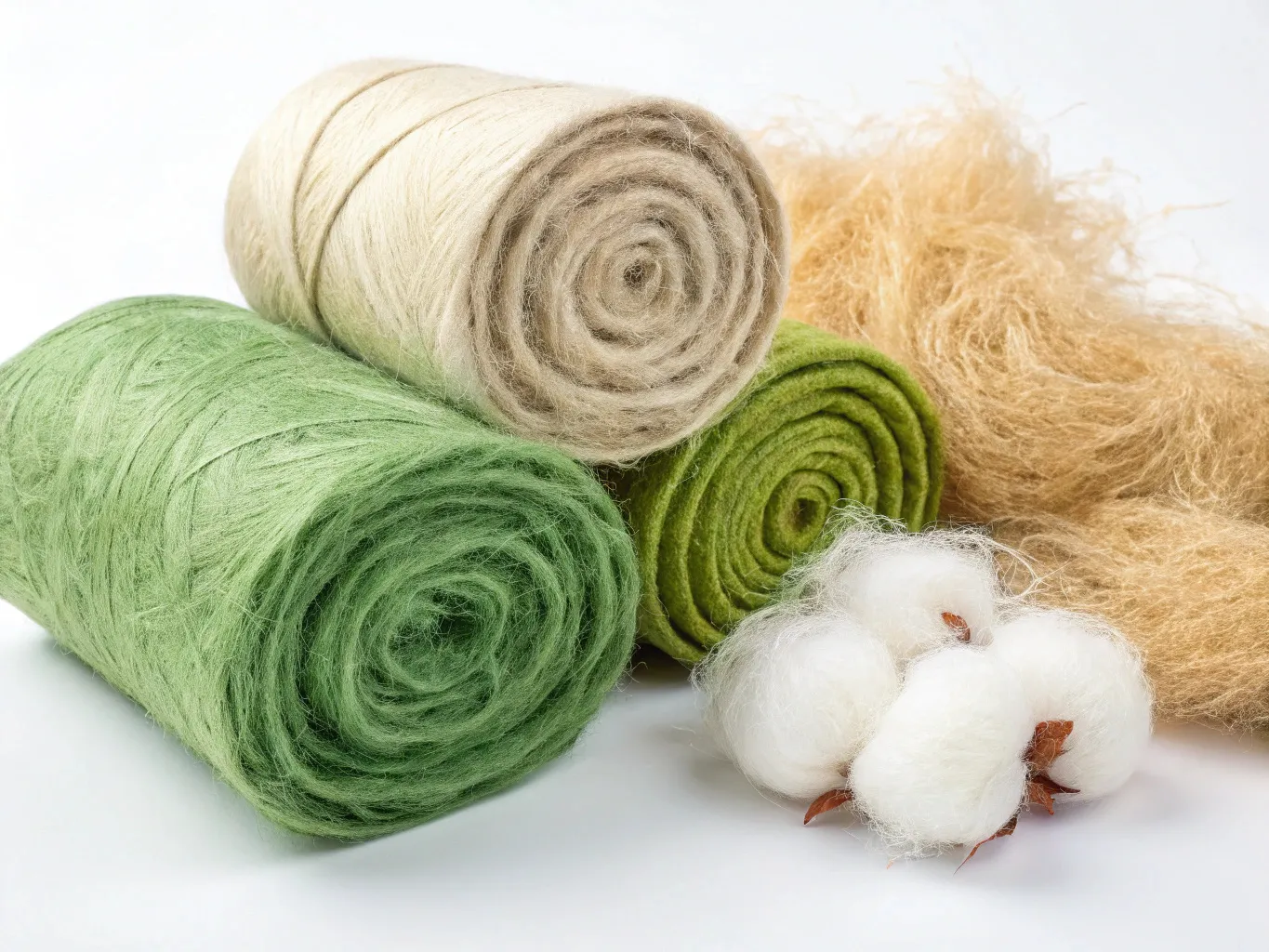
Recycled PET fibre turns suitable post-consumer PET into polyester feedstock for textiles, nonwovens and filling applications. The process is mature, but fibre quality depends on the incoming material, contaminant removal and consistent flake or pellet preparation. Buyers should assess measurable input and output specifications instead of relying on a single environmental percentage or a claim that all recycled PET performs like virgin polyester.
What recycled PET fibre is
PET is the polyester commonly used for beverage bottles and many textile products. In bottle-to-fibre recycling, collected PET containers are sorted, size-reduced, washed and dried. The prepared flakes may be melted and filtered directly for spinning or converted into pellets first. The route depends on colour, filtration, intrinsic viscosity, end use and the fibre producer’s equipment.
This article focuses on fibre-grade preparation and end-use decisions. For a detailed view of bottle sorting and washing equipment, see our نظام إعادة تدوير زجاجات PET ملخص.
From bottles to fibre: the main control points
- Collection and pre-sorting: remove non-PET containers, metals, opaque articles and obvious hazardous contamination before size reduction.
- Label and closure separation: labels, adhesives, caps and rings must be managed because their polymers and inks can affect colour, filtration and spinning stability.
- Size reduction and washing: consistent flake size supports washing and drying. Friction washing and, where required, controlled hot washing help remove dirt, beverage residue, adhesive and surface contamination.
- فصل الكثافة: properly controlled float-sink stages separate PET from many lower-density cap and label materials, although they cannot solve every multilayer or look-alike contamination problem.
- Drying, inspection and metal control: residual moisture, fines and metal can disrupt extrusion and filtration. The acceptable limits should be agreed between the recycler and fibre producer.
- Melting, filtration and spinning: the converter selects filtration, possible viscosity management and spinning conditions for staple fibre, filament or nonwoven applications.
Quality parameters that matter to fibre producers
| المعلمة | لماذا هذا مهم؟ | How to manage it |
|---|---|---|
| Polymer purity | PVC and other incompatible polymers can reduce processing stability and finished appearance. | Improve bottle sorting, label removal and quality inspection; investigate recurring contamination. |
| Colour and yellowing | Colour limits the range of fibres and dye shades that can be produced. | Separate coloured and opaque PET where the specification requires it and control thermal history. |
| رُطُوبَة | PET is sensitive to moisture during melt processing, which can reduce molecular weight. | Specify a validated drying target and measure it at the point agreed with the downstream processor. |
| Fines and dust | Excess fines increase handling losses and can load filters. | Control cutting quality, screening, conveying and housekeeping. |
| Bulk density and flake size | Inconsistent material can disturb feeding and melting. | Use stable granulation, screening and blending procedures. |
| الكتلة النسبية | Viscosity influences melt behaviour and suitability for different fibre routes. | Test incoming material and agree an application-specific range with the fibre producer. |
Where recycled PET fibre is used
Typical applications include staple fibre for filling and insulation, nonwoven fabrics, carpet components, industrial textiles and filament yarn. The appropriate outlet depends on colour, contamination, viscosity, filtration behaviour and the finished product’s requirements. Feedstock suitable for dark staple fibre is not automatically suitable for fine-denier or light-coloured filament.
Mechanical recycling can also involve repeated thermal histories. Product development should account for viscosity loss, colour change and additives rather than assuming unlimited closed-loop recycling. Where bottle-grade output is the target, the process and regulatory requirements differ from many bottle-to-fibre routes.
How to discuss environmental performance responsibly
Recycled content can reduce demand for virgin fossil feedstock, but a defensible comparison requires a defined system boundary, electricity mix, transport distance, yield, waste treatment and end product. Published life-cycle assessments are useful only when their scope and assumptions match the decision. Textile Exchange provides a polyester life-cycle assessment resource, while NAPCOR publishes PET life-cycle analysis resources. Neither should be reduced to a universal percentage that applies to every plant and fibre product.
For supplier claims, request the study boundary, data year, allocation method and source of primary plant data. Keep environmental claims separate from product-quality specifications.
Planning a bottle-to-fibre preparation line
Start with representative feedstock samples and a written output specification. Record the bottle mix, label types, expected PVC and metal contamination, dirt, moisture and seasonal variation. Then define the required throughput, wash chemistry, water treatment, drying method, inspection points and reject handling. If mechanical drying is a bottleneck, our guide to centrifugal dryer selection explains the relevant operating variables. The risk posed by PVC is discussed separately in PVC in PET bottle recycling.
الأسئلة المتكررة
هل ألياف البولي إيثيلين ترايكورونيد المعاد تدويرها متشابهة مع البوليستر الخام؟
كلاهما بوليستر قائم على PET، ولكن يمكن أن يكون لديه مادة الخام تاريخ حراري مختلف، لون، ملف التلوث ومتانة. يمكن أن يتم استبدال المادة الخام اعتمادًا على تخصص الألياف وطرق المعالجة.
هل يمكن تحويل كل زجاجة بولي إيثيلين ترايكورونيد إلى ألياف قماشية؟
No. Suitability depends on bottle design, contamination, colour, collection quality and the recycler’s separation capability. Problem materials must be removed or directed to an appropriate outlet.
ما الذي يجب على منتج الألياف تحديده للموردة للأشعة؟
At minimum, agree limits and test methods for polymer contamination, colour, moisture, fines, metals, flake size and intrinsic viscosity, plus sampling frequency and the action taken when a lot is out of specification.
المصادر والقراءة المزيد
- Textile Exchange: Polyester Life Cycle Assessment
- NAPCOR: PET Life Cycle Analysis Resources
- Association of Plastic Recyclers: PET Rigid Design Guidance
Discuss your feedstock and output target
Energycle can review representative bottle-feed information, required flake specification and planned throughput to define a suitable washing and drying process. Final equipment selection should follow material testing and an agreed scope of supply.
