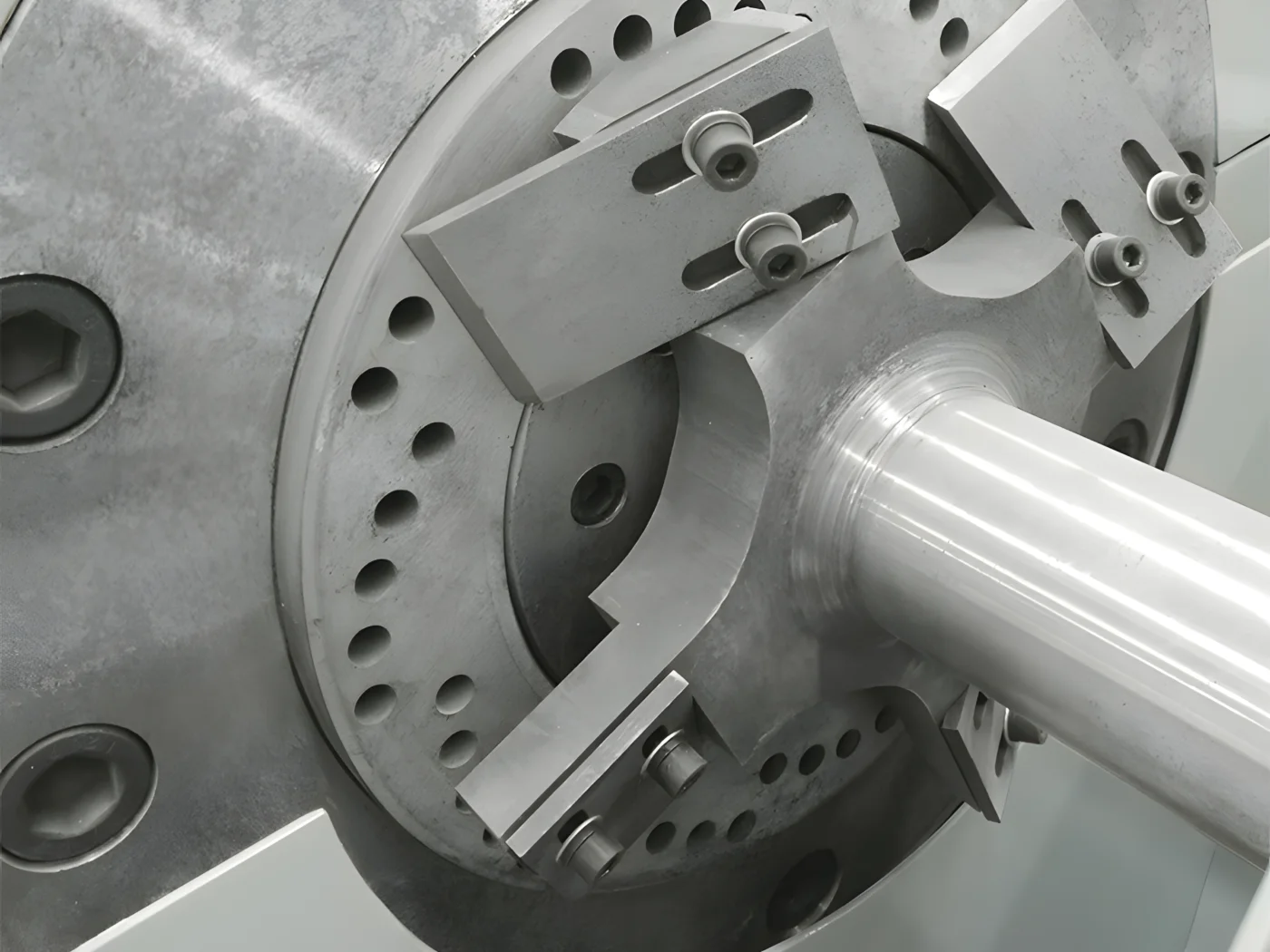
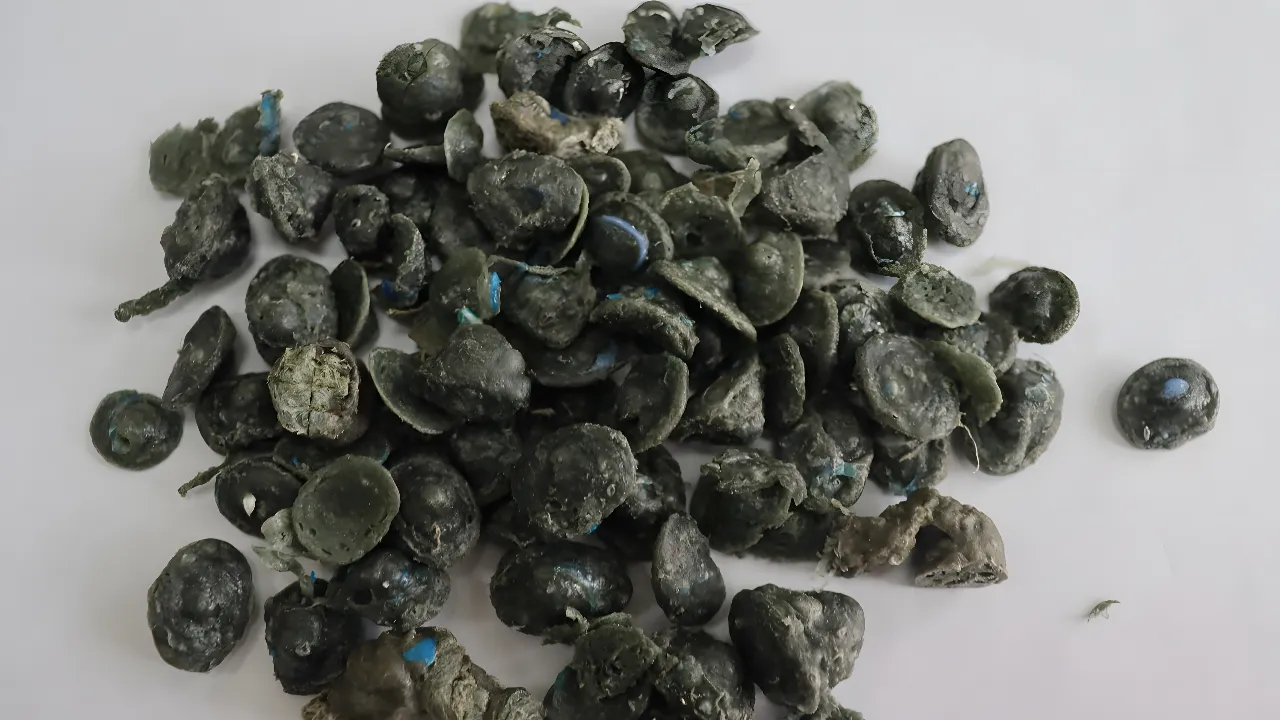
نظام تقطيع وتكثيف أفلام البولي بروبيلين/البولي إيثيلين
خط تقطيع وتكثيف أفلام PP/PE البلاستيكية
حوّل مخلفات أفلام PP وPE المكبوسة أو المتسخة أو السائبة إلى رقائق نظيفة مكثفة أو حبيبات غير منتظمة عبر خط مدمج يجمع بين التقطيع، والتقليل الرطب للحجم، والغسل، والفصل، والتجفيف بالعصر لتسهيل التخزين والبثق اللاحق.
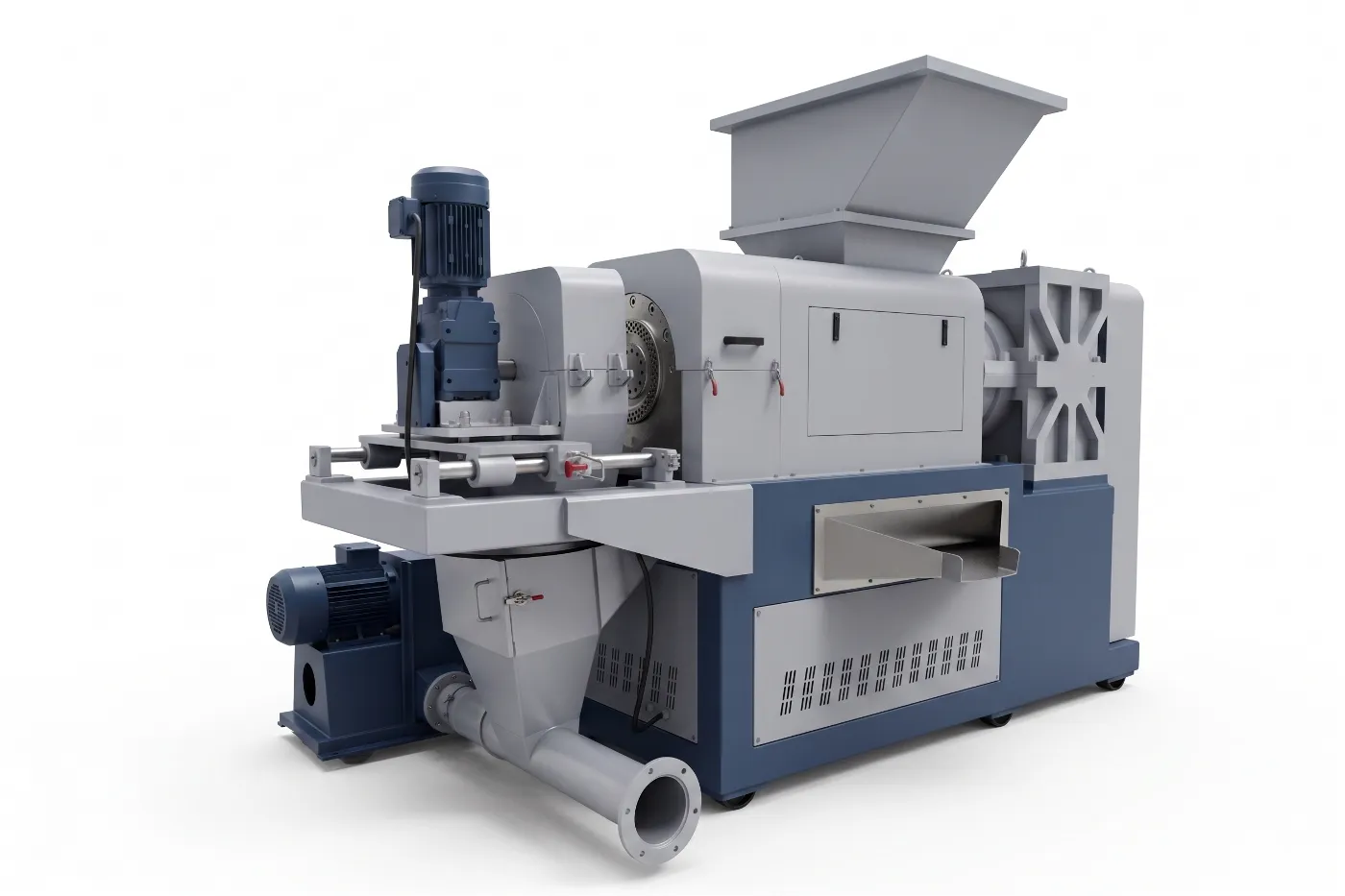
لماذا تختار خط تقطيع وتكثيف الأفلام هذا
صُمم هذا الخط لتيارات الأفلام البلاستيكية التي تكون كبيرة الحجم أو شديدة الاتساخ أو غير مستقرة بحيث لا يمكن تحويلها مباشرة إلى التحبيب، وتحتاج إلى الغسل وتحسين الكثافة قبل إعادة الاستخدام.
يعد هذا الخط للتقطيع والتكثيف جزءًا من حلولنا الشاملة للتصنيع من البداية إلى النهاية, التي صممت لتحويل أفلام البولي بروبيلين/البولي إيثيلين الملوثة إلى مخرجات نظيفة ودقيقة جاهزة للتحويل إلى كريستاليات البولي بروبيلين/البولي إيثيلين.
الكفاءة الشاملة
تتصل عمليات التقطيع والغسل والفصل والتكثيف بالعصر ضمن مسار واحد متكامل يقلل فاقد النقل ويحد من المناولة اليدوية بين الآلات.
كثافة حجمية أعلى
تحوّل مرحلة التجفيف بالعصر رقائق الفيلم المفككة إلى مادة خرج أكثر كثافة يسهل تخزينها ونقلها وتغذيتها إلى معدات البثق.
جاهز للتلوث
تساعد عملية التحبيب الرطب والفصل بالغمر والطفو والتنظيف الاحتكاكي على إزالة الرمل والورق والملصقات والتلوث الحقلي من الأفلام الاستهلاكية والزراعية.
تحكم ثابت في الرطوبة
The densifying dryer reduces final moisture to a level that supports bagging, storage, and steady pelletizing without depending on oversized thermal drying alone.
Modular for Different Feed Conditions
The route can be adjusted around dirty bale film, agricultural mulch, PP woven bag scrap, or cleaner industrial film with changes in washing intensity, water treatment, and densifying capacity.
عرض توضيحي بالفيديو
See how the line shreds, washes, and densifies loose film into a denser, easier-to-handle recycled output.
تسلسل العمليات
كيف يعمل الخط
The system reduces film volume, removes heavy contamination, and increases output density before storage or pelletizing.
Bale Opening and Shredding
Compacted film bales or bulky loose scrap are opened and shredded into a stable infeed size that moves more evenly through the wet stages.
التحبيب الرطب
The shredded film is wet-cut into flakes that are easier to wash while also starting the first stage of contamination removal.
يفرز فصل الكثافة الملوثات الثقيلة مثل الأحجار، المعادن، والرمل بينما يحافظ على مادة الفيلم المستهدفة.
The washing tank separates heavy impurities such as sand, stones, and metal while keeping PP PE film in the target recovery stream.
Squeeze Drying and Densifying
Washed film flakes are mechanically squeezed, partially dried, and densified into an output form that is easier to bag, buffer, and feed into pelletizing.
Bale Opening and Shredding
Bulky film is opened and pre-sized for stable conveying.
التحبيب الرطب
Wet cutting reduces the material into wash-ready flakes.
يفرز فصل الكثافة الملوثات الثقيلة مثل الأحجار، المعادن، والرمل بينما يحافظ على مادة الفيلم المستهدفة.
Heavy contamination is rejected from the PP PE target stream.
Squeeze Drying and Densifying
The cleaned film is dried and densified for easier downstream handling.
التطبيقات
This line fits flexible PP PE waste streams that need both washing and bulk density improvement before reuse, transport, or pelletizing.
Post-Consumer Flexible Packaging Film
LDPE and LLDPE packaging film, stretch wrap, shopping bags, and mixed retail collection film that need washing before reuse.
Dirty film recoveryفيلم زراعي
Mulch film and greenhouse film with high soil and sand load that require stronger washing and water treatment.
PP Woven and Raffia Scrap
Woven bags and raffia offcuts that benefit from shredding, wet cutting, and densified discharge before extrusion.
مناولة الخرج عالي الكثافة
A good fit when customers want higher output density for silo buffering, bagging, transport, or more stable pelletizer feeding.
Integrated Recycling Projects
Works well in wash-to-pellet plants that want a tighter link between contamination removal and final extrusion preparation.
Material Streams with Variable Contamination
The modular route can be tuned for bale density, water contamination, moisture targets, and downstream pellet quality instead of forcing one fixed film washing configuration.
إطار القرار: كيفية تحديد خط تقطيع وتكثيف الأفلام
قرار ثلاثي الأبعاد: قدرة التدفق، حالة المواد الخام، وتعيين هدف الإنتاج اللاحق. قم بتحديد جميع الثلاثة قبل طلب تقديرات الأجهزة.
Step 1: Match Capacity to Daily Throughput
تقييم الكفاءة بكمية الكيلوغرامات في الساعة. تحويل تona السنوية من المواد الخام إلى فئة الكفاءة عن طريق تقسيم التونا السنوية على 250 يوم عمل × 16 ساعة إنتاج (عملية ثنائية الجلسات)، بالإضافة إلى 20% للوقت غير المنتج وتفاضل المواد الخام. يحتاج مصنع معالجة 4,000 t/سنة من الأفلام المستهلكة بعد الاستخدام إلى 4,000,000 ÷ (250 × 16) × 1.2 = 1,200 kg/h، مرفوع إلى فئة 1,500 kg/h.
Step 2: Match Configuration to Feedstock Condition
تتضمن مواد المواد الخام ثلاثة مستويات من التلوث. أفلام صناعية نظيفة (قطع المصنع، مصنفة بلون) تحتاج فقط إلى وحدة تقطيع الأساسية بالإضافة إلى وحدة تكثيف اختيارية — غسل بارد اختياري. أفلام التعبئة المروعة المستهلكة بعد الاستخدام (جمع القمامة على الأبواب، مخرجات النفايات المنزلية) تحتاج إلى فصل كامل بين السائل والسائل بالإضافة إلى غسل بالتآكل. أفلام زراعية ملوثة بشدة (فيلم التربة، شريط الري مع بقايا المعادن) تحتاج إلى غسل مسبق مكثف، غسل بالتآكل مرتين، وأحياناً مرحلة ثانية من السائل والسائل لمعالجة حمولة التربة.
الخطوة 3: مطابقة الإنتاج إلى الاستخدام اللاحق
المرحلة التالية في سلسلة التدوير تحدد ما إذا كان منتج الكثيف يعمل. تدوير الأقراص في الموقع يحتاج إلى قطع مكثفة عند كثافة الحجم 0.30–0.45 g/cm³ وقليل من الرطوبة — جاهز للتحميل مباشرة في المضخة. بيع إلى مضخة ثالثة يحتاج إلى قطع مكثفة عند كثافة الحجم 0.40–0.55 g/cm³ لتحسين كفاءة النقل وتعيين متسق للمشتري. بيع مباشر كمادة مكثفة مكررة يحتاج إلى كثافة حجم أعلى (0.50–0.65 g/cm³) وتحكم أقل في الرطوبة (أقل من 3%) لتلبية معايير مستودع المشتري النهائي. تأكد من تحديد المشتري أو معيار المضخة اللاحق كتابياً قبل تحديد حجم الخط.
Decision Matrix
| سعة | نظيفة أفلام صناعية → قطع مكثفة | أفلام مستهلكة → تدوير داخلي | ملوثة بشدة → مكثفة للبيع |
|---|---|---|---|
| 500 كجم/ساعة | خط مدمج، غسل أساسي | خط معياري + فصل السائل والسائل | غسل مسبق مكثف + غسل بالتآكل مرتين |
| 1000 كجم/ساعة | خط معياري، غسل أساسي | خط معياري + فصل السائل والسائل + مجفف | غسل مسبق مكثف + غسل بالتآكل مرتين + مرحلة سائل والسائل ثنائية |
| 2,000 kg/h | خط معياري ذو قدرة عالية | خط معياري + غسل ثنائي + مجفف | تكوين كامل + نظام المياه الم закسر |
| 3,000 كجم/ساعة | خط عالي الطاقة + خزان التخزين | تكوين كامل + خزان التخزين | تكوين كامل + نظام المياه الم закسر + خزان التخزين |
تكوينات الطاقة: خطوط 500، 1,000، 2,000 و 3,000 كجم/ساعة
مواصفات تكاليف الاستثمار الأولي للوحدات الأربعة الأكثر شيوعًا في إعادة تدوير فيلم البولي بروبيلين/البولي إيثيلين في عام 2026.
تسلسل تقطيع الفيلم وتكثيفه يغطي أربعة مستويات استاندارد للطاقة الإنتاجية. ينخفض تكلفة معالجة الكيلوغرام الواحد بنسبة 28% من 500 كجم/ساعة إلى 3,000 كجم/ساعة، مما يجعل المدراء الذين يتمتعون بتوريد المواد الخام البالغة 8,000+ طن/سنة يعينون دائمًا 2,000 كجم/ساعة أو أعلى.
| مواصفة | 500 كجم/ساعة مدخل | 1,000 كجم/ساعة متوسطة الحجم | 2,000 كجم/ساعة تجاري | 3,000 كجم/ساعة صناعي |
|---|---|---|---|---|
| طاقة إجمالية (كيلووات) | 180 | 320 | 560 | 820 |
| مياه (م³/طن إنتاج) | 2.4 | 2.0 | 1.7 | 1.5 |
| عدد القائمين على العملية في الفترة الواحدة | 3 | 4 | 5 | 6 |
| مساحة الارتفاع (م²) | 240 | 420 | 650 | 900 |
| كثافة الإنتاج الكتلية (جرام/سم³) | 0.35-0.45 | 0.40-0.50 | 0.45-0.55 | 0.50-0.60 |
| مياه (%) | 4-6 | 3-5 | 2-4 | 2-4 |
| القدرة السنوية (طن) | 2,000 | 4,000 | 8,000 | 12,000 |
| تكلفة الاستثمار الأولي (دولار أمريكي) | 180k-260k | 340k-460k | 620k-820k | 880k-1.15M |
500 كجم/ساعة: مستوى الدخول التجاري
يعد الطاقم 500 كجم/ساعة الأصغر من خطوط الفيلم المستهلكة التجارية. ينخفض تكلفة الاستثمار الأولي تحت 250k دولار أمريكي، ويغطي ثلاثة عمليات تغذية الإنتاج في كل تغطية، ويتناسب المعدات في قاعة مساحة 240 م². تخدم المنشآت في هذا الطاقم الأسواق الإقليمية — تدفق الفيلم الم جمع من محافظة واحدة أو مدينة واحدة.
1,000 كجم/ساعة: عربة متوسطة الحجم
يعد الطاقم 1,000 كجم/ساعة أكثر تكوين مبيعًا عالميًا لفيلم البولي بروبيلين/البولي إيثيلين. يقترب تكلفة معالجة الكيلوغرام الواحد من الحد الأدنى المتناهي، تضيق فترات الاسترداد إلى 26-36 شهرًا، وتتناسب المعدات في قاعة استاندارد 25 م × 17 م. يعتبر هذا الطاقم نقطة البداية الموصى بها لأي مستثمر جديد في إعادة تدوير الفيلم مع توريد المواد الخام البالغة 3,500 طن/سنة أو أعلى.
2,000 كجم/ساعة: نطاق تجاري
يخدم الطاقم 2,000 كجم/ساعة عمليات MRF الإقليمية ومراكز إعادة تدوير الفيلم المتكاملة التي تقوم بتحويل البولي مروبيلين الداخلي. تشغل العمليات في التغطية الثنائية 8,000 طن/سنة، بما يكفي لتغذية خطين لتصنيع البولي مروبيلين أو تزويد مجموعة تصنيع الأنابيب الإقليمية. يتجاوز تكلفة الاستثمار الأولي 600k دولار أمريكي وأعمال الأرضية (الأسس، حفرة التصفية، تصريف المياه) تضيف 25-30% أخرى.
3,000 كجم/ساعة: نطاق صناعي
يخدم الطاقم 3,000 كجم/ساعة المدراء الوطنيين والمنتجين المتكاملين الذين يتحولون الفيلم إلى ورق أو ألياف أو شريط داخلي. تصل الطاقة السنوية إلى 12,000 طن مع العمليات في التغطية الثنائية. يصبح نظام المياه الم закسر إلزاميًا في هذا الطاقم بسبب زيادة الطلب على المياه العذبة إلى أكثر من 1.5 م³/طن إنتاج. يصل تكلفة التثبيت الكلية (المعدات + الأعمال المدنية + الخدمات) إلى 1.4-1.8 مليون دولار أمريكي.
تكلفة خط الفيلم: تكلفة الملكية الكلية لمدة 3 سنوات
تكلفة الاستثمار الأولي هي فقط أول 35-45% من تكلفة الملكية لمدة ثلاث سنوات. تتجاوز تكاليف الكهرباء والمياه والعمل والمستهلكات تكلفة المعدات الأصلية في السنة الثالثة.
يكتشف المشترين الذين يقارنون بين عروض خط الفيلم التي تبدو بعيدة 15–20% أن الخط الأرخص يكلف أكثر خلال السنوات الثلاث عند مراعاة تكاليف المستهلكات والمياه ووقت العطل.
| مكون تكلفة | 500 كجم/ساعة | 1000 كجم/ساعة | 2,000 kg/h |
|---|---|---|---|
| تكلفة الاستثمار الأولي (متوسطة النطاق) | 220,000 | 400,000 | 720,000 |
| طاقة (3 سنوات عند 0.10 دولار أمريكي/كيلووات ساعة) | 52,000 | 92,000 | 161,000 |
| مياه (3 سنوات @ 1.20 دولار أمريكي/م³) | 17,000 | 29,000 | 49,000 |
| Labor (3 yr @ USD 600/op·month) | 194,000 | 259,000 | 324,000 |
| Maintenance (5% CapEx/yr) | 33,000 | 60,000 | 108,000 |
| شفرات الحبيبات الرطبة | 22,000 | 38,000 | 72,000 |
| Friction washer screens | 9,000 | 16,000 | 30,000 |
| Squeezer / densifier wear parts | 15,000 | 26,000 | 48,000 |
| 3-year total (USD) | 562,000 | 920,000 | 1,512,000 |
| Per-ton processing cost (USD) | 94 | 77 | 63 |
Per-ton processing cost drops 33% from 500 to 2,000 kg/h. This is why operators with confirmed feedstock above 6,000 t/year almost never specify below 2,000 kg/h — the labor and overhead amortization wipes out any CapEx saving within 14–18 months.
Hidden Costs Most Quotes Skip
- Civil works: 8–15% of equipment CapEx for foundations, drainage pit, dewatering trench
- Closed-loop water treatment: USD 35,000-95,000 (mandatory in MENA, recommended above 2,000 kg/h)
- Electrical incoming: Transformer upgrade and cables, often USD 15,000-50,000 for greenfield sites
- First-year spare parts kit: 4-6% CapEx, typically quoted separately
- Operator training: Two engineers on-site for two weeks, USD 8,000-15,000 per visit
- Customs and import duty: 5-18% CIF in most emerging markets
المواصفات الفنية
Typical planning parameters for PP PE film shredding and densifying projects. Actual sizing depends on feedstock contamination, desired moisture, and output density target.
| Specification Item | النطاق النموذجي |
|---|---|
| خيارات الإنتاج | 200 to 300 kg/h, 500 to 700 kg/h, and up to 1000 kg/h |
| نموذج الإخراج | Densified flakes or irregular pellets after squeeze drying |
| الكثافة الظاهرية | Approximately 350 to 410 kg/m3 depending on material and moisture |
| الرطوبة النهائية | Typically 3 to 5 percent after densifying discharge |
| الطلب على الطاقة | Approximately 120 to 350 kW depending on capacity and washing stages |
| نظام المياه | Closed-loop circulation with filtration and optional DAF support |
| عناصر التحكم | PLC with HMI, overload protection, and interlocked safety devices |
| تخطيط | Modular configuration adjusted to plant footprint and downstream pelletizing plan |
اسحب افقيا لعرض الجدول الكامل على الهاتف.
معرض الآلات
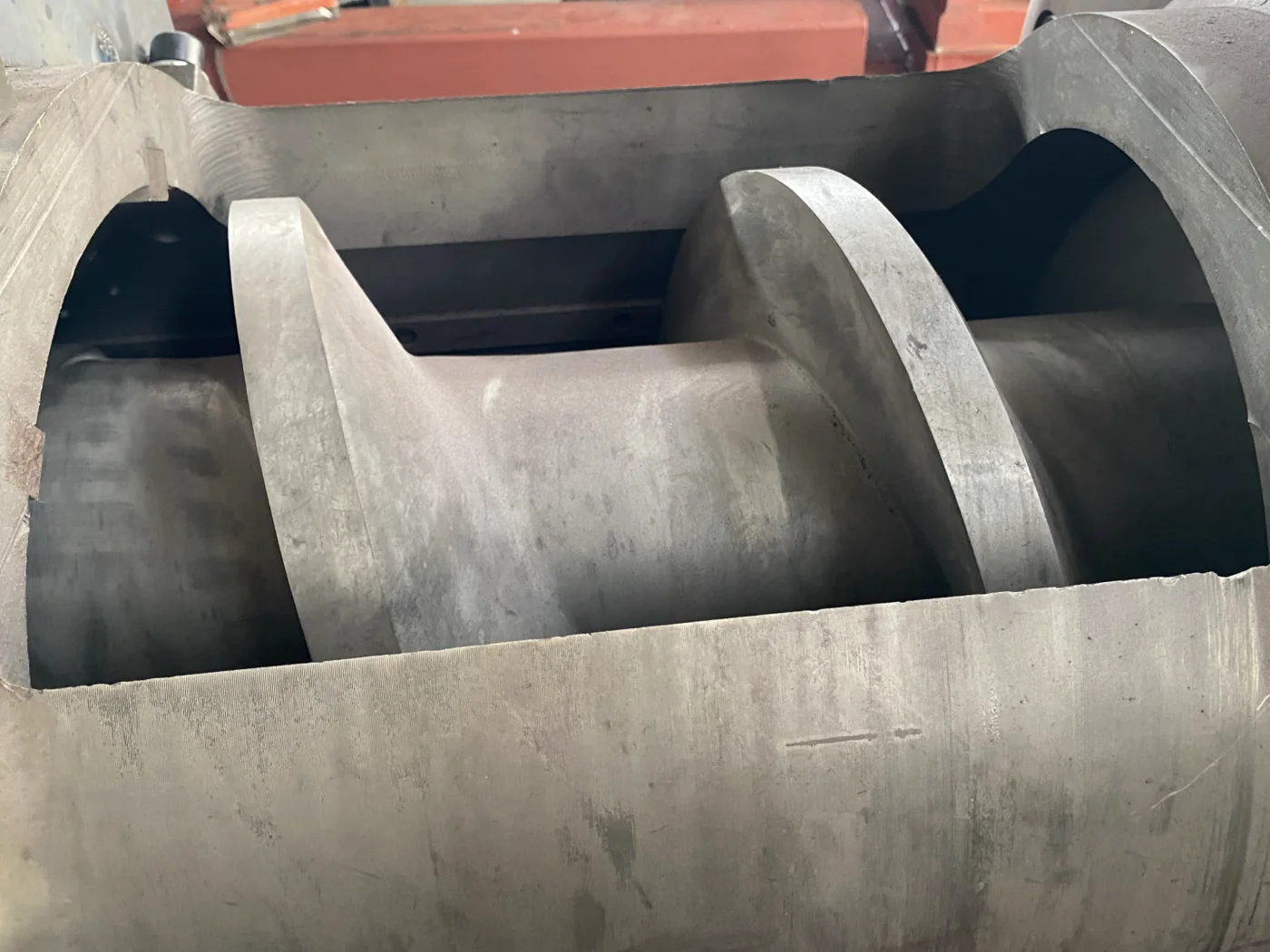
A closer look at the PP PE plastic film shredding and densifying line layout, including the integrated washing and densifying stages.
حلول الاسترداد ذات الصلة
These linked machines already appear in this workflow and use formal Energycle URLs that can support a full film shredding and densifying project.
آلات تقطيع البلاستيك
Primary volume reduction for bulky bales, rolls, and loose plastic film scrap before wet processing.
حبيبات البلاستيك الرطبة
Wet size reduction stage that prepares flakes for cleaning while starting contamination removal.
خزان فصل عائم من البلاستيك PP PE
Density separation module that ejects heavy impurities and stabilizes the washed PP PE stream.
آلة غسيل البراغي الاحتكاكية
High-speed scrubbing support for removing paper, sand, and loose surface contamination from film flakes.
آلة ضغط الأغشية البلاستيكية
Key densifying module that lowers moisture and raises bulk density for easier handling and pelletizing.
Output Quality: Defects by Film Feedstock Type
Output bulk density and moisture are direct functions of feedstock condition. Knowing which defects appear with which feedstock prevents finger-pointing between equipment supplier and operator after commissioning.
Pelletizers and end-buyers reject densified film batches for inconsistent moisture, inadequate bulk density, or visible contamination. Each feedstock type generates a distinctive defect signature that the line configuration can mitigate — but only if specified upfront.
| Feedstock condition | Most common defect | Root cause | Mitigation |
|---|---|---|---|
| أفلام صناعية نظيفة | Static cling, irregular flake size | Dry shredding without wet stage | Add light water spray during cutting |
| Mixed post-consumer (clear + colored) | Color contamination in densified output | No upstream color sorting | Pre-sort by color before shredding |
| Mixed post-consumer with paper labels | Paper fiber in densified flake | Friction wash insufficient for adhesive labels | Add hot wash or extended friction stage |
| فيلم زراعي (السماد، الري) | Sand and soil contamination | Sink-float tank under-sized for mineral load | Add pre-wash drum + 2-stage sink-float |
| Greenhouse film (UV-degraded) | Brittle flake, fines excess | كسر سلسلة البوليمر من التعرض للشمس | Cannot recover top-grade — route to lower-spec end use |
| Bale stored over 6 months wet | Fungal contamination, odor in densified output | جرة مبللة مخزنة في رطوبة عالية | Reject feedstock or add chlorinated wash |
أكثر العيوب أهمية هي inconsistent moisture in densified output. Pelletizers fed with film at over 6% moisture experience melt-flow inconsistency and gel formation in the extruded pellet. Plants targeting in-house pelletizing should specify the squeeze-drying stage with closed-loop temperature control and a downstream thermal dryer for moisture under 3%.
التكيف الإقليمي للأسواق الناشئة
Western film line specifications fail predictably in emerging-market sites. Five engineering choices matter most across SE Asia, MENA, Africa, and LATAM.
ضغط الجهد والتردد
Standard configurations ship at 380V/50Hz (China, Vietnam, Indonesia), 415V/50Hz (UK, Pakistan, India, much of Africa), or 440V/60Hz (Saudi Arabia, parts of LATAM). Specifying the wrong voltage means the entire motor and switchgear set arrives unusable — a 6-8 week rework with double shipping. Always confirm voltage in writing on the proforma invoice.
ندرة المياه واستعادة الدورة المائية المغلقة
MENA, parts of Australia, and water-stressed African regions cannot supply 1.5-2.4 m³ fresh water per ton of densified output. A closed-loop water recycling system — sedimentation, screen filter, biological treatment, sometimes ultrafiltration — recovers 85-92% of process water and reduces fresh-water demand to 0.2-0.4 m³/t. Closed-loop CapEx adds USD 35,000-95,000, payback 14-22 months when fresh water exceeds USD 2/m³.
Spare Part Logistics
Lead time on a replacement granulator blade or friction washer screen from China to East Africa runs 28-42 days by sea, plus 7-14 days customs clearance. Plants 8,000+ km from the supplier need a first-year spare-parts kit covering 18 months of consumables on-site. Plants closer to the supplier (Vietnam, Indonesia, Philippines) can run lighter inventory with 14-21 day re-order cycles.
Climate and Dust
Film shredding and densifying generates fine plastic dust that settles inside electrical cabinets. Specify IP55 enclosure rating for control cabinets in arid regions (MENA, Northern Africa, parts of LATAM). Tropical regions (Indonesia, Philippines, parts of Brazil) need dehumidification on PLC enclosures to prevent condensation-induced contactor failure.
لغة المشغل وتدريبه
The PLC HMI ships in English by default. For plants where shift operators do not read English, request Spanish, Arabic, Bahasa, French, or Vietnamese localization at the order stage. Adding it post-installation typically requires a controls engineer site visit at USD 4,000-7,000. Two-language HMI (English plus local) covers both expat managers and local operators.
8 Common Pitfalls When Buying a Film Shredding & Densifying Line
ثمانية أخطاء في الشراء تمثل غالبية الندم بعد التركيب. استخدم هذه القائمة كمراجعة ذاتية قبل التوقيع على أي طلب شراء معدات.
- التحجيم حسب سعة اللوحة الاسمية، وليس الإنتاجية الواقعية. Nameplate kg/h assumes ideal feedstock. Real-world throughput on dirty post-consumer film runs at 65-80% of nameplate. Size 25-35% above your annual tonnage target.
- Skipping the sink-float stage to save 12-18% of CapEx. Without sink-float, mineral and metal contamination passes through to the densifier and then to the pelletizer, causing gel formation and screen blockage. Adding sink-float later costs 60-85% more than specifying it upfront.
- خلط المكونات من موردين متعددين. Throughput mismatch between a Chinese shredder and a European densifier surfaces 4-6 months in, when the densifier runs starved or overloaded. Buy integrated or accept a written commissioning bond covering throughput loss.
- No factory acceptance test with your actual feedstock. A factory acceptance test (FAT) at the supplier’s plant — running production rate for 8 hours with your feedstock type — catches equipment defects before shipping. Skipping FAT trades USD 3,000-6,000 in travel for a 30-60 day site-commissioning recovery.
- Underspecifying the squeeze-drying stage. Output moisture above 6% rejects the densified flake from most pelletizer feed specs. Specify squeeze-drying capacity with 25% headroom over throughput, plus a downstream thermal dryer for moisture-sensitive end-buyers.
- Trusting the FOB quote as total cost. Add 25-35% for civil works, electrical incoming, water treatment, customs duty, and first-year spares. The all-in number is what matters for ROI calculation.
- Inadequate operator training contract. Standard contracts include 5-7 days of on-site commissioning. Operations stabilize at 10-14 weeks for film lines (longer than rigid plastic lines because feedstock is more variable). Negotiate a remote-support clause covering month 2 through month 6.
- Ignoring the wet granulator blade specification. Blade material — D2 tool steel vs SKD11 vs HVOF-coated — determines maintenance interval. SKD11 blades last 3-4× longer at 30-40% higher CapEx, paying back within 8-14 months on lines above 1,000 kg/h.
الاسئلة الشائعة
إجابات سريعة للمشترين الذين يقارنون بين تجهيزات غسل وتجفيف وتكثيف الأفلام.
نظام إعادة التدوير المتكامل الذي يقطع الأفلام الكبيرة، ويغسل التلوث من البلاطات، ثم يضغط يجف المادة إلى مخرجات أكثر كثافة سهلة التخزين، النقل، أو التغذية إلى عملية تحويل البلاطات.
المشاريع العادية تبدأ من 200 إلى 300 كجم في الساعة وتستطيع التوسع إلى 500 إلى 700 كجم في الساعة أو حتى حوالي 1000 كجم في الساعة اعتمادًا على نوع الفيلم، مستوى التلوث، وكتلة الكثافة المطلوبة.
نظافة النهاية تعتمد على مسار الغسل والتلوث الداخل، ولكن الخط مصمم لإزالة الرمل، الأوسمة، الورق العشوائي، والتراب الحقول قبل إطلاق الفلakes المضغوط أو الفلakes غير المنتظمة.
نعم. فيلم الزراعة من المواد المستهدفة الشائعة، ولكن عادة ما يحتاج إلى غسل أقوى، معالجة أفضل للطين، وإدارة المياه أكثر صرامة لأن التربة والمنتجات العضوية أثقل بكثير من قطع القمامة النظيفة من المصنع.
نعم. يمكننا دعم تخطيط التخطيط، التشغيل، تدريب القائمين على التشغيل، وتوجيه بدء التشغيل وفقًا نطاق المشروع وتنظيم التسليم.
A PP/PE film shredding and densifying line costs USD 180,000 to USD 1.15 million for the equipment alone, depending on capacity. A 500 kg/h entry line runs USD 180k-260k; a 1,000 kg/h mid-volume line runs USD 340k-460k; a 2,000 kg/h commercial line runs USD 620k-820k; a 3,000 kg/h industrial line runs USD 880k-1.15M. Add 25-35% for civil works, electrical incoming, closed-loop water (where required), customs duty, and operator training. The all-in installed cost for a typical 1,000 kg/h post-consumer film line lands at USD 430k-580k delivered to most emerging-market sites in 2026.
Capacity is determined by annual feedstock tonnage divided by 250 working days x 16 production hours, plus 20% headroom. A plant processing 4,000 t/year of PP/PE film needs about 1,200 kg/h, rounded up to a 1,500 kg/h tier. The 1,000 kg/h tier is the most common configuration globally because it sits at a favorable per-ton processing cost while fitting a standard 25 m x 17 m hall. Operators with confirmed feedstock above 6,000 t/year almost always specify 2,000 kg/h or higher to capture labor and overhead amortization benefits.
Output bulk density ranges from 0.35 g/cm³ on entry 500 kg/h lines to 0.60 g/cm³ on industrial 3,000 kg/h lines with full configuration. Bulk density is determined by the squeeze-densifier specification and dryer integration. Higher bulk density (0.50+ g/cm³) reduces transport cost by 35-45% versus loose flake and is required for sale to third-party pelletizers in most markets. In-house pelletizing accepts lower bulk density (0.30-0.45 g/cm³) without economic penalty.
Payback period for a film shredding and densifying line ranges from 22 to 38 months depending on capacity, feedstock cost, and downstream integration. A 1,000 kg/h line with USD 220/t feedstock cost selling densified flake at USD 580/t pays back in 26-34 months at 70% uptime. A 2,000 kg/h line feeding an in-house pelletizing operation captures the full pellet price (USD 850-1,100/t) and pays back in 22-30 months. Sensitivity analysis on feedstock cost, output price, and uptime should run before any purchase commitment.
Agricultural mulch film with soil contamination requires an extended pre-wash drum, a 2-stage sink-float separation tank, and a double-pass friction washer. Standard PP/PE film configurations cannot handle the 8-15% mineral load typical of mulch film. Specifying the agricultural-film configuration upfront adds 18-25% to base CapEx; retrofitting later costs 45-65% more. Output recovery rate also drops — expect 70-85% mass recovery on agricultural film versus 92-96% on post-consumer flexible packaging film.
ناقش مشروعك لإعادة تدوير الأفلام
شاركنا نوع المادة، ومستوى التلوث، والطاقة الإنتاجية المستهدفة، وما إذا كنت تحتاج إلى رقائق مكثفة أو مخرج جاهز للتكوير. سنوصي بتجهيز مناسب للغسل والتكثيف.