

PP/PE Film Shredding & Densifying System
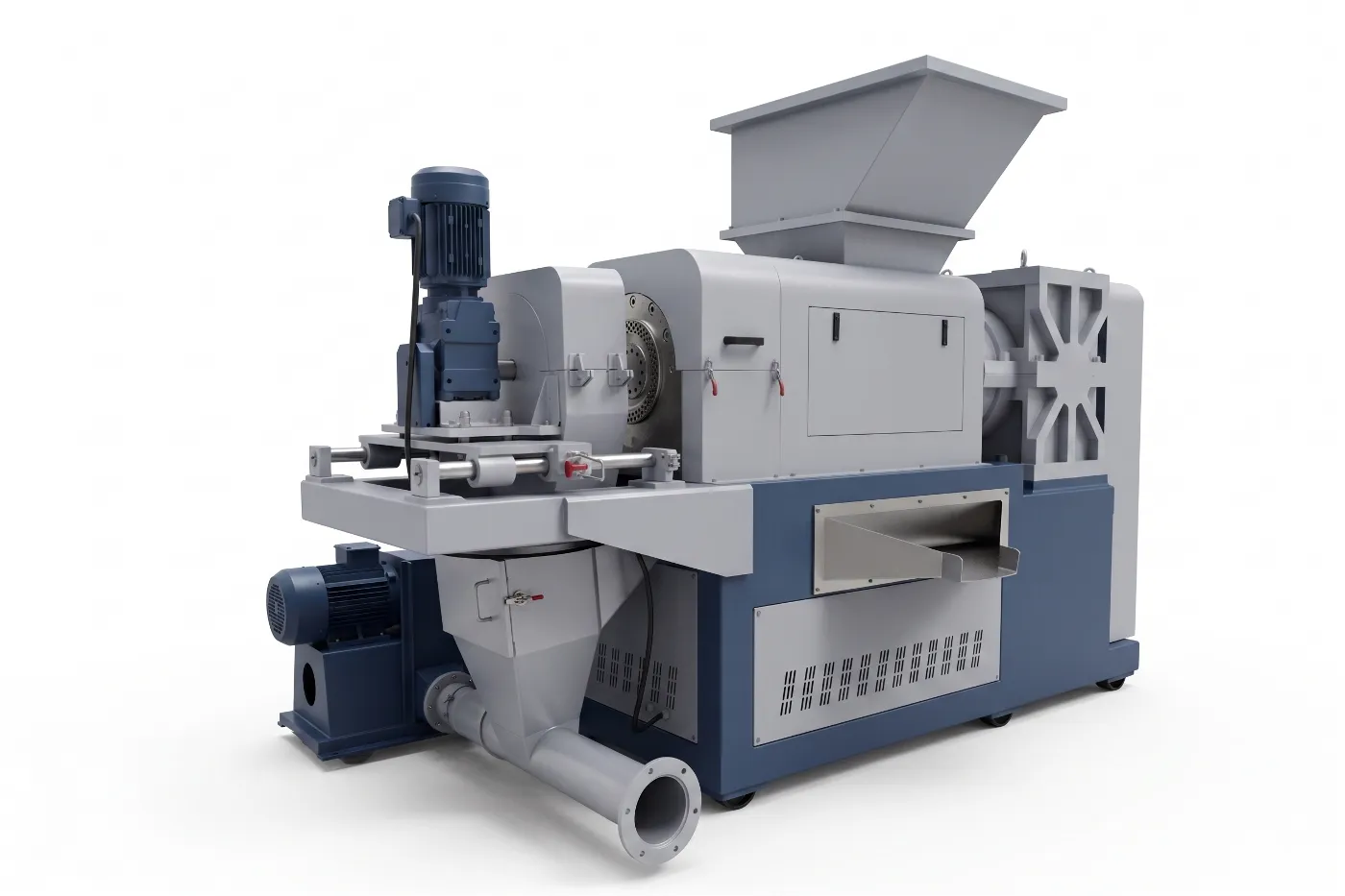
PP/PE Plastic Film Shredding and Densifying Line
Turn baled, dirty, and loose PP PE film scrap into clean densified flakes or irregular pellets with a compact route that combines shredding, wet size reduction, washing, separation, and squeeze drying for easier storage and downstream extrusion.
Why Choose This Film Shredding and Densifying Line
This line is built for plastic film streams that are too bulky, dirty, or unstable to move directly into pelletizing, and need both washing and density improvement before reuse.
This shredding and densifying line is part of our end-to-end recycling solutions, designed to convert contaminated PP/PE film into clean, dense output ready for pelletizing.
End-to-End Efficiency
Shredding, washing, separation, and squeeze densifying are connected into one coordinated route that reduces transfer loss and manual handling between machines.
Higher Bulk Density
The squeeze drying stage converts loose film flakes into denser discharge material that is easier to store, convey, and feed into extrusion equipment.
Contamination Ready
Wet granulation, sink-float separation, and friction cleaning help remove sand, paper, labels, and field contamination from post-consumer and agricultural film.
Stable Moisture Control
The densifying dryer reduces final moisture to a level that supports bagging, storage, and steady pelletizing without depending on oversized thermal drying alone.
Modular for Different Feed Conditions
The route can be adjusted around dirty bale film, agricultural mulch, PP woven bag scrap, or cleaner industrial film with changes in washing intensity, water treatment, and densifying capacity.
Video Demonstration
See how the line shreds, washes, and densifies loose film into a denser, easier-to-handle recycled output.
Operating Sequence
How the Line Works
The system reduces film volume, removes heavy contamination, and increases output density before storage or pelletizing.
Bale Opening and Shredding
Compacted film bales or bulky loose scrap are opened and shredded into a stable infeed size that moves more evenly through the wet stages.
Wet Granulation
The shredded film is wet-cut into flakes that are easier to wash while also starting the first stage of contamination removal.
Sink-Float Separation
The washing tank separates heavy impurities such as sand, stones, and metal while keeping PP PE film in the target recovery stream.
Squeeze Drying and Densifying
Washed film flakes are mechanically squeezed, partially dried, and densified into an output form that is easier to bag, buffer, and feed into pelletizing.
Applications
This line fits flexible PP PE waste streams that need both washing and bulk density improvement before reuse, transport, or pelletizing.
Post-Consumer Flexible Packaging Film
LDPE and LLDPE packaging film, stretch wrap, shopping bags, and mixed retail collection film that need washing before reuse.
Dirty film recoveryAgricultural Film
Mulch film and greenhouse film with high soil and sand load that require stronger washing and water treatment.
PP Woven and Raffia Scrap
Woven bags and raffia offcuts that benefit from shredding, wet cutting, and densified discharge before extrusion.
Densified Output Handling
A good fit when customers want higher output density for silo buffering, bagging, transport, or more stable pelletizer feeding.
Integrated Recycling Projects
Works well in wash-to-pellet plants that want a tighter link between contamination removal and final extrusion preparation.
Material Streams with Variable Contamination
The modular route can be tuned for bale density, water contamination, moisture targets, and downstream pellet quality instead of forcing one fixed film washing configuration.
Specifying, Costing, or De-Risking Your Line?
For the full buyer’s guide — how to size capacity, what drives 3-year cost of ownership, output quality by feedstock, regional setup, and the most common buying pitfalls — see our PP & PE Plastic Film Recycling: Process, Challenges & Equipment Selection Guide.
Technical Specifications
Typical planning parameters for PP PE film shredding and densifying projects. Actual sizing depends on feedstock contamination, desired moisture, and output density target.
| Specification Item | Typical Range |
|---|---|
| Throughput Options | 200 to 300 kg/h, 500 to 700 kg/h, and up to 1000 kg/h |
| Output Form | Densified flakes or irregular pellets after squeeze drying |
| Bulk Density | Approximately 350 to 410 kg/m3 depending on material and moisture |
| Final Moisture | Typically 3 to 5 percent after densifying discharge |
| Power Demand | Approximately 120 to 350 kW depending on capacity and washing stages |
| Water System | Closed-loop circulation with filtration and optional DAF support |
| Controls | PLC with HMI, overload protection, and interlocked safety devices |
| Layout | Modular configuration adjusted to plant footprint and downstream pelletizing plan |
Swipe horizontally to view the full table on mobile.
Machine Gallery
A closer look at the PP PE plastic film shredding and densifying line layout, including the integrated washing and densifying stages.
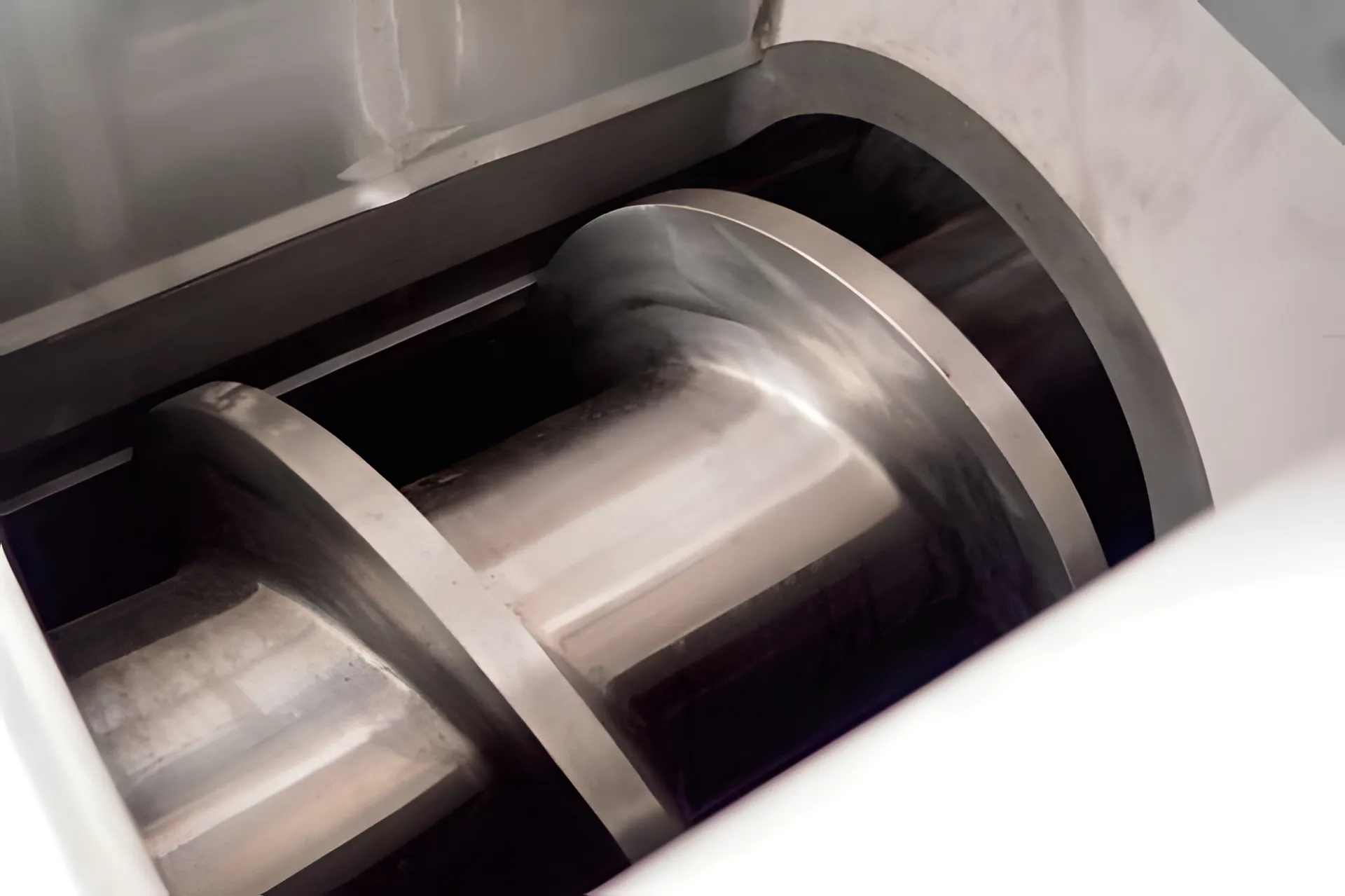
Heavy-Duty Squeezer Screw
Alloy compression screw engineered for continuous mechanical dewatering and high-pressure compaction.
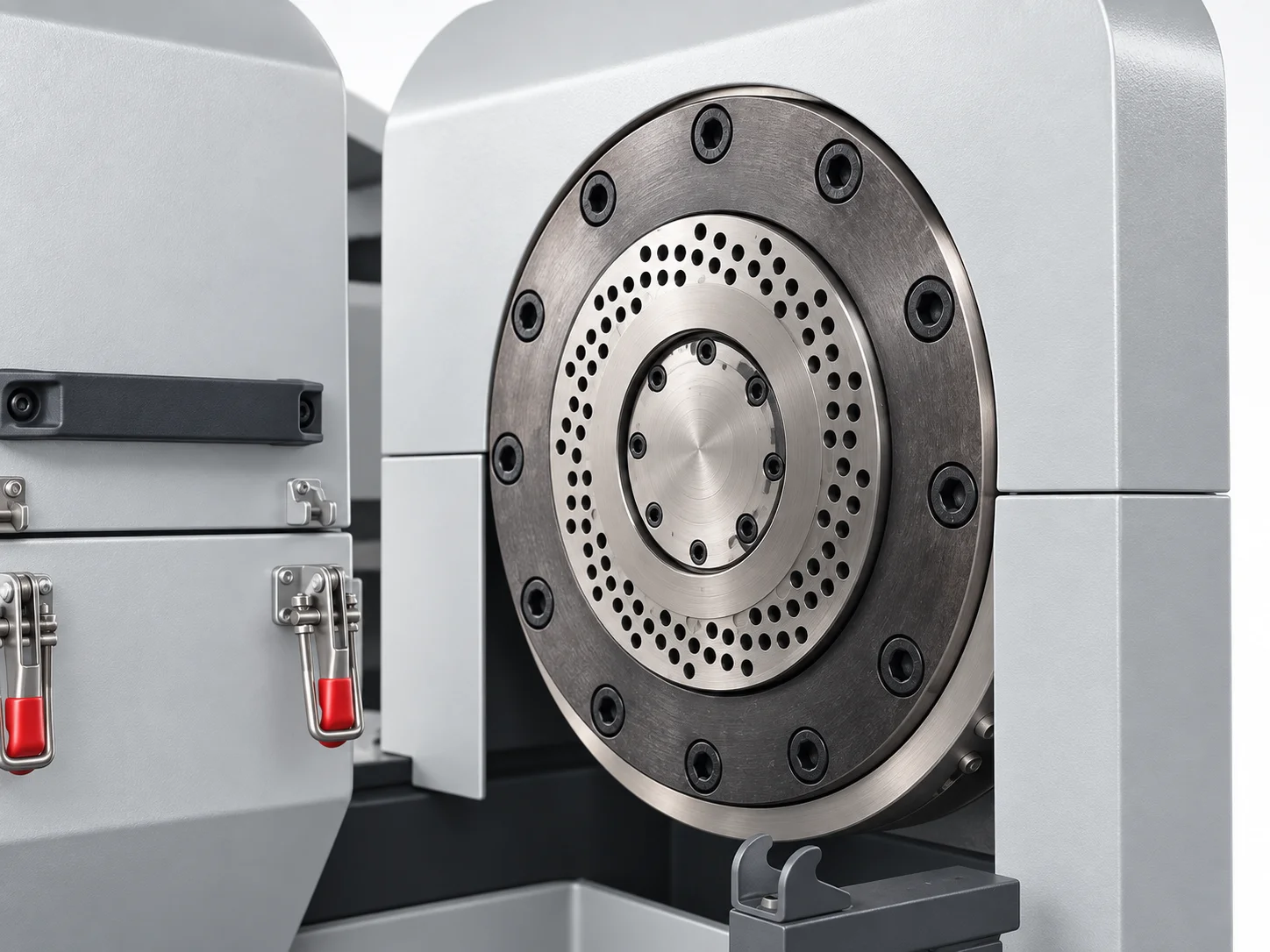
Hydraulic Output Cutter
High-speed rotating die-face cutter that chops the semi-molten densified film into dense, uniform flakes or granules.
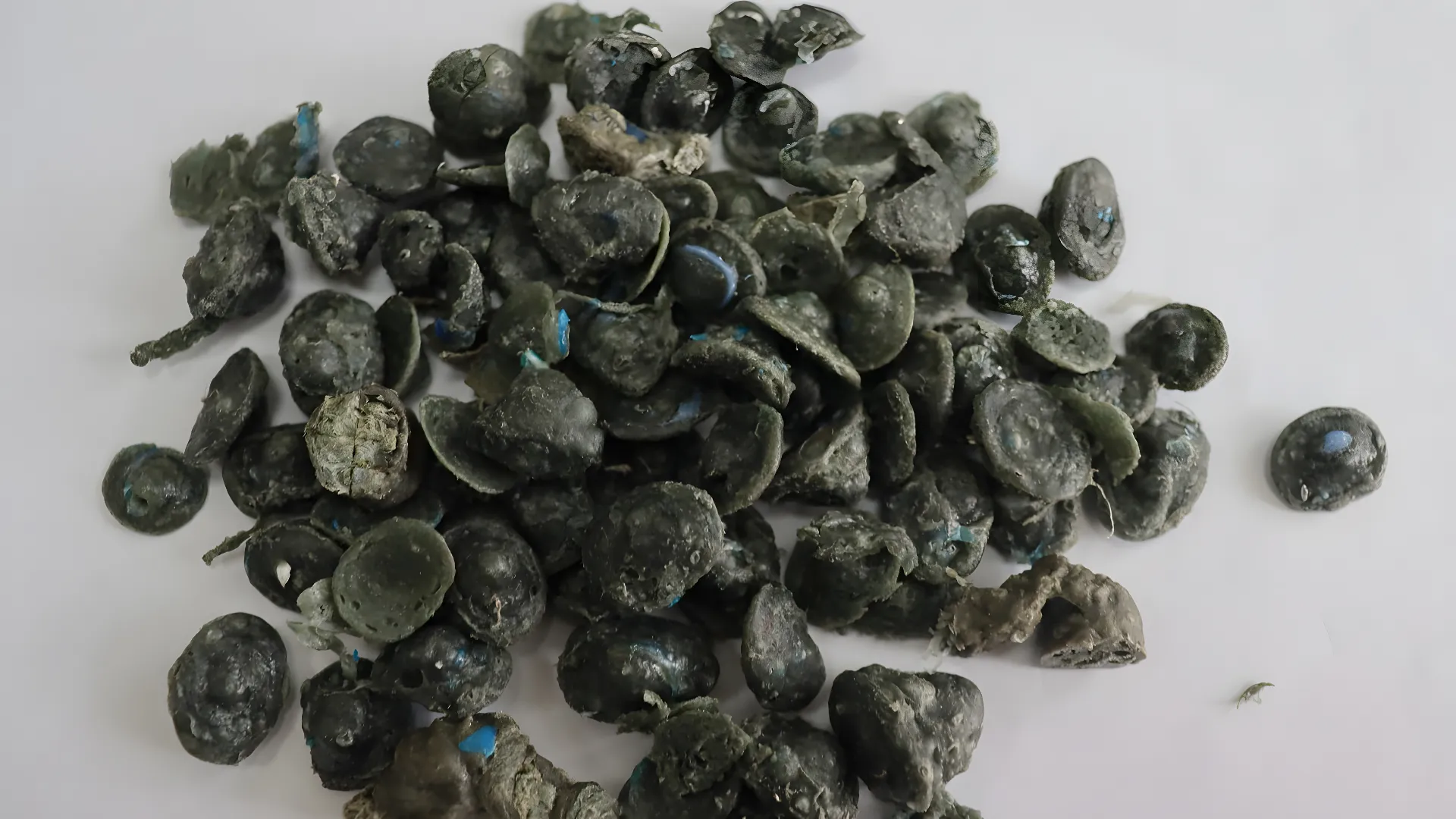
Densified Final Granules
High-density, low-moisture (<3%) regrind flakes ready for direct silo storage, bulk bag filling, or downstream extrusion.
Related Recovery Solutions
These linked machines already appear in this workflow and use formal Energycle URLs that can support a full film shredding and densifying project.
Plastic Shredders
Primary volume reduction for bulky bales, rolls, and loose plastic film scrap before wet processing.
Wet Plastic Granulator
Wet size reduction stage that prepares flakes for cleaning while starting contamination removal.
PP PE Plastic Floating Separation Tank
Density separation module that ejects heavy impurities and stabilizes the washed PP PE stream.
Friction Screw Washer Machine
High-speed scrubbing support for removing paper, sand, and loose surface contamination from film flakes.
Plastic Film Squeezing Machine
Key densifying module that lowers moisture and raises bulk density for easier handling and pelletizing.
Frequently Asked Questions
Quick answers for buyers comparing film washing, drying, and densifying configurations.
What is a PP PE film shredding and densifying line?
It is a combined recycling system that shreds bulky film, washes contamination out of the flakes, and then squeeze-dries the material into a denser output that is easier to store, transport, or feed into pelletizing.
What throughput can this line achieve?
Typical projects start around 200 to 300 kg per hour and can scale to 500 to 700 kg per hour or up to about 1000 kg per hour depending on film type, contamination level, and required output density.
How clean is the final output?
The final cleanliness depends on the washing route and incoming contamination, but the line is designed to remove sand, labels, loose paper, and field dirt before discharge into densified flakes or irregular pellets.
Can it handle agricultural film?
Yes. Agricultural film is one of the common target materials, but it usually needs stronger washing, better sludge handling, and tighter water management because soil and organics are much heavier than cleaner factory scrap.
Do you provide installation and training?
Yes. We can support layout planning, commissioning, operator training, and startup guidance according to the project scope and delivery arrangement.
How much does a film shredding and densifying line cost?
Equipment cost depends on capacity, configuration, and the level of washing and water treatment required, so it spans a wide range from a compact entry line to a full industrial line. On top of equipment, budget for civil works, electrical incoming, closed-loop water where required, customs duty, and operator training. Because the variables differ by project and region, share your capacity, feedstock, and site details and we will prepare a specific quotation.
What capacity film shredding and densifying line do I need?
Size capacity from your annual feedstock tonnage and run hours: divide annual tons by your working days and production hours per day, then add headroom for downtime and feed surges. This line is configured across roughly the 200–1,000 kg/h range, so choose the option that comfortably covers your sustained throughput rather than your best-case peak. If your confirmed feedstock points to much higher volumes, a larger dedicated line is the better route.
What output bulk density does the line achieve?
Output bulk density typically ranges from around 0.35 g/cm³ on entry lines to about 0.60 g/cm³ on fully configured industrial lines, set by the squeeze-densifier specification and dryer integration. Higher bulk density lowers transport cost and is usually required for sale to third-party pelletizers, while in-house pelletizing can accept lower bulk density without an economic penalty.
How long is the payback period?
Payback depends on capacity, feedstock cost, output selling price, and uptime, so it varies widely between projects. Lines feeding an in-house pelletizing operation generally pay back faster because they capture the full pellet value rather than selling densified flake. Run a sensitivity analysis on feedstock cost, output price, and uptime before committing — we can build that model around your actual numbers.
Can the line process agricultural mulch film with soil contamination?
Agricultural mulch film with soil contamination needs an extended pre-wash drum, a two-stage sink-float separation tank, and a double-pass friction washer, because its mineral load is far higher than clean factory scrap. Specifying the agricultural-film configuration upfront is much cheaper than retrofitting it later, and mass recovery is typically lower than on clean post-consumer packaging film. Tell us your contamination profile so the line is sized for it from the start.
Discuss Your Film Recycling Project
Share your material type, contamination level, target throughput, and whether you need densified flakes or pelletizer-ready output. We will recommend a suitable washing and densifying configuration.