

BOPP Film Pelletizing Line for Recycling
Convert printed, washed, metalized, and post-industrial BOPP film scrap into reusable PP pellets with a compactor-fed granulating line. The system is designed for lightweight film feeding, stable extrusion, efficient degassing, and consistent pellet quality.
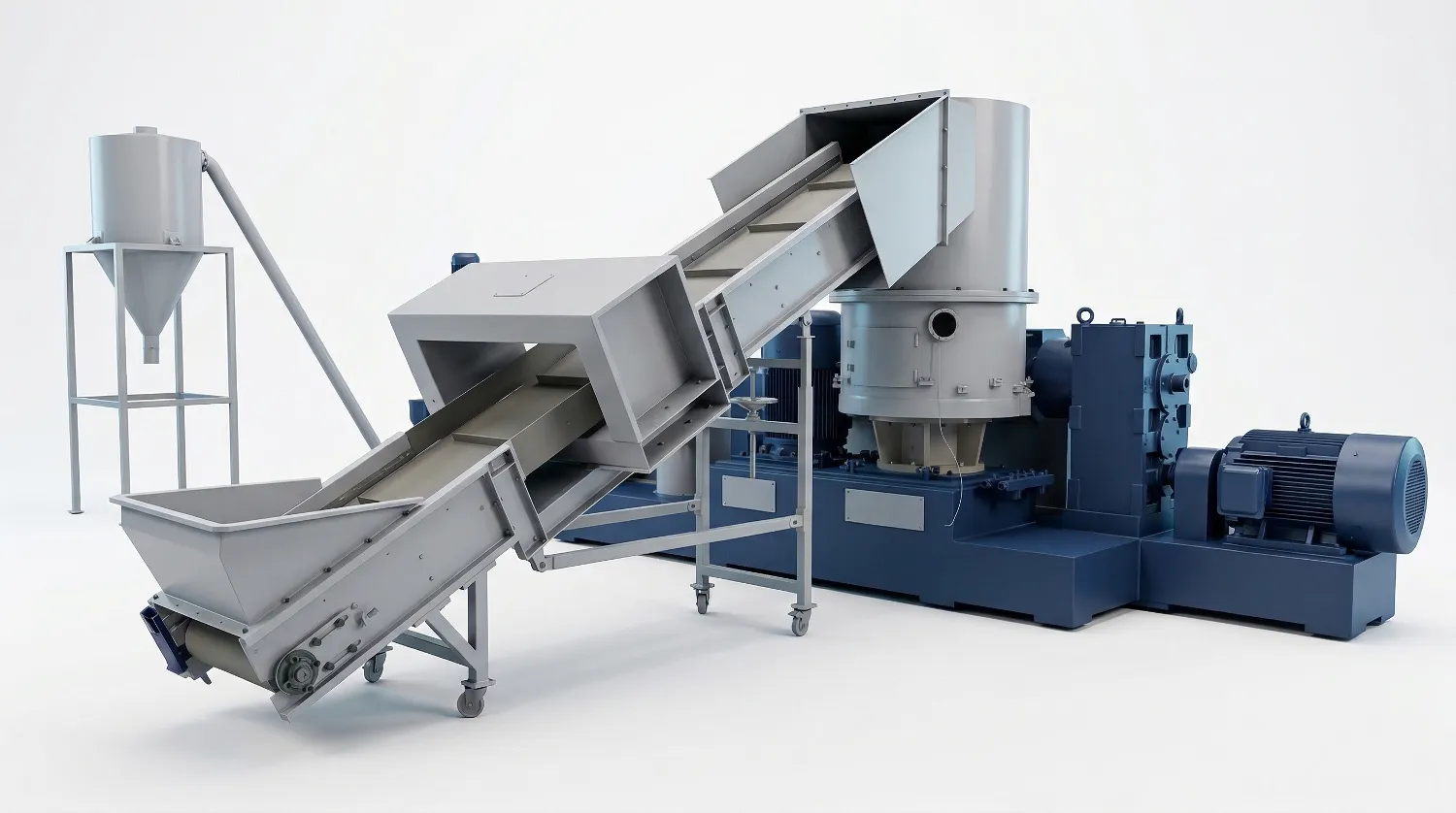
Why Choose This BOPP Granulating Line
BOPP film is thin, slippery, and low-density, so stable feeding and moisture control are essential. This line is engineered to improve throughput, reduce waste, and deliver cleaner reusable pellets.
Higher Throughput
Optimized compaction and screw feeding help lift line productivity and improve overall recycling capacity for lightweight BOPP film inputs.
Lower Energy Use
Efficient drive configuration and controlled material densification reduce unnecessary energy loss compared with less integrated systems.
More Automated Operation
The line is built for continuous operation with reduced manual intervention, helping plants run more consistently with fewer operators.
Better Pellet Uniformity
Stable melt pressure, filtration, and die-face cutting support dense, consistent pellets that are easier to reuse in production.
Effective Moisture and Volatile Removal
Double-zone vacuum degassing helps remove residual moisture and volatile components before the melt becomes finished pellet output.
Suitable for Difficult Film Feed
Cutter compactor technology helps solve the feeding challenges caused by low bulk density BOPP film and unstable direct screw feeding.
Suitable BOPP Film Types and Feed Forms
The granulating line can be configured for different BOPP film conditions, from cleaner post-industrial scrap to heavily printed and more difficult packaging films.
Printed BOPP Film
Suitable for common packaging film waste where printing residues require stable melting and effective devolatilization.
Heavily Printed Film
Higher ink load can still be handled when melt filtration and vacuum venting are properly matched to the material.
Washed and Clean Film
Washed BOPP film usually supports more stable pellet output and lower contamination load in the extrusion stage.
Metalized BOPP Film
Metalized grades can be processed with appropriate filtration and operating conditions depending on contamination tolerance.
Rolls, Loose Scrap, and Bundles
Feed systems can be adapted for loose film, bundled waste, and roll-fed scrap according to your plant layout and handling method.
Related Pretreatment Guide
For lightweight flexible plastics, the plastic film agglomerator machine guide is also a useful reference for densification strategy.
How the BOPP Film Recycling Line Works
The complete process takes lightweight film from unstable feed form to finished recycled pellets through compaction, extrusion, filtration, pelletizing, drying, and storage.
Material Feeding
BOPP film scrap is delivered into the line through a controlled feeding conveyor.
Compaction
The film is densified to improve bulk density and create more stable feed conditions for the extruder.
Extrusion and Degassing
A dedicated screw melts the material while vacuum degassing removes moisture and volatiles.
Filtration
Melt filtration removes paper, ink residue, and other contaminants before pellet formation.
Pelletizing
A water-ring die-face cutting unit forms dense, uniform pellets directly at the die.
Drying
Vibration drying removes residual surface moisture from the finished pellets.
Storage
Pneumatic transfer moves the dry pellets into silos or storage containers for collection.
Typical BOPP Granulating Line Specifications
Model selection depends on film cleanliness, printing level, bulk density, and target hourly output. These figures represent common reference configurations.
| Model | Screw Diameter | Output (kg/h) |
|---|---|---|
| EMGL85 | 85 mm | 180 – 250 |
| EMGL100 | 100 mm | 300 – 400 |
| EMGL130 | 130 mm | 500 – 600 |
| EMGL160 | 160 mm | 700 – 800 |
| EMGL180 | 180 mm | 1000 – 1500 |
Swipe horizontally to view the full table on mobile.
See the BOPP Granulating Line in Action
Watch the full process flow from film feeding through pelletizing and observe how the line handles lightweight flexible material.
Product Gallery
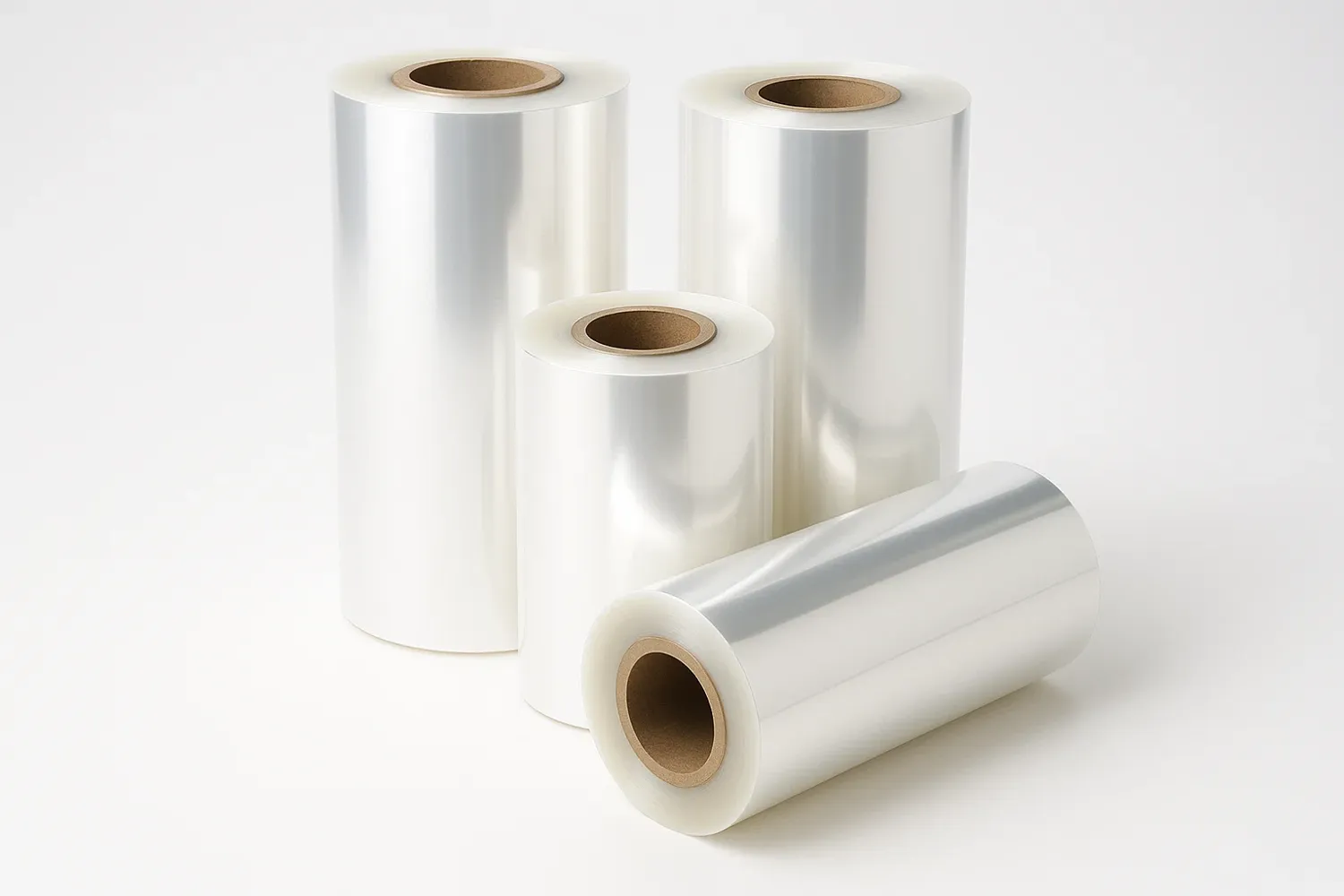
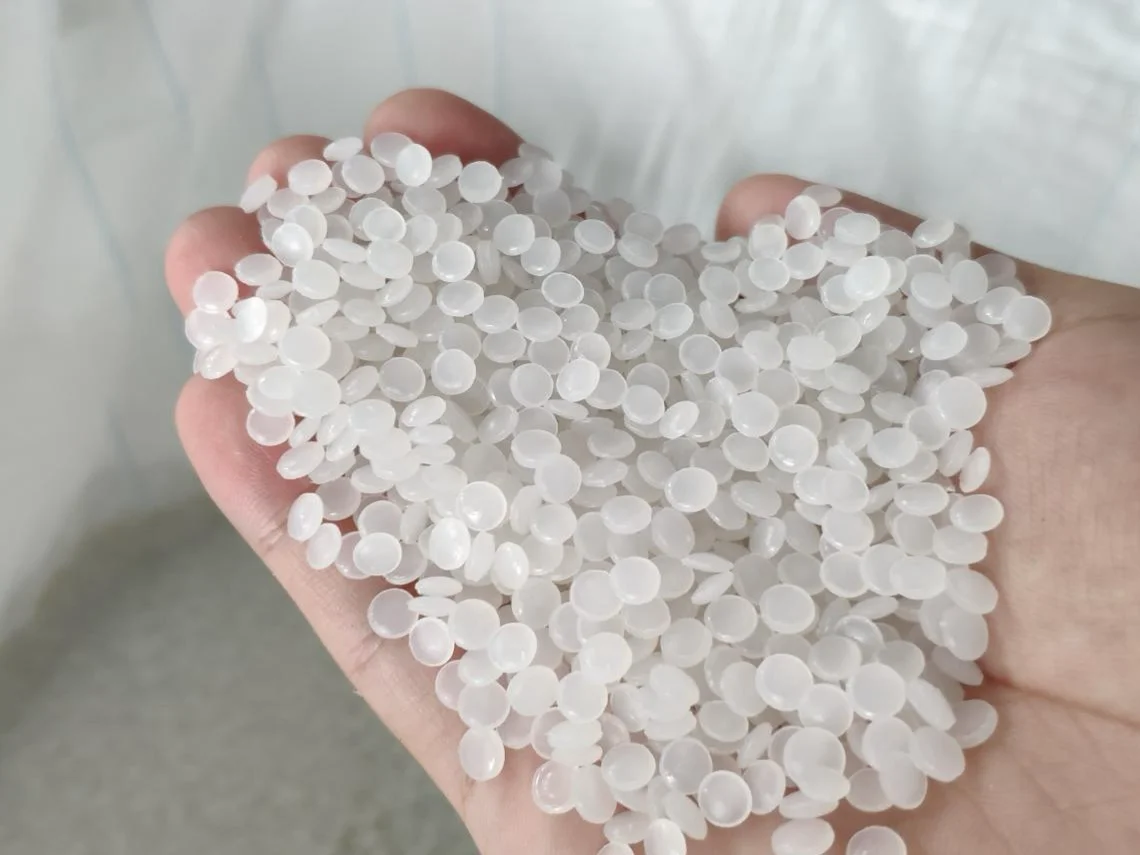
Representative material and output views for BOPP film recycling projects, from incoming film rolls to finished reusable PP pellets.
BOPP Film Recycling Granulating FAQs
Answers to the key questions about material compatibility, process stability, energy use, and pellet quality.
Ready to Improve Your BOPP Film Recycling Output?
Tell us your material condition, print level, contamination profile, and hourly target. We will recommend a matching granulating configuration for your plant.