

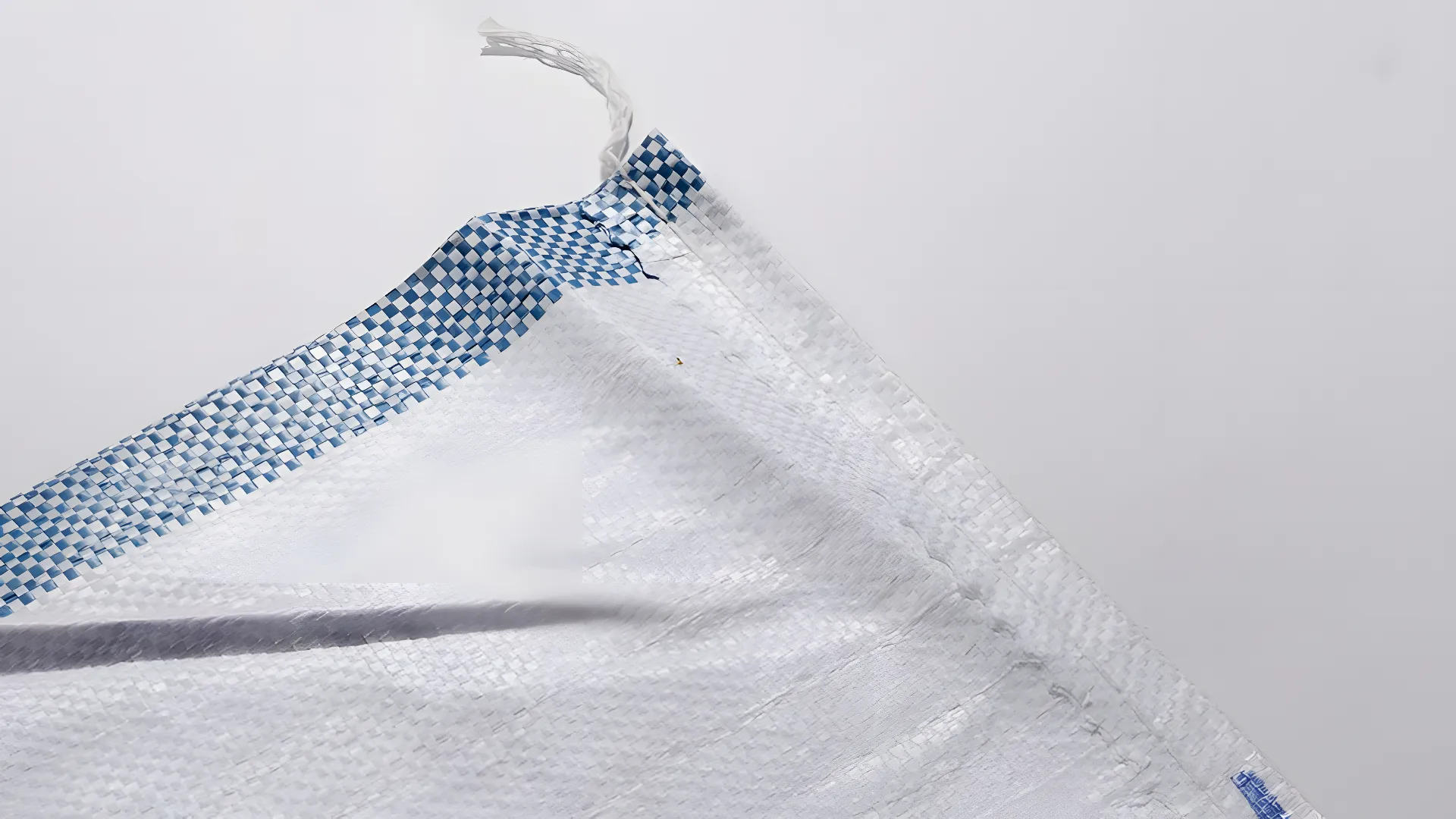
يمكن إعادة تدوير أكياس البوليبروبيلين المفروشة وعبوات الحاويات المتوسطة القابلة للتحميل (FIBCs) ميكانيكيا عندما يتم فهم بنائها، المحتويات السابقة والملوثات. لا يجب معاملتها كفيلم طبقة واحدة عادية. الشريط المفروش، طلاءات، طبقات داخلية، علامات، جروح، طباعة والمنتج المتبقي جميعها تؤثر على التفرقة، الغسل، الطباعة والقيمة الكريمة للكريمة المعاد تدويرها.
تحديد الحقيبة قبل اختيار العملية
يجب على مشروع إعادة التدوير الفصل على الأقل بين هذه الفئات المادية:
- Clean production scrap: الرافيا البوليبروبيلين، قطع المفروشة والبكات الفارغة المرفوضة ذات التركيب المعروف
- Post-use woven sacks: fertilizer, feed, grain, resin or construction-product bags
- FIBCs or bulk bags: حاويات مفروشة كبيرة البوليبروبيلين قد تشمل طلاءات، طبقات داخلية من البوليإيثيلين، حلقات رفع، جيوب وثائقية وعلامات
- Laminated or heavily coated bags: structures that may contain paper, PE film, aluminum or barrier layers
Record resin, coating, liner, color, printing, stitching and previous contents. The bag’s history is a safety and product-quality input. Containers that held hazardous, unknown or regulated substances require qualified assessment and may not be suitable for the intended mechanical-recycling route. Never assume that a quick rinse makes an unknown bulk bag safe.
Typical recycling routes
Clean post-industrial PP woven scrap
قد يتم فحص النفايات النظيفة المعروفة، وتأمينها، قطعها، ضغطها وتحويلها إلى كرات دون غسل كامل. يظل التصفية مختارة للطباعة، الأغطية الورقية، خيط الخياطة وتلوث الإنتاج. عادةً ما يوفر الحفاظ على الألوان والصيغ الفصلية تحكمًا أفضل على جودة الكرات.
Contaminated post-use sacks and FIBCs
A typical industrial route is:
التحقق والتصنيف → إزالة القماش الداخلي والأغطية الورقية والأجسام الغريبة → تفريغ وتغذية معزولة → تقطيع أو تحويل → غسل مسبق وغسل بالتماسك → الفصل بناءً على الكثافة والغسل → التجفيف الميكانيكي أو الضغط → Extrusion، تصفية وتحويل إلى كرات.
يختلف الطلب وكيمياء الغسل بناءً على المحتويات السابقة. تحتاج الرمال المعدنية الجافة، والبقايا العضوية، الزيوت والمنتجات القابلة للذوبان في الماء إلى تنظيف مسبق مختلف وتحكم في المياه العادمة. يجب على المورد اختبار عينات نموذجية من المواد الطبيعية والأسوأ قبل تحديد قائمة المعدات.
Stage 1: inspection, sorting and preparation
تحقق من الأكياس عندما تكون قابلة للتحديد. احفظ سجلات المصدر والمنتج السابق حيثما كان ذلك ممكنًا. قم بفصل الأكوام غير المعروفة، والشحنات غير المتوافقة كيميائيًا، الأنظمة المتعددة الطبقات بشكل كبير، والأكياس التي تحتوي على كمية زائدة من المواد الغريبة. قم بإزالة الأجزاء الصلبة، والمعدن، الأسلاك والأجهزة غير القابلة للمعالجة قبل معدات السرعة العالية.
غالبًا ما تكون الأغشية الخاصة بالFIBC من نوع أو مستوى مختلف من البوليمر مقارنة بالجسم المصنوع من PP المنسوج. اعتمادًا على المنتج المستهدف، قد تحتاج الأغشية إلى إزالتها وإعادة تدويرها بشكل منفصل. يمكن أن تؤدي الأكياس، الأغطية الورقية، والخياطة أيضًا إلى إدخال رزين غير متوافق، ورق أو مادة لاصقة.
ينبغي فتح الأكوام وتغذيتها بدلاً من رميها في الكسارة ككتلة غير محكمة التحكم. يؤثر استقرار التغذية على حمل المحرك، جودة القطع أداء كل غسالة تالية.
Stage 2: size reduction
النسيج المفروش قوي ويمكن أن يلتف حول المحاور. يحتاج الطحن أو الكسارة إلى رotor مناسب، ترتيب الماكينة الحادة، ونظام التغذية. يمكن استخدام الطحن الأولي بسرعة منخفضة لقارورات FIBC المقلوبة والسجاجين المبللين قبل الطحن النهائي؛ يمكن أن يدخل النفايات المنتجة المعدة مباشرة إلى الكسارة المتخصصة.
حدد حجم القطع أو الشريط المطلوب من الغسل والغذاء المقدم من الطباعة. الشاشة الصغيرة ليست علاجاً لللف أو التغذية غير المستقرة. خلال التجارب، سجّل معدل التدفق، الجهد، التوقفات، النفايات الصغيرة، وكمية المواد غير المقطعة.
Review PP woven bag and raffia recycling line الإعدادات مع إعداد القارورة الواردة والخطط لمعالجة النفايات.
Stage 3: washing and separation
يزيل الغسل المسبق الغبار العشوائي، بقايا المنتج، والرمل قبل أن يتسبب في تآكل زائد. غسالة احتكاكية عالية السرعة يمكنها تقديم تنظيف سطح ميكانيكي بعد تقليل الحجم. يجب تحديد درجة حرارة الماء، المادة الصابونية، وقت البقاء والعدد من المراحل من خلال التجارب ومتطلبات الإطلاق، وليس وصفة عامة.
يطفو البولي بروبيلين عادةً في الماء، لذا يمكنه خزان الغرق العائم إزالة العديد من الملوثات الكثيفة. لن يزيل جميع الأغشية البولي إيثيلين، أو العلامات البولي أوليفين، أو المواد الأجنبية منخفضة الكثافة، ولا يحل محل التفرز من المصدر.
خطط لتصفية المياه، إزالة الرواسب وتعامل التلوث المذاب أو المعلق من محتويات الحقيبة السابقة. نظام الصرف الصحي هو جزء من عملية التدوير ويكون قيودًا على المواد القذرة.
مرحلة 4: تجفيف وتكثيف
تبقى شرائط النسيج والقطع الممزقة الماء في الطيات بين الأشرطة. يجب على التدوير الميكانيكي إزالة كمية ممكنة من الماء الحر قبل التجفيف الحراري أو الطباعة. يمكن لآلة الضغط بالسبيكة أو آلة ضغط الأغشية البلاستيكية زيادة كثافة الحجم وتحديد التغذية.
قياس الرطوبة المتبقية باستخدام طريقة موحدة وتجربة عبر الإنتاج. عينة جافة واحدة لا يمكن أن تؤسس أداء الخط. أيضًا سجّل كثافة الحجم الإنتاجية و شكل الجسيمات لأن قيمة الرطوبة العادية لا تظهر ما إذا كان الطباعة ستغذى بشكل متساوٍ.
مرحلة 5: الطباعة، تصفية والتحجيم
يذوب ويتساوى التغذية المكثفة من البولي بروبيلين في الطباعة. إدارة التفريغ تتعامل مع الرطوبة المتبقية والغازات داخل نطاق تشغيل الآلة. تصفية المزيج تلتقط التلوث الصلب، ولكن تغيير الشبكة بانتظام يمكن أن يقلل من الإنتاج عند عدم التحكم في الورق أو الألومنيوم أو الرمل في العليا.
قد يؤثر المادة المطبوعة والمتدهورة على الرائحة، والألوان والخصائص حتى بعد التصفية. قم بضبط درجات الحرارة من الرسالة، وقت البقاء والتجارب؛ تجنب معالجة ملف درجة الحرارة الواحد كصحيح لجميع تيارات حقيبة البولي بروبيلين.
أ نظام تحجيم بالحلقة المائية للشرائط النسيجية يعد إحدى تكوينات التغليف المحتملة. يجب أن تتطابق المراحل المختارة، التبريد والتجفيف سلوك المزيج، تحديد الحبيبات والإنتاجية.
فحوصات الجودة للحبيبات البولي بروبيلين المكررة
- محتوى البولي بروبيلين وكلوريد البوليمر غير المناسب أو محتوى طبقات متعددة
- سلوك الرطوبة والغازات
- توافق تدفق المزيج
- الألوان، الرائحة، النقاط السوداء والملوثات المرئية
- المعدن، الورق، المعادن والرماد حيث يكون ذلك مناسباً
- حجم الحبيبات والنفايات وكثافة الحجم
- Mechanical or product trials required by the intended customer
لا تقدم وعداً بأن كل قارورة مكررة يمكن أن تعود إلى نفس المهام. التطبيق التالي يعتمد على التركيب، التلوث، التدهور، واللوائح أو متطلبات العملاء. يمكن استخدام القارورات المكررة في منتجات مسبقة الصنع، الطباعة، أو المفروشة غير الحرجة عند استيفاءها للمواصفات ذات الصلة.
Line acceptance criteria
A useful factory or site acceptance test should state:
- أنواع القارورات المختبرة، الأغطية، التلوث، والرطوبة الواردة.
- Stable net output of accepted flakes or pellets
- Yield, rejects and filter-change frequency
- استهلاك الكهرباء والماء والحرارة خلال فترة الاختبار المحددة
- Output moisture, bulk density and agreed pellet-quality results
- Stoppages, wrapping, manual interventions and cleaning time
- الكتل الصلبة في المياه العادمة والوجهة المتجهة للمواد المرفوضة
قارن النتائج بناءً على قاعدة المواد المدخلة والمنتجات الخارجة. لا يمثل معدل التغذية في الحاوية العالية نفسه كإنتاج كتلة البولي بروبيلين القابلة للبيع.
Common PP bag recycling mistakes
- قبول الحاويات البلاستيكية الكبيرة (FIBC) دون معرفة محتوياتها السابقة
- Treating liners, coatings, labels and sewing thread as harmless PP
- استخدام عملية واحدة للنفايات الناتجة عن القصب النظيف والسلال الملوثة بشكل كبير
- Expecting sink-float separation to remove every low-density contaminant
- Using heat to compensate for weak mechanical dewatering
- Measuring nominal capacity without yield, filter changes or output quality
Woven bags are not PP nonwovens
يستخدم القماش المترابط من الأشرطة في صناعة الأكياس المدمجة من البولي بروبيلين، بينما يتم إنتاج البولي بروبيلين غير المنسوج من الألياف أو الخيوط المتماسكة في شبكة. يمكن أن تختلف مصادر جمعها، التلوث، سلوك الكتلة وسلوك تقليل الحجم. استخدم PP nonwoven recycling guide عندما يتم إنتاج المواد الخام بطرق مثل التسليح بالتدوير، التدوير بالتسخين، النفايات الصناعية أو أكياس التسوق غير النسيجية.
خاتمة
تكون أكياس الشبكة الملفوفة من البولي بروبيلين وأكياس FIBC قابلة للإعادة التدوير عند التحكم في المصدر، البنية والتلوث. يجب على العملية الفصل بين النفايات الناتجة عن الإنتاج النظيف وأكياس الاستخدام بعد التشغيل، التحقق من المحتويات السابقة، إزالة المكونات غير المناسبة والتحقق من غسل، إزالة الماء والتصفيح كخط واحد.
Choose equipment from the material trial and a written pellet specification. This protects both the recycling operation and the downstream customer from assumptions hidden behind the simple label “PP bag.”
الأسئلة الشائعة
هل يمكن إعادة تدوير جميع أكياس السحب الكبيرة (FIBC)؟
رقم. يجب تقييم بناء، الأغشية، طلاءات، المحتويات السابقة والتعفن. قد تحتاج الأكياس التي حملت المواد الخطرة أو غير المعروفة أو الخاضعة للتنظيم إلى مسار مرخص مختلف.
هل يجب غسل أكياس البولي بروبيلين قبل تحويلها إلى قاطع؟
مخلفات الإنتاج النظيف المعروفة قد لا تحتاج. عادةً تحتاج الأكياس بعد الاستخدام وأكياس FIBCs إلى عملية تنظيف تتوافق مع بقاياها، الطباعة، الملصقات، الأغطية الداخلية وشروط كتلة البوليسترين النهائية.
هل يمكن لمخزن السقوط-الغرق إزالة غطاءات البولي إيثيلين من رقائق البولي بروبيلين؟
ليس بشكل موثوق. كلاً من البولي بروبيلين (PP) والعديد من مواد البولي إيثيلين (PE) تطفو في الماء. يجب تحديد الأغلفة وإزالتها من خلال التحكم في المصدر أو من خلال تصنيف آخر حيث تتطلب спецификация المنتج الفصل.
