

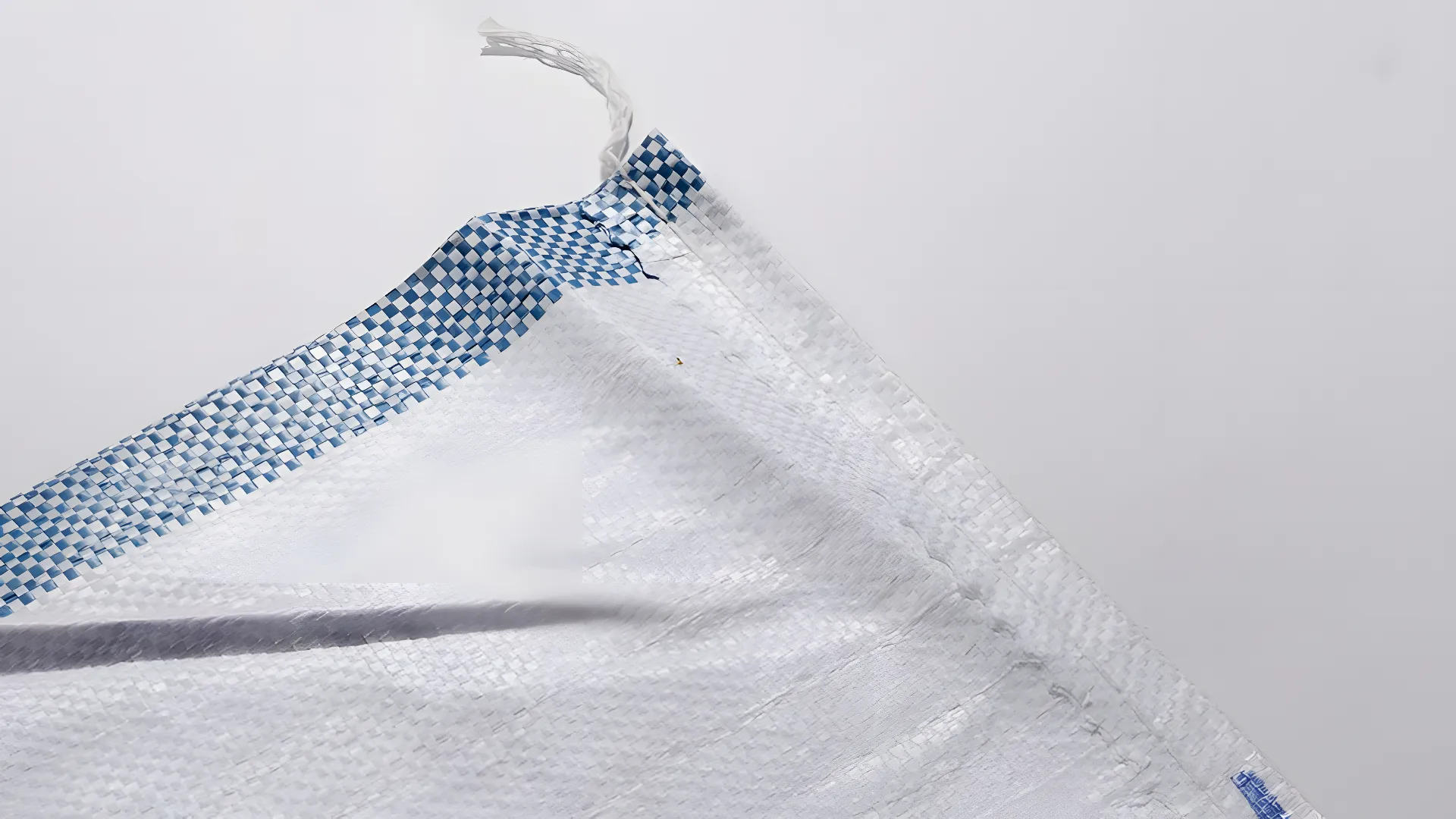
Sacolas de tecido de polipropileno (PP) e recipientes intermediários de grande capacidade flexíveis (FIBCs) podem ser reciclados mecanicamente quando sua construção, conteúdo anterior e contaminação forem compreendidas. Elas não devem ser tratadas como filmes de camada única comuns. A fita tecida, revestimentos, forros, rótulos, costuras, impressão e produto residual todos afetam a triagem, lavagem, extrusão e o valor do grânulo reciclado.
Identifique a bolsa antes de escolher o processo
Um projeto de reciclagem deve separar pelo menos essas classes de materiais:
- Clean production scrap: Rafia de PP, cortes tecidos e sacolas vazias rejeitadas com composição conhecida
- Post-use woven sacks: fertilizer, feed, grain, resin or construction-product bags
- FIBCs or bulk bags: grandes recipientes tecidos de PP que podem incluir revestimentos, forros de PE, ganchos de elevação, bolsas de documentos e rótulos
- Laminated or heavily coated bags: structures that may contain paper, PE film, aluminum or barrier layers
Record resin, coating, liner, color, printing, stitching and previous contents. The bag’s history is a safety and product-quality input. Containers that held hazardous, unknown or regulated substances require qualified assessment and may not be suitable for the intended mechanical-recycling route. Never assume that a quick rinse makes an unknown bulk bag safe.
Typical recycling routes
Clean post-industrial PP woven scrap
O resíduo limpo conhecido pode ser inspecionado, protegido contra metais, cortado, compactado e pelotizado sem lavagem completa. A filtração ainda é selecionada para impressão, rótulos de papel, fio de costura e contaminação de produção. Manter cores e formulações separadas geralmente proporciona mais controle sobre o grau de pelotização.
Contaminated post-use sacks and FIBCs
A typical industrial route is:
inspeção e classificação → remoção de forro/rotulagem e item estranho → despalhamento e alimentação métrica → trituração ou granulação → lavagem prévia e lavagem por fricção → separação de densidade e lavagem → dessorvamento mecânico ou espremimento → extrusão controlada, filtração e pelotização.
A ordem e a química de lavagem dependem do conteúdo anterior. Pó mineral seco, resíduo orgânico, óleos e produtos solúveis em água precisam de pré-limpeza e controle de efluentes diferentes. Um fornecedor deve testar material representativo normal e pior-normal antes de fixar a lista de equipamentos.
Stage 1: inspection, sorting and preparation
Inspecione as sacolas enquanto ainda são identificáveis. Mantenha registros da origem e do produto anterior, quando disponível. Separe recipientes desconhecidos, cargas incompatíveis quimicamente, estruturas altamente laminadas e sacolas com material estranho excessivo. Remova inserções rígidas, metais, cordas e acessórios não processáveis antes de equipamentos de alta velocidade.
Os forros de sacolas FIBC são frequentemente uma forma ou grau de polímero diferente do corpo de PP tecido. Dependendo do produto alvo, o forro pode precisar ser removido e reciclado separadamente. Documentos de sacolas, rótulos e costuras também podem introduzir resina incompatível, papel ou adesivo.
Os balés devem ser abertos e alimentados métricamente em vez de serem jogados em um triturador como uma massa não controlada. A estabilidade da alimentação afeta a carga do motor, a qualidade do corte e o desempenho de cada lavador downstream.
Stage 2: size reduction
A tecidual tecidual é resistente e pode envolver em eixos. O esmagador ou granulador necessita de um rotor adequado, disposição de facas e sistema de alimentação. Grandes FIBCs dobradas e sacos amachucados podem usar esmagamento primário de baixa velocidade antes da granulação final; o desperdício de produção solto e preparado pode entrar diretamente em um granulador especializado.
Defina o tamanho necessário de grão ou faixa a partir da lavagem e alimentação por extrusão. Uma peneira menor não é uma cura para envolvimento ou alimentação instável. Durante os testes, registre o volume de produção, corrente, interrupções, finos e a quantidade de material não cortado.
Review linha de reciclagem de bolsa tecida de PP e raffia configurações juntamente com a preparação de entrada de palhetas e plano de tratamento de rejeitos.
Stage 3: washing and separation
A lavagem prévia remove poeira solta, resíduos de produto e areia antes que causem desgaste excessivo. A lavadora de fricção de alta velocidade pode fornecer limpeza mecânica da superfície após a redução de tamanho. A temperatura da água, o detergente, o tempo de permanência e o número de etapas devem ser estabelecidos por testes e requisitos de descarga, não por uma receita universal.
PP normally floats in water, so a tanque de flutuação pode remover muitos contaminantes mais densos. Ele não remove todos os revestimentos de PE, etiquetas de poliolefina ou materiais estrangeiros de baixa densidade e não substitui a triagem de origem.
Plan for water filtration, sediment removal and the treatment of dissolved or suspended contamination from the bags’ previous contents. The wastewater system is part of the recycling process and can be the capacity constraint on dirty material.
Stage 4: dewatering and densification
As faixas tecidas e os grânulos retêm água em dobras e entre as fitas. A dessorção mecânica deve remover tanta água livre quanto possível antes da secagem térmica ou da extrusão. Uma prensa de rolo ou máquina de espremer filme plástico também pode aumentar a densidade volumétrica e estabilizar o fornecimento.
Mede a umidade residual usando um método acordado e amostra ao longo da produção. Uma amostra seca não pode estabelecer o desempenho da linha. Também registre a densidade volumétrica de saída e a forma dos grãos, pois um valor de umidade médio não mostra se o extrusor fornecerá consistentemente.
Stage 5: extrusion, filtration and pelletizing
Densified PP feed is melted and homogenized in the extruder. Venting manages residual moisture and volatiles within the equipment’s operating range. Melt filtration captures solid contamination, but frequent screen changes can reduce output when incoming paper, aluminum or grit is not controlled upstream.
O material impresso e degradado pode afetar o odor, a cor e as propriedades mesmo após a filtração. Defina as temperaturas do processo a partir do resina, do tempo de permanência e dos testes; evite tratar um perfil de temperatura como correto para todos os fluxos de sacos de PP.
UM water-ring pelletizing system for woven bags é uma configuração de acabamento possível. As etapas de corte, resfriamento e secagem selecionadas devem coincidir com o comportamento do derretimento, a especificação do grão e a taxa de produção.
Quality checks for recycled PP bag pellets
- PP content and incompatible polymer or multilayer content
- Moisture and volatile behavior
- Melt flow consistency
- Color, odor, black specks and visible contamination
- Metal, paper, mineral and ash content where relevant
- Pellet size, fines and bulk density
- Testes mecânicos ou de produtos requeridos pelo cliente pretendido
Não prometa que cada FIBC reciclado possa retornar ao mesmo uso. A próxima aplicação depende da composição, contaminação, degradação e requisitos regulamentares ou do cliente. Pelotas recicladas podem ser usadas em produtos moldados, extrudidos ou tecidos apropriados quando atenderem às especificações relevantes.
Critérios de aceitação da linha
Um teste de aceitação da fábrica ou do local útil deve declarar:
- Os tipos de sacos testados, revestimentos, contaminação e umidade incoming
- Saída líquida estável de flakes ou pelotas aceitas
- Produção, rejeitos e frequência de troca de filtro
- Uso de eletricidade, água e calor durante o período de teste definido
- Umidade de saída, densidade aparente e resultados de qualidade de pelotas acordados
- Paradas, embalagem, intervenções manuais e tempo de limpeza
- Sólidos de efluentes e o destino do material rejeitado
Compare os resultados com base em uma entrada e saída comuns. Uma alta taxa de entrada do alimentador não é a mesma coisa que uma alta produção de pelotas vendáveis.
Erros comuns no reciclagem de sacos de PP
- Aceitar FIBCs sem saber seu conteúdo anterior
- Tratar revestimentos, coberturas, rótulos e fio de costura como inofensivos PP
- Usar o mesmo processo para resíduos de rafia limpa e sacos altamente contaminados
- Esperar que a separação de flutuação remova todos os contaminantes de baixa densidade
- Usar calor para compensar a desidratação mecânica fraca
- Medir capacidade nominal sem produção, troca de filtro ou qualidade de saída
Sacos tecidos não são não-tecidos de PP
O PP tecido usa fitas entrelaçadas em tecido, enquanto o PP não tecido é feito de fibras ou filamentos unidos em uma rede. Seus pontos de coleta, contaminação, comportamento volumétrico e resposta à redução de tamanho podem diferir. Use o equipamento dedicado PP nonwoven recycling guide quando a alimentação é spinning, meltblown, resíduos de produção de higiene ou sacolas de compras não tecidas.
Conclusão
Sacolas tecidas de PP e FIBCs são recicláveis quando a origem, a construção e a contaminação são controladas. O processo deve separar o resíduo de produção limpa das sacolas de pós-uso, verificar o conteúdo anterior, remover componentes incompatíveis e testar lavagem, desidratação e extrusão em uma linha.
Choose equipment from the material trial and a written pellet specification. This protects both the recycling operation and the downstream customer from assumptions hidden behind the simple label “PP bag.”
Perguntas Frequentes
Todos os sacos de bulk FIBC podem ser reciclados?
N. Construção, revestimentos, revestimentos, conteúdo anterior e contaminação devem ser avaliados. Sacos que continham substâncias perigosas, desconhecidas ou regulamentadas podem precisar de um caminho autorizado diferente.
As sacolas de PP precisam ser lavadas antes de serem pelotizadas?
Resíduos de produção limpa conhecidos podem não. Sacos e FIBCs usados geralmente precisam de um processo de limpeza adequado aos seus resíduos, impressão, rótulos, forros e especificação final de grânulos.
Pode um tanque de decantação de flutuação remover revestimentos de PE de escamas de PP?
Não confiavelmente. Tanto o PP quanto muitos materiais de PE flutuam na água. As fitas devem ser identificadas e removidas por meio do controle de origem ou outra classificação, onde a especificação do produto requer a separação.
