

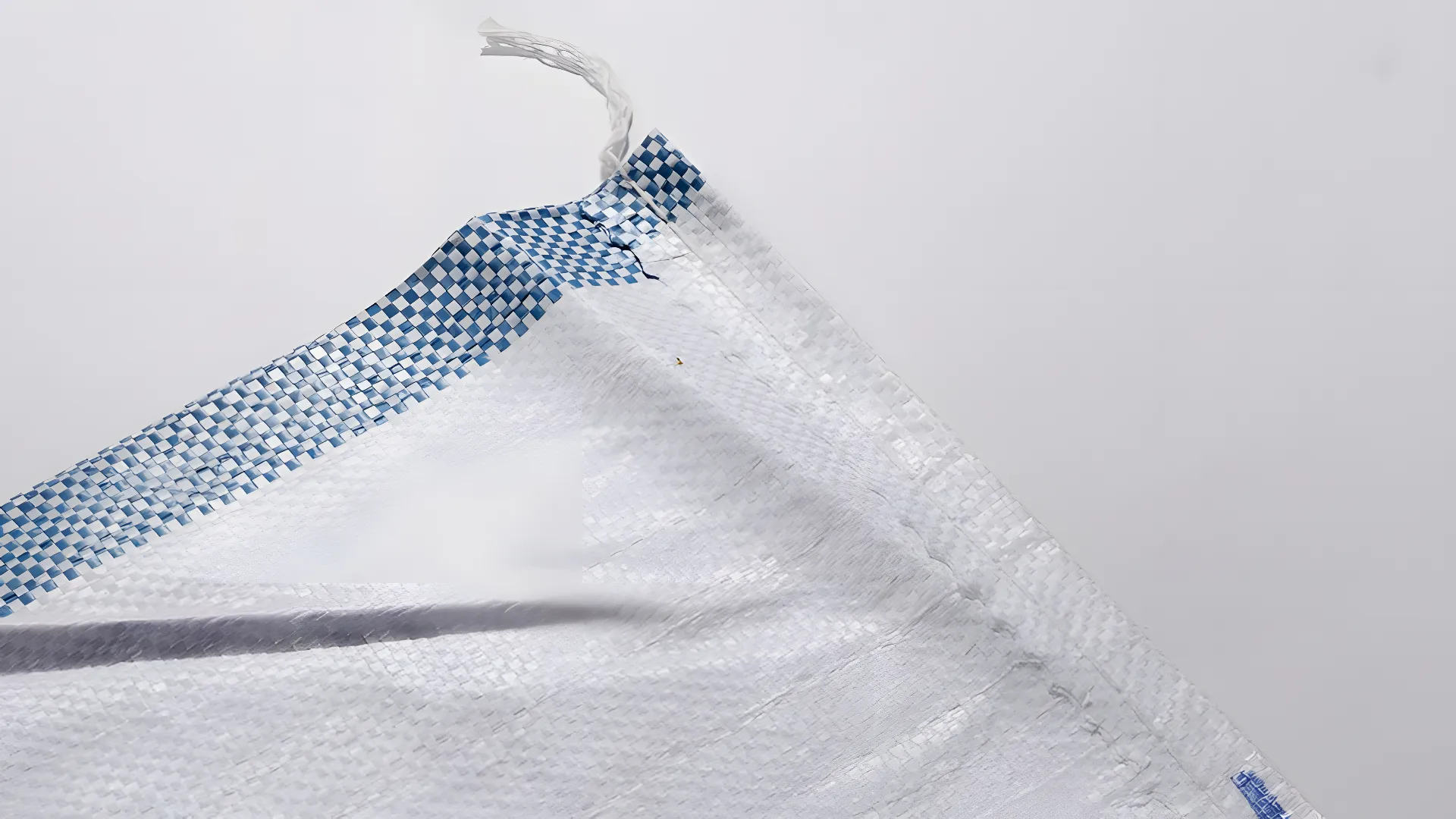
PP 원단 가방과 유연한 중간 용량 박스(FIBCs)는 구조, 이전 내용물 및 오염이 이해되면 기계적으로 재활용될 수 있습니다. 일반 단층 필름으로 대체되지 않아야 합니다. 원단 레이어, 코팅, 라인링, 레이블, 접합선, 인쇄 및 잔여 제품 모두 분류, 씻기, 압출 및 재활용 볼의 가치에 영향을 미칩니다.
공정을 선택하기 전에 봉지를 식별하세요
재활용 프로젝트는 최소 이러한 재료 분류를 분리해야 합니다:
- Clean production scrap: 알려진 구성을 가진 PP 라피아, 비단백 쪼개기 및 거부된 비어 있는 봉지
- Post-use woven sacks: fertilizer, feed, grain, resin or construction-product bags
- FIBCs or bulk bags: 코팅, PE 라이너, 들어올리기 루프, 문서 포치 및 레이블이 포함될 수 있는 대형 비단백 용기
- Laminated or heavily coated bags: structures that may contain paper, PE film, aluminum or barrier layers
Record resin, coating, liner, color, printing, stitching and previous contents. The bag’s history is a safety and product-quality input. Containers that held hazardous, unknown or regulated substances require qualified assessment and may not be suitable for the intended mechanical-recycling route. Never assume that a quick rinse makes an unknown bulk bag safe.
Typical recycling routes
Clean post-industrial PP woven scrap
알려진 깨끗한 스쿨은 전면 씻음 없이 검사, 금속 보호, 자르기, 압축 및 펠릿화할 수 있습니다. 인쇄, 종이 레이블, 케이블과 생산 오염물은 여전히 필터링이 선택됩니다. 색상과 공정을 분리하여 일반적으로 펠릿 등급에 대한 통제력을 더 높입니다.
Contaminated post-use sacks and FIBCs
A typical industrial route is:
검사 및 분류 → 라인너/라벨 및 외부품 제거 → 데벌링 및 측정된 공급 → 썬딩 또는 그라널링 → 사전 씻기 및 마찰 씻기 → 밀도 분리 및 씻기 → 기계적 드레인링 또는 압축 → 제어된 압출, 필터링 및 펠릿화.
주문 및 씻기 화학물질은 이전 내용에 따라 결정됩니다. 건조된 무기 분말, 유기적인 잔, 기름 및 수 제품은 다른 사전 정화 및 하수도 관리가 필요합니다. 공급업체는 장비 목록을 확정하기 전에 대표적인 일반 및 최악의 일반 재료를 테스트해야 합니다.
Stage 1: inspection, sorting and preparation
백이 인식될 때까지 검사하세요. 가능한 경우 원천 및 이전 제품의 기록을 유지하세요. 모르는 컨테이너, 화학적으로 불일치하는 부하, 두꺼운 레이어 구조 및 과도한 외부 물질이 들어간 백을 분리하세요. 고속 장비 이전에 고정된 삽입물, 금속, 줄과 처리할 수 없는 부속을 제거하세요.
FIBC 라이너는 일반적으로 와이드한 PP 본체와 다른 형태나 등급의 폴리머입니다. 목표 제품에 따라 라이너가 분리되어 별도로 재활용되어야 할 수 있습니다. 포장지, 레이블 및 봉합이 불일치하는 레시신, 종이 또는 접착제를 도입할 수도 있습니다.
백을 열고 측정된 공급을 해야 하며, 무제한의 질량으로 쪼개기에 던지지 마세요. 공급 안정성은 모터 부하, 자르기 품질 및 모든 드레인의 성능에 영향을 미칩니다.
Stage 2: size reduction
구조물은 강하고 축을 둘러싸고 감을 수 있습니다. 쇼더나 그란ولا이저는 적절한 루터, 날치 배치 및 입력 시스템이 필요합니다. 큰 접을 펼친 FIBC와 백을 사용할 때 최종 그란ولا이제이션 전에 낮은 속도의 원본 쇼더링을 사용할 수 있습니다; 준비된 생산 쓰레기는 직접 전문 그란ولا이저에 들어갈 수 있습니다.
세척 및 extrusion feeding에서 필요한 파이프나 띠 크기를 정의하세요. 작은 스크린은 감기를나 불안정한 입력을 해결하는 방법이 아닙니다. 시험 중에는 처리량, 전류, 중지, 미세 입자 및 잘리지 않은 재료의 양을 기록하세요.
Review PP woven bag and raffia recycling line 구성과 함께 들어오는 백 준비 및 거부 처리 계획.
Stage 3: washing and separation
미리 씻어서는 과도한 손상을 유발하기 전에 흔적 먼지 제품 잔 모래를 제거합니다. 고속 마찰 세척기 축소 후 기계적 표면 청소를 제공할 수 있습니다. 물 온도, 세제, 머무는 시간 및 단계 수는 시험과 배출 요구 사항에 따라 설정되어야 하며, 일반적인 레시피가 아닙니다.
PP normally floats in water, so a 싱크-플로트 탱크 많은 밀도가 높은 오염물을 제거할 수 있습니다. 모든 PE 라이너, 폴리올레핀 레이블이나 저밀도 외래 물질을 제거하지 않으며, 원본 정리를 대체하지 않습니다.
Plan for water filtration, sediment removal and the treatment of dissolved or suspended contamination from the bags’ previous contents. The wastewater system is part of the recycling process and can be the capacity constraint on dirty material.
Stage 4: dewatering and densification
빈섬유 띠와 파편은 접시와 띠 사이에 물을 유지합니다. 기계식 물 제거는 열 건조나 압출 전에 가능한 많은 자유 물을 제거해야 합니다. 스크루 프레스나 플라스틱 필름 압착기 빔 밀도를 증가시키고 공급을 안정화할 수도 있습니다.
생산 과정에서 합의된 방법으로 잔여 습도를 측정하고, 샘플을 취합니다. 한 개의 건조 샘플만으로는 라인 성능을 확정할 수 없습니다. 또한, 평균 습도 값만으로는 엑struder가 일관되게 공급할 수 있는지 보여주지 않기 때문에, 출력 체적 밀도와 분자 형태도 기록하세요.
Stage 5: extrusion, filtration and pelletizing
Densified PP feed is melted and homogenized in the extruder. Venting manages residual moisture and volatiles within the equipment’s operating range. Melt filtration captures solid contamination, but frequent screen changes can reduce output when incoming paper, aluminum or grit is not controlled upstream.
인쇄 및 퇴화된 재료는 필터링 후에도 냄새, 색상 및 성질에 영향을 미칠 수 있습니다. 레지나, 머무는 시간 및 시험을 기준으로 과정 온도를 설정하십시오; 모든 PP 백 스트림에 대해 정확한 단일 온도 프로파일을 다루지 마십시오.
에이 water-ring pelletizing system for woven bags 일반적인 완성도 설정 중 하나입니다. 선택된 컷터, 쿨링 및 건조 단계는 용윤 행동, 펠릿 규격 및 생산률과 일치해야 합니다.
Quality checks for recycled PP bag pellets
- PP content and incompatible polymer or multilayer content
- Moisture and volatile behavior
- Melt flow consistency
- Color, odor, black specks and visible contamination
- Metal, paper, mineral and ash content where relevant
- Pellet size, fines and bulk density
- 의도하는 고객이 요구하는 기계적이거나 제품 시험
재활용된 FIBC가 동일한 업무로 돌아갈 수 있는 것을 약속하지 마세요. 다음 사용은 구성, 오염, 퇴화 및 규제나 고객 요구에 따릅니다. 재활용 펠릿은 관련 규격을 충족하면 적합한 비기본적인 모델링,,에 사용될 수 있습니다.
라인 수용 기준
유용한 공장이나 현장 수용 시험은 다음과 같이 명시해야 합니다:
- 시험된 배구형, 라이너, 오염 및 도착한 습도
- 수용된 파이프의 안정적인 넷 아웃 품량
- 수익, 반품 및 필터 교환 빈도
- 정의된 시험 기간 동안 사용된 전기, 물 및 열
- 출력 습도, 볼륨 밀도 및 합의된 펠릿 품질 결과
- 정지, 포장, 수동 개입 및 청소 시간
- 폐수 고체 및 반품 재료의 목적지
공통된 원료와 출력 기준으로 결과를 비교하세요. 높은 하프 피드 레이트는 높은 판매 가능 펠릿 수익과 같지 않습니다.
일반적인 PP 배구 재활용 오류
- 이전 내용을 알지 못한 FIBC를 수용하는 것
- 라이너, 코팅, 레이블 및 섬유를 무해한 PP로 대우하는 것
- 깨끗한 라피아 스crap과 심각하게 오염된 배구를 동일한 과정을 사용하는 것
- 저density 오염물을 완전히 제거할 것이라고 기대하는 것
- 열을 사용하여 약한 기계적 드라이어링을 보상하는 것
- 수익, 필터 교환 또는 출력 품질 없이 명목적인 용량을 측정하는 것
비옥따가 아니에요 비비로 만들어진 것 아니에요
원단에 교차로 결합된 라벤더를 사용하여 만들어지는 와이어드 PP와, 섬유나 필라멘트로 만들어진 웨이브로 만들어지는 비원단 PP가 있습니다. 그들의 수집 원천, 오염, 볼륨 행동 및 크기 감소 응답은 다를 수 있습니다. 전용 PP nonwoven recycling guide 피드가 스파운본, 멜트블로운, 위생 생산 스캔드나 비단재 쇼핑백으로 회전된 경우.
결론
비 및 FIBCs는 원료, 구조 및 오염이 통제되면 재활용됩니다. 과정은 깨끗한 생산 쓰레기와 사용 후 배를 구분하고, 이전 내용을 확인하고, 불일치하는 구성 요소를 제거하고, 씻기, 물 제거 및을 일선에서 검사해야 합니다.
Choose equipment from the material trial and a written pellet specification. This protects both the recycling operation and the downstream customer from assumptions hidden behind the simple label “PP bag.”
Frequently asked questions
Can all FIBC bulk bags be recycled?
건물 번호, 라인너, 코팅, 이전 내용물 및 오염물이 평가되어야 합니다. 위험성이 있거나 알 수 없는 물질이나 규제된 물질을 포함한 배가 다른 허가된 경로가 필요할 수 있습니다.
Do PP woven bags need washing before pelletizing?
알려진 깨끗한 생산 쓰레기는 아닐 수 있습니다. 사용 후의 봉지와 FIBCs는 일반적으로 그들의 배출물, 인쇄, 레이블, 라이너 및 최종 펠릿 규격에 맞는 청소 과정이 필요합니다.
PE 라인러가 PP 플라크에서 제거될 수 있습니까?
안정적으로는 아닙니다. PP와 많은 PE 재료는 물에 떠집니다. 제품 규격이 분리를 요구하는 경우, 라이너를 식별하여 원천 통제나 다른 정리를 통해 제거해야 합니다.
