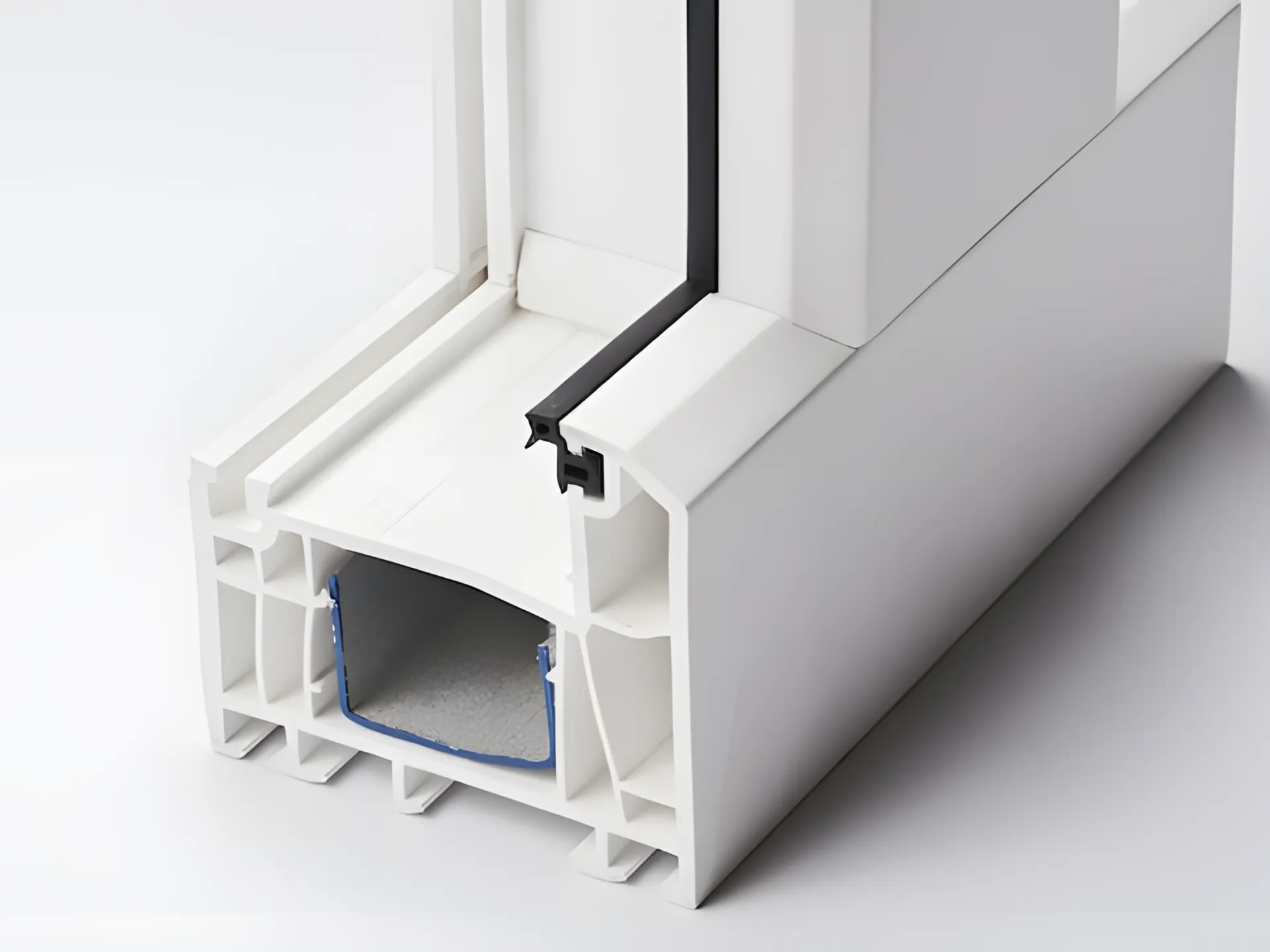

PVC maintenance is different from PE or PP maintenance because the failure modes are different. Two factors drive most downtime: – Corrosive fumes when PV...
Rigid plastic recycling is not one process. The “right” line depends on what industry the scrap comes from and what the buyer expects on the other end (wash...
PP rigid scrap can be a profitable feedstock—if you control contamination, moisture, and polymer mix. For plant managers and industrial buyers, the “right�...
Industrial shredders are capital equipment. If you run a single-shaft shredder every day, small issues—dull knives, contaminated feedstock, poor lubrication d...
Industrial shredder blades are the teeth of your recycling operation. When they dull, your entire production line slows down, energy costs spike, and output qua...
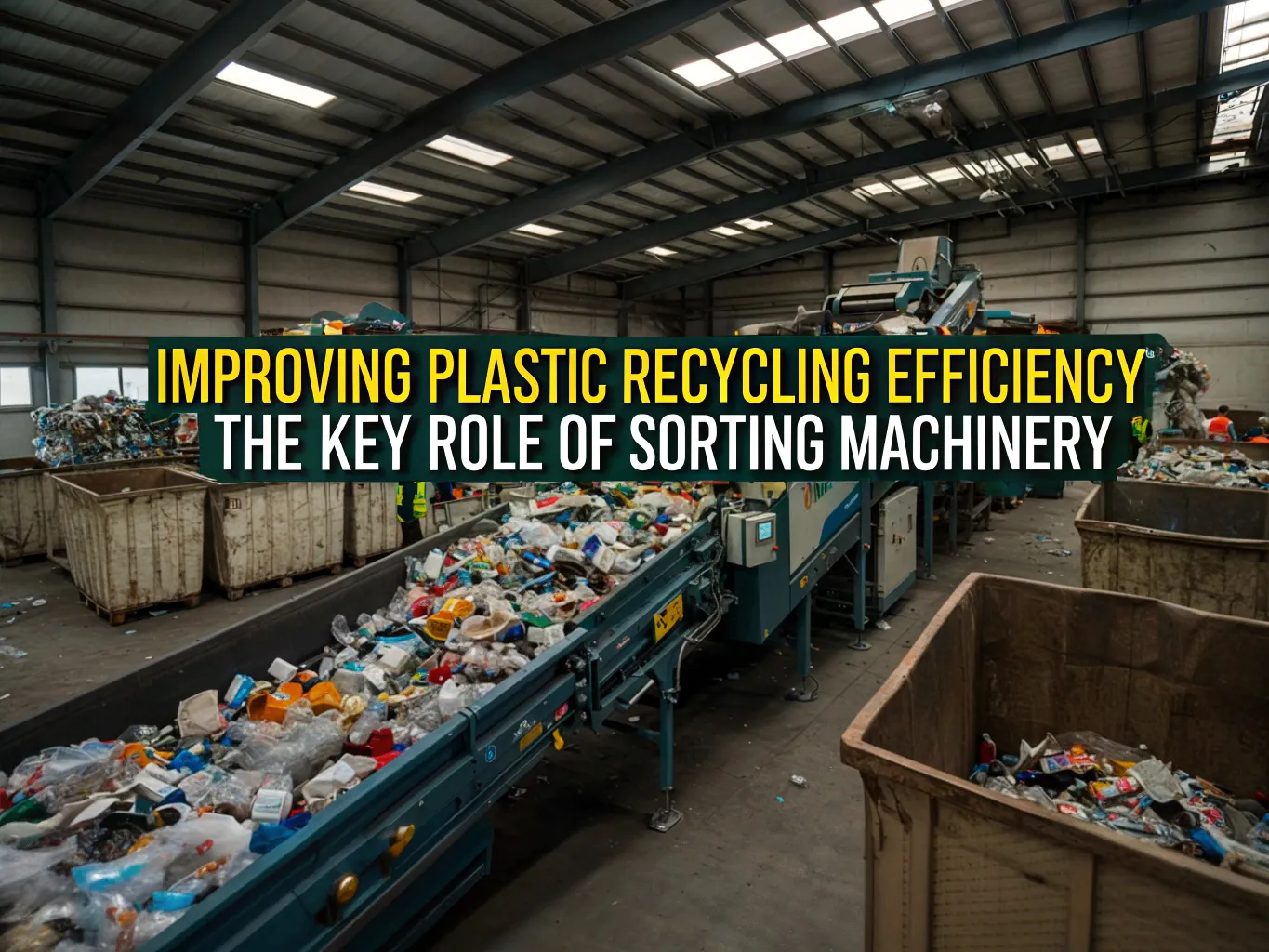
Every percentage point of recovery matters when you're processing thousands of tons per year. If you purchase 1,000 tons of baled plastic and only sell 700...
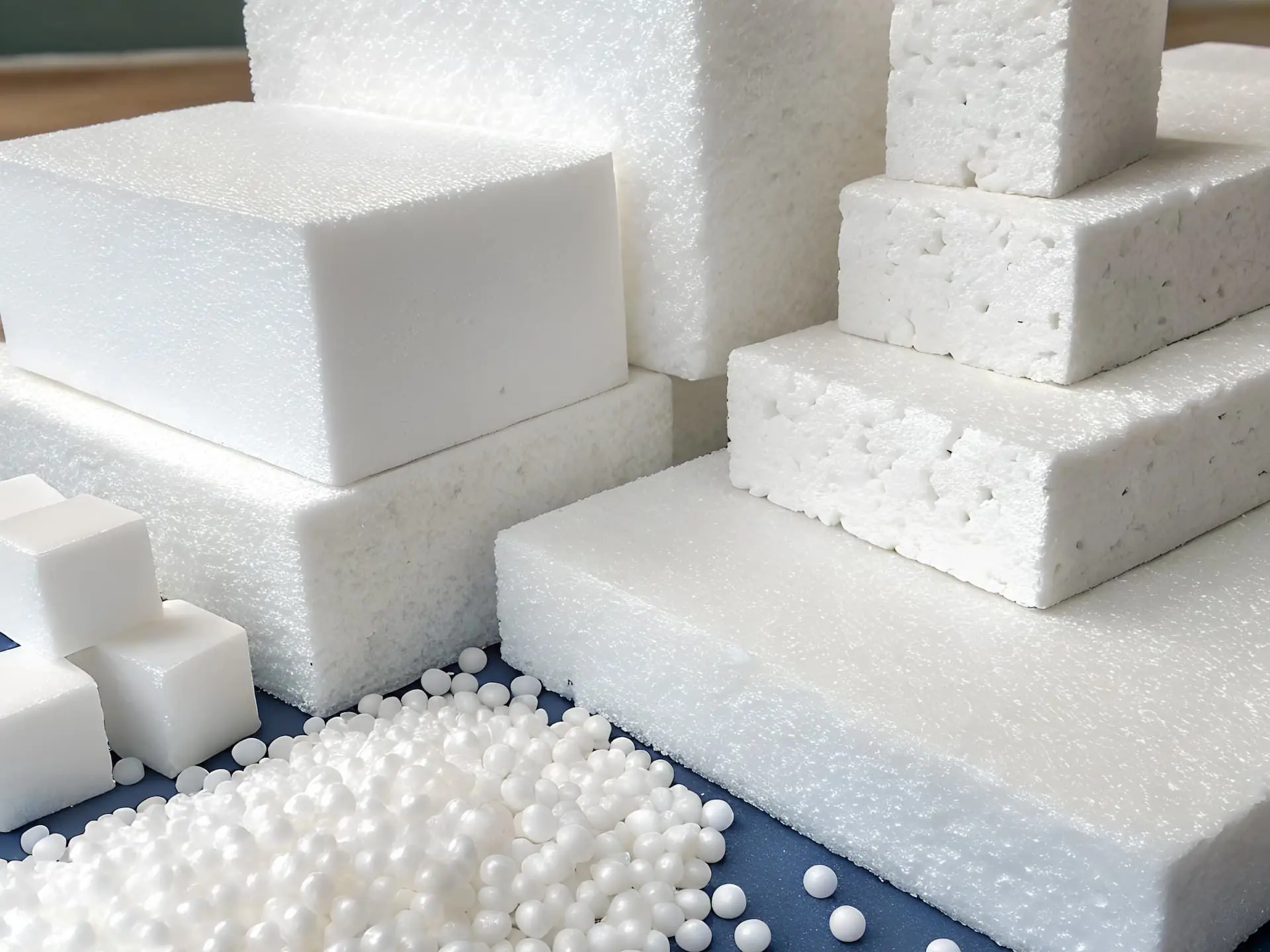
Dealing with Expanded Polystyrene (EPS) waste—commonly known as Styrofoam—is one of the biggest logistical headaches for businesses today. It is lightweight...
Rigid plastics—such as containers, bottles, crates, pipes, and industrial packaging—represent a high-value but technically demanding segment of plastic recy...
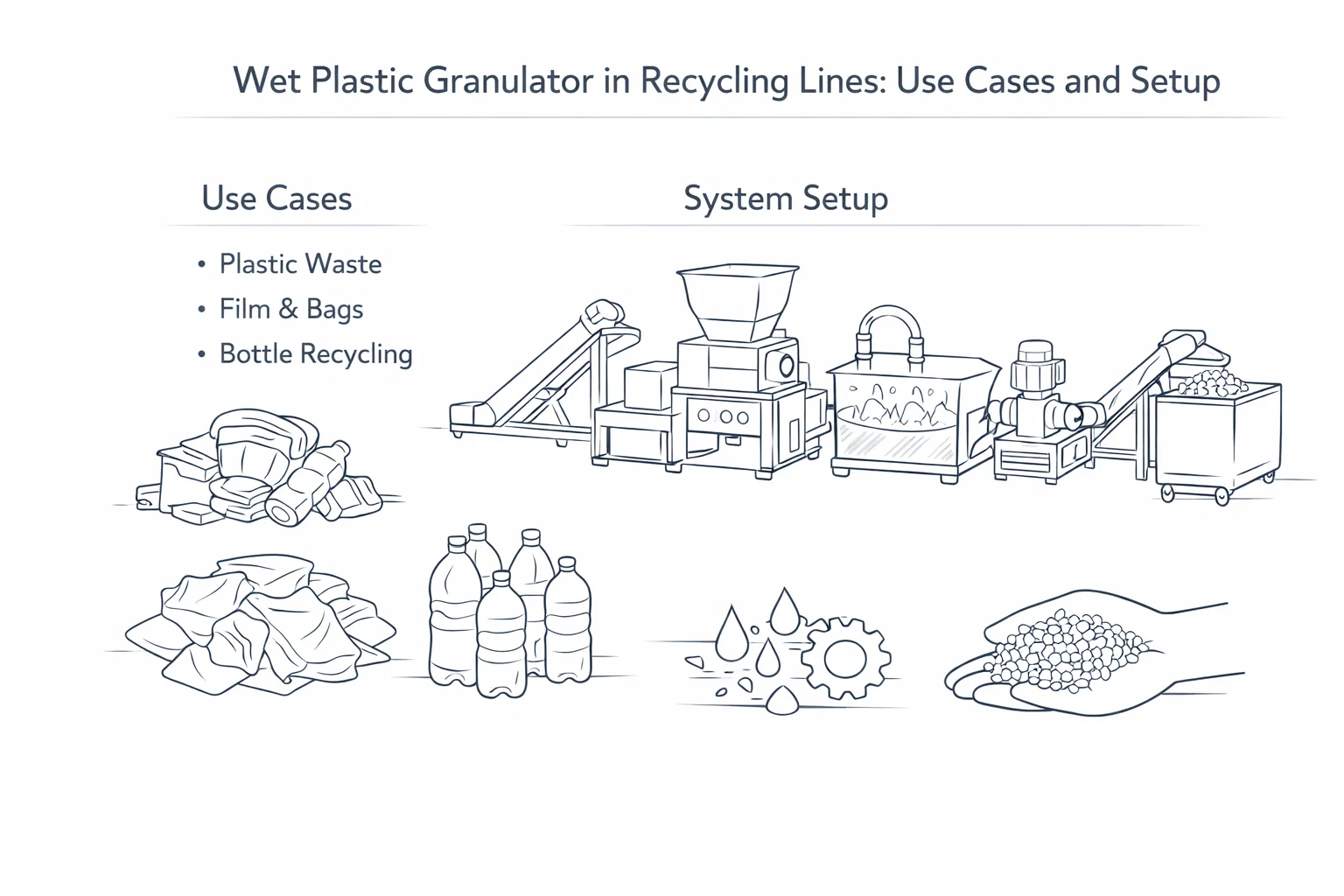
As global demand for recycled plastics grows, efficient processing technologies become critical. Wet plastic granulator machines are at the heart of modern recy...
Investing in plastic recycling equipment is a strategic decision that directly impacts your operating costs, production efficiency, and long-term profitability....