

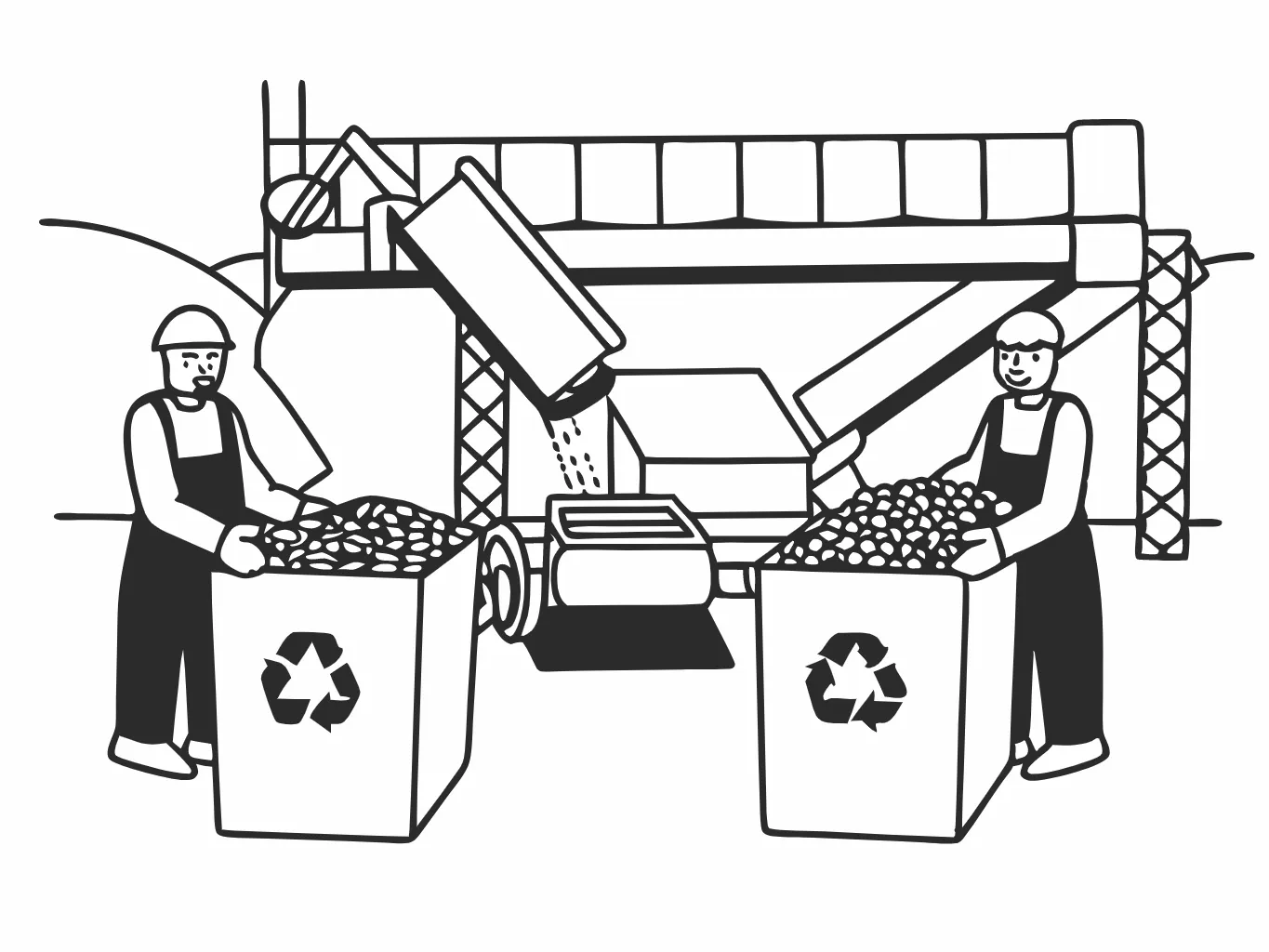
Recikliranje polistirena često se opisuje kao teško, ali prepreka obično nije kemija - to je prikupljanje i prijevoz. Ekspandirani polistiren (EPS) zauzima puno prostora u odnosu na svoju težinu. Bez zgušnjavanja, troškovi skladištenja i prijevoza mogu dominirati ekonomijom.
Strojevi za recikliranje stiropora rješavaju taj problem pretvaranjem rastresite pjene u gušće formate koje je lakše rukovati, transportirati i prerađivati u pelete ili druge proizvode.
Brzi zalogaji (za kupce)
- Ako vaš tok uključuje EPS pjenu, zgušnjavanje je obično prvi korak koji program recikliranja čini izvedivim.
- “Pravi” stroj ovisi o izlaznom formatu (trupci/ingoti/peleti), razini kontaminacije i koliko će vaša obrada biti centralizirana.
- Ako planirate peletirati PS, sortiranje, čišćenje i filtraciju taline tretirajte kao osnovne zahtjeve, a ne kao dodatke.
PS vs EPS: Znajte s čime rukujete
Polistiren se pojavljuje u više oblika: – Kruti PS (često GPPS/HIPS) koji se koriste u raznim krutim proizvodima i ambalaži – EPS pjena koristi se za amortizaciju i izolaciju zbog niske gustoće
APR-ove smjernice za dizajn PS/EPS-a napominju da je niska gustoća EPS-a jedan od razloga zašto se koristi za izolaciju i amortizaciju, a također naglašavaju da pristup prikupljanju može biti ograničen u mnogim regijama - stoga vaš poslovni slučaj treba realističan pogled na prikupljanje i logistiku, ne samo na opremu za preradu. (Izvor: Smjernice za projektiranje APR PS/EPS-a)
Tri izlazna formata koja utječu na vaš izbor opreme
Većina kupaca na kraju odabere jedan od ovih “izlaznih puteva”. Svaki put ima različite kapitalne izdatke, komunalne usluge i operativni rizik.
| Izlazni format | O que é | Koji su vam strojevi obično potrebni | Gdje odgovara |
|---|---|---|---|
| Zbijeni EPS trupci | Mehanički komprimirana pjena (nije potpuno rastopljena) | EPS kompaktor + osnovno sortiranje i skladištenje | Čisti tokovi pjene za pakiranje; distribuirana mjesta za prikupljanje koja napajaju središnji procesor |
| Termički zgusnuti ingoti | Pjena se pod utjecajem topline urušila u guste blokove | Termički zgušnjivač + ventilacija + sigurno rukovanje/sakupljanje | Mjesta kojima je potrebna veća gustoća za otpremu i koja mogu podržati ventilaciju i upravljanje toplinom |
| PS pelete | Ekstrudirani i peletirani reciklirani PS | Zgušnjavanje (ako je EPS) + usitnjavanje/mljevenje + ekstruzija + filtracija taline + peletiranje | Operacije koje prodaju standardizirane sirovine prerađivačima; viša očekivanja kontrole kvalitete |
Ako želite detaljan pregled procesa, pogledajte Energycle-ove Pregled radnog procesa stroja za recikliranje EPS-a i njegove pregled strojeva za recikliranje ekspandiranog polistirena (EPS).
Osnovni strojni moduli (što je zapravo važno u svakodnevnom radu)
1) Sortiranje i kontrola kontaminacije
Vrijednost PS-a i EPS-a brzo pada kada se tokovi miješaju s drugim plastikama, papirom, ostacima hrane ili sitnim česticama. Definirajte što ćete prihvatiti, a kako ćete odbaciti.
Kupac provjerava: – kako se materijal pregledava (ulazna kontrola kvalitete) – kako se miješana plastika uklanja (ručno ili automatizirano) – kako se rukuje ambalažom koja dolazi u kontakt s hranom (upravljanje rizikom od kontaminacije)
2) Zgušnjavanje (za EPS tokove)
Ovo je modul koji mijenja krivulju troškova logistike.
Dva uobičajena pristupa: – Hladno zbijanje (mehaničko): komprimira pjenu u trupce. Jednostavniji i često niži zahtjevi za komunalne usluge. – Toplinsko zgušnjavanje: Toplinom se pjena urušava u ingote. Može postići veću gustoću, ali zahtijeva ventilaciju i upravljanje toplinom.
3) Smanjenje veličine (kada planirate peletiranje)
Zgusnuti materijal i dalje zahtijeva stabilno dovodenje u ekstruder. To obično znači usitnjavanje ili mljevenje na kontroliranu veličinu.
4) Ekstruzija, filtracija i peletiranje (kada prodajete pelete)
Ako je vaš cilj proizvodnje standardizirani pelet, ocjenjivat ćete se prema konzistentnosti. To obično znači: – stabilno punjenje (izbjegavanje naglih porasta) – filtracija taline usklađena s opterećenjem onečišćenja – metoda peletiranja usklađena s polimerom i operativnim modelom postrojenja
Za nizvodne opcije, Energycle strojevi za peletiranje plastike Stranica je koristan vodič za konfiguracije linija.
Što navesti u zahtjevu za ponudu (kako bi ponude bile usporedive)
| Stavka zahtjeva za ponudu | Zašto je to važno | Što navesti |
|---|---|---|
| Materijalni oblik | EPS u odnosu na kruti PS mijenja cijelu liniju | EPS pjena u odnosu na krudi PS; tipična veličina komada; onečišćujuće tvari |
| Profil kontaminacije | Pokreće potrebe za sortiranjem, čišćenjem i filtriranjem | Papir/etikete, ostaci hrane, miješana plastika, fine čestice |
| Izlazni format | Definira vrstu stroja i uslužne programe | Trupci/ingoti/peleti; zahtjevi za pakiranje i rukovanje |
| Propusnost i radni ciklus | Određuje dimenzije i plan održavanja | cilj kg/h i smjene/dan; vršna u odnosu na prosječna opterećenja |
| Komunalne usluge i ograničenja lokacije | Često blokira projekte nakon kupnje | Raspoloživa snaga, ograničenja ventilacije, prostor, ograničenja buke |
Napomene o tržištu i usklađenosti (što utječe na prodajnu cijenu)
Za PS i EPS projekte, odabir opreme je samo pola posla. Prodajna cijena ovisi o tome može li vaša proizvodnja zadovoljiti zahtjeve kupca:
- Miris i ostaci: EPS za prehrambenu industriju može sadržavati ostatke koji uzrokuju neugodne mirise. Ako je vaše krajnje tržište osjetljivo, planirajte agresivnije čišćenje i strožiju kontrolu kvalitete.
- Tolerancija kontaminacije: Kupci PS-a često se usredotočuju na vidljive mrlje i prijenos miješanih polimera. Definirajte pravila uzorkovanja i odvajanja lotova kako “jedno loše utovarivanje” ne bi kontaminiralo cjelodnevnu proizvodnju.
- Ambicija u kontaktu s hranom: Ako ciljate na primjenu u kontaktu s hranom, rano se posavjetujte s relevantnim regulatornim smjernicama i očekujte strožu dokumentaciju i kontrolu procesa. U SAD-u FDA objavljuje smjernice o kemijskim razmatranjima za recikliranu plastiku u ambalaži za hranu. (Izvor: Smjernice američke FDA)
Često postavljana pitanja (Pitanja o stvarnoj nabavi)
Je li EPS pjena zapravo reciklabilna ili se “tehnički može reciklirati, ali se ne sakuplja”?
Obje tvrdnje mogu biti istinite ovisno o vašoj regiji. Mehanički, EPS se može preraditi kada ga možete čisto prikupiti i zgusnuti kako bi dostava imala smisla. Praktična prepreka je često ta što je EPS glomazan, pa troškovi prikupljanja i prijevoza mogu premašiti vrijednost materijala osim ako se zgušnjavanje ne dogodi rano. APR-ove smjernice za dizajn PS/EPS-a također napominju da pristup prikupljanju za PS ili EPS može biti ograničen u nekim područjima, zbog čega bi plan recikliranja trebao započeti s realističnim kanalima prikupljanja i kontrolom kontaminacije. Opremu tretirajte kao drugi korak nakon što potvrdite opskrbu i kupce. (Izvor: Smjernice za projektiranje APR PS/EPS-a)
Trebam li kupiti hladni kompaktor ili termički zgušnjivač za EPS?
Odaberite na temelju čistoće ulaznih materijala, komunalnih usluga i logističkog modela. Hladni kompaktori obično su jednostavniji za korištenje i mogu primiti čišće tokove pjene za pakiranje. Termički zgušnjavači mogu stvoriti gušći izlaz, ali dodaju zahtjeve za upravljanje toplinom i ventilaciju. Važnija odluka je gdje se zgušnjavanje odvija: na licu mjesta na mjestima prikupljanja (kako bi se smanjio volumen otpreme) ili u centraliziranom procesoru. Ako niste sigurni, počnite s izlaznim formatom koji vaš kupac preferira, a zatim odaberite najjednostavniju metodu zgušnjavanja koja zadovoljava te specifikacije rukovanja.
Mogu li prijeći izravno s EPS zgušnjavanja na pelete?
Obično ne bez dodatnih koraka. Zgušnjavanje EPS-a omogućuje transport, ali izlaz peleta ovisi o dosljednom doziranju, filtraciji taline i stabilnoj ekstruziji. U većini postrojenja, zgusnuti PS se usitnjava (usitnjava ili melje) za stabilno doziranje, zatim ekstrudira filtracijom prema količini onečišćenja, a na kraju peletira. Ako vaša ulazna pjena sadrži ostatke hrane ili miješanu plastiku, očekujte da će zahtjevi za sortiranjem i čišćenjem brzo porasti. Ako su vam peleti cilj, zamolite dobavljače da ponude cijeli koncept linije, a ne samo zgušnjavač.
Koji su najveći rizici za kvalitetu pri proizvodnji recikliranih PS peleta?
Kontaminacija i varijabilnost. Mješani polimeri, papir i ostaci mogu se pojaviti kao defekti nalik gelu, problemi s mirisom ili nestabilna obrada. Vaš proces treba jasna pravila kontrole kvalitete, plan sortiranja i strategiju filtracije koja odgovara stvarnom opterećenju kontaminacijom. Također pomaže definirati što "prolaz" znači za vašeg kupca: konzistentnost toka taline, granice vizualne kontaminacije i očekivanja mirisa. Tretirajte kvalitetu peleta kao ishod sustava (sakupljanje + sortiranje + filtracija + peletiranje), a ne kao samu značajku ekstrudera. Zamolite dobavljače da predlože plan ispitivanja vezan uz vaše testove prihvatljivosti.
Zahtijeva li recikliranje PS-a posebne smjernice za dizajn ambalaže i etiketa?
Ako vaš tok uključuje ambalažu, korisno je razumjeti kako dizajn ambalaže utječe na mogućnost recikliranja i rizik od kontaminacije. APR održava smjernice za dizajn PS/EPS-a koje pokrivaju i kruti PS i EPS te raspravljaju o tome kako komponente poput etiketa, tinti i ljepila mogu utjecati na tokove recikliranja. Čak i ako niste dizajner ambalaže, smjernice su korisne jer objašnjavaju koje vrste komponenti obično stvaraju probleme u mehaničkom recikliranju. Koristite ih za izradu svojih ulaznih QC pravila i za objašnjenje razloga odbijanja dobavljačima. (Izvor: Smjernice za projektiranje APR PS/EPS-a)
Gdje mogu provjeriti širi kontekst i definicije recikliranja plastike?
Za kontekst standarda, ISO 15270 pruža smjernice o plastičnom otpadu i recikliranju. Za kontekst materijala na nacionalnoj razini SAD-a, EPA objavljuje podatke specifične za plastične materijale unutar svog okvira za izvještavanje “Činjenice i brojke”, što vam može pomoći da provjerite kako se plastika prati i raspravlja na visokoj razini (neće zamijeniti vaše vlastito istraživanje tržišta, ali pomaže u izbjegavanju zabune). Za napore i planove prikupljanja specifične za polistiren, Savez za recikliranje polistirena (PSRA) objavljuje materijale usmjerene na proširenje pristupa i kapaciteta. (Izvori: Pregled norme ISO 15270, Podaci američke Agencije za zaštitu okoliša (EPA) specifični za plastične materijale, PSRA)
Reference
- Energycle — Tijek rada za recikliranje EPS-a
- Energycle — Pregled strojeva za recikliranje EPS-a
- Energycle — Strojevi za peletiranje plastike
- Udruga reciklera plastike (APR) — Smjernice za dizajn PS/EPS-a
- Američka agencija za zaštitu okoliša (EPA) — Podaci specifični za plastične materijale (činjenice i brojke)
- Savez za recikliranje polistirena (PSRA)
- ISO — Smjernice za recikliranje plastike (pregled ISO 15270)
- Američka FDA — Kemijska razmatranja za recikliranu plastiku u ambalaži za hranu (smjernice)
