

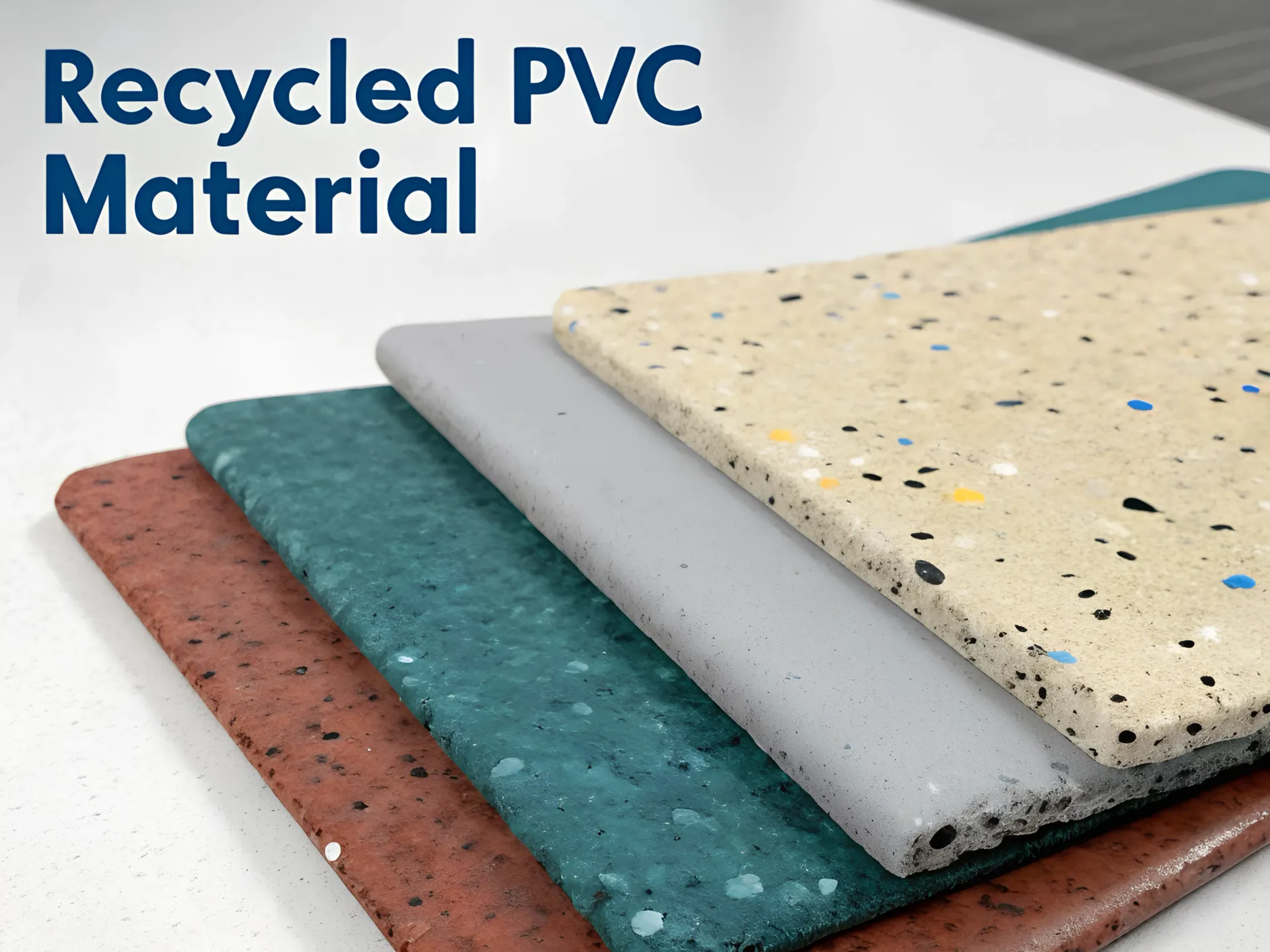
Potražnja za recikliranim PVC-om (rPVC) usko je povezana s građevinskim i industrijskim proizvodima: prozorima, profilima, cijevima, podovima i drugim trajnim primjenama. Ova tržišta cijene rPVC kada zadovoljava dosljedne zahtjeve kvalitete i usklađenosti - posebno u pogledu onečišćenja i povijesti aditiva.
Ovaj vodič objašnjava što potiče potražnju za rPVC-om, koje primjene obično koriste kvalitetniji materijal i što recikleri moraju kontrolirati kako bi pristupili tim tržištima.
Brza jela za van
- Građevinski proizvodi su glavni pokretač potražnje jer se PVC široko koristi u dugotrajnim primjenama.
- Primjene veće vrijednosti obično zahtijevaju strožu kontrolu onečišćenja i povijesti aditiva.
- Odabir opreme (pranje, odvajanje, mljevenje) često određuje kojem tržištu realno možete služiti.
Povezani vodiči
- Najvažnija tržišta za strojeve za recikliranje PVC-a (2026.)
- Recikliranje PVC-a i ugljični otisak (što smanjuje emisije)
- Vodič za strojeve za recikliranje PVC-a (mljevenje, granule, prah)
Što potiče potražnju za rPVC-om
1) Obveze održivosti i pritisak nabave
Brendovi, graditelji i javna nabava sve više traže reciklirani sadržaj i dokumentirane performanse materijala. U Europi programi poput VinylPlusa prate napredak i potiču odgovornu kružnu proizvodnju PVC-a.
2) Stabilnost troškova i opskrbe
Neki proizvođači koriste rPVC kako bi smanjili izloženost promjenama cijena djevičanske smole - kada je kvaliteta dosljedna, a opskrba pouzdana.
3) Regulativa i usklađenost
Pravila o aditivima (na primjer, olovo u starom PVC-u) utječu na to gdje i kako se rPVC može koristiti. To potiče bolje sortiranje, dokumentiranje i kontroliranu krajnju upotrebu.
Primjene koje često koriste rPVC
Krajnja tržišta razlikuju se ovisno o regiji i zahtjevima kupaca, ali uobičajene upotrebe uključuju:
- Proizvodi za prozore i profile (često putem višeslojnih/koekstruzijskih pristupa)
- Cijevi i spojnice bez tlaka (gdje standardi i kupci dopuštaju upotrebu rPVC-a)
- Podne obloge i proizvodi od ploča (ovisno o formulaciji i granicama kontaminacije)
- Industrijski proizvodi koji može tolerirati rPVC miješanih boja kada su mehanička svojstva zadovoljavajuća
Što recikleri moraju kontrolirati kako bi opsluživali tržišta veće vrijednosti
- identitet polimera i unakrsna kontaminacija (PVC u odnosu na druge polimere)
- kontaminacija metalima i gumom (posebno od sklopova građevinskih proizvoda)
- vlaga i čistoća (ako daljnja obrada uključuje miješanje ili peletiranje)
- povijest i dokumentacija aditiva (stari stabilizatori, ograničene tvari)
Izbor opreme koji pomaže: – Kruto pranje i odvajanje (PP/HDPE/PVC) – Mljevenje/usitnjavanje za praškaste proizvode
Obrasci proizvoda od rPVC-a (i što oni omogućuju)
Različiti kupci žele različite “oblike” recikliranog PVC-a, a oblik često određuje opremu koja vam je potrebna:
- Ponovno mljeveno (grubo): uobičajeno za internu ponovnu upotrebu ili manje stroge aplikacije kada je stream konzistentan.
- Čisti mljeveni materijal / granule (za miješanje): ujednačenije dimenzioniranje i niža kontaminacija; često ima koristi od pranja/odvajanja kada je tok prljav.
- Prašak (za suhe mješavine i profilne proizvode): obično zahtijeva stabilnu sirovinu i mljevenje/klasifikaciju (vidi gore navedeni referenci za pulverizator).
Zahtjevi kvalitete koji obično utječu na cijenu
Kupci rPVC-a više vrijednosti obično plaćaju za predvidljivost i manji rizik. Najčešći "pokretači cijena" su:
- Međupolimerna kontaminacija: Miješanje PVC-a i ne-PVC-a te miješani kruti/fleksibilni PVC.
- Vidljiva kontaminacija: metali, gumene brtve, drvo/papir, pijesak.
- Veličina čestica + fine čestice: gusta distribucija nasuprot prašnjavom mljevenom materijalu koji se ponaša nepredvidivo.
- Vlaga: posebno važno ako se tali/ekstrudira nizvodno.
- Konzistentnost boje/izgleda: kritično za profil i vidljive proizvode.
- Povijest aditiva/usklađenosti: naslijeđeni stabilizatori i potrebna dokumentacija za zakonitu krajnju upotrebu.
Jednostavna kontrolna lista za kontrolu kvalitete prije slanja
Ako želite ponovljene narudžbe, izradite kontrolni popis za kratka izdanja: – vizualni pregled (kontaminacija i konzistentnost boje) – brza provjera sitom (veličina čestica i fine čestice) – provjera vlage (kada je relevantno za proces kupca) – identifikacija serije + bilješke o izvoru + paket dokumentacije (posebno za tokove nakon potrošnje)
Preguntas Frecuentes (FAQ)
Koje rPVC primjene obično isplaćuju više?
Primjene koje zahtijevaju dosljednu kvalitetu i dokumentiranu usklađenost (uobičajeno u građevinskim proizvodima) često su skuplje od prodajnih mjesta koja prihvaćaju miješane boje i varijabilno mljeveno gorivo.
Zašto neki kupci zahtijevaju dokumentaciju za reciklirani PVC?
Budući da povijest aditiva može utjecati na zakonitu upotrebu i prihvaćanje proizvoda (posebno za postkonzumerske tokove). Dokumentacija smanjuje rizik za kupca i pomaže u održavanju stabilnosti ponovljenih narudžbi.
Je li pranje rPVC-a uvijek potrebno?
Ne. Čisti postindustrijski tokovi možda ne trebaju pranje. Prljavi ili miješani tokovi često trebaju ako želite kupce veće vrijednosti s strožim ograničenjima kontaminacije.
Koji su najčešći razlozi odbijanja pošiljki rPVC-a?
Vidljiva kontaminacija, problemi s mirisom, nedosljedna veličina čestica i nejasna povijest aditiva/usklađenosti. To se obično može spriječiti uzvodnom kontrolom i kontrolom kvalitete.
Zaključak
Potražnja na tržištu rPVC-a je stvarna, ali nagrađuje tvrtke za recikliranje koje tretiraju rPVC kao specifikacija proizvoda, a ne samo preusmjereni tok otpada. Ako uskladite svoju opremu i kontrolu kvalitete s oblikom koji vaši kupci trebaju (ponovno mljeveno, čiste granule ili prah) te kontrolirate kontaminaciju i dokumentaciju, možete prodavati u stabilnijim i vrijednijim primjenama.
