

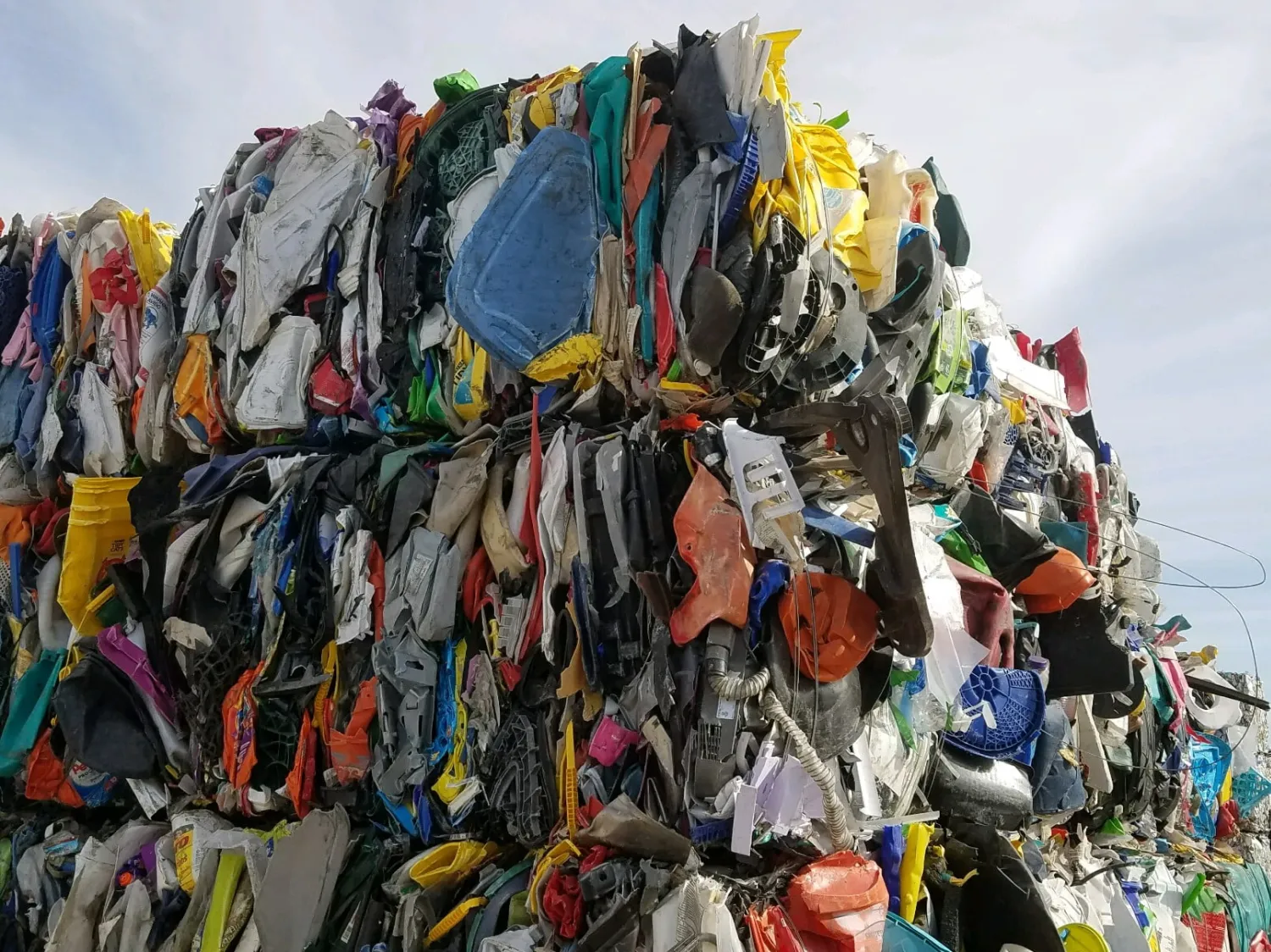
Kruta plastika - poput spremnika, boca, sanduka, cijevi i industrijske ambalaže - predstavlja visokovrijedan, ali tehnički zahtjevan segment recikliranja plastike. U usporedbi s filmovima ili mekom plastikom, kruti materijali zahtijevaju robusni, dobro konstruirani strojevi za recikliranje kako bi se postigla stabilna propusnost, dosljedna kvaliteta izlaza i dugoročna operativna pouzdanost.
Ovaj vodič za kupce napisan je za vlasnici postrojenja za recikliranje, projektni inženjeri i voditelji nabave tko treba odabrati pravu stroj za recikliranje krute plastike na temelju stvarnih uvjeta proizvodnje, karakteristika materijala i povrata ulaganja, a ne pretpostavki.
1. Vrste krute plastike i njihovi zahtjevi za recikliranje
Različite krute plastike ponašaju se vrlo različito tijekom recikliranja. Ispravan odabir opreme započinje razumijevanjem vaših ulaznih materijala.
Uobičajene krute plastike uključuju:
-
HDPE (polietilen visoke gustoće)
Široko se koristi u bocama za deterdžente, kemijskim spremnicima, bačvama i sanducima. HDPE je čvrst i otporan na udarce, što zahtijeva snažno smanjenje veličine i intenzivno pranje. -
PP (polipropilen)
Nalazi se u kantama, automobilskim komponentama, čepovima i kućanskim proizvodima. PP često sadrži etikete, ulja i površinsku kontaminaciju koja se mora učinkovito ukloniti. -
PVC (polivinil klorid)
Uobičajeno u cijevima, profilima i građevinskom otpadu. Recikliranje PVC-a zahtijeva kontrolirane uvjete obrade i precizno odvajanje kako bi se zaštitila oprema nakon proizvodnje.
Svaki polimer se razlikuje po gustoći, krutosti i profilu kontaminacije. Sustav optimiziran za PET boce, na primjer, neće pružiti iste performanse pri obradi krutog HDPE-a, PP-a ili PVC-a.
2. Kapacitet i propusnost stroja za recikliranje krute plastike
Jedna od najčešćih pogrešaka kupaca je odabir opreme samo na temelju oglašenog kapaciteta, a ne propusnost u stvarnom svijetu.
Ključni čimbenici koji utječu na kapacitet uključuju:
-
Zahtjevi za satni učinak
Male linije za recikliranje mogu raditi s kapacitetom od 300–500 kg/h, dok industrijskim postrojenjima često treba 1000 kg/h ili više. -
Stanje materijala
Prljava, miješana ili kruta plastika nakon potrošnje značajno smanjuje efektivnu propusnost. -
Raspored rada
Kontinuirani rad u više smjena zahtijeva teže komponente i višu razinu automatizacije.
Prilagođavanje kapaciteta stroja stvarnim uvjetima proizvodnje izbjegava uska grla, prekomjerno trošenje i nepotrebnu potrošnju energije.
3. Zašto su sustavi pranja važni u recikliranju krute plastike
Za krute plastike, kvaliteta pranja je često važnija od same snage usitnjavanja.
Učinkovit sustav recikliranja krute plastike trebao bi uključivati:
-
Intenzivno pranje trenjem za uklanjanje etiketa, ulja i ostataka
-
Faze vrućeg ili hladnog pranja ovisno o stupnju kontaminacije
-
Pouzdano odvajanje plutajućim sudoperom za različite gustoće polimera
-
Stabilna kontrola vlage prije ekstruzije ili peletiranja
Ovdje Integrirana rješenja za recikliranje nadmašuju samostalne strojeve. Dobro osmišljena linija za pranje osigurava čišće pahuljice, veću vrijednost peleta i stabilniju daljnju obradu.
👉 Za operacije rukovanja krutim otpadom od PP, HDPE ili PVC-a, namjenski izgrađen
Linija za pranje od krute plastike
pruža cjelovito rješenje spremno za proizvodnju - od smanjenja veličine do čistih, suhih pahuljica.
4. Trajnost i održavanje industrijske opreme za recikliranje
Krute plastike stvaraju velika mehanička opterećenja na strojeve za recikliranje. Dugoročna pouzdanost ovisi o:
-
Teški rotori, osovine i ležajevi
-
Čelik otporan na habanje u zonama visokog udara
-
Modularni dizajni koji omogućuju brz pristup i zamjenu dijelova
Zastoji su skupi. Oprema konstruirana za jednostavno održavanje smanjuje troškove rada i štiti vaš proizvodni raspored tijekom godina rada - ne samo tijekom prve godine.
5. Automatizacija i upravljanje procesima za stabilan izlaz
Moderni pogoni za recikliranje sve se više oslanjaju na automatizaciju kako bi poboljšali dosljednost i kontrolu troškova.
Ključne značajke automatizacije uključuju:
-
Automatski sustavi za punjenje i pražnjenje
-
Praćenje opterećenja, temperature i protoka u stvarnom vremenu
-
Samočisteći ili jednostavno ispiranje filtracijskih sustava
-
Centralizirane upravljačke ploče s intuitivnim sučeljima
Automatizacija smanjuje ovisnost operatera, poboljšava sigurnost na radnom mjestu i osigurava dosljednu kvalitetu rada kroz smjene.
6. Sigurnosna i ekološka usklađenost
Industrijska oprema za recikliranje mora ispunjavati stroge sigurnosne i ekološke standarde.
Bitne sigurnosne značajke uključuju:
-
Sustavi za zaustavljanje u nuždi i sigurnosne blokade
-
Potpuno zatvorene zone rezanja i pranja
-
Električna zaštita i zaštita od preopterećenja
S ekološkog gledišta, učinkovito upravljanje vodom, sustavi pranja zatvorenog kruga i energetski optimizirani motori pomažu u ispunjavanju regulatornih zahtjeva uz istovremeno smanjenje operativnih troškova.
7. Ukupni trošak vlasništva: Što je zaista važno
Najniža kupovna cijena rijetko donosi najbolju dugoročnu vrijednost.
Profesionalni kupci ocjenjuju:
-
Potrošnja energije po prerađenoj toni
-
Učestalost zamjene dijelova koji se troše
-
Troškovi rada i održavanja
-
Kvaliteta izlaza i vrijednost recikliranog materijala pri preprodaji
Dobro konstruiran stroj za recikliranje krute plastike omogućuje brži povrat ulaganja, predvidljivije operativne troškove i veću profitabilnost tijekom cijelog svog životnog vijeka.
8. Integrirane linije za recikliranje krute plastike u odnosu na pojedinačne strojeve
Umjesto sastavljanja pojedinačnih strojeva od više dobavljača, mnogi profesionalni recikleri sada biraju kompletne linije za recikliranje krute plastike.
Jedan stroj u odnosu na integriranu liniju za recikliranje
| Faktor | Samostalni strojevi | Integrirana linija za recikliranje |
|---|---|---|
| Kompatibilnost sustava | Zahtijeva ručno podudaranje | Potpuno konstruiran i testiran |
| Vrijeme instalacije | Dulje, veći rizik | Brže puštanje u rad |
| Učinkovitost pranja | Nedosljedno | Optimizirano za krute plastike |
| Odgovornost za održavanje | Više dobavljača | Jedan pružatelj rješenja |
| Dugoročni operativni trošak | Viši | Niže i predvidljivo |
| Konzistentnost izlaza | Varijabilna | Stabilan, industrijske kvalitete |
Integrirani sustavi smanjuju rizik projekta, pojednostavljuju održavanje i pružaju pouzdane performanse od prvog dana.
Zašto odabrati rješenje za recikliranje krute plastike tvrtke Energycle
U Energycle-u ne nudimo generičke strojeve za recikliranje. Mi dizajniramo Rješenja za recikliranje krute plastike temeljena na stvarnim radnim uvjetima, ponašanje materijala i dugoročni ciljevi proizvodnje.
Naši sustavi su projektirani da isporuče:
-
Stabilan protok za PP, HDPE i PVC krute plastike
-
Optimizirana učinkovitost pranja uz smanjenu potrošnju vode i energije
-
Robusna konstrukcija za kontinuirani industrijski rad
-
Modularni rasporedi za lakše održavanje i buduća proširenja
Odabirom integrirane linije za recikliranje krute plastike smanjujete rizik instalacije, skraćujete vrijeme puštanja u rad i ulažete u sustav koji dosljedno radi u vašem proizvodnom pogonu - ne samo u specifikacijama.
Često postavljana pitanja o strojevima za recikliranje krute plastike
Koji je najbolji stroj za recikliranje krute plastike poput HDPE-a i PP-a?
Najbolje rješenje ovisi o vrsti materijala, razini onečišćenja i zahtjevima za izlaz. Za većinu industrijskih primjena, integrirana linija za recikliranje krute plastike pruža dosljednije rezultate od samostalnih strojeva.
Je li pranje potrebno za recikliranje krute plastike?
Da. Pranjem se uklanjaju onečišćujuće tvari koje izravno utječu na kvalitetu peleta, vijek trajanja opreme i učinkovitost naknadne obrade.
Može li jedna linija za recikliranje prerađivati PP, HDPE i PVC?
Da, kada je pravilno konfigurirano. Metode odvajanja, intenzitet pranja i kontrola procesa moraju se prilagoditi za svaki polimer.
Što određuje ukupni trošak vlasništva?
Potrošnja energije, učestalost održavanja, potrošni dijelovi, troškovi rada i kvaliteta proizvoda imaju veći dugoročni utjecaj od početne kupovne cijene.
Završne misli
Odabir pravog stroja za recikliranje krute plastike nije stvar kupnje najveće ili najjeftinije opreme. Radi se o odabiru sustav osmišljen za vaše materijale, proizvodne ciljeve i dugoročnu poslovnu strategiju.
S pravom kombinacijom kapaciteta, učinkovitosti pranja, trajnosti i automatizacije, kruti plastični otpad postaje stabilan i profitabilan resurs, a ne operativni izazov.
