

Ovaj vodič je napisan za procesne inženjere, voditelje postrojenja i nabavne timove koji procjenjuju Linija za pranje PET boca za novu izgradnju ili proširenje kapaciteta. Odluke koje donosite unaprijed - vrsta procesa pranja, međuspremnik kapaciteta, ciljana razina proizvodnje i komunalna infrastruktura - određuju vaše operativne troškove i tržišta koja možete opskrbljivati. Proučite svaki odjeljak u nastavku, a zatim zatražite procjenu sirovina i kapaciteta prije izdavanja zahtjeva za ponudu (RFQ).
Što radi linija za pranje PET boca
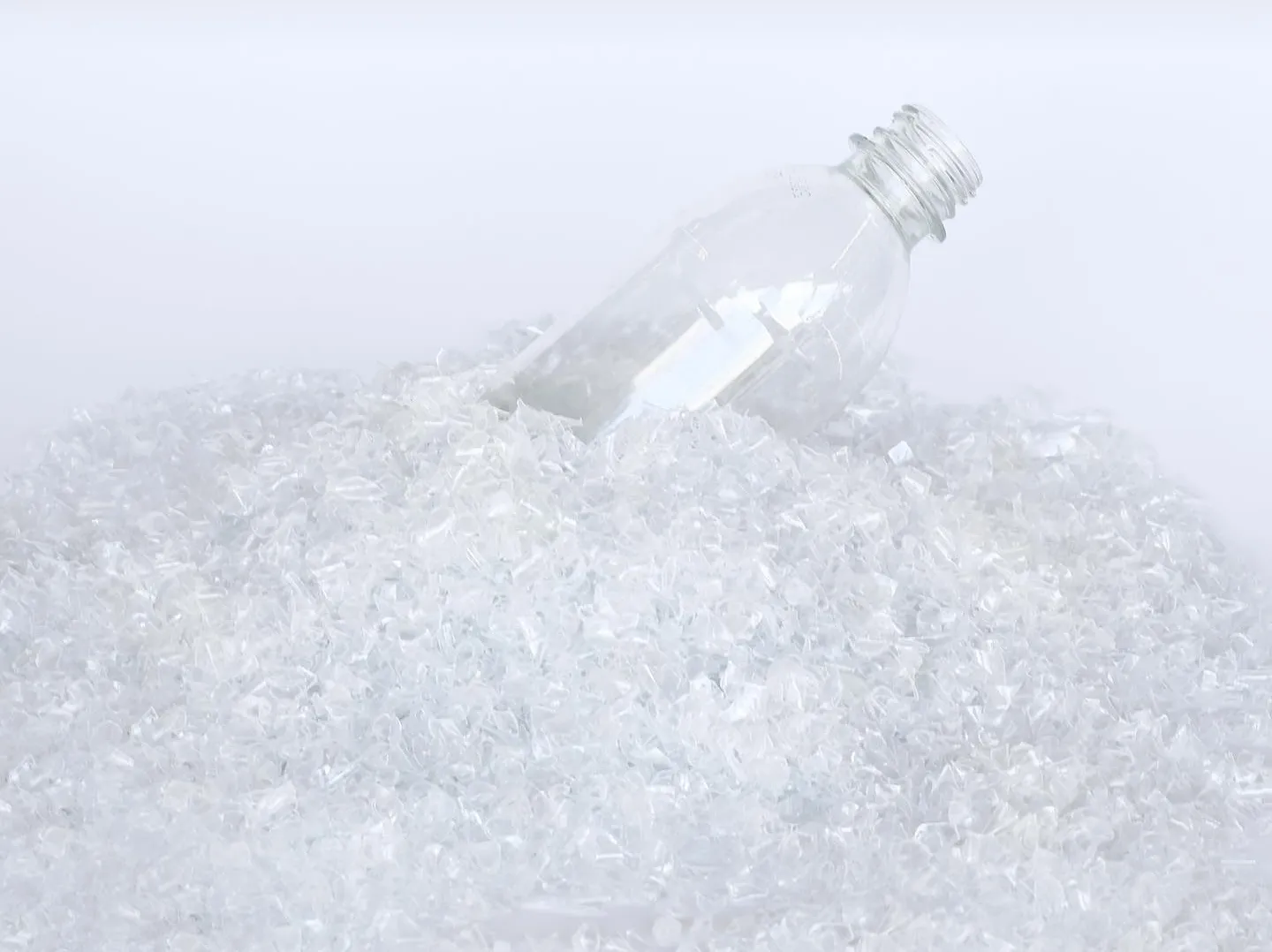
Linija za pranje PET boca pretvara balirane, korištene PET boce u čiste, suhe PET pahuljice spremne za peletiranje, predenje vlakana ili izravnu upotrebu od boce do boce. Linija nije jedan stroj - to je sekvencijalni skup faza procesa, od kojih je svaka usmjerena na određenu vrstu onečišćujuće tvari ili frakciju materijala.
Standardna linija pomiče materijal kroz ove faze redom:
- Debaler / lomač balaOtvara zbijene bale i kontroliranom brzinom dozira boce na transporter.
- Transporter za prethodno sortiranjeRučno ili optičko uklanjanje PVC-a, HDPE-a, metala i papira prije smanjenja veličine.
- Uređaj za uklanjanje etiketa / pretpranje trenjemUklanja skupljajuće omotače i papirnate etikete uzvodno od drobilice, smanjujući prijenos onečišćenja.
- Mokri granulator / drobilicaSmanjuje boce u komadiće pomoću sita s rupama od 12–18 mm; materijal recirkulira u komori za rezanje dok ne prođe kroz njega.
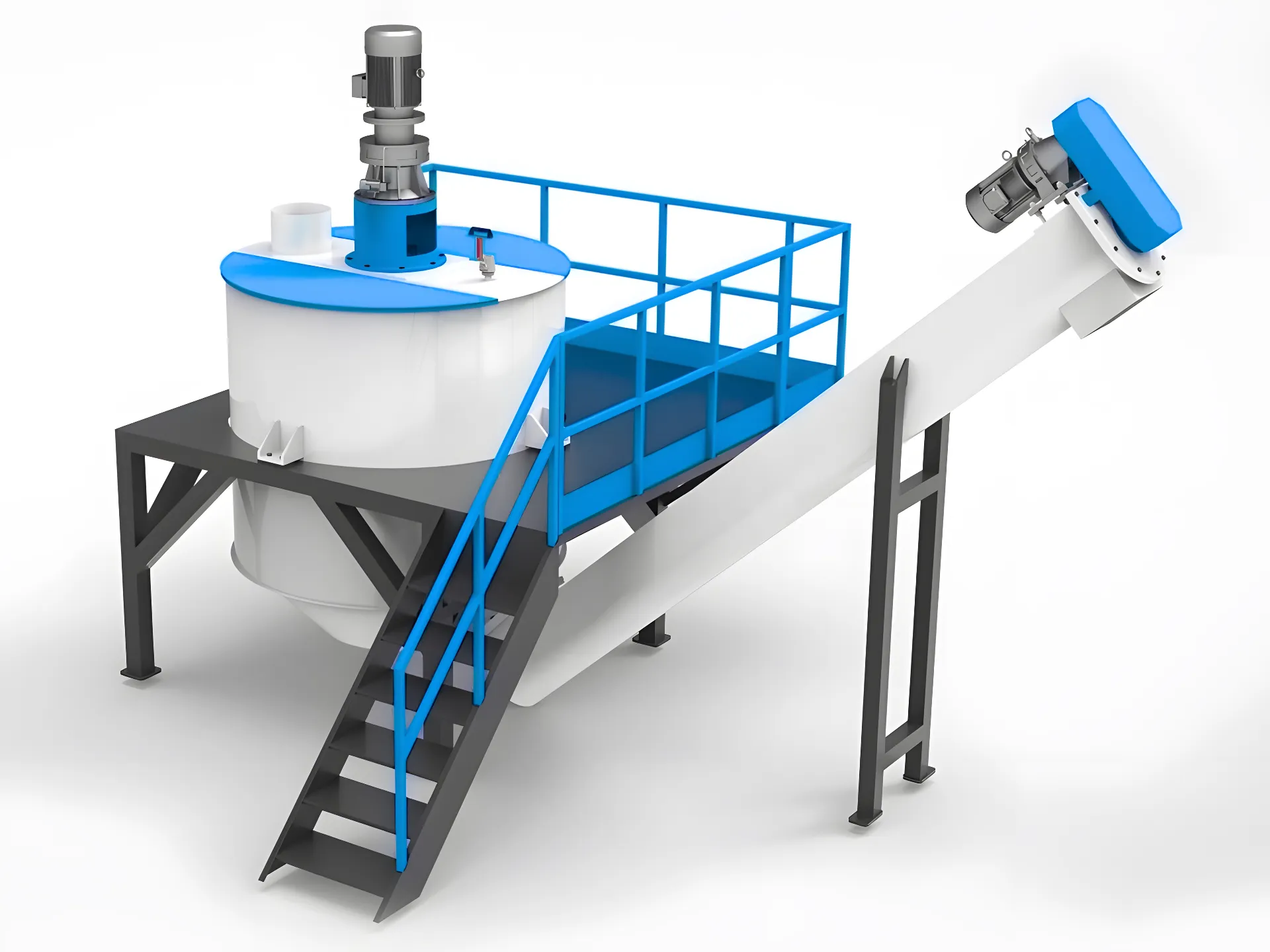
- Spremnik za odvajanje sudopera/plutaOdvaja PET (gustoća ~1,33–1,38 g/cm³) od poliolefinskih čepova i fragmenata etiketa (gustoća ispod 1,0 g/cm³) pomoću vode.
- Faza hladnog ili vrućeg pranjaUklanja ljepila, organsku prljavštinu i ostatke pića. Ovo je najvažniji izbor postupka (vidi sljedeći odjeljak).
- Faza ispiranja: Ispira deterdžent i olabavljene ostatke s površine pahuljica.
- Centrifugalna sušilicaMehanički uklanja površinsku vlagu prije termičke faze.
- Termalna sušilicaSmanjuje konačni sadržaj vlage ispod 1%.
- Skladišni silos / stanica za pakiranjeZadržava čiste pahuljice za daljnji prijenos.
Svaka faza predstavlja potencijalno usko grlo. Začepljena mlaznica za raspršivanje, istrošena oštrica drobilice ili poplavljeni spremnik/spremnik s plovkom smanjuju kvalitetu na svakoj točki nizvodno - zbog čega dimenzioniranje opreme i planiranje održavanja imaju jednaku težinu u svakoj ozbiljnoj nabavi.
Hladno naspram vrućeg pranja: Odluka o ključnom procesu
Izbor između hladne i vruće linije za pranje PET boca oblikuje kapitalne troškove, instaliranu snagu, kemijski sastav vode i kvalitetu proizvodnje koju će vaši kupci prihvatiti. Ako donesete pogrešnu odluku, nikakva daljnja optimizacija je neće popraviti.
Hladno pranje Koristi vodu temperature otprilike 10–20 °C. Učinkovito uklanja rastresitu prljavštinu, etikete i lagane površinske ostatke. Budući da nije potreban sustav grijanja, potrošnja energije je manja, a toplinsko opterećenje PET polimera minimalno. Hladno pranje je prikladno za pahuljice namijenjene za vlakna, trake ili krutu ambalažu za neprehrambene proizvode gdje su pragovi kontaminacije manje strogi.
Vruće pranje podiže temperaturu vode za pranje na 50–60 °C, obično s kaustičnom sodom (NaOH) ili deterdžentom prehrambene kvalitete doziranim u kontroliranim koncentracijama. Visoka temperatura otapa ostatke ljepila, masti i ulja koje hladna voda ne može pouzdano ukloniti. Također smanjuje mikrobno opterećenje - preduvjet za certifikaciju kontakta s hranom. Vruće linije za pranje nose veću instaliranu snagu i zahtijevaju infrastrukturu za parno ili električno grijanje, ali su standardna konfiguracija za rPET od boce do boce (B2B).
| Parametar | Linija za hladno pranje | Linija za vruće pranje |
|---|---|---|
| Temperatura vode za pranje | 10–20 °C | 50–60 °C |
| Doziranje deterdženta / kaustičnog sredstva | Nije potrebno | Potreban je NaOH ili deterdžent prehrambene kvalitete |
| Uklanjanje ljepila i masnoće | Ograničeno | Učinkovito |
| Smanjenje mikroba | Djelomično | Značajan |
| Tipična izlazna ocjena | Vlakna, trake, ambalaža za neprehrambene proizvode | rPET prehrambene kvalitete, od boce do boce |
| Instalirana snaga (relativna) | Donji | Veće (sustav grijanja povećava opterećenje) |
| Trošak kapitala (relativni) | Donji | Viša (otprilike 15–25% premija; varira ovisno o dobavljaču) |
Ako vaš kupac u daljnjem lancu proizvodnje zahtijeva rPET prehrambene kvalitete koji je u skladu s EFSA-om, minimalna konfiguracija je linija za vruće pranje. Uredba EU (EU) 2022/1616 [1], koja je na snazi od rujna 2022., znatno je pooštrila pragove dekontaminacije - dopuštene razine rezidua za toluen, klorobenzen i metil salicilat smanjene su do 50% u odnosu na prethodna ograničenja. Samo hladno pranje ne može pouzdano zadovoljiti te pragove.
Planiranje kapaciteta: Usklađivanje linije s količinom sirovine
Pogreške u dimenzioniranju u bilo kojem smjeru nose troškove. Predimenzionirana linija radi s djelomičnim opterećenjem, povećavajući specifičnu potrošnju energije po obrađenoj toni. Premala linija postaje trajno ograničenje volumena prikupljanja i prihoda.
Koristite ovu formulu kao početnu točku:
Potreban kapacitet (kg/h) = Ukupna dnevna količina sirovine (kg) ÷ Radni sati dnevno
Postrojenje koje prerađuje 10.000 kg/dan tijekom 20 radnih sati treba liniju nominalnog kapaciteta 500 kg/h. Prije specificiranja dobavljaču, dodajte međuspremnik 20–25% za planirane prozore održavanja, sezonske vršne količine i neplanirane prekide rada.
Industrijske konfiguracije općenito se svrstavaju u tri skupine:
- Male linije (500–1000 kg/h)Pogodno za regionalne mreže prikupljanja ili operacije u ranoj fazi.
- Srednje linije (1.000–2.000 kg/h)Standardno za srednje tvrtke za recikliranje s utvrđenim ugovorima o otkupu.
- Velike linije (iznad 2000 kg/h)Koriste ga industrijski operateri ili oni s nacionalnim programima prikupljanja.
Površina se proporcionalno povećava. Referentna linija za pranje PET boca kapaciteta 1000 kg/h zauzima približno 90 m × 8 m × 6 m i troši oko 215 kW instalirane snage. Ako je proširenje vjerojatno u roku od pet godina, izgradite pogon koji će odgovarati većem drobilici i dodatnom kapacitetu sušare - naknadna ugradnja ovojnice zgrade košta znatno više od prethodnog dimenzioniranja električnih krugova i transportnih traka tijekom početne izgradnje.
Kvaliteta izlaza, stupanj pahuljica i regulatorni zahtjevi
Vrsta pahuljica koju ciljate određuje vaše ciljano tržište i konfiguraciju linije koja vam je potrebna. Prelazak na višu vrijednost usred projekta je skup; definirajte krajnje tržište prije nego što se objavi zahtjev za ponudu (RFQ).
Neprehrambene vrste
Za termoforme od vlakana, traka ili neprehrambenih materijala, linija za hladno pranje obično isporučuje pahuljice s vlagom ispod 1% i kontaminacijom PVC-om ispod 100 ppm. Ove specifikacije zadovoljavaju većinu europskih i američkih ugovora o otkupu za rPET vlaknaste i limarske kvalitete. Zadržavanje intrinzične viskoznosti (IV) ovisi o tome koliko se agresivno materijal suši i sadrži li sirovina degradirani PET.
Vrste za kontakt s hranom i one za pakiranje od boce do boce
Vruće pranje je potrebno, ali nije dovoljno za proizvodnju prehrambene kvalitete. Prema Uredbi EU (EU) 2022/1616 [1], razvojni inženjeri tehnologije moraju podnijeti test izazova kojim se dokazuje da njihov proces zadovoljava EFSA-ine kriterije učinkovitosti čišćenja prije nego što ga licenciraju tvrtkama za recikliranje. Kao operater postrojenja, koristite proces koji je odobrila EFSA i vodite evidenciju koja pokazuje da vaš ulazni materijal odgovara validiranoj specifikaciji sirovine. EFSA je izdala pozitivna znanstvena mišljenja za specifične procese koji zadovoljavaju ažurirane standarde dekontaminacije [2].
Za rPET koji dolazi u kontakt s hranom na američkom tržištu, prag FDA za svaki surogatni kontaminant je ispod 220 µg/kg u smoli [3]. Oba puta zahtijevaju dokumentirane kontrole procesa, ne samo opremu.
Sortiranje boja i vrijednost pahuljica
Dodavanje optičkog sortera po boji povećava prihod po toni odvajanjem bistrih, svijetloplavih i obojenih frakcija. Bistri pahuljice imaju najvišu spot cijenu; materijal miješanih boja proizvođači vlakana obično apsorbiraju uz popust. Opravdanost kapitalnih troškova optičkog sortera ovisi o uvjetima vašeg ugovora o otkupu i cijenama na regionalnom tržištu - izračunajte brojke prije nego što finalizirate specifikaciju linije.
Zahtjevi za komunalne usluge i infrastrukturu
Linija za pranje PET boca je procesni pogon, a ne samo stroj. Nedovoljno specificiranje komunalnih usluga prije početka građevinskih radova jedan je od najčešćih uzroka kašnjenja u puštanju u pogon i prekoračenja troškova.
Ključni komunalni ulazi koje treba potvrditi prije dizajniranja lokacije:
- Električna opskrbaLinija za vruće pranje od 1000 kg/h troši približno 215 kW; veće linije se proporcionalno prilagođavaju. Prije potpisivanja ugovora o najmu lokacije provjerite raspoloživi kapacitet transformatora i fazni balans s vašim dobavljačem komunalnih usluga.
- Svježa voda i recirkulacijaRecirkulacija u zatvorenom krugu smanjuje potrebu za slatkom vodom na približno 1-2 m³ po toni prerađenog PET-a. Bez recirkulacije, potreba za vodom znatno raste, a proporcionalno se povećava i volumen otpadnih voda.
- Ispuštanje otpadnih vodaVoda za pranje sadrži otopljena ljepila, ostatke deterdženta i fine čestice. U svim državama članicama EU potrebna je prethodna obrada kako bi se zadovoljila lokalna ograničenja ispuštanja za KPK, pH i suspendirane tvari. Potvrdite uvjete suglasnosti prije finaliziranja dizajna vodenog kruga.
- Komprimirani zrakOptički sorteri, pneumatski transporteri i aktuatori ventila zahtijevaju stabilan dovod komprimiranog zraka, obično od 6-8 bara. Brzina protoka ovisi o broju ejektora sortera.
- Parno ili električno grijanje (samo za vruće vodove)Spremnik za vruće pranje zahtijeva namjenski krug grijanja. Ako se koristi para, cjevovod otporan na tlak i sustav povrata kondenzata nadopunjuju građevinski opseg.
Razmak od stropa se često zanemaruje. Termičke sušilice i silosi za skladištenje često zahtijevaju 6-8 m čiste unutarnje visine. Provjerite ovu dimenziju prije potpisivanja ugovora o najmu ili početka građevinskih radova.
Dijelovi koji se troše, raspored održavanja i rizik od rada
Linija za pranje PET boca kontinuirano obrađuje abrazivni, kontaminirani materijal 6000-8000 sati godišnje u dobro vođenom pogonu. Habanje je predvidljivo. Neuspjeh u planiranju zastoja uzrokuje skupe troškove.
Primarni habajući elementi i njihovi dijagnostički signali:
- Oštrice drobiliceTupe oštrice povećavaju potrošnju struje motora, uzrokuju nepravilnu raspodjelu veličine pahuljica i stvaraju više finih čestica. Ubrizgavanje vode za ispiranje u komoru za rezanje tijekom rada smanjuje trenje i produžuje vijek trajanja oštrice. Pratite struju motora pri konstantnoj brzini pomaka - stalni uzlazni trend signalizira da je potrebna zamjena oštrice.
- Sita drobiliceRupe se s vremenom deformiraju i mijenjaju raspodjelu veličine pahuljica. Pregledajte pri svakom planiranom zaustavljanju radi održavanja i zamijenite kada geometrija rupe premaši toleranciju.
- Lopatice za pranje trenjemHabanje izravno smanjuje intenzitet ribanja, povećavajući preostalu kontaminaciju na izlaznim pahuljicama. Provjerite debljinu lopatice nakon svakih 500 sati servisa.
- Transportne trakePregledajte ima li rubova i neravnomjernog kretanja; neispravan remen zaustavlja cijelu liniju.
- Mlaznice za raspršivanjeZačepljene mlaznice stvaraju neravnomjerne zone pranja. Ispirati pri svakoj promjeni smjene ili nakon svake serije s visokim stupnjem onečišćenja.
- Ležajevi i pogoniPodmazujte prema intervalima proizvođača. Prekomjerno podmazivanje oštećuje brtve jednako lako kao i premalo podmazivanje.
Držite kritične potrošne materijale - lopatice, sita, remene i mlaznice - na zalihi. Rokovi isporuke za strojno obrađene komponente od dobavljača koji nisu na zalihi mogu biti od četiri do dvanaest tjedana, ovisno o podrijetlu. Jedan neplanirani višednevni prekid rada obično košta više od cijele godine preventivne zalihe dijelova. Zakažite sveobuhvatno razdoblje održavanja svakih 500-1000 radnih sati, vremenski usklađeno s planiranim prekidima u zalihama sirovina gdje je to moguće.
Kontrolna lista za odabir prije nego što zatražite ponudu
Pomoću ovog popisa strukturirajte svoj RFQ i kvalificirajte dobavljače prije nego što započnete komercijalne pregovore.
Specifikacija procesa i izlaza
- Ciljani stupanj proizvodnje potvrđen s kupcem na nižim razinama (kontakt s hranom u odnosu na neprehrambene proizvode)
- Potreban raspon veličine pahuljica (obično 12–14 mm; prilagoditi krajnjoj upotrebi)
- Sadržaj vlage na izlazu iz linije (cilj ispod 1%)
- Tolerancija PVC-a u izlazu (obično ispod 100 ppm za stupnjeve kvalitete)
- Potvrđen zahtjev za sortiranje po boji (da / ne i ciljana ocjena)
Kapacitet i komunalne usluge
- Nominalni kapacitet (kg/h) s gornjim međuspremnikom 20–25% navedenim u RFQ-u
- Potvrđena raspoloživa instalirana snaga (kW) i prostor transformatora
- Provjerena je suglasnost za opskrbu slatkom vodom i ispuštanje
- Ograničenja tlocrta (D × Š × V, uključujući visinu stropa) priopćena su dobavljaču
Mehanički rizik i rizik lanca opskrbe
- Ključni potrošni dijelovi (lopatice, sita, remeni) dostupni su kod distributera koji imaju skladišta u EU ili SAD-u
- Navedeno vrijeme isporuke proizvođača za zamjenske lopatice i sita
- Potvrđena kompatibilnost PLC/upravljačkog sustava s postojećim SCADA sustavom postrojenja
- Postupak FAT-a i kriteriji prihvatljivosti dogovoreni su pismeno prije početka proizvodnje
Regulatorni i komercijalni
- Pregled trajanja, opsega i izuzeća jamstva
- Podrška za puštanje u rad na licu mjesta (uključujući dane, putne troškove, put eskalacije)
- Za linije prehrambene kvalitete: referentni broj odobrenja postupka EFSA-e ili pismo o nepostojanju prigovora FDA-e koje se primjenjuje na tehnologiju potvrđeno prije kupnje
Često postavljana pitanja
Koliki sadržaj vlage trebaju postići čiste PET pahuljice prije peletiranja?
Ispravno specificirani dio za sušenje - centrifugalna sušilica nakon koje slijedi termička sušilica - trebao bi isporučivati pahuljice s udjelom vlage ispod 1% po težini. Vlaga iznad ove razine ubrzava pad intrinzične viskoznosti (IV) tijekom obrade taline, povećava varijacije tlaka u kalupu i može uzrokovati površinske nedostatke u gotovoj peleti ili vlaknu. Ako vaš proces završava u fazi pahuljica, isti prag od 1% primjenjuje se za stabilnost skladištenja i standardnu usklađenost s ugovorom o otkupu.
Koliko dugo traju oštrice drobilice u liniji za pranje PET boca?
Vijek trajanja ovisi o abrazivnosti ulaznog materijala, tvrdoći materijala oštrice i ubrizgava li se voda za ispiranje u komoru za rezanje tijekom rada - ubrizgana voda smanjuje trenje i mjerljivo produžuje vijek trajanja oštrice. Tipični intervali kreću se od nekoliko stotina do nekoliko tisuća radnih sati, ovisno o tim varijablama. Najpouzdaniji pokazatelj na terenu je kontinuirani porast struje motora pri konstantnoj brzini pomaka; to signalizira da se oštrice preopterećuju i približavaju kraju svog vijeka trajanja.
Trebaju li za liniju za pranje PET boca ekološke dozvole u EU?
Većina operacija pranja PET-a podliježe nacionalnim dozvolama za gospodarenje otpadom, a ne pragovima iz Poglavlja II Direktive EU o industrijskim emisijama (IED). Međutim, ispuštanje otpadnih voda iz kruga pranja zahtijeva suglasnost za ispuštanje od nadležnog tijela za vode u svakoj državi članici EU. Upotreba komprimiranog zraka, razina buke i miris deterdženta također mogu uzrokovati specifične uvjete u lokalnoj dozvoli. Angažirajte konzultanta za okoliš prije odabira lokacije ili dovršetka dizajna kruga vode.
Što je potrebno za liniju za pranje PET ambalaže prehrambene kvalitete osim opreme?
Oprema je potrebna, ali nije dovoljna. Prema Uredbi EU (EU) 2022/1616 [1], recikler mora koristiti tehnologiju koja je dobila pozitivno znanstveno mišljenje EFSA-e i formalno izdan broj autorizacije procesa recikliranja (RAN). Operater također mora održavati kontrole ulaznih materijala, zapisnike procesa i zapise o izazovnim testovima usklađene s odobrenim postupkom. Za tržišta SAD-a, ekvivalentan zahtjev je pismo o nepostojanju prigovora FDA-e vezano uz specifični korišteni proces recikliranja.
Prilagođavanje prave linije za pranje PET boca vašem poslovanju
Odabir linije za pranje PET boca svodi se na usklađivanje tri varijable: profila kontaminacije ulazne sirovine, vaše obveze u pogledu kvalitete proizvodnje i infrastrukture vaše lokacije. Linija za hladno pranje od 500–1000 kg/h odgovara operacijama koje opskrbljuju tržišta vlakana koja nisu hrana ili pakiranja te održava niže kapitalne i operativne troškove. Linija za vruće pranje – s infrastrukturom, kontrolama procesa i regulatornom dokumentacijom koju zahtijeva – pravi je izbor kada vaše nizvodno tržište zahtijeva rPET prehrambene kvalitete koji je u skladu s EFSA-om ili FDA-om.
Stablo odlučivanja prvo prolazi kroz stupanj proizvodnje, zatim kapacitet s međuspremnikom, dostupnost komunalnih usluga, logistiku rezervnih dijelova i evidenciju podrške dobavljača. Prije izdavanja zahtjeva za ponudu, pregledajte gornji kontrolni popis i kontaktirajte inženjerski tim Energycle kako biste zatražili... Linija za pranje PET boca procjena materijala. Navedite sastav ulazne sirovine, razinu kontaminacije i ciljanu izlaznu ocjenu, a naši će inženjeri preporučiti odgovarajuću konfiguraciju procesa zajedno s detaljnim rasporedom postrojenja i analizom snage.
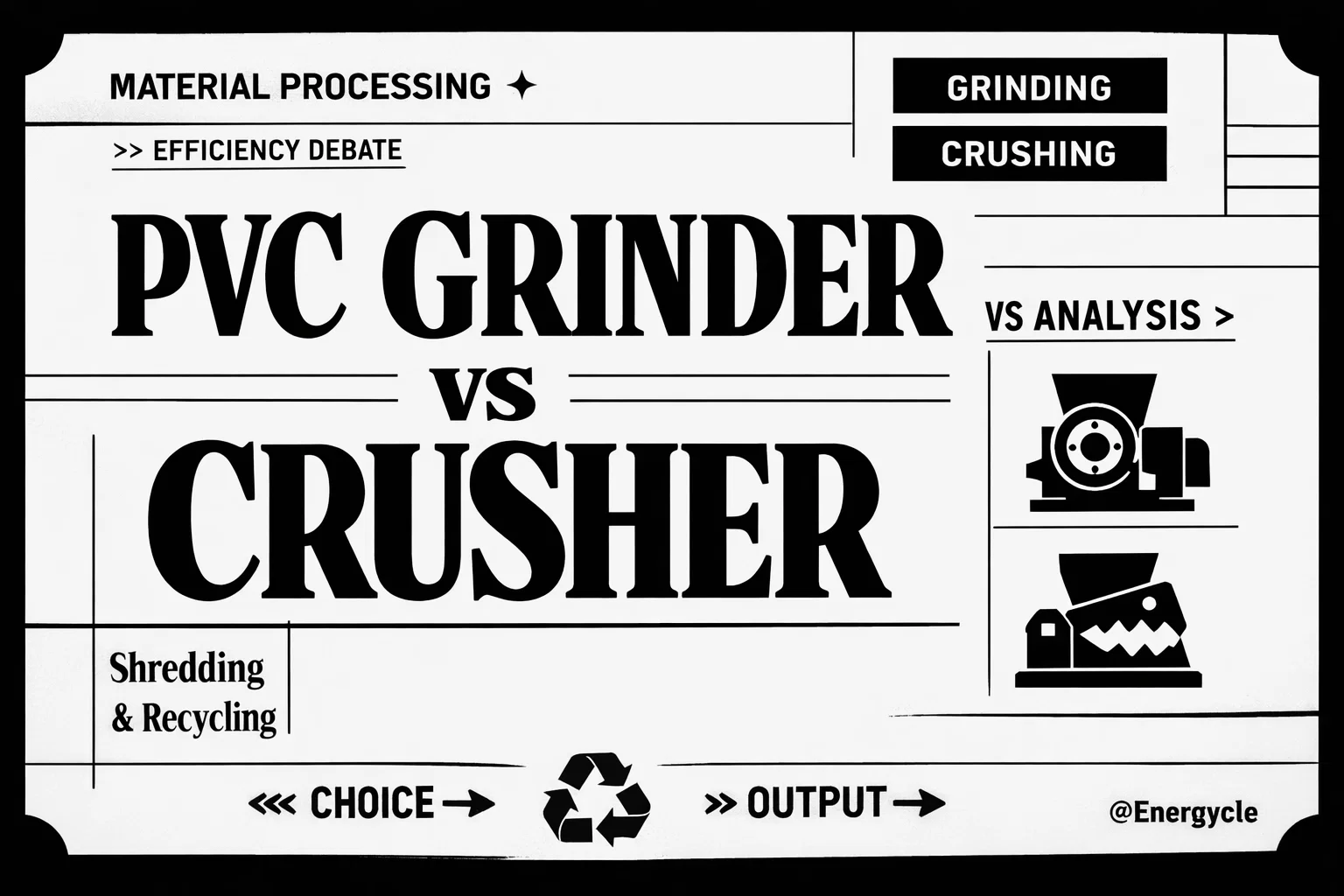
Mljevenje PVC-a u odnosu na drobljenje određuje učinkovitost i kvalitetu proizvodnje linija za recikliranje i miješanje plastike. Iako operateri često koriste ove pojmove naizmjenično, oni predstavljaju dva različita mehanička procesa koja se primjenjuju sekvencijalno. Drobljenje omogućuje početno smanjenje volumena glomaznog otpada, dok mljevenje omogućuje precizno, sekundarno smanjenje veličine za proizvodnju visokovrijednog, ponovno upotrebljivog praha. Energycle dizajnira industrijske sustave za smanjenje veličine koji integriraju obje faze kako bi se održao integritet materijala i kontinuirani protok.
Odabir ispravnog procesa ovisi o dimenzijama ulazne sirovine, potrebnoj veličini izlaznih čestica i toplinskim ograničenjima polivinilklorida. Ovaj vodič detaljno opisuje mehaničke razlike, radne parametre i kriterije odabira opreme za obradu krutog PVC-a.
Primarno smanjenje veličine: drobljenje PVC-a
Operateri primjenjuju PVC drobilica razbiti velike, krute plastične predmete u grube pahuljice ili nepravilne komade. Ova primarna faza izravno obrađuje glomazni otpad, uključujući duge cijevi, debele prozorske profile, krute ploče i otpad iz proizvodnje.
Strojevi za drobljenje oslanjaju se na jaku kompresiju, udarne sile ili brze rotacijske noževe za rezanje. Ovi mehanizmi brzo lome plastiku sve dok komadi ne mogu proći kroz sito za usitnjavanje. Standardni raspon izlazne veličine za usitnjeni PVC kreće se između 5 mm i 20 mm.
Budući da drobljenje daje prioritet smanjenju volumena i koristi povremeno rezanje umjesto kontinuiranog trenja, ono stvara umjerenu toplinu i troši manje energije po toni. Postrojenja koriste drobilice za pripremu rasutih materijala za transport, zbijanje tvorničkog otpada ili predobradu otpada prije nego što uđe u sustav finog mljevenja.
Sekundarno smanjenje veličine: Mljevenje PVC-a (Pulverizacija)
Mljevenje ili usitnjavanje PVC-a uzima grube pahuljice veličine 5-20 mm koje generira drobilica i usitnjava ih u fini, jednolični prah. Industrijski Brusilica za PVC oslanja se na kontinuiranu abraziju i trenje koje stvaraju brzi rotirajući diskovi, čekići ili mlinovi kako bi se izvršilo ovo sekundarno smanjenje veličine.
Mlinovi proizvode čestice veličine između 0,1 mm i 0,5 mm, što je ekvivalentno 30-80 mesh. Postizanje ove fine, ujednačene konzistencije strogi je preduvjet za daljnju proizvodnju. Proizvođačima i kompaunderima potreban je prah veličine 30-80 mesh kako bi se osiguralo brzo topljenje i pravilno miješanje s čistim PVC-om tijekom ponovne ekstruzije ili injekcijskog prešanja.
Za razliku od drobljenja, mljevenje stvara ekstremna toplinska opterećenja zbog trenja pri velikim brzinama. PVC je vrlo osjetljiv na toplinu; pregrijavanje uzrokuje taljenje, razgradnju ili oslobađanje korozivnog plina klorovodične kiseline (HCl). Industrijski PVC mlinovi zahtijevaju aktivne sustave hlađenja vodom koji cirkuliraju kroz kućište mlina i stacionarne diskove kako bi se odvodila toplina i zaštitila molekularna struktura polimera.
Matrica tehničke usporedbe
| Parametar | Drobljenje PVC-a | Brušenje (pulverizacija) PVC-a |
|---|---|---|
| Ciljani ulazni materijal | Veliki, kruti predmeti (cijevi, okviri prozora, limovi) | Prethodno usitnjene grube pahuljice (5–20 mm) |
| Princip rada | Kompresijski, udarni ili rotacijski noževi velike brzine | Abrazija i trenje putem rotirajućih diskova/mlinova |
| Izlazna veličina | 5 mm – 20 mm (grube pahuljice/komadi) | 0,1 mm – 0,5 mm (prah veličine zrna 30–80) |
| Stvaranje topline | Umjereno (osnovno hlađenje okolnim zrakom ili vodom) | Visoko (Zahtijeva aktivne krugove hlađenja vodom) |
| Potrošnja energije | Niže po toni (Brzo smanjenje volumena) | Više po toni (sporije, preciznije smanjenje) |
| Primarna primjena | Početno smanjenje volumena, priprema za transport | Priprema za reekstruziju, miješanje |
Sekvencijalna integracija u proizvodnim linijama
Industrijski reciklažni pogoni rijetko biraju između ovih metoda; primjenjuju ih sekvencijalno. Postrojenja ubacuju sirovi, glomazni PVC otpad u drobilice velike snage kako bi se dobio konzistentan mljeveni materijal veličine 5-20 mm. Ovaj ujednačeni grubi materijal zatim djeluje kao kontrolirana, predvidljiva sirovina za pulverizator, sprječavajući mehanička zaglavljivanja i preopterećenja motora.
Kontrola vlage između ovih faza je ključna, posebno prilikom recikliranja otpada nakon potrošnje koji zahtijeva pranje. Obrada mokrog ili vlažnog materijala kroz mlin velike brzine uzrokuje ozbiljnu aglomeraciju praha i trenutno začepljuje sita za dimenzioniranje. Ako vaš proces uključuje mokru granulaciju, propuštanje materijala kroz centrifugalni stroj za odvodnjavanje uklanja površinsku vlagu s pahuljica. To osigurava suho, kontinuirano dovođenje u komoru pulverizatora.
Odabir opreme i provjere održavanja
Kruti PVC sadrži abrazivne aditive poput kalcijevog karbonata, koji ubrzava trošenje površina za rezanje. Inženjeri u postrojenjima moraju procijeniti specifične intervale održavanja i sigurnosne mehanizme prilikom specificiranja opreme.
Dajte prioritet sljedećim operativnim kriterijima:
- Zamjena dijelova koji se troše: Rotacijski noževi drobilice zahtijevaju čestu kalibraciju razmaka i oštrenje kako bi se održala učinkovitost smicanja. Diskovi ili čekići mlina zahtijevaju potpunu zamjenu ili ponovnu obradu kada se protok smanji ili struja motora skoči.
- Toplinski nadzor: Sustavi za mljevenje moraju imati automatizirane temperaturne senzore povezane sa sustavom za dovod. Sustav mora automatski smanjiti brzinu pužnog transportera ako se temperatura komore približi pragovima degradacije PVC-a.
- Kontrola prašine: Generiranje praha veličine 30–80 mesh stvara opasnosti od čestica u zraku. Linije za usitnjavanje zahtijevaju zatvoreni pneumatski transport, ciklonsku ekstrakciju velikom brzinom i vrećaste filtere s pulsirajućim mlazom kako bi se spriječilo nakupljanje zapaljive prašine.
Često postavljana pitanja
Mogu li ubaciti glomaznu PVC cijev izravno u brusilicu?
Ne. Strojevi za mljevenje (pulverizatori) zahtijevaju ujednačenu, prethodno dimenzioniranu sirovinu veličine 5–20 mm. Ubacivanje glomaznih predmeta izravno u mlin odmah će zaglaviti diskove za mljevenje, izazvati kvarove preopterećenja motora i potencijalno razbiti unutarnje komponente. Velike krute predmete prvo morate obraditi kroz primarnu drobilicu.
Zašto mljevenje PVC-a zahtijeva veću potrošnju energije nego drobljenje?
Mljevenje potiskuje grubu plastiku kroz mikroprazninu između nazubljenih diskova, oslanjajući se na trajno trenje velikom brzinom kako bi se postigao prah veličine 30-80 mesh. Kontinuirani broj okretaja u minuti potreban za stvaranje ovog trenja, u kombinaciji sa snagom koju crpe aktivne pumpe za hlađenje vodom i pneumatski transportni puhala, zahtijeva znatno veću amperažu motora po obrađenoj toni u usporedbi s drobljenjem.
Kako spriječiti degradaciju ili topljenje PVC-a tijekom procesa brušenja?
Toplinsku degradaciju sprječavate osiguravanjem da aktivni krugovi hlađenja vodom mlina rade pri određenim protocima i temperaturama. Industrijski pulverizatori cirkuliraju ohlađenu vodu kroz stacionarno kućište diska i sklopove ležajeva kako bi se uklonila toplina trenja. Osim toga, automatizirani sustavi za dovod moraju pratiti temperature komore i usporiti brzinu dovoda ako se toplina približi talištu polimera.
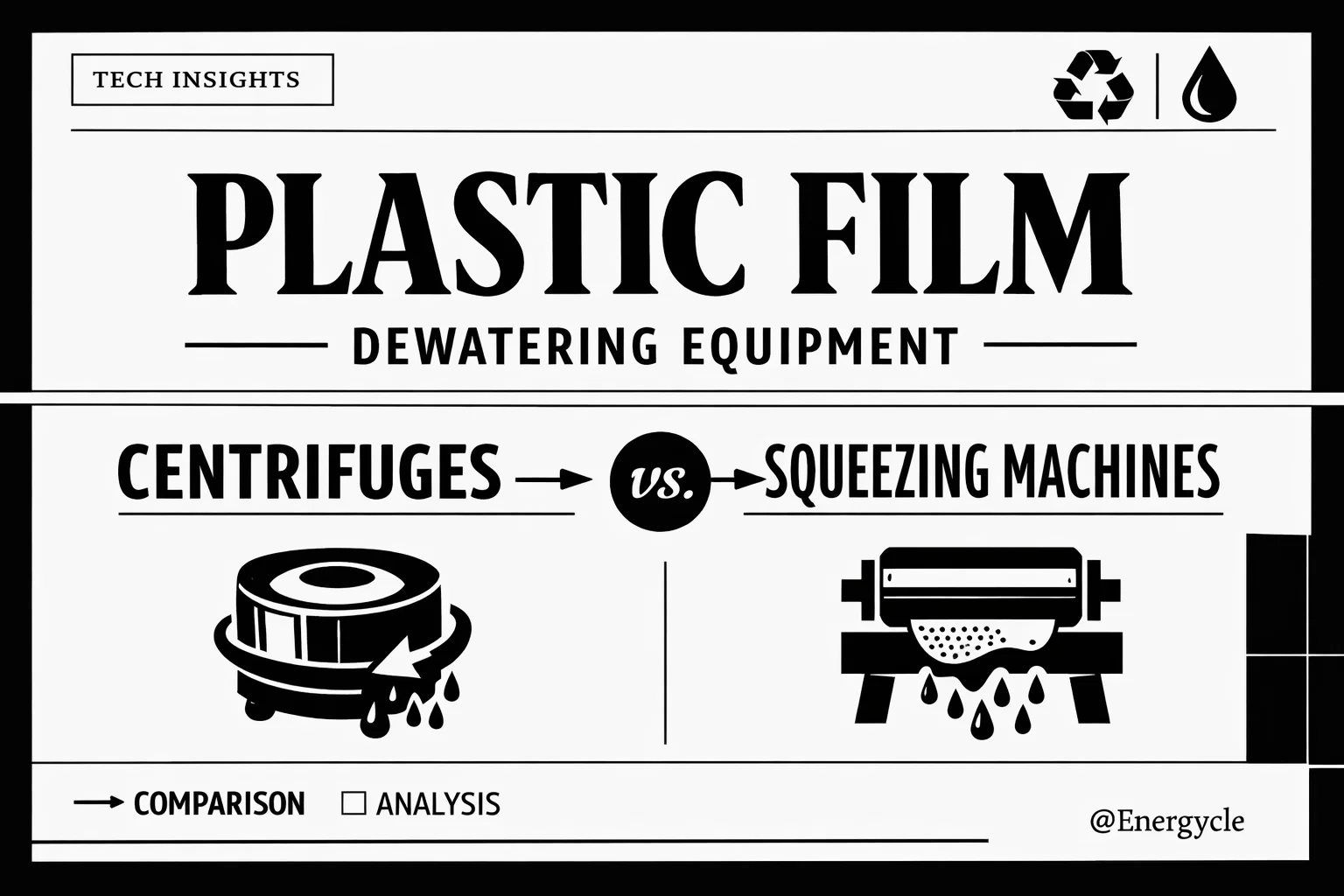
Oprema za odvodnjavanje plastičnih folija određuje toplinsko opterećenje i volumetrijsku učinkovitost nizvodnih ekstruzijskih linija. Mokre polietilenske (PE) i polipropilenske (PP) folije povećavaju potrošnju energije sušenja i često uzrokuju stvaranje mostova u lijevcima ekstrudera. Nadogradnja mehaničkih postavki za odvodnjavanje može smanjiti vrijeme toplinskog sušenja i do 30%. Energycle projektira ove sustave kako bi ciljao na specifična fizička svojstva fleksibilne ambalaže i poljoprivrednih folija.
Tijek procesa i mehanički principi
Uklanjanje površinske i kapilarne vlage iz fleksibilnih plastika zahtijeva opremu prilagođenu strukturnim ograničenjima materijala. U pogonima se prvenstveno ugrađuju dvije kategorije strojeva: centrifugalni sustavi i strojevi za cijeđenje.
Mehanika centrifugalnog odvodnjavanja
A centrifugalni stroj za odvodnjavanje primjenjuje visoke rotacijske G-sile za odvajanje površinske vode od suspendiranih plastičnih pahuljica. Istraživanje centrifugiranja filma od polietilena visoke gustoće (HDPE) pokazuje da fleksibilni materijali imaju tendenciju stvaranja gustog "plastičnog kolača" na vanjskom situ [1]. Kapilarno djelovanje zadržava preostalu vodu unutar uvijenih slojeva i mikroskopskih pora ovog kolača.
Kako bi se prekinuo ovaj kapilarni zastoj, sustavi zahtijevaju specifične konfiguracije rotora i precizno dimenzioniranje materijala. Održavanje dimenzija pahuljica ulazne sirovine između 1 i 2 cm sprječava prekomjerno preklapanje i minimizira zadržavanje vode. Ovi sustavi obično postižu smanjenje površinske vlage do 90% u roku od nekoliko minuta.
Principi mehaničkog stiskanja
Strojevi za cijeđenje folija obrađuju oprane PP, PE i tkane vrećice mehaničkom kompresijom. Konusni vijak visokog okretnog momenta pritišće mokri materijal prema restriktivnoj matrici ili skupu valjaka. Ovo fizičko zbijanje istiskuje tekućinu kroz perforirane sita u bačvi.
Intenzivno mehaničko trenje nastalo tijekom zbijanja proizvodi toplinu koja potiče isparavanje preostale vlage. Ovaj proces dvostrukog djelovanja snižava konačni sadržaj vlage na ispod 51 TP7T. Postrojenja koja ubacuju ovaj zgusnuti, prethodno zagrijani materijal u ekstrudere redovito primjećuju povećanje učinka peletiranja od 201 TP7T [2].
Specifikacije opreme i parametri performansi
Izbor između uklanjanja vlage temeljenog na rotaciji i uklanjanja vlage temeljenog na kompresiji diktira zahtjeve komunalnih usluga i raspored postrojenja.
| Parametar | Centrifugalno odvodnjavanje | Strojevi za cijeđenje |
|---|---|---|
| Primarni mehanizam | Brza rotacija (G-sila) | Mehaničko zbijanje (konusni vijak) |
| Ciljani izlaz vlage | Smanjenje vode do 90% | Ispod 5% konačne vlage |
| Idealna sirovina | 1–2 cm HDPE/LDPE pahuljica | Oprane PP, PE folije, tkane vreće |
| Operativna prednost | Smanjuje potrošnju energije termalne sušilice za 15% | Povećava protok ekstrudera za 20% |
| Potreban prostor | Vertikalni ili horizontalni otisak | Vrlo kompaktna inline integracija |
Ograničenja sirovina i kompatibilnost materijala
Odabir stroja uvelike ovisi o geometriji i debljini ulaznog materijala. Tanke, vrlo fleksibilne folije brzo se suše pod utjecajem centrifugalnih sila, ali zahtijevaju ispravnu veličinu sita kako bi se spriječio gubitak materijala. Deblje poljoprivredne folije za malč i netkane tkanine zahtijevaju veću mehaničku silu koju pruža oprema za cijeđenje.
Inženjeri moraju precizno dimenzionirati kapacitet motora prema očekivanom protoku. Kontinuirani rad s velikim volumenom zaustavit će rotor s nedovoljno snage, uzrokujući trenutna uska grla na liniji. Operateri također moraju uskladiti veličine perforacije sita s ciljanim polimerom kako bi spriječili zasljepljivanje sita.
Rizici habanja dijelova, održavanja i vremena rada
Mehaničko odvodnjavanje radi u uvjetima jakog trenja i visoke vlažnosti, ubrzavajući trošenje komponenti. Preventivno održavanje diktira radni vijek sustava.
- Lopatice rotora i letovi vijaka: Podložno stalnom abraziji od mikroskopskih nečistoća; potrebno je tvrdo navarivanje ili redovita zamjena kako bi se održao omjer kompresije.
- Zasloni od nehrđajućeg čelika: Osjetljivo na zasljepljivanje od rastopljene plastike ili nepravilnih pahuljica; potrebno je redovito pranje pod tlakom i provjere debljine.
- Ležajevi i brtve: Rad velikim brzinama i blizina vode zahtijevaju stroge rasporede podmazivanja kako bi se spriječio katastrofalan kvar ležajeva.
- Pogonski motori: Zategnutost remena i poravnanje motora moraju se provjeravati mjesečno kako bi se spriječili gubici snage u prijenosu.
Kontrolna lista za puštanje u pogon i prihvaćanje lokacije
Provjerite performanse opreme tijekom tvorničkog primopredajnog ispitivanja (FAT) ili primopredajnog ispitivanja na lokaciji (SAT) koristeći kvantificirane metrike.
- Provjera sadržaja vlage: Prikupljajte izlazne uzorke svakih 30 minuta kako biste provjerili je li konačna vlažnost ostala ispod 5% (cijedilice) ili zadovoljava osnovnu liniju smanjenja 90% (centrifuge).
- Testiranje propusnosti i opterećenja: Pokrenite sustav na nazivnom kapacitetu 100% 4 sata neprekidno kako biste pratili skokove struje motora ili ograničenja toplinskog preopterećenja.
- Analiza vibracija: Zabilježite pomak osnovne linije na kućištima ležajeva centrifuge kako biste otkrili rane znakove neravnoteže rotora.
- Konzistencija pražnjenja: Potvrdite da automatizirani mehanizmi za pražnjenje izbacuju obrađeni materijal bez premošćivanja ili zaglavljivanja u prijelaznim žljebovima.
Često postavljana pitanja
Što uzrokuje visoko zadržavanje vlage u centrifugalnim sustavima za odvodnjavanje?
Zadržavanje vlage u centrifugalnom sustavu obično je rezultat nepravilne geometrije pahuljica ili nedovoljne brzine rotora. HDPE i LDPE folije imaju tendenciju savijanja i zadržavanja vode unutar kapilarnih prostora, stvarajući gusti kolač materijala. Operateri moraju održavati dimenzije ulazne smjese između 1 i 2 cm kako bi spriječili ovo kapilarno zadržavanje. Osim toga, zasljepljivanje sita uzrokovano oštećenim brisačima ograničava izbacivanje vode. Rutinska inspekcija sita i održavanje specificiranih brzina motora osiguravaju da stroj postigne potrebnu marginu smanjenja vlage 90%.
Kako strojevi za cijeđenje folije utječu na troškove energije nakon ekstruzije?
Strojevi za cijeđenje folija komprimiraju lagane materijale poput tkanih vreća i polietilenskih folija u gušće, polusuhe aglomerate. Ovo fizičko zbijanje prisiljava vodu kroz sito bačve, stvarajući unutarnju toplinu trenja, koja isparava preostalu vlagu na temperaturu ispod 5%. Dovođenje ovog gustog, prethodno zagrijanog materijala u ekstruder sprječava premošćivanje lijevka i stabilizira tlak taline. Postrojenja koja zamjenjuju konvencionalne termičke sušilice opremom za cijeđenje često mjere pad ukupnih troškova grijanja od 15% i povećanje kontinuiranog učinka ekstrudera od 20%.
Koji su primarni načini kvara vijaka za stiskanje filma?
Najčešći uzrok kvara vijaka za stiskanje filma je abrazivno trošenje na krajevima vijka, što izravno smanjuje omjer kompresije i ostavlja višak vlage u plastici. Sekundarni kvarovi javljaju se u aksijalnim ležajevima, koji apsorbiraju ogromna aksijalna opterećenja tijekom procesa zbijanja. Nedovoljno podmazivanje ili preopterećenje stroja prevelikom krutom plastikom ubrzava degradaciju ležajeva. Operateri moraju specificirati tvrdo nanesene rubove vijaka i pratiti temperature ulja u mjenjaču kako bi maksimizirali vijek trajanja komponenti i spriječili neočekivani zastoji na liniji.
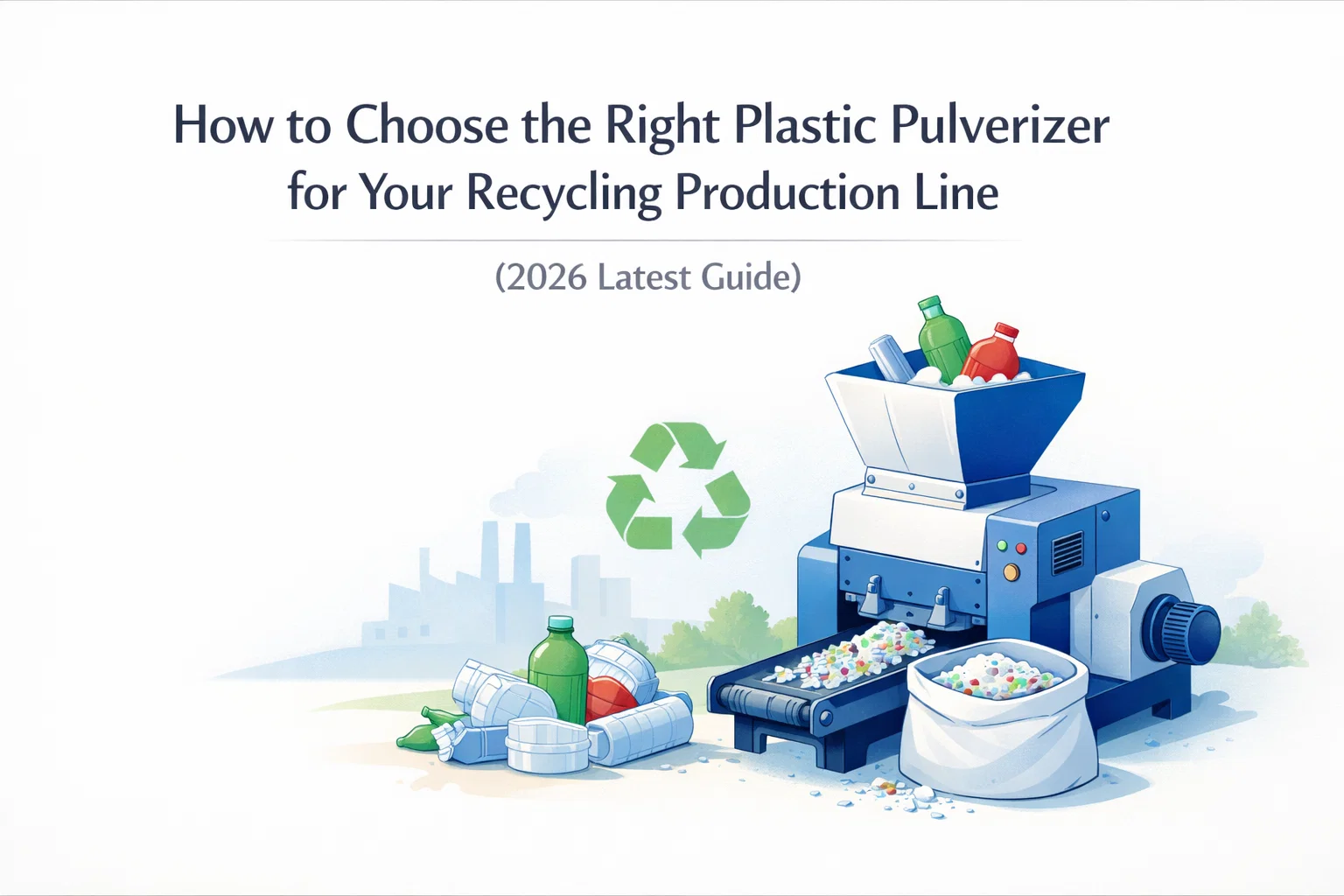
S rastućim troškovima energije i strožim propisima o recikliranom sadržaju koji se očekuju 2026. godine, oslanjanje na zastarjelu tehnologiju mljevenja više nije održivo. Odabir pravog pulverizatora plastike za vašu proizvodnu liniju za recikliranje izravno utječe na kvalitetu praha, dnevni učinak, račune za energiju i koliko glatko ostatak vašeg poslovanja teče.
Iz granulatora ili šredera unosite čiste pahuljice ili granule, a pulverizator ih pretvara u jednolični fini prah koji ide izravno u rotomolding, proizvodnju masterbatcha ili visokokvalitetno miješanje. Ako krivo uskladite, suočit ćete se s nedosljednim veličinama čestica, pregrijavanjem, čestim promjenama noževa ili uskim grlom koje usporava cijelu vašu liniju.
Ovaj vodič vas vodi kroz svaku točku odlučivanja s jasnim koracima, stvarnim primjerima i praktičnim kontrolnim listama koje možete koristiti već danas. Do kraja ćete točno znati na što treba paziti i kako potvrditi da vaš izbor odgovara vašim ciljevima recikliranja za 2026. godinu.
Što radi drobilica za plastiku u modernoj liniji za recikliranje
Plastični pulverizator uzima kruti ili polukruti plastični otpad i usitnjava ga u prah, obično 20-120 mesh (otprilike 840-125 mikrona). Za razliku od granulatora koji proizvode komadiće ili pahuljice za ponovnu ekstruziju, pulverizatori stvaraju fini, tekući prah potreban za rotacijsko brizganje spremnika i kontejnera, miješanje PVC cijevi i profila ili masterbatch boja.
U tipičnoj modernoj liniji, slijed teče ovako:
[ Usitnjivač / Granulator] ➔ [Perilica i centrifugalna sušilica] ➔ [Pulverizator plastike] ➔ [Silosi / Peletizator]
Pulverizator se zaustavlja nakon čišćenja i sušenja jer čist i suh ulaz sprječava stvaranje grudica i produžuje vijek trajanja diska ili oštrice.
Glavne vrste drobilica za plastiku s kojima ćete se susresti u 2026. godini
Većina linija za recikliranje koristi standardne diskovne ili turbo modele. Kriogene jedinice se koriste kada rukujete specijalnim smolama ili vam je potreban ultrafini prah ispod 100 mesh bez gubitka kvalitete. Evo kratke usporedbe:
| Vrsta pulverizatora | Najbolje za | Ključne prednosti | Razmatranja |
|---|---|---|---|
| Disk pulverizator | Kruti PVC, PE | Konzistentna finoća; ugrađeno hlađenje zrakom/vodom; dugi vijek trajanja diska. | Najčešći i isplativi. |
| Turbo / Oštrica | Mekše plastike, filmske kvalitete | Koristi udarnu silu; veći protok za specifične materijale. | Može zahtijevati češće održavanje oštrica. |
| Kriogeni | Osjetljiv na toplinu, čvrsti HDPE | Koristi tekući dušik za sprječavanje topljenja i oksidacije; ultrafino djelovanje. | Viši početni i operativni troškovi. |
Korak-po-korak postupak odabira vašeg drobilice za plastiku
Slijedite ove korake redom. Svaki se nadovezuje na prethodni i sprječava kasnije skupe promjene.
Korak 1: Definirajte svoj ulazni materijal i dnevni volumen
Navedite glavne polimere koje obrađujete: kruti PVC, LLDPE/HDPE foliju ili cijev, PP rafiju ili miješani postindustrijski mljeveni materijal. Izmjerite prosječnu veličinu pahuljica nakon granulatora (obično 5-10 mm) i ciljajte satni ili dnevni kapacitet. Dodajte 10-20% međuspremnik kako pulverizator nikada ne bi ispraznio vašu opremu.
Primjer: Srednjem postrojenju koje dnevno proizvodi 8 tona mljevenog PVC cijevi potreban je model za kontinuirani rad od 400–500 kg/h.
Korak 2: Podesite željenu finoću praha
Rotomolding obično zahtijeva 35-60 mesh. Vrhunski masterbatch ili tankostijeno miješanje često zahtijeva 80-120 mesh. Finiji prah poboljšava protok i površinsku obradu, ali povećava potrošnju energije i habanje. Odaberite stroj s podesivim klasifikatorom ili izmjenjivim sitima kako biste mogli podesiti točan raspon bez kupnje druge jedinice.
Korak 3: Usklađivanje kapaciteta i integracije linije
Vaš drobilica za plastiku mora pratiti izlaz granulatora i dovoditi podatke u sljedeći korak bez preopterećenja ili zastoja. Potražite modele s pogonima s promjenjivom frekvencijom (VFD) na glavnom motoru. Omogućuju vam usporavanje rotora pri manjim opterećenjima i uštedu električne energije u usporedbi s jedinicama s fiksnom brzinom.
Korak 4: Procijenite učinkovitost hlađenja i energije
Toplina je neprijatelj. PVC se degradira iznad 160 °C; PE i PP omekšavaju i razmazuju se. Modeli hlađeni zrakom prikladni su za lakše uvjete rada, dok diskovi s vodenim omotačem ili vrtložni sustavi s prisilnim protokom zraka podnose teže uvjete rada. U 2026. godini, vrhunski modeli koriste visokoučinkovite IE4 motore i zapečaćene ležajeve koji smanjuju potrošnju energije do 30% u usporedbi sa starijim dizajnima.
Korak 5: Pregledajte značajke automatizacije, sigurnosti i održavanja
- Automatizirano punjenje i pražnjenje smanjuju rad na jednog operatera.
- Sustavi za sakupljanje prašine i zatvoreni krug održavaju postrojenje čistim i zadovoljavaju stroge propise o kvaliteti zraka.
- Vrata s lakim pristupom su važna - neki modeli omogućuju vam zamjenu cijelog seta diskova za manje od 30 minuta.
- Savjet: Kvalitetni diskovi od volfram-karbida ili kaljene legure trebali bi trajati 800–1500 sati na čistom PVC-u.
Korak 6: Izračunajte ukupne troškove vlasništva (TCO)
Kupovna cijena je samo početak. Dodajte energiju, održavanje, rezervne dijelove i očekivano vrijeme zastoja. Jeftiniji stroj $5.000 kojem su potrebni novi diskovi svakih 400 sati koštat će vas puno više u prvoj godini od premium modela s duljim intervalima i manjom potrošnjom energije.
📋 Kontrolna lista za brzu odluku
- [ ] Jesu li potvrđene vrste polimera?
- [ ] Je li postavljen raspon ciljne mreže?
- [ ] Je li izračunat satni kapacitet s međuspremnikom 15%?
- [ ] Sustav hlađenja odgovara osjetljivosti materijala na toplinu?
- [ ] Jesu li uključeni VFD i automatizacija?
- [ ] Proizvođač osigurava probno mljevenje vaših pahuljica?
- [ ] Jesu li rezervni dijelovi i lokalna usluga dostupni unutar 48 sati?
Ako na sva pitanja odgovorite potvrdno sedam, imate jakog kandidata.
Kako integrirati pulverizator u vašu kompletnu proizvodnu liniju
- Postavite uređaj nakon centrifugalne sušilice kako bi ulaz ostao ispod 0,5% vlage.
- Koristite vakuumski utovarivač ili pužni transporter sa senzorima razine kako biste spremnik održali napunjenim na 60–70% i izbjegli udare.
- Instalirajte detektor metala neposredno prije grla za punjenje - metalni dijelovi brzo uništavaju diskove.
- Za rad u zatvorenoj petlji, prevelike čestice usmjerite natrag na ulaz putem zračnog klasifikatora. To povećava prinos na 95%+ i smanjuje otpad.
Uobičajene zamke i kako ih izbjeći
- Kupnja isključivo na temelju cijene: Otkrivanje visokih računa za struju ili stalnog trošenja oštrica šest mjeseci kasnije.
- Zanemarivanje ispitivanja materijala: Uvijek pošaljite uzorke od 50–100 kg dobavljaču na probno mljevenje.
- Predimenzioniranje stroja: Rad s opterećenjem od 30% troši električnu energiju i uzrokuje neravnomjerno trošenje.
- Preskakanje kontrole prašine: Suočavanje s regulatornim kaznama ili lošom kvalitetom zraka na radnom mjestu.
Raspored održavanja koji održava visoku produktivnost
- Dnevno: Provjerite ulaz i izlaz na nakupljanje; pregledajte filtere za prašinu.
- Tjedno: Očistite sita klasifikatora; podmažite ležajeve prema uputama.
- Mjesečno: Izmjerite razmak diska i podesite; zabilježite potrošnju energije.
- Svakih 800–1200 sati: Okrenite ili zamijenite brusne elemente; izvršite potpunu provjeru poravnanja.
Slijedite ovu rutinu i možete očekivati 4-6 godina pouzdanog rada prije većeg remonta.
Što se mijenja u tehnologiji pulverizacije plastike u 2026. godini
VFD-ovi i pametni senzori sada su standardni na modelima srednje klase, omogućujući vam praćenje vibracija, temperature i snage u stvarnom vremenu putem telefonske aplikacije. Novi kompozitni premazi diskova produžuju vijek trajanja abrazivnih recikliranih tokova. Nadalje, proizvođači se usredotočuju na nižu buku (ispod 85 dB) i modularne dizajne tako da kasnije možete nadograditi hlađenje ili klasifikaciju bez zamjene cijelog stroja.
Često postavljana pitanja (FAQ)
P: Koja je razlika između granulatora i plastičnog pulverizatora?
A: Granulator reže velike komade plastike u komadiće ili pahuljice od 5-10 mm, pogodne za injekcijsko prešanje ili ponovno ekstrudiranje. Pulverizator uzima te pahuljice i melje ih u fini prah (20-120 mesh) potreban za rotomolding ili miješanje.
P: Može li plastični pulverizator obrađivati mokre materijale?
A: Ne. Vlaga se mora održavati ispod 0,5%. Vlažni materijali uzrokuju zgrudnjavanje, začepljuju sita klasifikatora, smanjuju protok i mogu ozbiljno oštetiti diskove za mljevenje. Uvijek koristite sušilicu prije usitnjavanja.
P: Troše li pulverizatori puno električne energije?
A: Oni su energetski intenzivni, ali moderni sustavi iz 2026. s visokoučinkovitim motorima IE4, optimiziranim dizajnom diskova i frekvencijskim pogonima (VFD) mogu smanjiti potrošnju energije do 30% u usporedbi sa starijim modelima.
Spremni za napredak?
Odnesite svoje specifikacije materijala, ciljani kapacitet i potrebe za finoćom kod nekoliko renomiranih dobavljača i zatražite probna ispitivanja na vašoj stvarnoj sirovini. Usporedite izvješća jedno pored drugog koristeći gornji kontrolni popis.
Ako vodite liniju za recikliranje PVC-a, PE-a ili PP-a i želite vidjeti visokoučinkovite strojeve izgrađene za kontinuirani rad, istražite napredne Strojevi za brušenje PVC-a i plastike na Energycle. Naš tim može provesti analizu vaših uzoraka i prikazati točne podatke o performansama prilagođene vašoj specifičnoj liniji.
Sada imate potpun i praktičan okvir. Koristite ga, temeljito testirajte i instalirat ćete plastični pulverizator koji povećava učinak, smanjuje troškove i isporučuje konzistentan prah iz dana u dan.
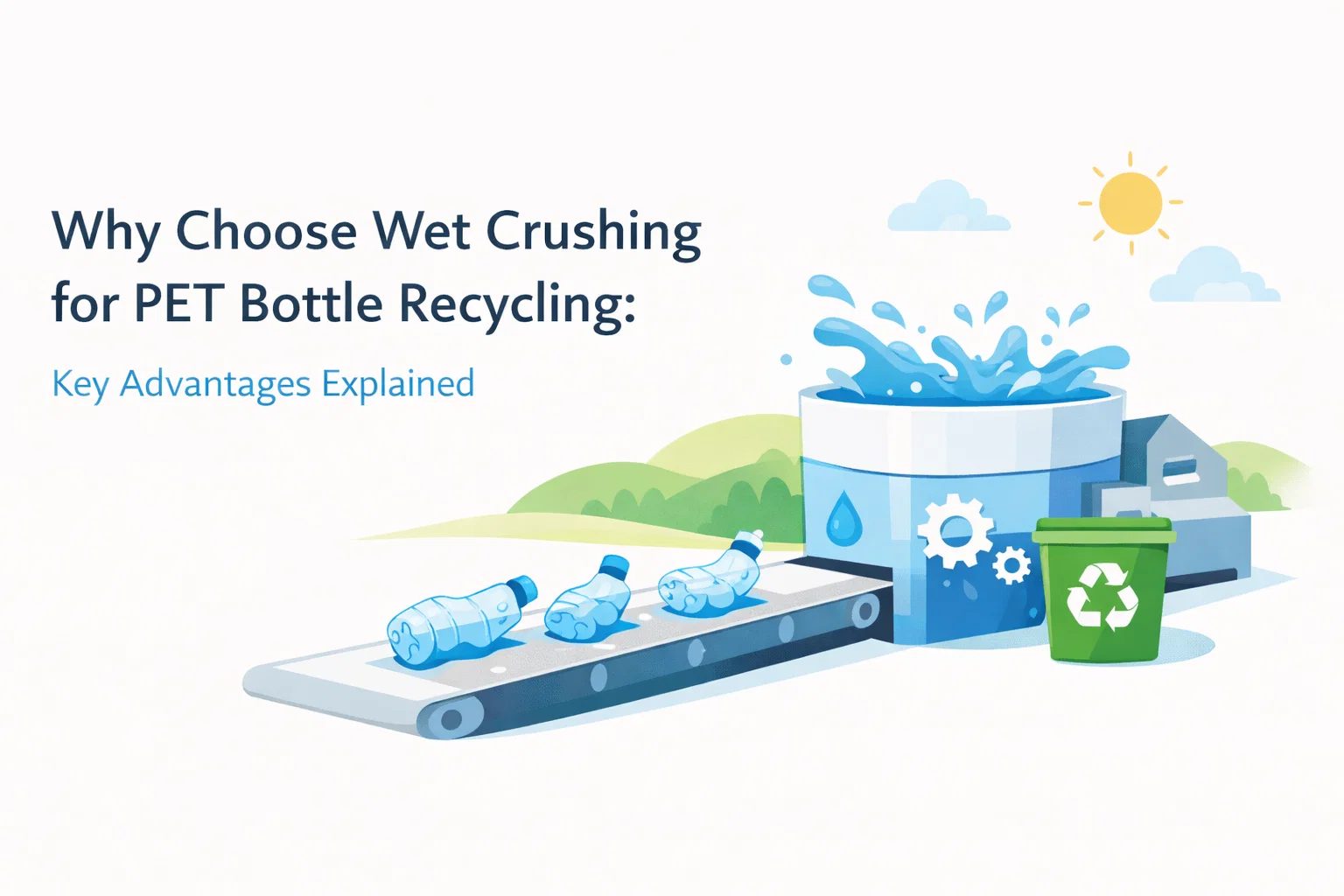
U Energycle-u svake godine prerađujemo tisuće tona PET boca. Testirali smo i mokre i suhe metode drobljenja u stvarnim postrojenjima. Mokro drobljenje iznova dokazuje svoju vrijednost za operatere koji teže visokokvalitetnim pahuljicama i nesmetanom radu.
Mokro drobljenje dodaje vodu izravno u komoru za drobljenje dok se boce ubacuju. Ovaj jednostavan korak mijenja cijeli proces. Voda hladi materijal, ispire prljavštinu i pomaže u ranom odvajanju etiketa. Suho drobljenje preskače vodu, što održava postavljanje jednostavnim, ali donosi izazove poput prašine i topline.
Operateri nas često pitaju zašto preporučujemo mokro drobljenje za većinu PET linija. Razlozi se svode na bolje rezultate, niže dugoročne troškove i lakše održavanje. Analizirajmo glavne prednosti koje vidimo svaki dan.
Vrhunsko uklanjanje onečišćenja od samog početka
Voda djeluje kao ugrađeno ispiranje tijekom drobljenja. Dok oštrice usitnjavaju boce, voda odmah ispire pijesak, šljunak, papirnu pulpu i labave ljepljive čestice. To sprječava ugradnju onečišćujućih tvari u PET pahuljice.
U suhim sustavima, etikete i ljepilo mogu se razmazati po površinama kada se nakupi toplina. To kasnije zahtijeva dodatne korake čišćenja. Kod mokrog drobljenja, pahuljice stižu čišće u fazu pranja. Postrojenja s kojima surađujemo izvještavaju o do 30% manje ostataka nakon početnog drobljenja.
Ovo rano čišćenje se isplati u čišćem proizvodu koji zadovoljava stroge standarde za rPET prehrambene kvalitete.
Zaštita kvalitete materijala i intrinzične viskoznosti
PET se degradira kada se previše zagrije. Trenje u suhim drobilicama brzo podiže temperaturu, što smanjuje intrinzičnu viskoznost (IV). Niža IV znači slabije pelete i gubitak vrijednosti.
Voda sve održava hladnim. Apsorbira toplinu i sprječava toplinska oštećenja. Ispitivanja u našim linijama pokazuju da mokro drobljene pahuljice zadržavaju više IV vrijednosti, često za 0,05–0,1 bod u usporedbi sa suhim metodama.
Kupci plaćaju više za konzistentan materijal visokog IV-a. Mokro drobljenje pomaže vam da isporučite pahuljice koje postižu bolje cijene bez dodatnih tretmana.
Produženi vijek trajanja opreme i smanjeno održavanje
Suho drobljenje stvara veliko trošenje lopatica i sita. Abrazivne čestice poput pijeska stružu se o metal bez podmazivanja.
Voda ublažava djelovanje i ispire abrazivne čestice. Oštrice dulje ostaju oštrije, a sita se rjeđe začepljuju. Operateri nam kažu da rjeđe zamjenjuju oštrice 40–50% kod mokrih sustava.
Manje kvarova znači više vremena rada i niže troškove popravka tijekom vremena.
Sigurnije, čišće i tiše poslovanje
Suho drobljenje stvara oblake prašine i plastičnih čestica. To povećava sigurnosne rizike i zahtijeva snažnu ventilaciju.
Mokre metode gotovo u potpunosti kontroliraju prašinu. Voda veže čestice, pa radni prostor ostaje čišći, a radnici se suočavaju s manje opasnosti.
Buka se također znatno smanjuje. Voda prigušuje udarce lopatica, stvarajući tiši pogon koji timovima pruža udobnost tijekom dugih smjena.
Energetska učinkovitost i dosljedne performanse
Voda stvara ujednačenije opterećenje motora. Potrošnja energije ostaje stabilna umjesto da naglo poraste tijekom teških dovoda.
Mnoge linije koje instaliramo troše manje električne energije ukupno kod mokrog drobljenja, čak i nakon uračunavanja pumpi. Dobici proizlaze iz učinkovitog rezanja i smanjenog trenja.
Praktični savjeti za maksimiziranje prednosti mokrog drobljenja
Odaberite pravi protok vode. Počnite s 5–10% težine materijala i prilagodite ga na temelju razine onečišćenja. Naš mokre drobilice PET boca dizajnirani su s podesivim sustavima ubrizgavanja vode kako bi se ova optimizacija olakšala.
Dodajte korak prethodnog sortiranja. Uklonite čepove i tešku prljavštinu prije drobljenja kako biste olakšali opterećenje.
Održavajte odgovarajući pH u vodi. Neutralne ili blago alkalne razine pomažu u otpuštanju etiketa bez oštećenja PET-a.
Reciklirajte procesnu vodu. Koristite filtracijske i taložne spremnike za ponovnu upotrebu i smanjite potrebe za slatkom vodom do 70%.
Uparite s jakim nizvodnim pranjem. Mokro drobljenje obavlja prvo čišćenje; zatim slijedi vruće pranje i separatori trenja za vrhunsku čistoću.
Svakog Energycle korisnika vodimo kroz ove prilagodbe tijekom postavljanja. Male promjene često brzo poboljšavaju kvalitetu ispisa.
Zanimaju vas kompletne linije za recikliranje PET-a? Pogledajte naše Sustavi za pranje PET boca ili usporedite opcije na našim Vodič za opremu za recikliranje PET-a.
Uvidi iz industrijskih izvora
Stručnjaci podržavaju ove prednosti. Detaljan pogled na mokro mljevenje u recikliranju plastike ističe smanjenu potrošnju energije, tiši rad i bolju kontrolu povratnog materijala. Studije o metodama drobljenja također pokazuju da mokri procesi učinkovitije obogaćuju čiste komponente.
Za širi kontekst recikliranja PET-a, EPA napominje visok potencijal oporabe kada procesi minimiziraju degradaciju.
Mokro drobljenje ističe se za ozbiljne reciklere PET-a. Pruža čišće pahuljice, štiti vrijednost materijala, smanjuje održavanje i stvara bolje radno okruženje. Početno postavljanje košta više od suhih sustava, ali se povrat u kvaliteti i učinkovitosti brzo zbraja.
Kontaktirajte Energycle ako želite istražiti mokro drobljenje za svoje poslovanje. Dijelimo stvarne podatke iz instalacija koje odgovaraju vašim razmjerima.
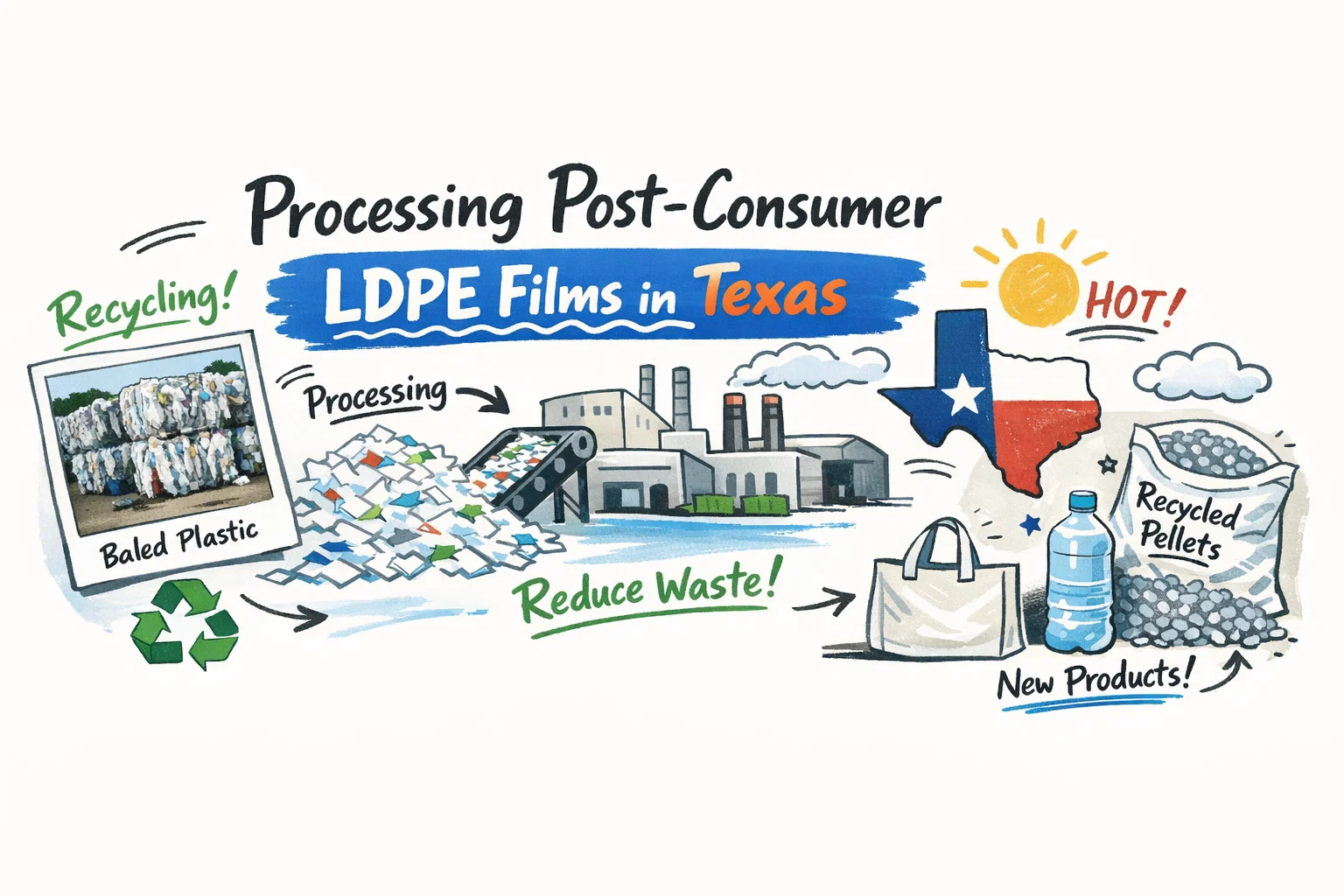
Teksas predvodi naciju u proizvodnji energije, a ta aktivnost generira ogromne količine LDPE folija nakon potrošnje. Operateri koriste ove fleksibilne polietilenske folije za pakiranje, obloge bačvi, poklopce platformi i zaštitne omotače na naftnim poljima i plinskim postrojenjima. Nakon upotrebe, ove folije često završe kontaminirane pijeskom, ostacima nafte i prljavštinom, što komplicira napore recikliranja.
Energetske tvrtke u Teksasu suočavaju se s jasnim izborom. Ovaj materijal možete poslati na odlagališta ili ga pretvoriti u vrijedne pelete za ponovnu upotrebu. Visokokapacitna mehanička obrada nudi pouzdan put naprijed. U Energycle pomažemo postrojenjima diljem države da obrađuju tisuće funti prljavih LDPE folija na sat s opremom izgrađenom za stvarne industrijske uvjete.
Zašto se otpad LDPE folije nakuplja u energetskim pogonima Teksasa
Naftna i plinska industrija oslanja se na LDPE folije zbog njihove čvrstoće i fleksibilnosti. Radnici ih koriste za zaštitu opreme, spremnika za cijevi i snopova materijala na gradilištu. Nakon upotrebe, ove folije skupljaju onečišćujuće tvari uobičajene na poljima u Teksasu:
- Pijesak i zemlja s mjesta bušenja
- Ostaci ulja i kemikalija
- Mješovite etikete ili trake
Zbog ovih problema standardne linije za recikliranje imaju poteškoća. Folije se omotavaju oko osovina, začepljuju filtere ili proizvode nekvalitetan otpad. Mnogi pogoni u Teksasu baliraju i skladište ovaj otpad, čekajući održive opcije. Nedavne promjene na tržištu, uključujući zatvaranje pogona poput WM-ovog pogona Natura PCR, ističu potrebu za mehaničkim rješenjima na licu mjesta ili u regiji koja daju dosljedne rezultate.
Ključni izazovi u obradi prljavih LDPE folija nakon upotrebe
Probleme znate iz prve ruke kada se svakodnevno susrećete s ovim materijalom. Prljave LDPE folije zahtijevaju opremu koja se nosi s kontaminacijom bez stalnih zastoja. Uobičajene prepreke uključuju:
- Visoke razine kontaminacije — Pijesak abrazivno troši standardne oštrice i smanjuje kvalitetu peleta.
- Niska gustoća u nasipu — Rastresite folije zauzimaju ogromne količine prilikom skladištenja i transporta.
- Promjenjiva vlažnost — Filmovi izloženi uvjetima na terenu zadržavaju vodu koja utječe na ekstruziju.
Postrojenja koja prevladavaju ove probleme proizvode čiste, ujednačene pelete spremne za novu foliju ili injekcijsko prešanje. Ključ leži u robusnim sustavima predobrade i ekstruzije posebno dizajniranim za kontaminiranu hranu.
Oprema velikog kapaciteta koja se nosi s teškim uvjetima u Teksasu
Operateri u energetskom sektoru trebaju sustave koji obrađuju 2000 do 5000 funti na sat ili više. Preporučujemo integrirane linije koje kombiniraju teško usitnjavanje, zgušnjavanje i ekstruziju.
Specijalizirani rezači za prljave filmove
Standardni granulatori ne uspijevaju na kontaminiranim folijama jer se materijal omotava ili pluta. Jednoosovinski rezači s motorima visokog okretnog momenta čisto režu pjeskoviti, masni LDPE. Ovi strojevi imaju ojačane oštrice i sita koja su otporna na habanje od abraziva. Saznajte više o specijaliziranim rezačima za recikliranje folija u našem vodiču.
Zgušnjavači i stiskači za smanjenje volumena
Nakon usitnjavanja, zgušnjavači ili cijedilice komprimiraju pahuljaste pahuljice u guste granule. Ovim korakom uklanja se zrak i preostala vlaga, a postižu se omjeri kompresije do 50:1. Rezultat: lakše punjenje ekstrudera i niži troškovi prijevoza. Pogledajte detalje na cijeđenje plastičnih folija i povećanje gustoće.
Visokoučinkoviti ekstruderi i peletizatori
Dvostruki ili jednostruki ekstruderi s snažnim sustavima filtracije tope i čiste materijal. Višestruki mjenjači sita hvataju pijesak i onečišćujuće tvari prije peletiranja. Peletizatori s vodenim prstenom ili nitima zatim proizvode ujednačene pelete pogodne za preprodaju ili ponovnu upotrebu.
Svi Energycle sustavi rade na standardnoj američkoj industrijskoj struji: 480 V, 60 Hz, 3 faze. Ova kompatibilnost znači da nema skupih transformatora ili ponovnog ožičenja prilikom instalacije u postrojenjima u Teksasu.
Korak-po-korak vodič za postavljanje vaše linije za obradu LDPE folije
Slijedite ove praktične korake za učinkovitu obradu prljavih LDPE folija nakon upotrebe:
- Sakupljaj i sortiraj → Balirajte folije na licu mjesta i odvojite očite neplastične dijelove poput metalnih traka.
- Usitniti → Ubacite bale u drobilicu s visokim okretnim momentom kako biste dobili ujednačene komade.
- Zgusnuti → Propustite usitnjeni materijal kroz cjediljku ili aglomerator kako biste povećali gustoću i uklonili vlagu.
- Ekstrudiranje i filtriranje → Rastopite zgusnuti materijal i protisnite ga kroz fina sita kako biste uklonili onečišćujuće tvari.
- Peletizirati i ohladiti → Izrežite vruće niti ili pelete s matricom i ohladite ih za pakiranje.
Ovaj mehanički pristup proizvodi pelete s indeksima taljenja pogodnim za puhanje filma ili oblikovanje. Mnogi operateri u Teksasu postižu povrat ulaganja u 12 do 24 mjeseca izbjegavanjem naknada za odlaganje i prodajom peleta.
Prave koristi za energetske tvrtke u Teksasu
Postrojenja koja ulažu u linije visokog kapaciteta dobivaju kontrolu nad tokovima otpada. Smanjuju se troškovi odlaganja otpada, ispunjavaju se ciljevi održivosti i stvara se novi izvor prihoda od peleta. Američka agencija za zaštitu okoliša napominje da mehaničko recikliranje štedi energiju i smanjuje emisije u usporedbi s proizvodnjom djevičanske smole.
Američko vijeće za kemiju izvještava o rastućoj potražnji za smolama nakon potrošnje u primjeni pakiranja.
Teksaški energetski operateri također imaju koristi od lokalne podrške i opreme dizajnirane za američke energetske standarde. Energycle sustavi otporni su na pjeskovite i masne uvjete uobičajene u pogonima Permian Basin i Eagle Ford.
Spremni ste za obradu vaših LDPE folija nakon potrošnje u velikim razmjerima? Za konzultacije o prilagođenoj liniji izgrađenoj za energetske potrebe Teksasa kontaktirajte Energycle. Istražite naše Rješenja za zgušnjavanje LDPE folije ili cjeloviti vodič za peletiranje za početak.
Vanjski resursi: