

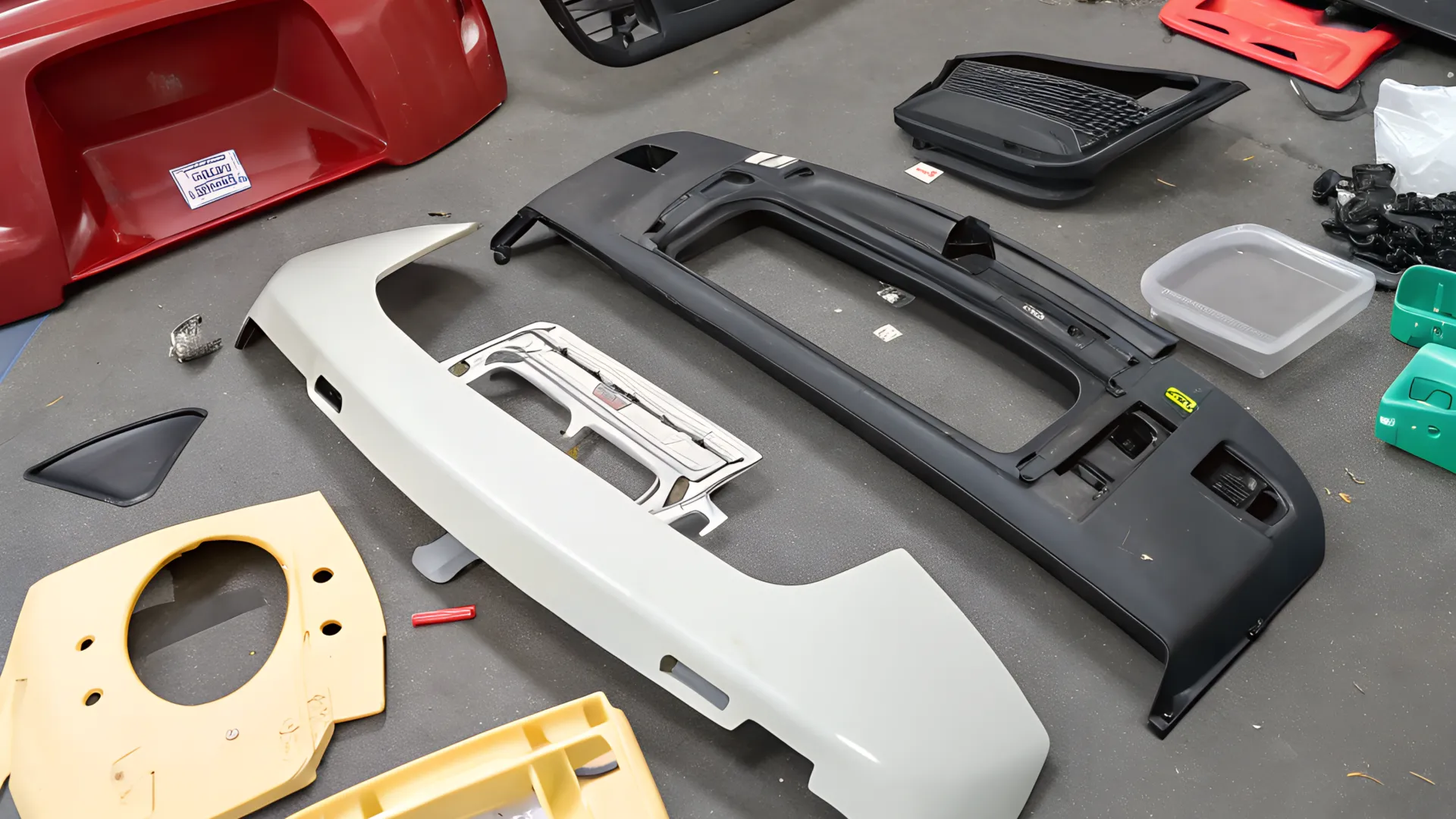
Automobilové plasty mohou být cennou vstupní surovinou – zejména materiál pro nárazníky z polypropylenu a další odolné technické polymery – ale zřídka se dají “čistě recyklovat”. Díly často obsahují barvy, kovové spony, pěny, textilie a směsné polymerní sestavy. To znamená, že zařízení musí být upřednostňováno. odstranění kontaminantů a řízená separace, nejen zmenšení velikosti.
Tato příručka popisuje běžné procesní kroky a stroje používané ke spolehlivé recyklaci plastových dílů z automobilů.
Rychlé jídlo s sebou
- Automobilové plasty jsou smíšené sestavy; plánujte odstranění a oddělení kovu.
- Lakované a plněné díly vyžadují jiné zpracování než čisté obalové plasty.
- Konzistentní kvalita vyžaduje vzorkování, třídicí disciplínu a jasná pravidla pro přijímání.
Automobilové plasty: Proč se potřeby vybavení liší
Automobilové díly jsou často sestavy, nikoli obaly z jedné pryskyřice. I když je základní polymer běžný (jako je PP), stále můžete zpracovávat vrstvy barev, elastomery, pěny, textilie, lepidla a kovové spojovací prvky. To mění jak potřebné vybavení, tak i jazyk kontroly kvality, který musíte používat s kupujícími.
Mapa od proudu k zařízení (rychlý přehled)
| Typický proud | Běžné problémy | Co musí linka dělat dobře | Moduly vybavení, které jsou obvykle nejdůležitější |
|---|---|---|---|
| PP nárazníky | Barva, sponky/upevňovací prvky, občasné gumové vložky | Stabilní redukce + silný úběr kovu + správa laku | Drtič/granulátor, magnety, mytí (dle potřeby), třídění kontrolou kvality |
| Vnitřní obložení | Smíšené polymery, plniva, pěny, textilie | Udržujte nekompatibilní polymery mimo cílovou frakci | Předtřídění, separace hustoty (pokud je to relevantní), kontrolní body QA |
| Kryty a díly pod kapotou | Oleje/mazivá, plniva, kovové vložky | Čištění a vyjmutí vložky | Mytí, separace, sušení, ochrana kovů |
Typické proudy plastů v automobilovém průmyslu (příklady)
Projekty se často zaměřují na specifické části, protože každá z nich má svůj vlastní vzorec kontaminace: – Nárazníky (často na bázi PP): vrstvy barev a spojovací prvky – Vnitřní obložení a krytysměs polymerů a plniv – Sestavy dashůkovové konzoly, dráty, textilie, různé polymery
Začněte definováním cílového polymeru a kontaminace, kterou musíte odstranit, abyste splnili specifikace koncového trhu.
Praktický tok zařízení (běžné uspořádání)
1) Zmenšení velikosti (primární a sekundární)
Objemné díly a silné profily často začínají drtičem: – primární redukce pomocí drtič s jedním hřídelem – sekundární dimenzování s plastový granulátor k produkci kontrolovaných vloček
Kontrolovaná velikost vloček zlepšuje následnou separaci a konzistenci promývání.
2) Odstranění a ochrana kovu
Automobilové díly často obsahují ocelové spony, šrouby a držáky.
Běžné ochranné kroky: – magnety pro odstraňování železných částic – dodatečná kontrola kovů (v závislosti na proudu) pro ochranu granulátorů a extruderů
3) Mytí a řízení povrchové kontaminace
Odlupující se barvy, špína z vozovky a oleje se mohou uchytit na plastech a snížit kvalitu výrobku.
V závislosti na vašem proudu mohou prací systémy zahrnovat: – třecí mytí – čištění s pomocí detergentů – oplachování a stabilní hospodaření s vodou
Energycle konfiguruje pevné prací linky pro PP/HDPE a podobné toky na svém stránka s pevnou plastovou prací šňůrou.
4) Separace podle hustoty a dalších vlastností
Některé polymerní kombinace lze oddělit podle hustoty ve vodě; jiné vyžadují jiné techniky nebo předběžnější třídění.
Praktický přístup: – používejte separaci hustoty, pokud je to efektivní (float/sink) – používejte třídění a kontrolu kvality (QC), abyste zabránili vniknutí nekompatibilních polymerů do cílové frakce
Barva, tmely a “skvrny”: Problém s kvalitou, kterého si kupující všimnou jako první
Automobilové plasty jsou často lakovány, plněny nebo smíchávány s přísadami. I když je vaší základní pryskyřicí PP, recyklovaný výstup může být odmítnut kvůli viditelným skvrnám nebo nekonzistentnímu vzhledu.
Praktické způsoby, jak rostliny toto riziko zvládají:
- definujte cílový trh včas: Někteří kupující akceptují drť pro aplikace, které neovlivňují vzhled; jiní vyžadují čistší “kosmetickou” jakost
- ovládat vstupní proud: Programy pouze pro nárazníky jsou jednodušší než “smíšené výbavy”
- zacházejte s barvou jako s problémem s regulací množství: Pokud je to možné, oddělujte podle typu dílu a barvy laku a vyvarujte se náhodného míchání šarží
Pokud plánujete peletizaci, důležitá je také strategie filtrace, protože jemné barvy a nečistoty mohou způsobit nestabilitu tlaku a prostoje z důvodu výměny síta.
5) Sušení a příprava k peletizaci (pokud je to nutné)
Pokud peletujete, je pro ochranu extruderu a stabilizaci výstupu důležitá regulace vlhkosti a filtrace. V závislosti na projektu je běžné mechanické odvodnění (odstředivé sušení) a tepelné sušení.
Pokud jsou vaším cílovým produktem pelety, včas si také srovnejte rozsah peletizace a filtrace. stroje na peletování plastů Stránka vám může pomoci porovnat terminologii konfigurace linky.
Kontrola kvality: Co kupující skutečně potřebují
Kupující a výrobci směsí v automobilovém průmyslu se často zajímají o: – identitu polymeru a konzistenci směsi – obsah popela (plniva a nečistoty) – počet kontaminantů (kov, pryž, textilie) – stálost zápachu a barvy
Včasné definování těchto cílů vám pomůže navrhnout správnou intenzitu třídění a mytí, místo abyste utráceli příliš mnoho nebo naopak nedostatečně vyráběli.
Jak ověřit výkon před nákupem (jednoduchý zkušební plán)
Automobilové toky jsou proměnlivé, proto je vyžadován plán akceptace:
| Zkušební prvek | Co definovat | Proč na tom záleží |
|---|---|---|
| Vstupní podmínka | Směs dílů, okno kontaminace (klipy/pěna/textilie/barva) a stav čištění | Tvrzení o výkonu jsou bez definovaného vstupu bezvýznamná. |
| Definice výstupu | Vločky vs. pelety, cílové rozdělení velikosti a základní kontroly kvality | Zabraňuje “úspěchu demoverze”, která neodpovídá potřebám kupujících. |
| Kontroly čistoty a kontaminace | Jak měříte kontaminaci kovy, textiliemi a polymery | Tyto kontaminanty způsobují odmítnutí zákazníků a prostoje. |
| Kontrola pozemku | Jak jsou pozemky odděleny a jak se nakládá s pozemky, které neodpovídají specifikaci | Kupující automobilů často odmítají nesrovnalosti více než malé vady. |
Na co se ptát dodavatelů (aby byly nabídky porovnatelné)
1) Jaký je předpokládaný profil kontaminace (kov, pěna, textilie, barva) a jak se odstraňuje?
2) Jaké je garantované rozdělení velikosti částic po granulaci?
3) Jaké chemikálie pro praní a hospodaření s vodou jsou zahrnuty (pokud se praní plánuje)?
4) Jaké polymery jsou v cílové frakci přijatelné a jak se předchází křížové kontaminaci?
5) Jaké testy kontroly kvality dodavatel doporučuje (a jak často), aby produkt splňoval specifikace?
6) Jaký je plán údržby a opotřebitelných dílů (předpokládaná životnost nože, intervaly čištění, návrh přístupu)?
Často kladené otázky (skutečné otázky týkající se zadávání veřejných zakázek)
Mohu recyklovat lakované nárazníky na stabilní drť z polypropylenu?
Často ano, ale s barvou zacházejte jako s problémem kvality a přijetí kupujícím, nikoli jako s drobným kontaminantem. Barva se může projevovat jako viditelné skvrny a může měnit chování taveniny v závislosti na konečném použití. Linka obvykle vyžaduje stabilní zmenšení velikosti, důkladné odstranění kovu a přístup k čištění, který odpovídá skutečné kontaminaci (špína a oleje ze silnic). Nejdůležitějším krokem je definovat kritéria přijetí s vaším kupujícím: kolik viditelné kontaminace je povoleno, jaké existují limity popela/plniva a jaké testy používají k odmítnutí šarží. Pokud jsou specifikace kupujícího přísné, můžete potřebovat více třídění a čištění, než očekáváte.
Je mytí automobilových plastů vždy nutné?
Ne. Postindustriální nebo kontrolovaný závodní odpad může někdy fungovat s minimálním mytím, zatímco díly na konci životnosti často potřebují mytí kvůli olejům, silničnímu filmu a zachyceným nečistotám. Mytí zvyšuje provozní náklady a vyžaduje plán hospodaření s vodou, proto by mělo být odůvodněno naměřenou kontaminací a požadavky kupujícího. Praktickým přístupem je otestovat váš vstupní tok: změřit indikátory nečistot/popela a provést zkušební provoz, který ukáže, zda mytí zlepšuje přijetí ze strany kupujícího. Pokud je největší příčinou zmetků smíšené polymery nebo kovové vložky, mytí to nevyřeší – potřebujete lepší třídění a separaci proti proudu.
Funguje separace hustoty (float/sink) u automobilových plastů?
Někdy. Separace podle hustoty funguje, když jsou rozdíly v hustotě polymerů dostatečně velké a když díly nejsou vícemateriálové kompozity, které zachycují vzduch nebo obsahují vložky. Může být užitečná pro odstranění některých nežádoucích polymerů z cílové frakce, ale není univerzálním řešením pro složité sestavy. Nejlepší použití je často jako jedna fáze v rámci širší strategie třídění: předtřídění pro odstranění zjevného nežádoucího materiálu, poté použití separace podle hustoty pro zbývající směs a následné validace pomocí vzorkování kontrolou kvality. Zeptejte se dodavatelů, jaké páry polymerů očekávají k oddělení a jak to prokážou během akceptačních zkoušek.
Co mám specifikovat, pokud je mým koncovým trhem kompaundování nebo vstřikování plastů?
Specifikujte testy pro kupujícího. Aplikace v automobilovém průmyslu se často zaměřují na konzistentní identitu pryskyřice, kontrolu kontaminace a předvídatelné zpracování. Definujte, co budete dodávat (vločky vs. pelety), cílový rozsah toku taveniny (pokud je to relevantní), přijatelný počet kontaminantů a očekávanou barvu/zápach. Poté požádejte dodavatele, aby navrhli postup s ohledem na testy: kde probíhá odběr vzorků z kontroly kvality, jaké alarmy nebo kontrolní body zabraňují driftu a jak jsou šarže odděleny. Největším rizikem při recyklaci automobilů je výroba nekonzistentní směsi, kterou žádný kupující nechce. Jasné specifikace a kontrola šarží toto riziko snižují více než přidání výkonu stroje.
Jaký vliv mají předpisy na projekty recyklace automobilových plastů?
Předpisy mohou ovlivňovat, jak se s vozidly s ukončenou životností nakládá a jak se na daném trhu podporuje nebo vyžaduje jejich využití. V EU je směrnice o vozidlech s ukončenou životností (ELV) klíčovým referenčním dokumentem pro regulační rámec týkající se nakládání s vozidly s ukončenou životností a jejich využití. I když působíte mimo EU, kupující a výrobci originálního vybavení (OEM) se mohou ve svých dodavatelských řetězcích odvolávat na podobné zásady. Hlavním poznatkem z procesu zadávání veřejných zakázek je plánování dokumentace: sledovatelnost vstupních zdrojů, testování kvality a kontrolované konečné použití – zejména pokud prodáváte na náročných trzích. (Zdroj: Směrnice EU o vozidlech s ukončenou životností 2000/53/ES)
