

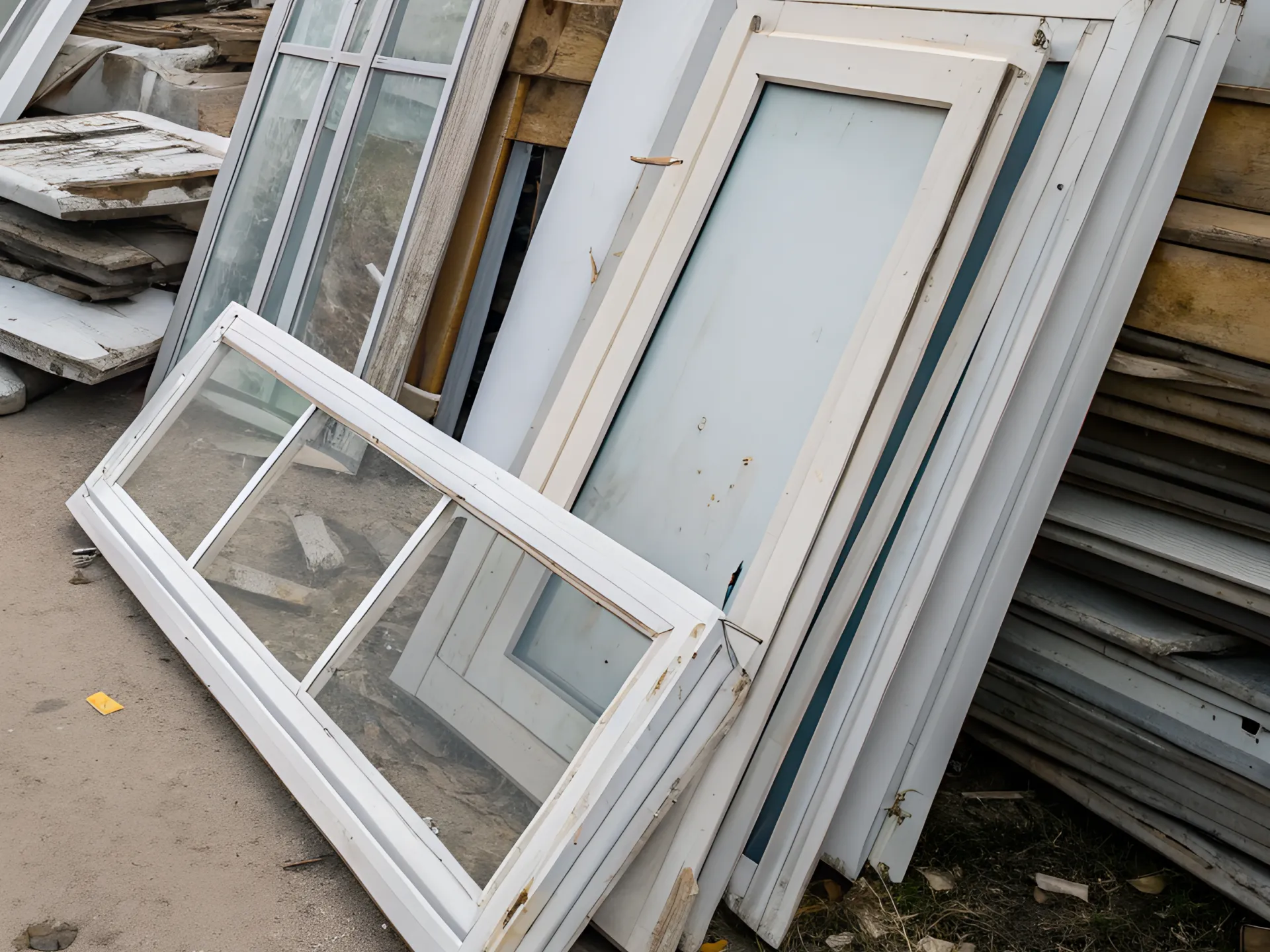
PVC se široce používá v aplikacích s dlouhou životností, jako jsou trubky, profily a stavební výrobky. Když tento materiál dosáhne konce své životnosti, mají recyklační společnosti a výrobci dvě praktické možnosti: zlikvidovat ho nebo jej znovu využít jako surovinu pro nové produkty. Recyklace obvykle zlepšuje oba výsledky: menší objem skládkování/spaloven a menší poptávku po panenské pryskyřici.
Klimatický přínos pochází především z vyhnout se panenské produkci a v některých případech, zamezení dopadů likvidace. Přesná čísla se liší v závislosti na energetickém mixu, přepravní vzdálenosti a čistotě PVC proudu, takže je lepší pochopit faktory, které je ovlivňují, než se spoléhat na jedno hlavní procento.
Rychlé jídlo s sebou
- Hlavní přínos v oblasti emisí vyplývá z nahrazení panenského PVC recyklovaným PVC v nových produktech.
- Čisté a dobře tříděné toky PVC se recyklují efektivněji a poskytují vyšší hodnotu výstupu.
- Přísady jsou důležité (zejména starší stabilizátory); třídění a sledovatelnost chrání koncové trhy.
Odkud pochází uhlíková výhoda
1) Zamezení výroby panenské pryskyřice
Pokud v aplikaci nahradíte recyklované PVC panenské PVC, snížíte potřebu výroby a zpracování nových surovin. To obvykle snižuje emise během životního cyklu, za předpokladu rozumných přepravních vzdáleností a efektivních recyklačních operací.
2) Zabránění likvidaci
Recyklace snižuje objem odpadu skládkovaného nebo spalovacího a může snížit dopady spojené s likvidací. Způsoby likvidace a jejich dopady se v jednotlivých regionech výrazně liší.
Co dělá recyklaci PVC více či méně efektivní
Projekty recyklace PVC dosahují nejlepších výsledků, když je tok: – z jednoho zdroje nebo dobře oddělené (okna a potrubí jsou jednodušší než směsný demoliční odpad) – nízký obsah kontaminace bez PVC (gumová těsnění, kovy, dřevo, izolace) – kontrolováno na přísady (zastaralé PVC stabilizované olovem je na některých trzích regulováno)
Zařízení používané při praktické recyklaci PVC
Většina recyklačních linek na rigidní PVC kombinuje: – zmenšení velikosti (drcení/granulace) – odstranění kontaminantů (oddělení kovů, promývání dle potřeby) – sušení a klasifikaci – přepracování na drť, granule nebo prášek v závislosti na koncovém trhu
Pro práškové aplikace je běžné mletí/drcení (viz Průmyslové drtiče PVC pro recyklaci trubek, profilů a šrotu).
Pokud zpracováváte smíšené tuhé plasty (nejen PVC), začněte s konceptem modulární tuhé linky a v případě potřeby přidejte kroky specifické pro PVC (viz pevné plastové prací šňůry na PP, HDPE, PVC).
Související reference Energycle: – Vysvětlení recyklace PVC – Statistiky globální produkce a likvidace PVC – Průmyslové drtiče PVC pro recyklaci trubek, profilů a šrotu – Pevná plastová prací linka na PP, HDPE, PVC
Poznámka k dodržování předpisů a “starším přísadám”
Některé toky odpadu z PVC obsahují starší olověné stabilizátory. V EU platí omezení a výjimky a kupující často vyžadují dokumentaci prokazující shodu s předpisy a vhodné podmínky použití.
Často kladené otázky (FAQ)
Snižuje recyklace PVC vždy uhlíkovou stopu?
Ne automaticky. Výhoda závisí na zamezení panenské produkce, vašem zdroji elektřiny/tepla, přepravní vzdálenosti a na tom, kolik výtěžku ztrácíte v důsledku kontaminace a jemných částic.
Co je největším faktorem, který snižuje přínos recyklace PVC pro klima?
Nestabilní kvalita vstupních surovin. Když dochází ke ztrátě výtěžnosti (nadměrné množství jemných částic, zmetků, přepracování) nebo k neefektivnému provozu v důsledku kontaminace, zvyšují se emise na tunu použitelného výstupu.
Je mechanická recyklace “zelenější” než chemická/vstupní recyklace PVC?
Často, když je proud PVC čistý a mechanický výstup je použitelný. Chemické postupy mohou řešit složité proudy, ale musí zvládat chlór/HCl a obvykle mají vyšší energetickou náročnost.
Které volby zařízení jsou nejdůležitější z hlediska energie a emisí?
Stabilní redukce velikosti (méně jemných částic), efektivní praní/separace (v případě potřeby) a správná strategie sušení. Nadměrné dimenzování nebo tepelné kroky “hrubé síly” obvykle zvyšují provozní emise.
Závěr
Recyklace PVC může snížit emise zejména tím, že vytlačování panenské pryskyřice—ale skutečný přínos závisí na výtěžnosti a stabilitě procesu. Nejspolehlivější “páka pro regulaci emisí” je často jednoduchá: udržovat proud čistý a konzistentní a poté navrhnout linku tak, aby se minimalizovaly zmetky a jemné částice (s praním/separací a řízeným mletím, když to trh vyžaduje).
