

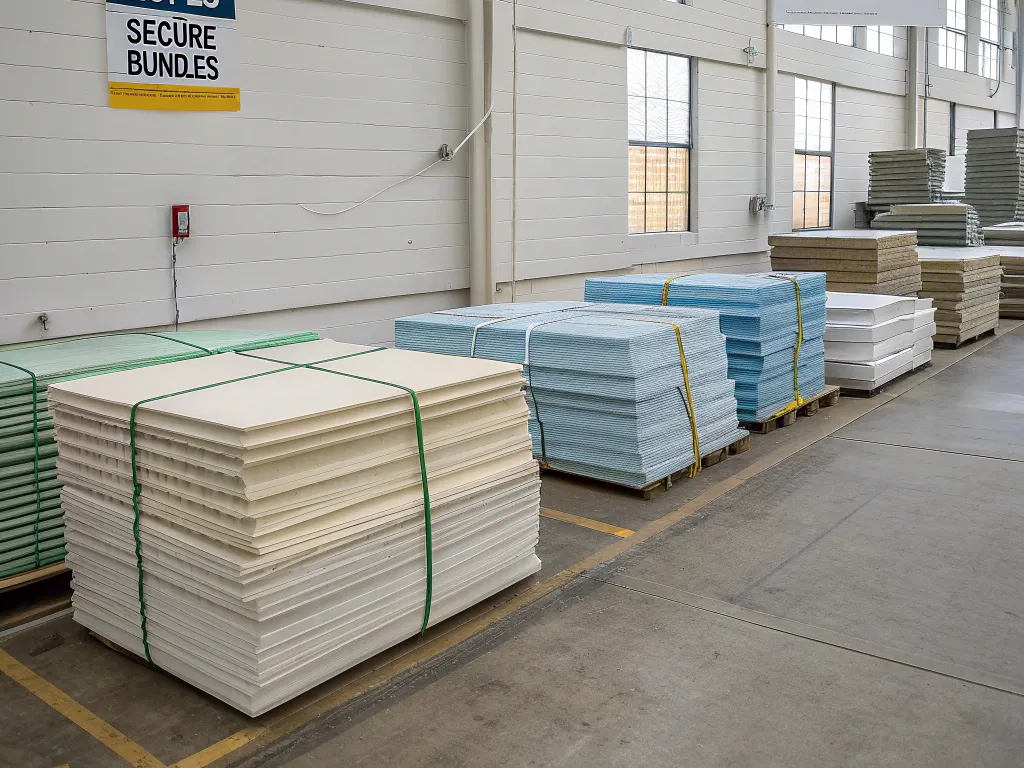
Vinylové obklady jsou obvykle na bázi PVC, což z nich při hromadném sběru činí cenný odpad. Problém není v základním polymeru – ale v… kontaminační balíčekhřebíky a šrouby, hlíny, úlomky dřeva a smíšené materiály z demolice a renovace.
Tato příručka vysvětluje praktický postup zařízení pro recyklaci vinylových obkladů na opakovaně použitelný drcený nebo prášek z PVC a také otázky týkající se nákupu, které zabraňují nákladným neshodám v výrobních linkách.
Rychlé jídlo s sebou
- Odstraňování kovu je nezbytné; spojovací prvky mohou rychle zničit nože, síta a ložiska.
- Obklady po spotřebě obvykle vyžadují více čištění a separace než obklady po průmyslové výrobě.
- Výroba prášku vyžaduje kontrolované granulování, chlazení, třídění a kontrolu prašnosti – nejen drcení.
Čím se vinylové obklady liší od jiných pevných plastů
Ve srovnání s mnoha tuhými materiály z PP/HDPE se odpad z obkladů často dodává jako demoliční směs: spojovací materiál, tmel, barva, dřevo, úlomky izolace a nečistoty. To znamená, že návrh linky musí být šetrný k odstraňování kovu a musí počítat s abrazivním opotřebením.
PVC je sám o sobě známý polymer používaný ve stavebních výrobcích; pokud potřebujete obecný referenční materiál pro netechnické zainteresované strany, podívejte se na přehled Britannica polyvinylchlorid (PVC).
Praktický postup recyklace vinylových obkladů (Příjem → Čistý drť)
Přesné moduly se liší podle regionu a specifikace kupujícího, ale většina funkčních linek má strukturu podobnou této:
| Krok | Gól | Typické vybavení | Pozor na kupující |
|---|---|---|---|
| 1) Příjem + předtřídění | Odstraňte viditelné nečistoty, které nejsou z PVC, a nadměrné kovové části | Ruční třídění, inspekční stůl, magnety | Definujte pravidla pro přijetí, jinak se linka stane třídičem odpadu |
| 2) Hrubé odstraňování kovů | Chraňte řezací zařízení | Magnety, detekce kovů (pokud je to odůvodněné) | Umístěte magnety před a po zmenšení velikosti, protože uvolňování kovu se mění s velikostí |
| 3) Drcení | Zredukujte objemné kusy na stabilní podávání | Jednohřídelový drtič | Naplánujte si opotřebitelné díly a přístup k nim; odpad z obkladu může být abrazivní |
| 4) Granulace | Vytvořte konzistentní drť z PVC | Granulátor + síto | Výběr síta ovlivňuje prašnost, propustnost a následné mytí/mletí |
| 5) Praní + separace + sušení (dle potřeby) | Odstraňte nečistoty a snižte kontaminaci nePVC materiály | Třecí pračka, separační stupně, odvodňování/sušení | Dimenzujte rozhraní pro úpravu vody a definujte, co znamená “čistý” |
| 6) Výroba prášku (volitelné) | Vyrábějte PVC prášek pro aplikace, které ho vyžadují | Systém drcení/mletí PVC + klasifikace + odsávání prachu | Kvalita prášku je citlivá na čistotu krmiva a chlazení. |
Krok 1: Třídění a odstraňování kovových částic (ochrana linky)
Běžné kroky: – odstranění viditelných nečistot mimo obklad během příjmu – pokud možno oddělit velké kovové kusy před jejich zmenšením – po drcení/granulaci přidat magnety k zachycení spojovacích prvků
Krok 2: Zmenšení velikosti (drcení a granulace)
Typický postup: – drcení objemných, nepraktických kusů pro stabilní podávání – granulace na konzistentní velikost mletí pro praní nebo mletí
Referenční hodnoty zmenšení velikosti Energycle: – drtič s jedním hřídelem – plastové granulátory
Krok 3: Praní, separace a sušení
Obklady po spotřebě často obsahují nečistoty a kontaminaci, která není z PVC. Mycí linky obvykle přidávají: – třecí mytí k odstranění povrchových nečistot – separační fáze odpovídající směsi kontaminantů – odvodnění a sušení pro stabilizaci výstupu
Referenční číslo pevné linky: Energycle Pevná plastová prací linka na PP/HDPE/PVC
Krok 4: Výroba prášku (když to koncový trh vyžaduje)
Některé aplikace PVC používají prášek nebo suchou směs namísto hrubého drcení. Výroba prášku obvykle vyžaduje: – kontrolované, čisté granule jako vstupní surovinu – mletí/drcení s chlazením a tříděním – řízení prašnosti pro bezpečnou a konzistentní manipulaci
Referenční číslo zařízení: Energycle Bruska na PVC plasty
Poznámky k kvalitě a shodě
Starší stavební výrobky z PVC mohou obsahovat přísady, které jsou na některých trzích omezeny. Pokud vyvážíte nebo prodáváte do přísnějších dodavatelských řetězců, naplánujte dokumentaci a vhodné podmínky použití.
Pro Evropu nařízení Komise (EU) 2023/923 pozměnilo omezení REACH týkající se olova v PVC výrobcích. Pokud by vaše produkce mohla vstoupit na regulované trhy, ověřte původ vstupních surovin, zamýšlené použití a plán dokumentace včas – ještě předtím, než rozšíříte dodávky. (Zdroj: Nařízení Komise (EU) 2023/923)
VinylPlus také zveřejňuje výroční zprávy o pokroku v oblasti udržitelnosti a recyklace PVC v Evropě, které vám mohou pomoci pochopit, jak iniciativy v oblasti recyklace popisují cíle a podávání zpráv. (Zdroj: Zpráva o pokroku VinylPlus za rok 2024)
Na co se ptát dodavatelů (aby byly nabídky porovnatelné)
| Otázka | Proč na tom záleží | Co zahrnuje solidní odpověď |
|---|---|---|
| Jaké je vaše předpokládané zatížení spojovacího prvku a plán pro odstraňování kovu? | Zabraňuje katastrofálním škodám a prostojům | Magnetické stupně, metoda čištění, strategie detekce a ochrana granulátoru |
| Jakou velikost výstupu garantujete a jak se třídí? | Řídí následné praní, extruzi a výrobu prášku | Možnosti síta, doba přepnutí, očekávané chování prachu/jemných částic |
| Potřebuji omýt obklad mého přítoku? | Praní zvyšuje provozní náklady a potřeby úpravy vody | Rozhodnutí založené na kontaminaci a specifikaci kupujícího, nikoli obecné doporučení |
| Jaký je plán pro díly podléhající opotřebení? | Náklady na opotřebení mohou dominovat provozním výdajům abrazivních toků | Předpokládaná životnost nože, seznam náhradních dílů, odhady doby údržby |
| Pokud potřebuji prášek, jaká je jeho klasifikace a kontrola prachu? | Závisí na tom kvalita prášku a jeho úklid | Způsob chlazení, koncept třídiče, dimenzování odlučovače prachu, plán balení |
Často kladené otázky (skutečné otázky týkající se zadávání veřejných zakázek)
Potřebuji mycí šňůru na odpad z vinylového obkladu?
Záleží na znečištění a specifikaci kupujícího. Obklady z postindustriální výroby (čisté, se známým složením) mohou vyžadovat minimální čištění, zatímco demoliční obklady často potřebují mytí, aby se odstranily nečistoty a snížila kontaminace nePVC, než se stanou prodejným drceným materiálem. Mytí zvyšuje provozní náklady a vyžaduje plánování odvodnění, sušení a čištění odpadních vod, takže jej nekupujte “pro jistotu”. Zeptejte se kupujícího, co odmítá (viditelné nečistoty, obsah popela, směsné polymery, zápach), poté odeberte vzorek vstupního materiálu a porovnejte ho s danou specifikací. Pokud je přijetí kupujícím těsné, mytí je obvykle levnější než vrácení zákazníkem.
Jaký je nejbezpečnější způsob manipulace s hřebíky a šrouby v recyklační lince na obklady?
K odstraňování kovů přistupujte jako k vícestupňovému systému, nikoli jako k jednomu magnetu. Během příjmu odstraňte velké kovové částice, poté použijte magnety před drcením a znovu po drcení/granulaci, protože kov se uvolňuje s zmenšováním velikosti. Pokud má váš vstupní proud nepředvídatelné spojovací prvky, zvažte detekci a blokování, abyste zabránili vniknutí kovu do granulátoru. Naplánujte si také, jak a jak často se magnety čistí; znečištěné magnety snižují separační výkon a zvyšují riziko. Cíl je jednoduchý: chránit nože a síta, aby vaše prostoje byly plánované a ne vynucené poškozením.
Jakou výstupní velikost drceného PVC materiálu bych měl cílit?
Zaměřte se na velikost materiálu, kterou potřebuje váš následný odběratel nebo váš vlastní extruder, ne na nejmenší velikost, kterou váš granulátor dokáže vyrobit. Menší velikosti mohou zvýšit prašnost a opotřebení a mohou zvýšit provozní náklady, aniž by to zlepšilo hodnotu. Mnoho kupujících chce konzistentní distribuci velikosti drtě, která spolehlivě dávkuje a udržuje stabilní filtraci taveniny. Zeptejte se svého zákazníka na jeho preferovaný rozsah velikosti a přijatelné procento nadměrné velikosti a poté tomu přizpůsobte síta a konfiguraci granulátoru. Pokud plánujete později vyrábět prášek, zaměřte se nejprve na výrobu čistých a konzistentních granulí; práškové systémy jsou citlivé na znečištěný nebo nekonzistentní přísun.
Mohu vyrobit PVC prášek z recyklovaného vinylového obkladu?
Ano, ale výroba prášku není jen “další drcení”. Práškové systémy obvykle potřebují jako vstupní surovinu čisté a konzistentní granule a navíc chlazení a třídění pro kontrolu velikosti částic a prevenci přehřátí. Regulace prašnosti se stává každodenním provozním požadavkem, protože PVC prášek je jemný a může se rychle rozprostírat. Pokud je vaším koncovým trhem prášek, požádejte dodavatele zařízení o cenovou nabídku na kompletní sadu práškových modulů: drtič/mletí, třídič/třídění, chlazení, odlučovač prachu a balení. Před dimenzováním systému si také ověřte specifikaci prášku se svým kupujícím (distribuce velikosti částic a limity kontaminace).
Existují obavy z dodržování předpisů ohledně recyklace starších stavebních výrobků z PVC?
Může k nim dojít, zejména pokud by se váš výstup mohl dostat na regulované trhy nebo do citlivých aplikací. Starší PVC výrobky mohou obsahovat přísady, které jsou v některých jurisdikcích omezeny, a požadavky na shodu se mohou v průběhu času měnit. V EU nařízení Komise (EU) 2023/923 pozměnilo omezení týkající se olova v PVC výrobcích podle nařízení REACH. Správná odpověď nezní “nerecyklujte”, ale “kontrolujte místo určení”: definujte schválená konečná použití, v případě potřeby oddělte vstupní toky a uchovávejte dokumentaci, která odpovídá požadavkům vašeho kupujícího. Pokud vyvážíte, slaďte očekávání ohledně shody s předpisy před podpisem dlouhodobých dodavatelských smluv.
Jaký je nejrychlejší způsob, jak získat srovnatelné nabídky na vybavení?
Zašlete krátkou žádost o nabídku (RFC), která obsahuje (1) zdroj vašeho obkladu (postindustriální vs. demoliční), (2) očekávanou kontaminaci kovem/dřevem/nečistotami, (3) požadovaný výstupní formát (drcený nebo prášek) a (4) přejímací zkoušky kupujícího. Poté požadujte od dodavatelů, aby řádek po řádku uvedli moduly (magnety, drtič, granulátor, praní/sušení, práškový modul) a uvedli předpokládané opotřebitelné díly a dobu údržby. Pokud cenová nabídka nedefinuje fáze odstraňování kovu a očekávání opotřebitelné díly, není srovnatelná. Pokud chcete sladit terminologii napříč nabídkami, použijte stránky s vybavením Energycle jako referenční body.
