

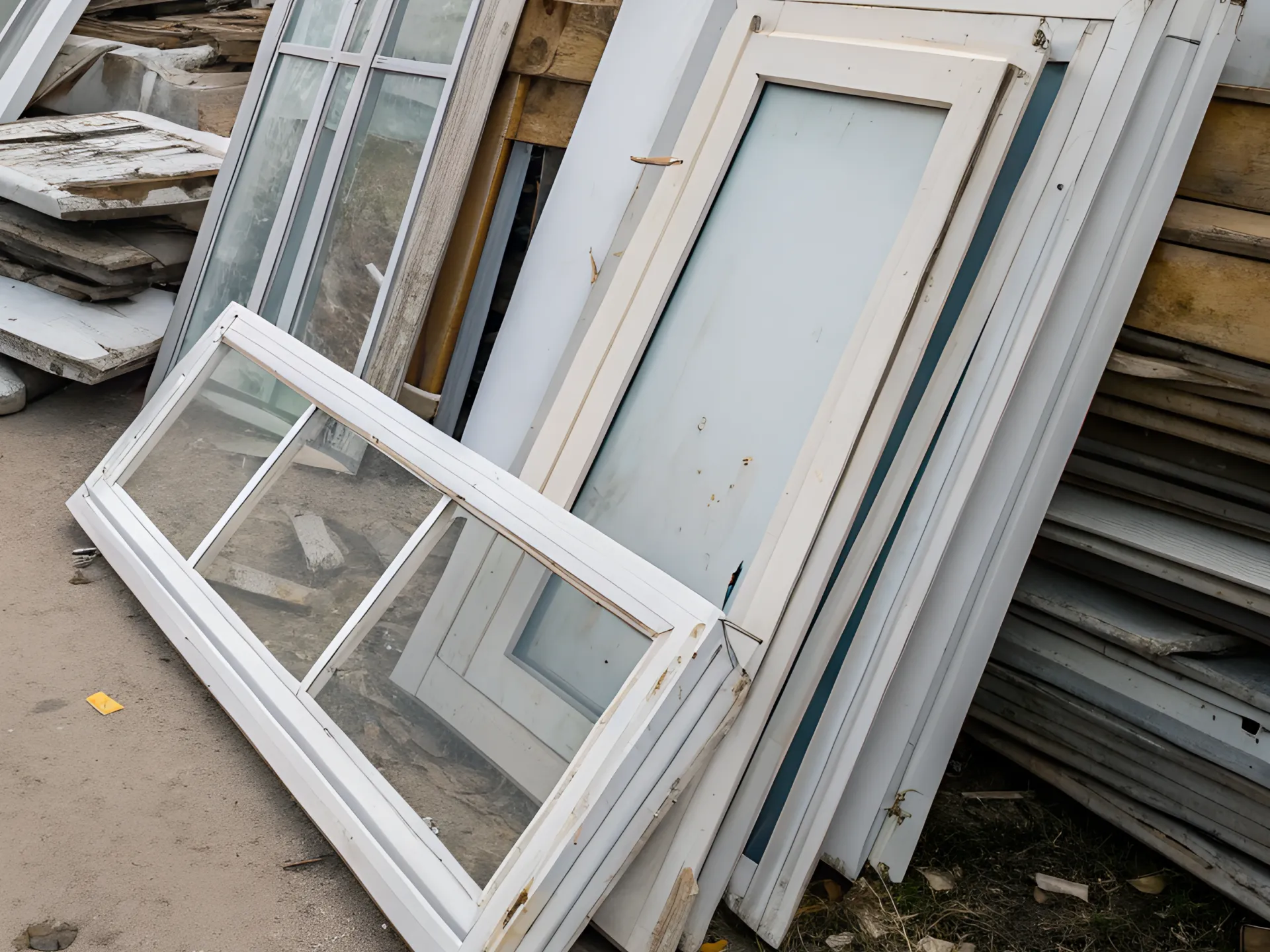
PVC se široko koristi u dugotrajnim primjenama kao što su cijevi, profili i građevinski proizvodi. Kada taj materijal dosegne kraj svog životnog vijeka, recikleri i proizvođači imaju dva praktična izbora: zbrinuti ga ili ga reciklirati kao sirovinu za nove proizvode. Recikliranje obično poboljšava oba ishoda: manji volumen odlagališta/spaljivanja i manju potražnju za djevičanskom smolom.
Klimatska korist dolazi uglavnom od izbjegnuta djevičanska proizvodnja i, u nekim slučajevima, izbjegnuti utjecaji odlaganja. Točne brojke ovise o sastavu električne energije, udaljenosti prijevoza i čistoći PVC toka, stoga je bolje razumjeti pokretače nego se oslanjati na jedan glavni postotak.
Brza jela za van
- Glavna korist od emisija dolazi od zamjene djevičanske smole recikliranim PVC-om u novim proizvodima.
- Čisti, dobro sortirani PVC tokovi se učinkovitije recikliraju i daju veću vrijednost.
- Aditivi su važni (posebno postojeći stabilizatori); sortiranje i sljedivost štite krajnja tržišta.
Odakle dolazi korist od ugljika
1) Izbjegnuta proizvodnja djevičanske smole
Ako u nekoj primjeni zamijenite reciklirani PVC djevičanskim PVC-om, smanjujete potrebu za proizvodnjom i preradom novih sirovina. To obično smanjuje emisije tijekom životnog ciklusa, pod pretpostavkom razumnih transportnih udaljenosti i učinkovitih postupaka recikliranja.
2) Izbjegnuto odlaganje
Recikliranje smanjuje količinu koja se šalje na odlagališta ili spaljuje i može smanjiti utjecaje povezane s odlaganjem. Putovi odlaganja i njihovi utjecaji značajno se razlikuju ovisno o regiji.
Što čini recikliranje PVC-a više ili manje učinkovitim
Projekti recikliranja PVC-a najbolje funkcioniraju kada je tok: – iz jednog izvora ili dobro odvojen (prozori i cijevi su lakši od miješanog otpada od rušenja) – niska razina onečišćenja koje nisu PVC (gumene brtve, metali, drvo, izolacija) – kontrolirano na aditive (zastarjeli PVC stabiliziran olovom reguliran je na nekim tržištima)
Oprema koja se koristi u praktičnom recikliranju PVC-a
Većina linija za recikliranje krutog PVC-a kombinira: – smanjenje veličine (usitnjavanje/granulacija) – uklanjanje onečišćujućih tvari (odvajanje metala, pranje po potrebi) – sušenje i klasifikaciju – ponovnu preradu u mljeveni materijal, granule ili prah, ovisno o krajnjem tržištu
Za primjenu u prahu, mljevenje/usitnjavanje je uobičajeno (vidi Industrijski PVC drobilice za recikliranje cijevi, profila i otpada).
Ako obrađujete miješane krute plastike (ne samo PVC), počnite s konceptom modularne krute linije i dodajte korake specifične za PVC gdje je potrebno (vidi linija za pranje krute plastike za PP, HDPE, PVC).
Povezane reference Energycle: – Objašnjenje recikliranja PVC-a – Globalna statistika proizvodnje i odlaganja PVC-a – Industrijski PVC drobilice za recikliranje cijevi, profila i otpada – Kruta plastična linija za pranje PP, HDPE, PVC
Napomena o usklađenosti i “starijim aditivima”
Neki tokovi PVC otpada sadrže stare olovne stabilizatore. U EU-u se primjenjuju ograničenja i odstupanja, a kupci često zahtijevaju dokumentaciju koja pokazuje usklađenost i odgovarajuće uvjete upotrebe.
Preguntas Frecuentes (FAQ)
Smanjuje li recikliranje PVC-a uvijek ugljični otisak?
Ne automatski. Korist ovisi o izbjegnutoj proizvodnji nerafinirane vode, vašem izvoru električne energije/topline, udaljenosti prijevoza i količini prinosa koju gubite zbog onečišćenja i čestica.
Koji je najveći faktor koji smanjuje klimatske koristi recikliranja PVC-a?
Nestabilna kvaliteta sirovine. Kada gubite prinos (prekomjerne fine čestice, škart, prerada) ili radite neučinkovito zbog kontaminacije, emisije po toni iskoristivog proizvoda se povećavaju.
Je li mehaničko recikliranje “zelenije” od kemijskog/sirovinskog recikliranja za PVC?
Često, kada je PVC tok čist i mehanički izlaz upotrebljiv, kemijski putevi mogu se koristiti za složene tokove, ali moraju upravljati klorom/HCl-om i obično imaju veći energetski intenzitet.
Koji izbori opreme su najvažniji za energiju i emisije?
Stabilno smanjenje veličine (manje finih čestica), učinkovito pranje/odvajanje (kada je potrebno) i ispravna strategija sušenja. Predimenzioniranje ili termalni koraci "grube sile" obično povećavaju radne emisije.
Zaključak
Recikliranje PVC-a može smanjiti emisije uglavnom istiskujuća djevičanska smola—ali stvarna korist ovisi o prinosu i stabilnosti procesa. Najpouzdanija “poluga emisija” često je jednostavna: održavati tok čistim i konzistentnim, a zatim dizajnirati liniju kako bi se smanjili odbacivanja i fine čestice (s pranjem/odvajanjem i kontroliranim mljevenjem kada tržište to zahtijeva).
