

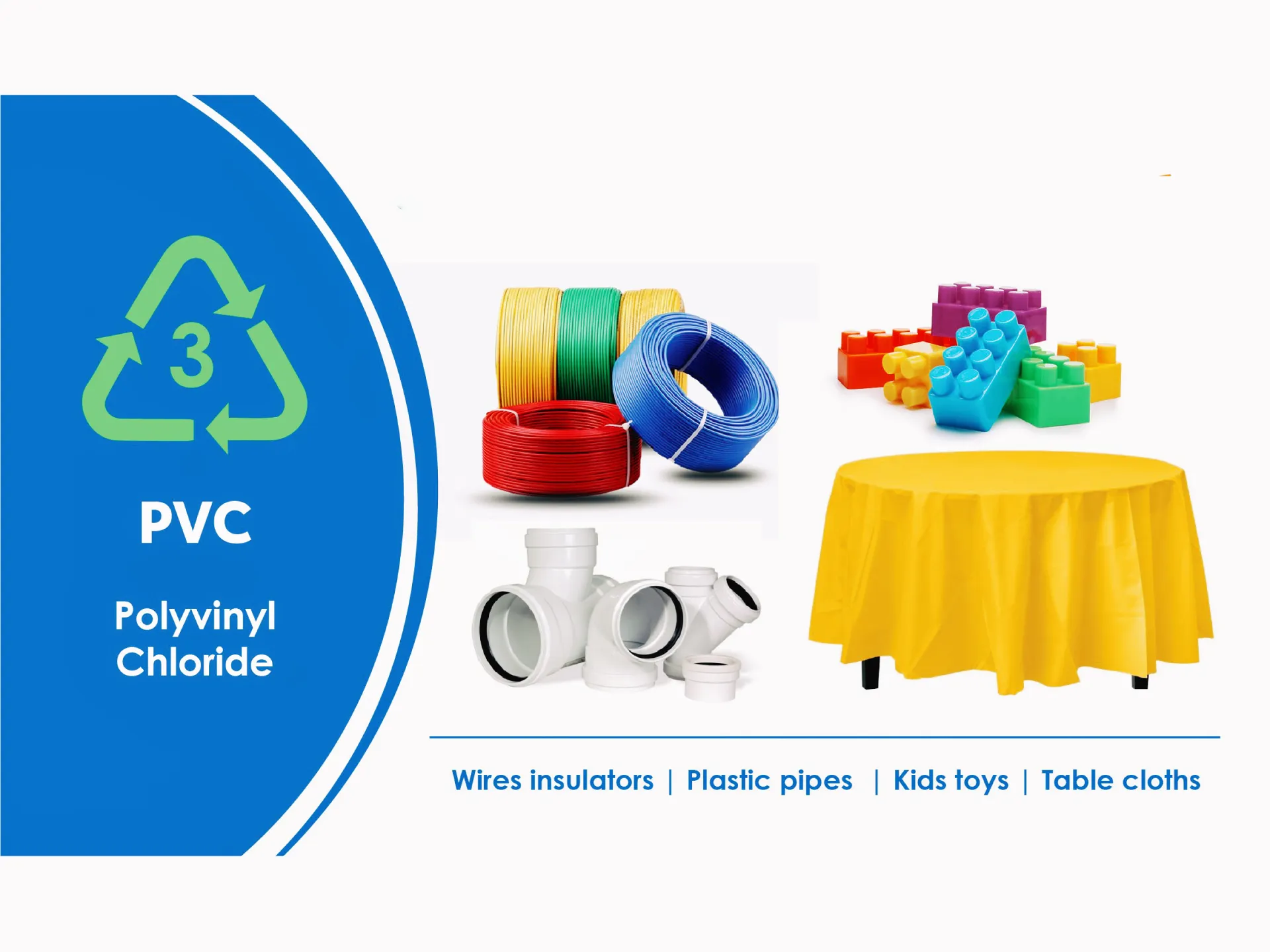
Podaci pregledani: 12 kolovoza 2026. Statistike proizvodnje i obrade PVC često se kombiniraju iz izvora s različitim godinama, regijama i definicijama. Ovaj vodič razlikuje globalne podatke o svim plastičnim materijalima od specifičnih za PVC evropskih programa i objašnjava što svaki broj može i ne može pokazati.
Potvrđene figure i njihov opseg
| Metrički | Godina referenciranja | Prijavljeni iznos | Opseg i ograničenje |
|---|---|---|---|
| Globalna proizvodnja plastičnih materijala | 2019 | 460 milijuna tona | Svi plastični materijali; procjena OECD, ne samo proizvodnja PVC-a |
| Globalni otpad plastičnih materijala | 2019 | 353 milijuna tona | Svi plastični materijali; procjena OECD |
| Konačno reciklirani otpad plastičnih materijala | 2019 | 9% | Svi plastični materijali nakon recikliranja s gubitcima; ne vrijedi za stopu recikliranja PVC-a |
| Otpad plastičnih materijala spaljeni | 2019 | 19% | Svi plastični materijali; globalni model OECD |
| Otpad plastičnih materijala ispred smetlišta | 2019 | Gotovo 50% | Svi plastični materijali; kategorija sanitarnog smetlišta u izvještavanju OECD |
| Nepravilno upravljani otpad plastičnih materijala | 2019 | 22% | Svi plastični materijali; nekontrolirano izbacivanje, otvoreno gorenje ili izljev |
| Otpad PVC-a recikliran unutar VinylPlus | 2025 | 765,972 tona | Europski okvir VinylPlus; ne globalna recikliranja PVC-a |
Izvori: OECD Globalni pregled plastičnih materijala i VinylPlus Ključni izvještaji 2026 ističu. vrijednosti se reproduciraju s njihovim originalnim opsegom, ne umiješane u novu globalnu stopu PVC-a.
Zašto ovdje nema jedinstvenog trenutnog broja globalne proizvodnje PVC-a
Javni PVC brojevi dolaze iz procjena proizvodnje smola, predviđanja potražnje, potrošnje polimera, korištenja pretvarača i trgovinskog podataka. Možda pokrivaju samo surovu smolu ili uključuju spojeve i sadržaj recikliranog materijala; regije i godine kalendara također se razlikuju. Trgovinski izvještaji često objavljuju procjene bez potpuno dostupnog metoda.
Definirana globalna vrijednost proizvodnje PVC-a treba identificirati izvještavajuću organizaciju, godinu, geografiju, jedinicu, granicu proizvoda i jesu li metode dostupne. Bez tih polja, precizno izgledajuća vrijednost može zavesti usporedbu.
Što znače brojevi OECD-a
OECD je procijenio da je godišnja globalna proizvodnja plástika porasla sa 234 milijuna tona 2000. godine na 460 milijuna tona 2019. godine, dok je otpad plástika porastao sa 156 milijuna tona na 353 milijuna tona. Nakon računanja gubitaka recikliranja, izvještava da je 9% otpada plástika naposljetku reciklirano.
Ove brojke pružaju globalni kontekst za plástike u cjelini. Ne smiju se prezentirati kao specifične za PVC proizvodnju, otpad ili količine recikliranja. PVC ima različite životne vrijednosti i primjene od kratkotrajnih polimera pakovanja; proizvodi za izgradnju mogu ostati u uporabi desetljećima, tako da godišnja proizvodnja smole i godišnja generacija PVC otpada nisu zamjenjive.
Što znače posljednje brojke VinylPlus-a
VinylPlus izvještava da je 765,972 tona PVC otpada reciklirano unutar svog okvira 2025. godine. Javni sažetak navodi da je 58.8% bio otpad prije potrošača i 41.2% otpad poslije potrošača. Izvještaj je trenutna, provjerljiva mjera aktivnosti programa u Europi.
Nije ukupna količina PVC-a koja se reciklira diljem svijeta, ukupan količina otpada PVC-a generirana u Europi ili globalni postotak recikliranja. Granice programa, učestvujuće zemlje, provjera podataka i brojeni tokovi moraju ostati pridruženi kada se broj navodi.
Primjene PVC-a čine teškim uspoređivanje vremena otpada
PVC se koristi u proizvodima dugotrajne uporabe u građevinarstvu poput profila, cijevi, podova i kabela, kao i u pakovanjima i potrošačkim proizvodima kraćeg života. Dodaci, punila, plastičizatori, stabilizatori, boje i kombinirana gradnja se razlikuju između ovih primjena.
Ukupna količina proizvodnje u jednom godištu ne postaje otpad u istoj godini. Korisna studija toka materijala treba uključivati životni vijek proizvoda, uvoze i izvoze, zalihe u uporabi, aktivnosti destrukcije i skupljanje. Zato broj proizvodnje ne bi trebao biti direktno kombiniran s trenutnim tonom recikliranja kako bi se izračunao postotak recikliranja PVC-a.
Uredbe za odlaganje moraju biti definirane
“Odlaganje” može značiti samo spaljivanje na smetlištu, ali može se koristiti široko za sve ne-reciklirane materijale. OECD razlikuje recikliranje, spaljivanje, sanitarno smetlište i loše upravljani otpad za svjetski model sva plastična 2019. Nacionalne statistike mogu koristiti različite kategorije, posebno gdje se energetski povrat koristi posebno.
Kada se uspoređuju PVC podatci, provjerite je li incineracija uključuje energetsku regeneraciju, je li izvoznji otpad dodjeljen izvoznjoj ili primajućoj zemlji, te je li recikliranje mjeren pri skupljanju, sortiranju ulaza ili prihvaćenom izlazu recikliranog materijala.
Zašto je PVC važan u recikliranju PET boća
PVC je ključni kontaminant u recikliranju PET jer oboje materijala često se javljaju u sinkovnoj frakciji vodene cijevi. Odvajanje po gustini može ukloniti mnoge plutajuće PE ili PP zatvaračice iz potapanog PET-a, ali ne može pouzdanom načinom razdvojiti PVC od PET-a.
PVC se može razgraditi pod uvjetima procesiranja PET-a i utjecati na boju i svojstva materijala. Dopušteni nivo ovisi o kupcu, primjeni i metodi testiranja, a ne o jednom univerzalnom pragu. Udruženje reciklатора PET tvrda izvođačka smjera tretira PVC komponente kao štetne za rekreaciju PET-a.
Vidite poseban tehnički članak o Zagađenje PVC-a u recikliranju bočica od PET-a za detekciju i kontrolu procesa.
Kako recikliratelji kontroliraju struje sadržavajuće PVC.
- Definirajte tok: zadržite PET boce, PVC profile, cijevi, kabel, podovi i mješoviti tvrdi otpad pod posebnim specifikacijama ulaza gdje je to moguće.
- Sortirajte prije rezanja: uklonite prepoznatljive neželjene proizvode dok su dovoljno veliki za prepoznavanje.
- Koristite provjereno detekciju: optički ili drugi senzor za sortiranje treba testirati na stvarnoj boji, obliku, etiketama i količini.
- Primijenite ispravno separaciju gustine: koristite je za kompatibilne parove plava/slončana, ne kao dokaz da su PET i PVC razdvojili.
- Kontrolirajte aditive i staru proizvodnju: definirajte ograničene tvari i primjene s potrošačem na nizvod i primjenjivim regulacijama.
- Test outputs: use a laboratory method and frequency that match the buyer’s specification.
Equipment does not make every PVC stream equivalent
A rigidna linija za pranje plástika može se konfigurirati za određeni PVC ili mešoviti tvrdi unos, ali pranje uklanja ciljano zagađenje na površini; ne izbrisuje razlike u polimeru, aditivima ili povijesti proizvoda. Protok tvrdog PVC profila i fleksibilnog PVC žica može zahtjevati različito sortiranje, smanjenje veličine, kontrolu prašine i izlaze.
Odaberite raspravljač, granulator, pralni stroj, separator i sušilnik samo nakon što je dokumentirana materija i konačna specifikacija. Održavajte sušnu masu balans unosa, odbora i prihvaćenog proizvoda tako da se tvrdnje o recikliranju odnose na stvarni izlaz.
How to cite PVC statistics responsibly
- navedite izvornog izdavača i povežite precizan izvor;
- navedite godinu referencu, regiju i obuhvat polimera;
- razlikujte proizvodnju, potrošnju, generiranje otpada, prikupljanje i prihvaćeni reciklat;
- state whether data are measured, reported by participants or modelled;
- nemojte pretvarati tonnage programa u globalnu stopu recikliranja;
- pokazati datum kada je tablica s podacima posljednji put pregledana.
Često postavljana pitanja
Koliko se PVC-a proizvodi globalno svake godine?
Objavljene procjene razlikuju se godišnje i po granicama proizvoda. Ovaj članak ne ponavlja nikakvu vrijednost bez trenutnog, transparentnog izvora koji definira smola, spojeve, sadržaj recikliranog materijala i geografiju.
Je li OECD 9% količina recikliranja PVC reciklacijski omjer?
No. It is the OECD’s estimate for all global plastic waste in 2019 after recycling losses, not a PVC-specific rate.
Mogu li tank za sink-float ukloniti PVC iz PET-a?
Nije pouzdan jer oboje često plave u vodi. Reciklacijski uređaji za PET zahtijevaju gornjestranašu sortiranje, provjeravanje detekcije i ishodišnje testiranje za kontrolu PVC-a.
Use scoped data in project decisions
Za projekt recikliranja PVC-a, osigurajte Energycle s produktnim tokom, regijom, godišnjom skupljom mase, informacijom o aditivima i specifikacijom kupca. Statistike mogu stvoriti kontekst, ali kapacitet uređaja i tvrdnje o izvozu moraju biti iz predstavnih materijalnih ispitivanja.
