
폐EVA폼 재활용 펠릿화 생산라인

Foam Scrap Pelletizing

폐EVA폼 재활용 펠릿화 생산라인

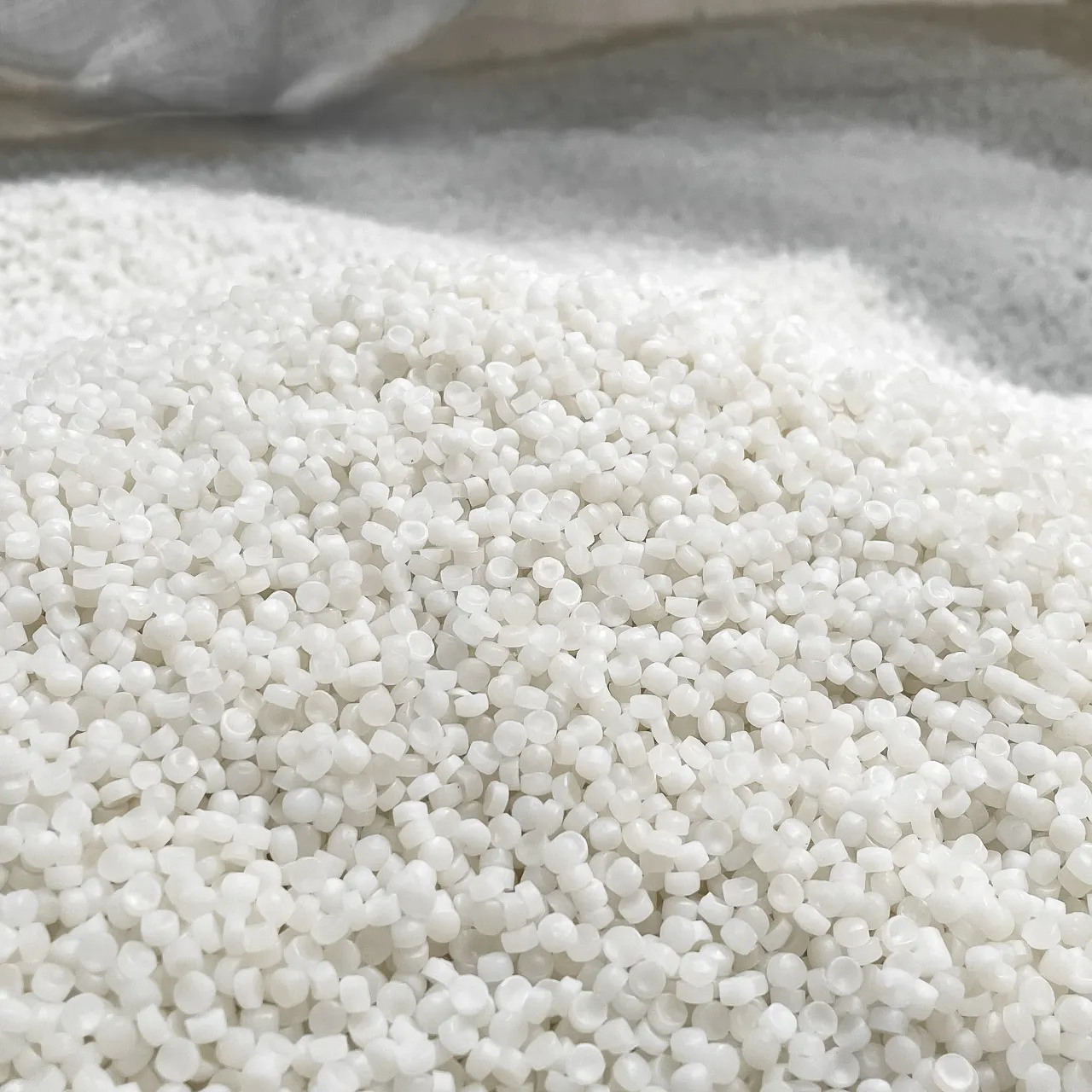
Turn lightweight EVA foam scrap, shoe soles, die-cut trim, and production waste into high-density reusable pellets. This integrated line combines size reduction, compaction, extrusion, degassing, and pelletizing to solve unstable feeding and improve pellet quality.

High quality recycled EVA pellets from Energycle pelletizing line
Live Demonstration

Watch the EVA Foam Pelletizing Workflow

See how the line handles bulky EVA waste, densifies the material, and produces finished pellets suitable for reuse in manufacturing.

Why This Line Works

Key Benefits for EVA Foam Recycling

EVA foam is light, elastic, and difficult to feed directly into an extruder. This line is designed to stabilize feeding, preserve pellet quality, and recover more value from production waste.

Solves Hopper Bridging

The line is built for low-bulk-density foam and helps prevent the feeding interruptions caused by fluffy EVA scrap piling and bridging in the hopper.

Integrated 3-in-1 Processing

Shredding, compacting, and extrusion are coordinated in one workflow, helping reduce footprint, simplify material transfer, and lower total energy use.

Stable Pellet Output

Compacting the foam before extrusion keeps the screw filled more consistently, which helps maintain pressure and produce more uniform pellets.

High Material Recovery

Production trim, shoe sole scrap, and die-cut EVA waste can be recycled back into pellet form for reuse in downstream product manufacturing.

Cleaner Melt and Better Degassing

Vent design and controlled melting help remove moisture and volatile residues while protecting the elasticity-related properties of EVA material.

Continuous Impurity Removal

Hydraulic screen changing and water-ring die-face cutting support continuous operation and reduce pellet sticking during final pellet formation.

Three-Step Workflow

How the EVA Foam Pelletizing Line Works

The process starts with size reduction, then densifies lightweight foam, and finally melts, filters, and pelletizes the material into high-density reusable EVA pellets.

1

1차 크기 감소

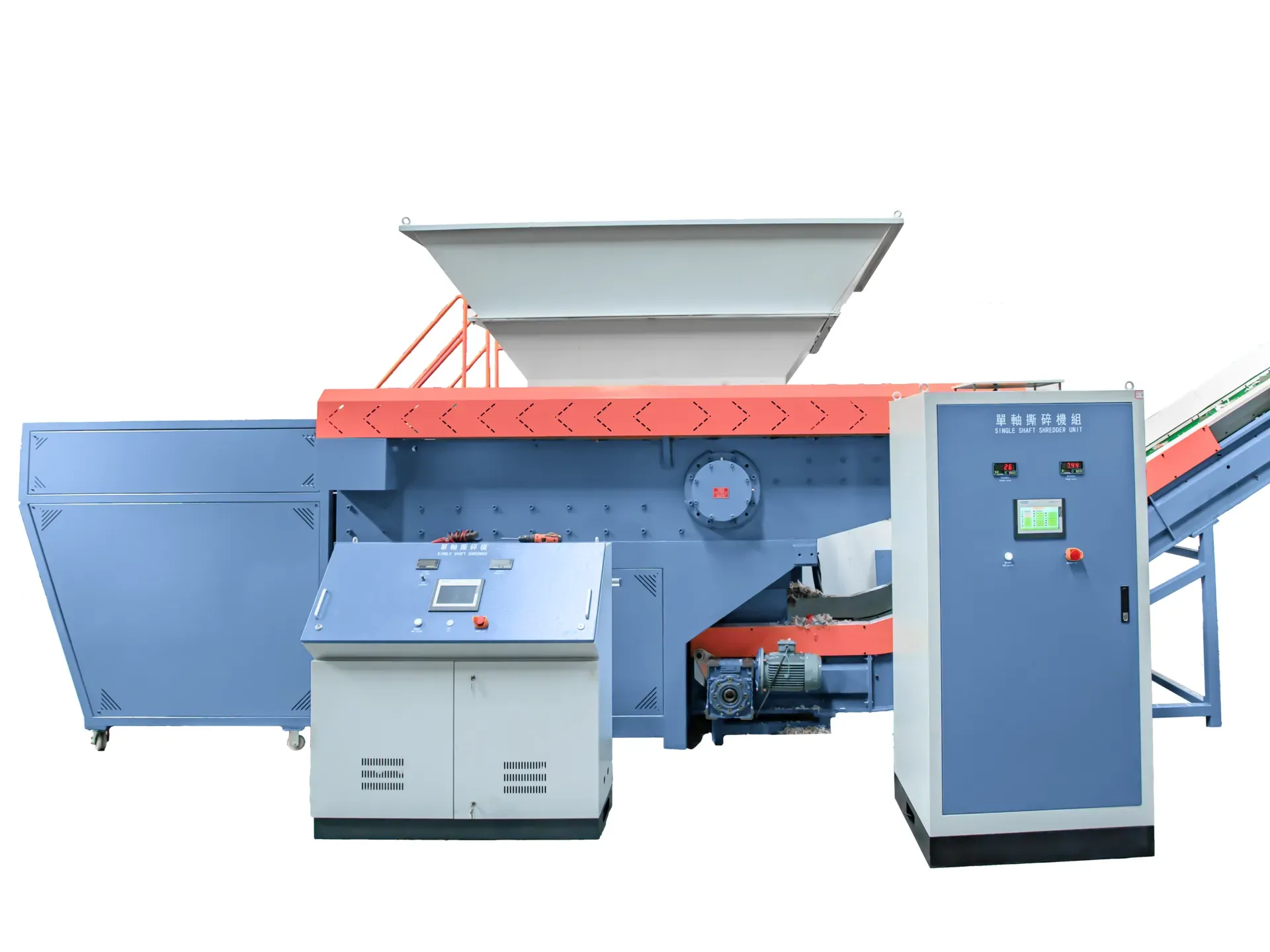
Bulky EVA blocks, thick sheets, and baled agglomerates are reduced into manageable pieces for steady downstream feeding.

2

Compacting and Densifying

A cutter compactor uses friction heat to semi-plasticize the foam and raise bulk density before the extruder stage.

3

압출 및 펠렛화

The densified EVA melt is filtered, degassed, and pelletized through a die-face cutting system for stable pellet output.

1

1차 크기 감소

Bulky EVA blocks, thick sheets, and baled agglomerates are reduced into manageable pieces for steady downstream feeding.

2

Compacting and Densifying

A cutter compactor uses friction heat to semi-plasticize the foam and raise bulk density before the extruder stage.

3

압출 및 펠렛화

The densified EVA melt is filtered, degassed, and pelletized through a die-face cutting system for stable pellet output.

Input and Equipment

Suitable EVA Waste Streams and Recommended Stages

The line can be configured for different EVA foam formats, contamination levels, and feeding conditions with the right upstream and auxiliary equipment.

Bulky EVA Scrap

Large blocks, reject sheets, and agglomerated foam are normally prepared with a 단일 샤프트 파쇄기 to achieve stable line feeding.

Shoe Sole and Die-Cut Waste

Post-industrial trim, offcuts, and sole scrap are suitable inputs when bulk density is controlled before extrusion.

Integrated Compaction Stage

그만큼 통합 파쇄기 및 과립화기 기계 helps densify foam and improve screw feeding stability.

Filtration and Pellet Formation

유압 화면 체인저 and water-ring pelletizing stage help keep pellets cleaner and less sticky.

Cross-Linked EVA

Cross-linked EVA can often be processed, but heavily cross-linked grades should be tested first to confirm temperature window and output stability.

Related Pretreatment Option

For difficult light materials, the plastic film agglomerator machine guide is also useful as a related reference for densification logic.

기술 데이터

Typical EVA Pelletizing Line Specifications

Reference models for EVA recycling applications. Actual output depends on input density, moisture content, contamination level, and degree of cross-linking.

모델 시리즈 나사 직경(mm) 모터 전력(kW) 일반적인 출력(kg/h)
EVA-Repro-85 85 37~45세 180~250
EVA-Repro-100 100 55~75세 300~450개
EVA-Repro-120 120 90~110 500~650개
EVA-Repro-160 160 132 – 160 800~1000

모바일에서 전체 표를 보려면 가로로 밀어 보세요.

Specifications can be customized based on your EVA material moisture level, bulk density, and contamination profile.

Common Questions

Waste EVA Foam Pelletizing FAQs

Answers to the most common questions about processing EVA foam, selecting the right pelletizer, and stabilizing line output.

EVA foam is first reduced in size, then compacted or densified to improve bulk density, and finally extruded and pelletized into reusable EVA pellets. The compaction stage is critical because loose EVA foam does not feed consistently into an extruder.

에바폼을 위한 컷터 컴팩터 통합 펠릿 라인은 일반적으로 최적의 선택입니다. 이 라인은 가벼운 재료가 extruder 스크루에 도달하기 전에 밀도를 높여주어 안정된 압력과 펠릿 크기를 유지하는 데 도움이 됩니다.

Yes, in many cases it can, but the workable range depends on the degree of cross-linking. Heavily cross-linked EVA should be tested first so extrusion temperature and screw behavior can be confirmed.

때로는 아닙니다. 일부 프로젝트는 통합 압축-펠릿화 시스템을 사용하지만, 두꺼운 혹은 결정된 EVA 폐기물은 안정적인 공급을 위해 상류에서의 써드러셔를 사용하는 것이 좋습니다.

Ready to Recycle EVA Foam More Efficiently?

Send us your material photos, hourly capacity target, and contamination details. We can recommend the right EVA pelletizing layout and arrange a material evaluation if needed.

Custom line sizingSupport for bulky and lightweight EVA wastePellet quality and filtration guidanceFast technical quotationOptional upstream shredder integration

Talk With Our Engineers

Contact us for a free proposal and material review.

Get Your Solution Now

Related Guide: EPS Recycling Machine

오류: 콘텐츠 보호됨!!