

Waste EVA Foam Recycling Pelletizing Production Line
Turn lightweight EVA foam scrap, shoe soles, die-cut trim, and production waste into high-density reusable pellets. This integrated line combines size reduction, compaction, extrusion, degassing, and pelletizing to solve unstable feeding and improve pellet quality.
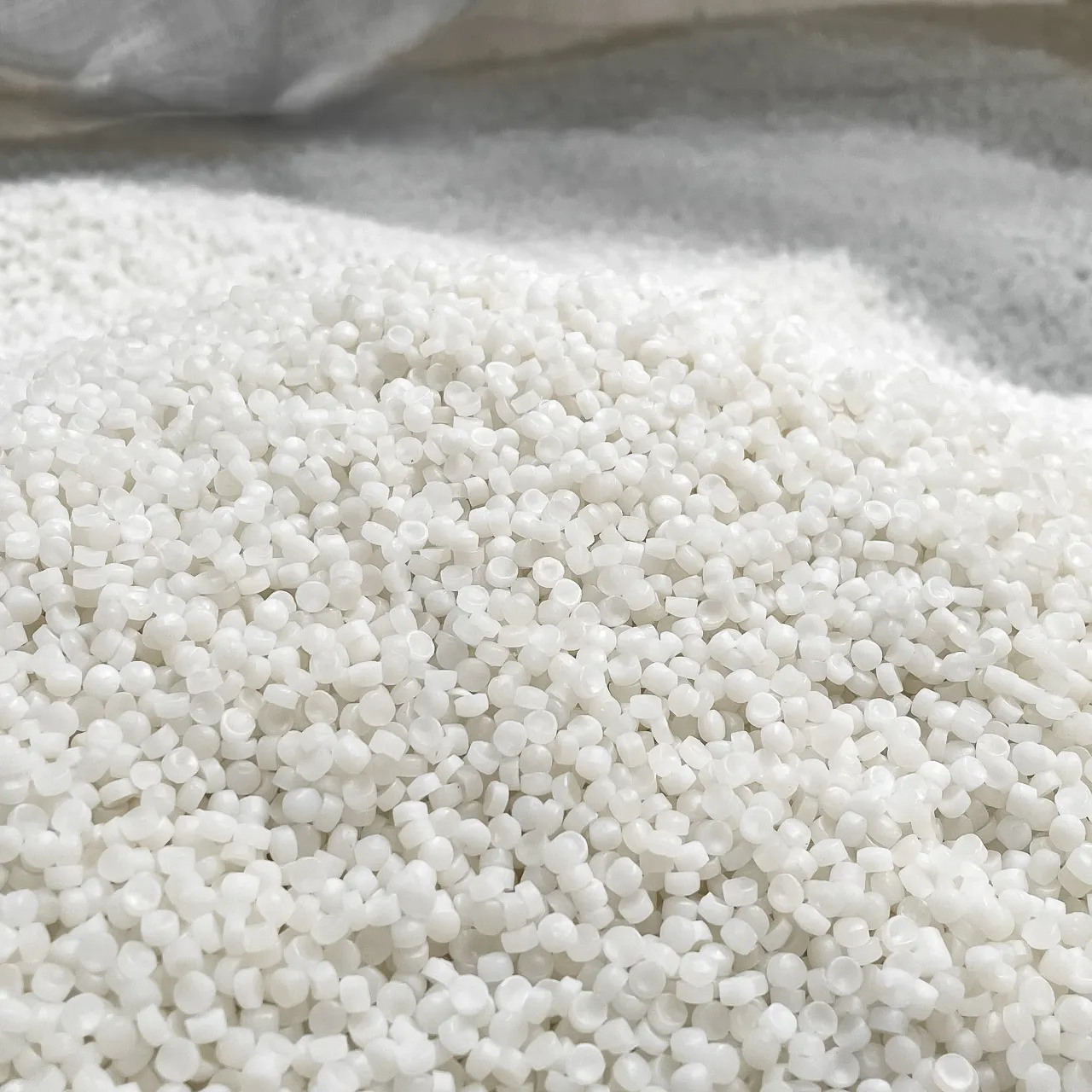
Watch the EVA Foam Pelletizing Workflow
See how the line handles bulky EVA waste, densifies the material, and produces finished pellets suitable for reuse in manufacturing.
Key Benefits for EVA Foam Recycling
EVA foam is light, elastic, and difficult to feed directly into an extruder. This line is designed to stabilize feeding, preserve pellet quality, and recover more value from production waste.
Solves Hopper Bridging
The line is built for low-bulk-density foam and helps prevent the feeding interruptions caused by fluffy EVA scrap piling and bridging in the hopper.
Integrated 3-in-1 Processing
Shredding, compacting, and extrusion are coordinated in one workflow, helping reduce footprint, simplify material transfer, and lower total energy use.
Stable Pellet Output
Compacting the foam before extrusion keeps the screw filled more consistently, which helps maintain pressure and produce more uniform pellets.
High Material Recovery
Production trim, shoe sole scrap, and die-cut EVA waste can be recycled back into pellet form for reuse in downstream product manufacturing.
Cleaner Melt and Better Degassing
Vent design and controlled melting help remove moisture and volatile residues while protecting the elasticity-related properties of EVA material.
Continuous Impurity Removal
Hydraulic screen changing and water-ring die-face cutting support continuous operation and reduce pellet sticking during final pellet formation.
How the EVA Foam Pelletizing Line Works
The process starts with size reduction, then densifies lightweight foam, and finally melts, filters, and pelletizes the material into high-density reusable EVA pellets.
Primary Size Reduction
Bulky EVA blocks, thick sheets, and baled agglomerates are reduced into manageable pieces for steady downstream feeding.
Compacting and Densifying
A cutter compactor uses friction heat to semi-plasticize the foam and raise bulk density before the extruder stage.
Extrusion and Pelletizing
The densified EVA melt is filtered, degassed, and pelletized through a die-face cutting system for stable pellet output.
Suitable EVA Waste Streams and Recommended Stages
The line can be configured for different EVA foam formats, contamination levels, and feeding conditions with the right upstream and auxiliary equipment.
Bulky EVA Scrap
Large blocks, reject sheets, and agglomerated foam are normally prepared with a single shaft shredder to achieve stable line feeding.
Shoe Sole and Die-Cut Waste
Post-industrial trim, offcuts, and sole scrap are suitable inputs when bulk density is controlled before extrusion.
Integrated Compaction Stage
The integrated shredder and granulator machine helps densify foam and improve screw feeding stability.
Filtration and Pellet Formation
A hydraulic screen changer and water-ring pelletizing stage help keep pellets cleaner and less sticky.
Cross-Linked EVA
Cross-linked EVA can often be processed, but heavily cross-linked grades should be tested first to confirm temperature window and output stability.
Related Pretreatment Option
For bulky foam sheets and offcuts, watch our EVA foam sheet shredding machine trial run for primary size reduction.
Key Equipment and Pellet Output
A typical EVA pelletizing project combines an upstream shredder for bulky feed with a downstream pelletizing stage designed for dense, reusable pellet output.
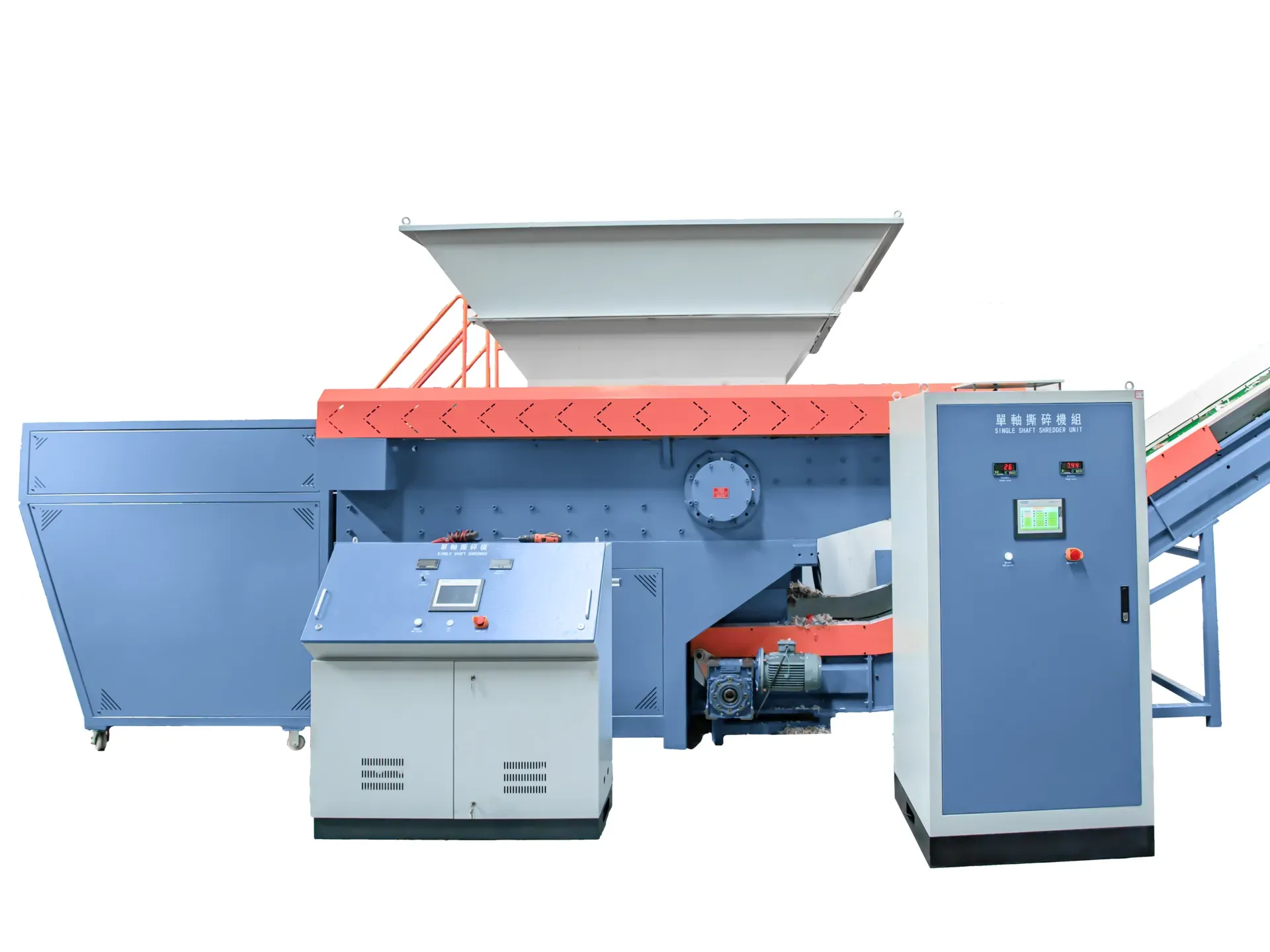
Typical EVA Pelletizing Line Specifications
Reference models for EVA recycling applications. Actual output depends on input density, moisture content, contamination level, and degree of cross-linking.
| Model Series | Screw Diameter (mm) | Motor Power (kW) | Typical Output (kg/h) |
|---|---|---|---|
| EVA-Repro-85 | 85 | 37 – 45 | 180 – 250 |
| EVA-Repro-100 | 100 | 55 – 75 | 300 – 450 |
| EVA-Repro-120 | 120 | 90 – 110 | 500 – 650 |
| EVA-Repro-160 | 160 | 132 – 160 | 800 – 1000 |
Swipe horizontally to view the full table on mobile.
Specifications can be customized based on your EVA material moisture level, bulk density, and contamination profile.
Waste EVA Foam Pelletizing FAQs
Answers to the most common questions about processing EVA foam, selecting the right pelletizer, and stabilizing line output.
Ready to Recycle EVA Foam More Efficiently?
Send us your material photos, hourly capacity target, and contamination details. We can recommend the right EVA pelletizing layout and arrange a material evaluation if needed.