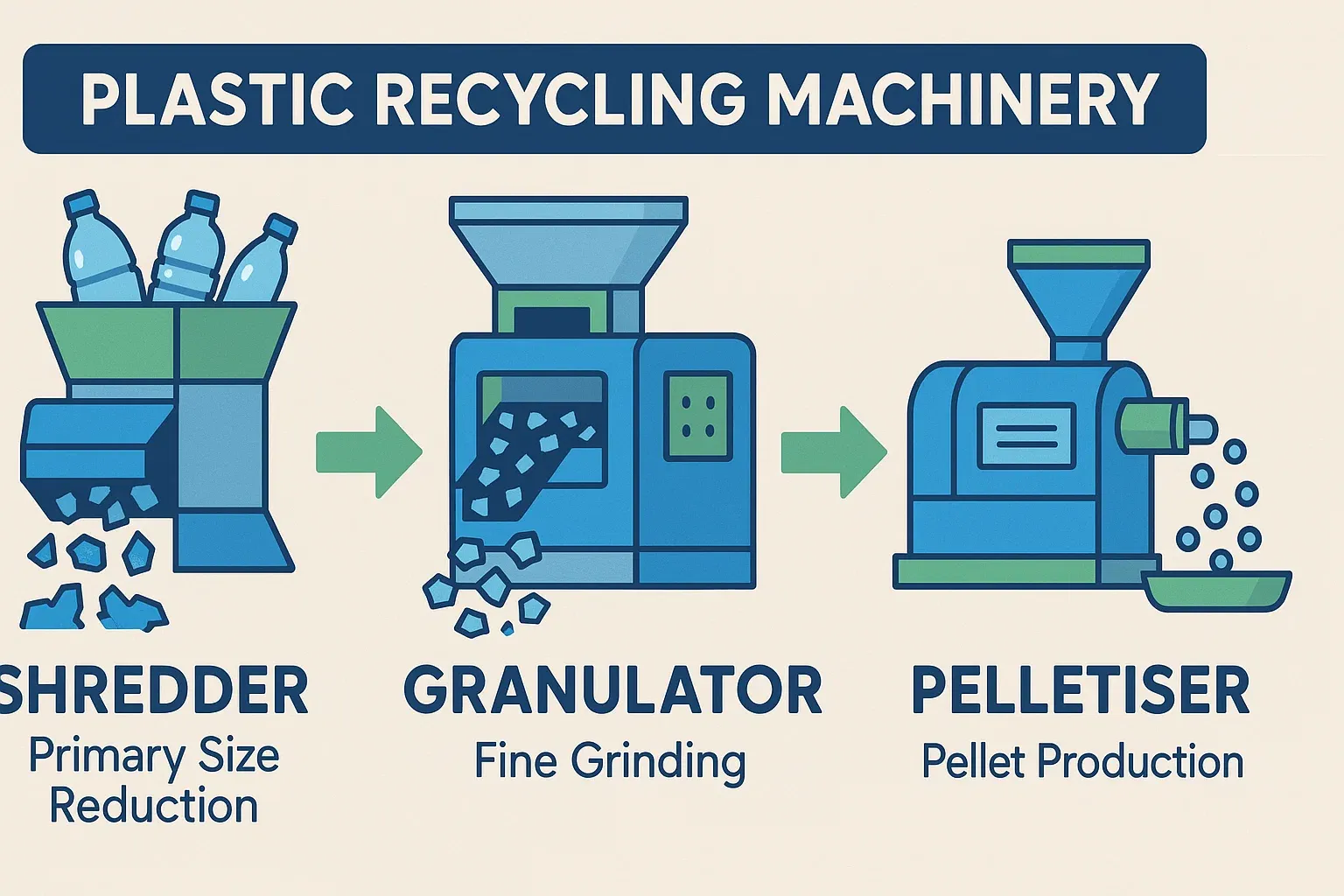
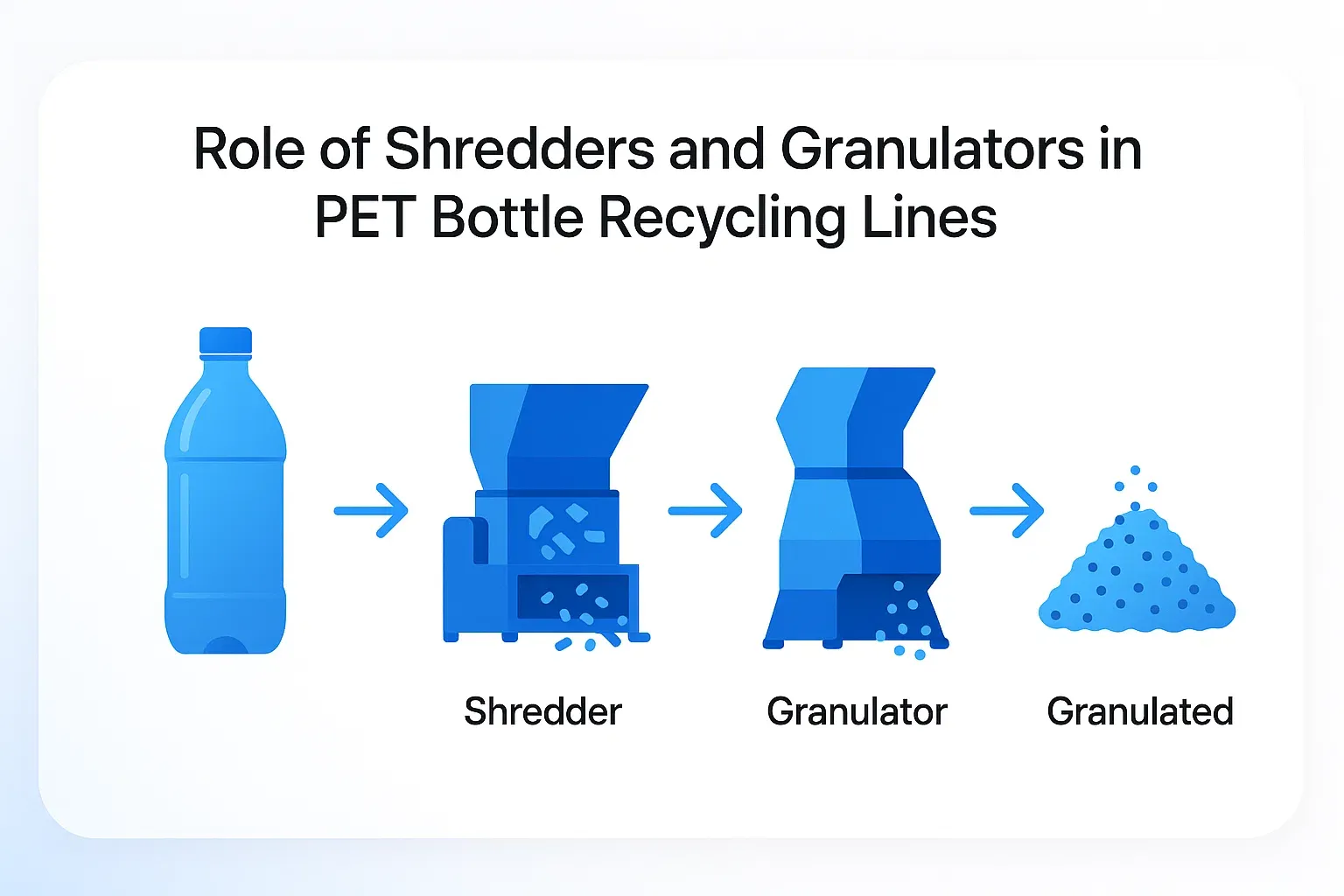
Linija za recikliranje je kaskada smanjenja veličine. Pokušaj granuliranja cijele cijevi uništit će stroj. Pokušaj istiskivanja prljavih pahuljica blokirat će...
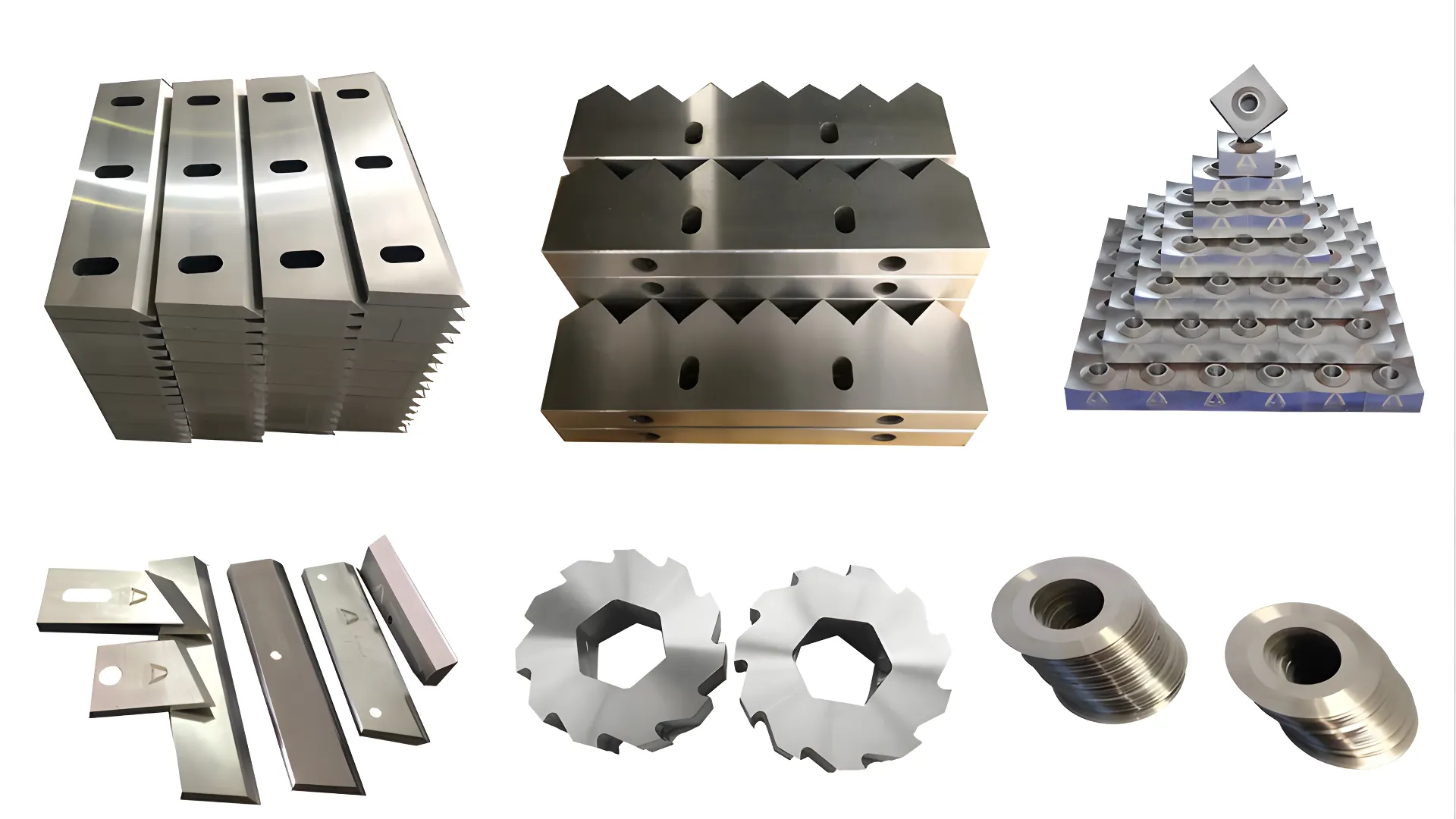
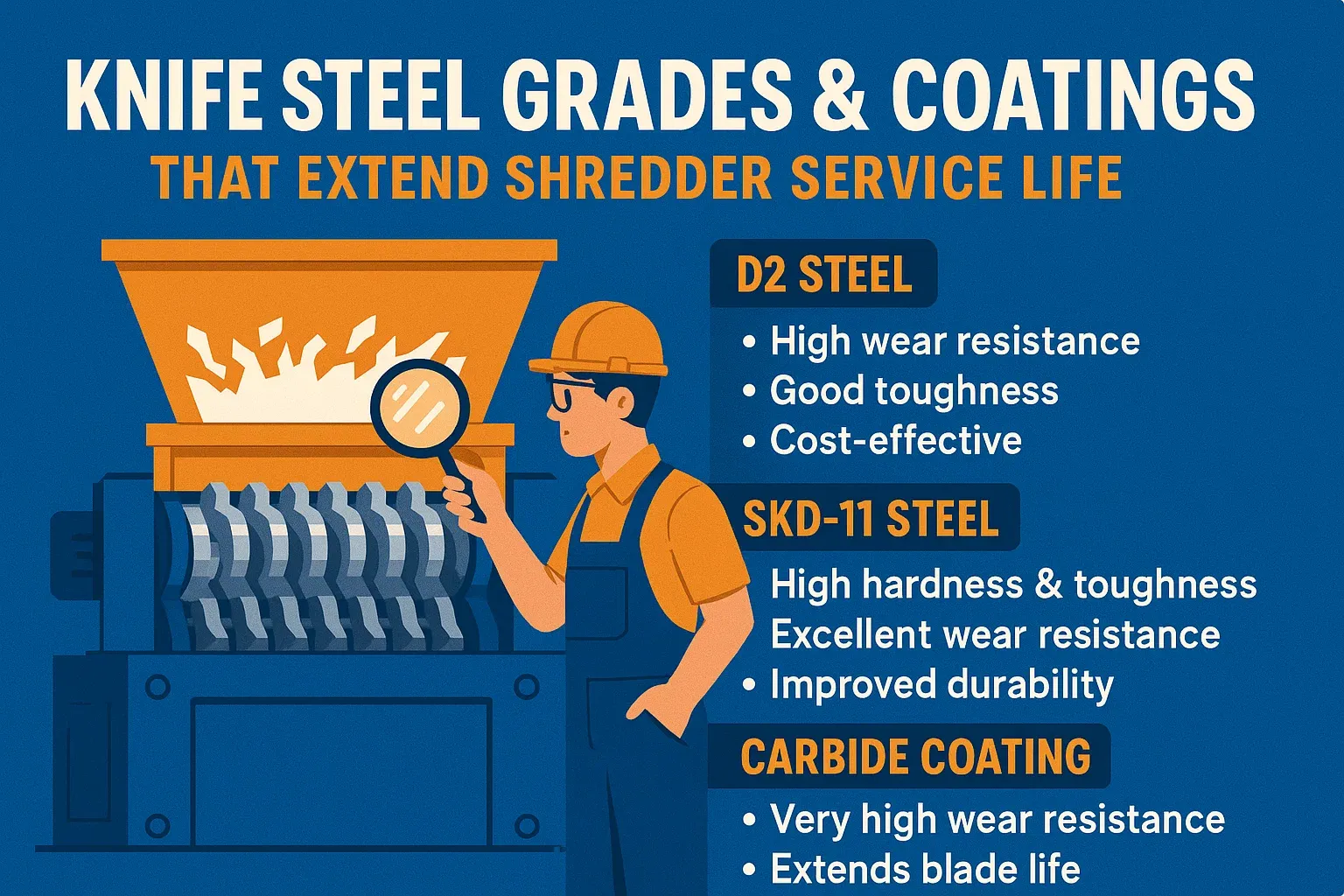
Profitabilnost linije za recikliranje često određuje jedan potrošni materijal: rotacijski nož. Set oštrica koji se otupljuju za 200 sati u odnosu na jedan koji traje...
U industrijskom usitnjavanju, trošak habanja po toni ključni je pokazatelj učinkovitosti (KPI). Set D2 oštrica koji košta \$2,000 i traje 500 sati (\$4/h) daleko je isplativiji...
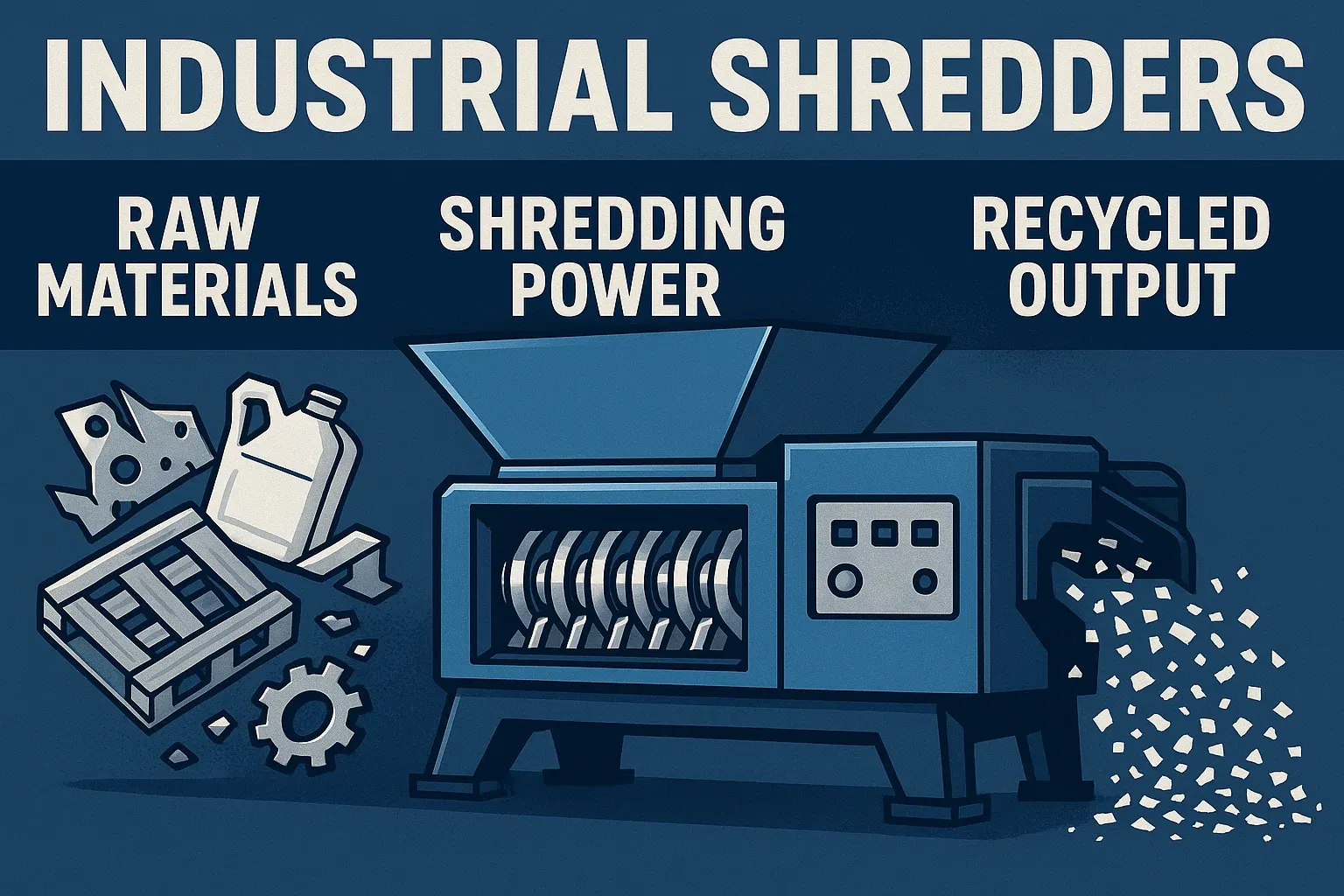
Industrijski usitnjivači nisu nasumične drobilice; to su precizno konstruirani strojevi koji iskorištavaju mehanička svojstva materijala kako bi izazvali kvar. Što...
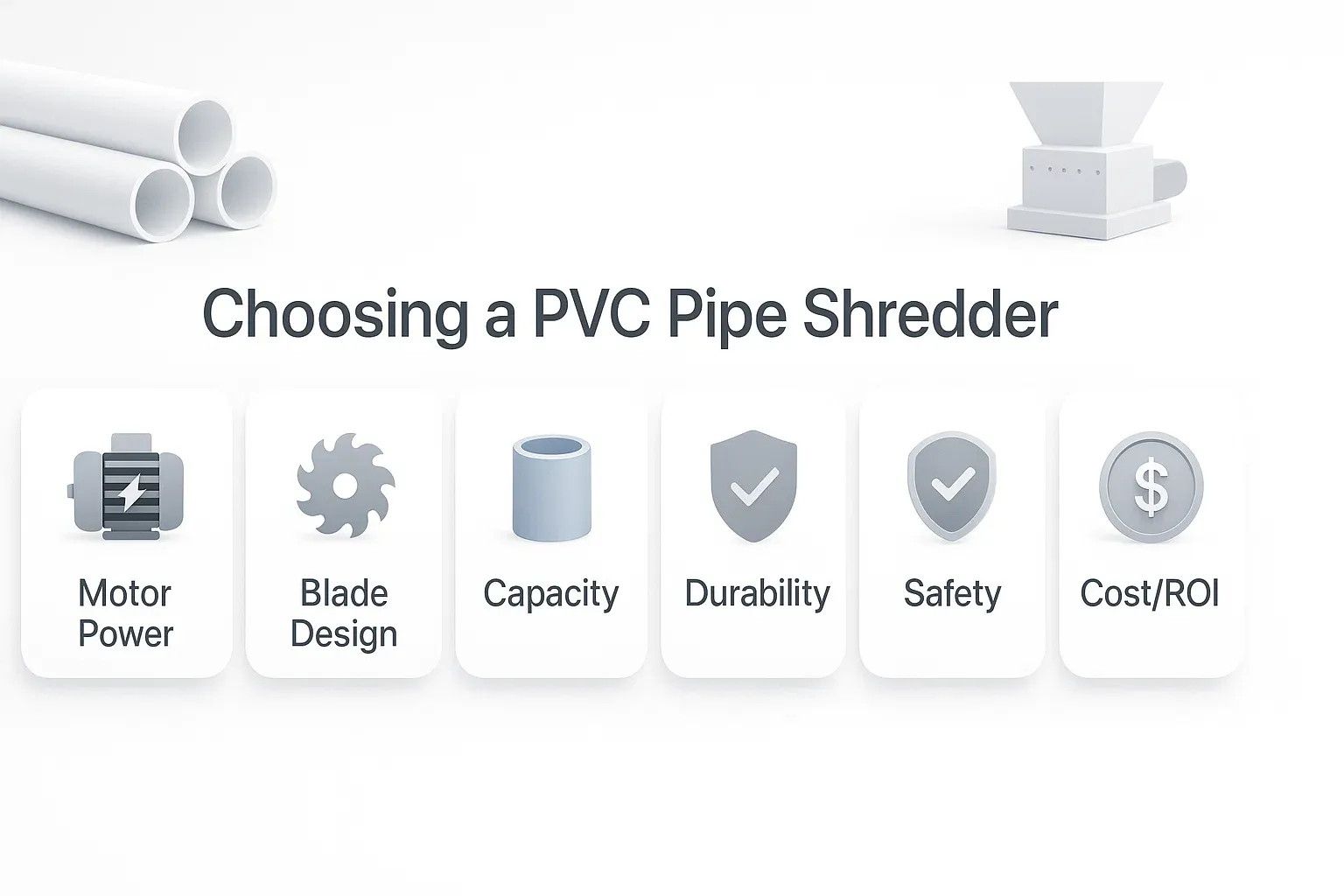
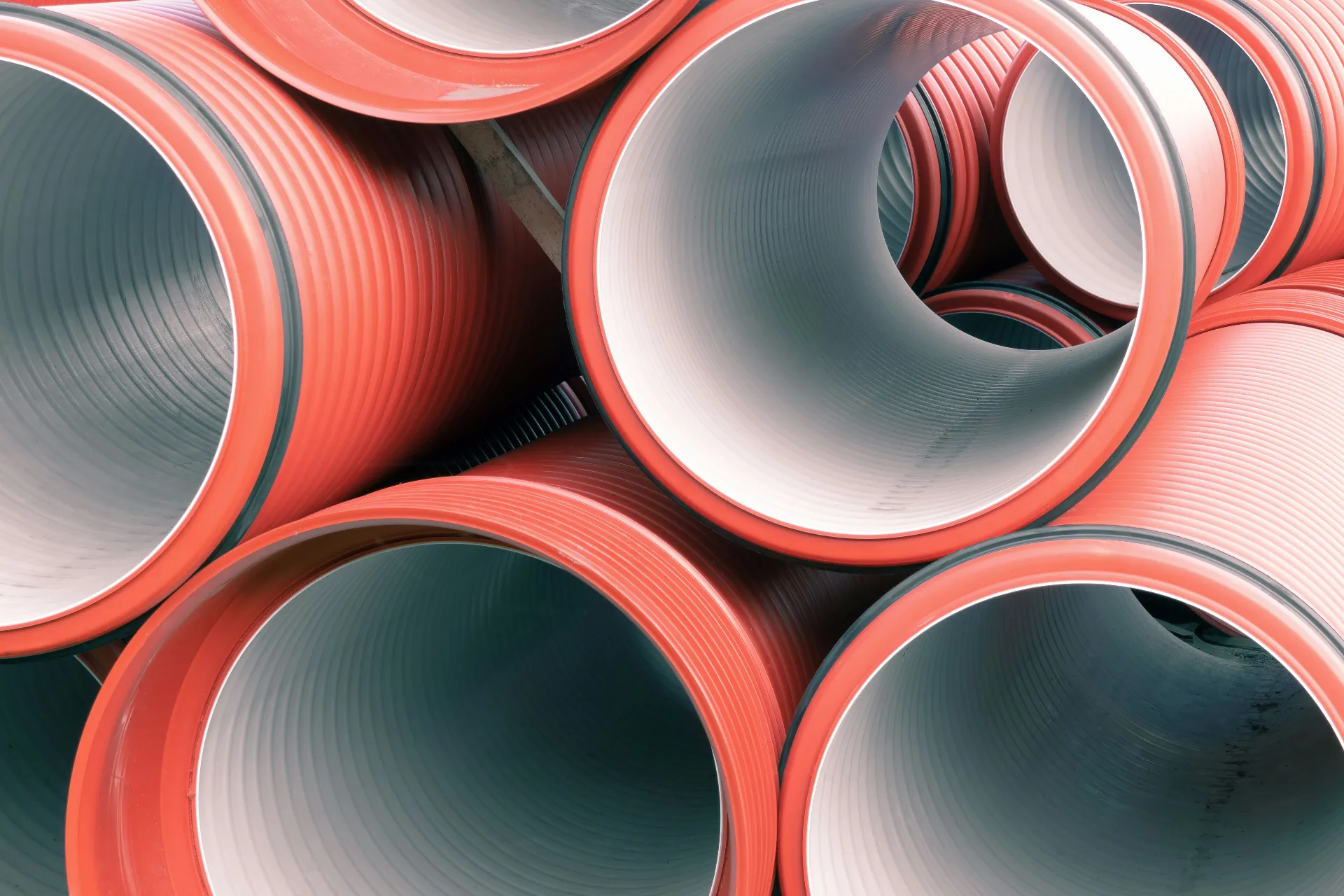
Recikliranje cijevi od polivinilklorida (PVC) predstavlja tri različita inženjerska izazova: krhkost materijala, duljinu ulazne sirovine (često 6 m+...).
U recikliranju PET boce po boci (B2B), prinos je sve. Čak i mala povećanja stvaranja finih čestica (prašine) mogu se pretvoriti u značajne godišnje gubitke ovisno...
Prijevoz otpadnih cijevi često je vrlo neučinkovit logistički problem: cijevi velikog promjera imaju ograničen volumen, pa kamioni mogu prevoziti puno zraka i relativno...
Usklađenost s propisima za industrijske drobilice podijeljena je prema geografiji i odgovornosti. U Europi je oznaka CE vezana uz obveze proizvođača prema...