A plastic drying system reduces the moisture content of washed plastic flakes from 30–40% (post-wash) down to the level your downstream extrusion or pelletizi...
A PET flake dryer reduces moisture in washed PET bottle flakes from 30–40% (post-wash) to the level your downstream process requires — typically 0.005% (50...
Buying a centrifugal dewatering machine for a plastic recycling line comes down to one early decision: horizontal or vertical orientation. The choice affects fl...
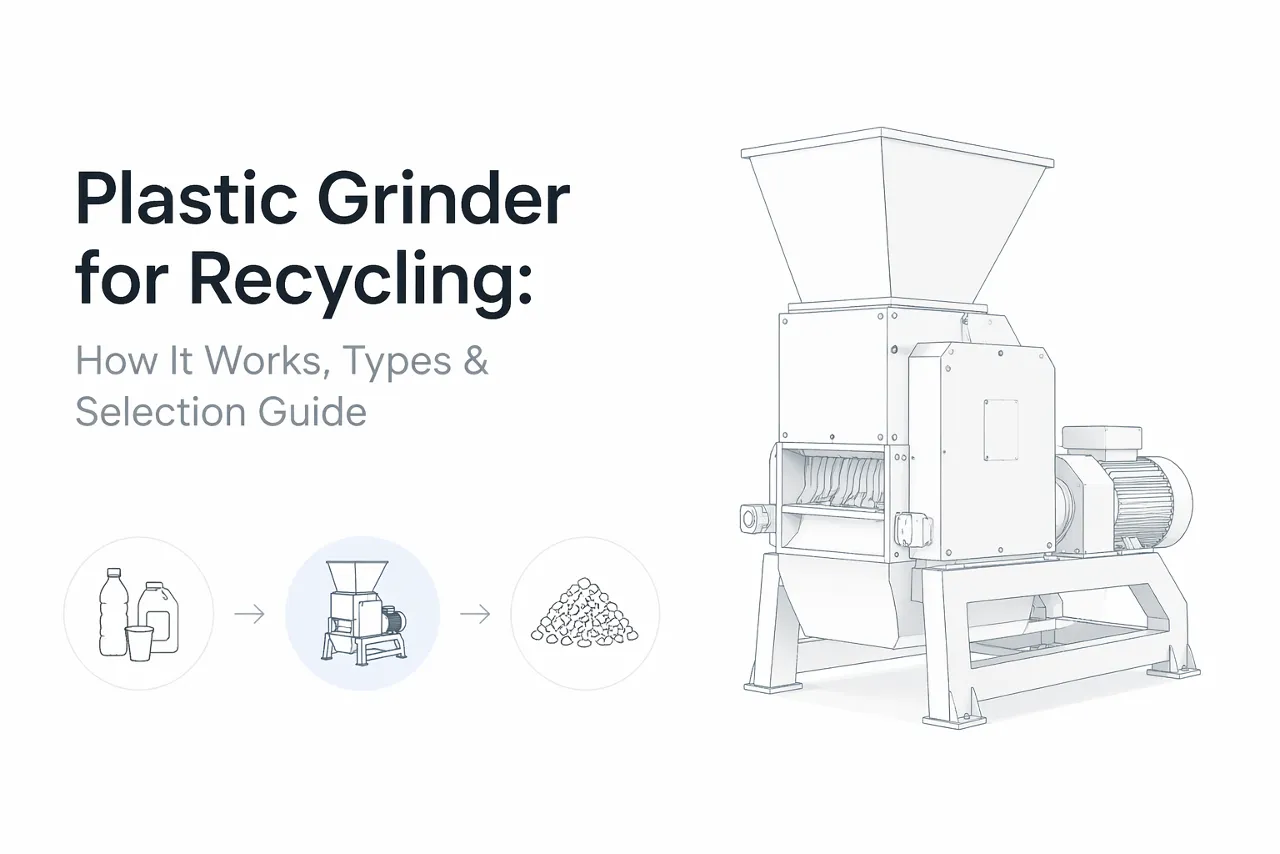
A plastic grinder for recycling turns plastic waste — bottles, pipes, crates, film, and profiles — into uniform granules small enough to feed directly into...
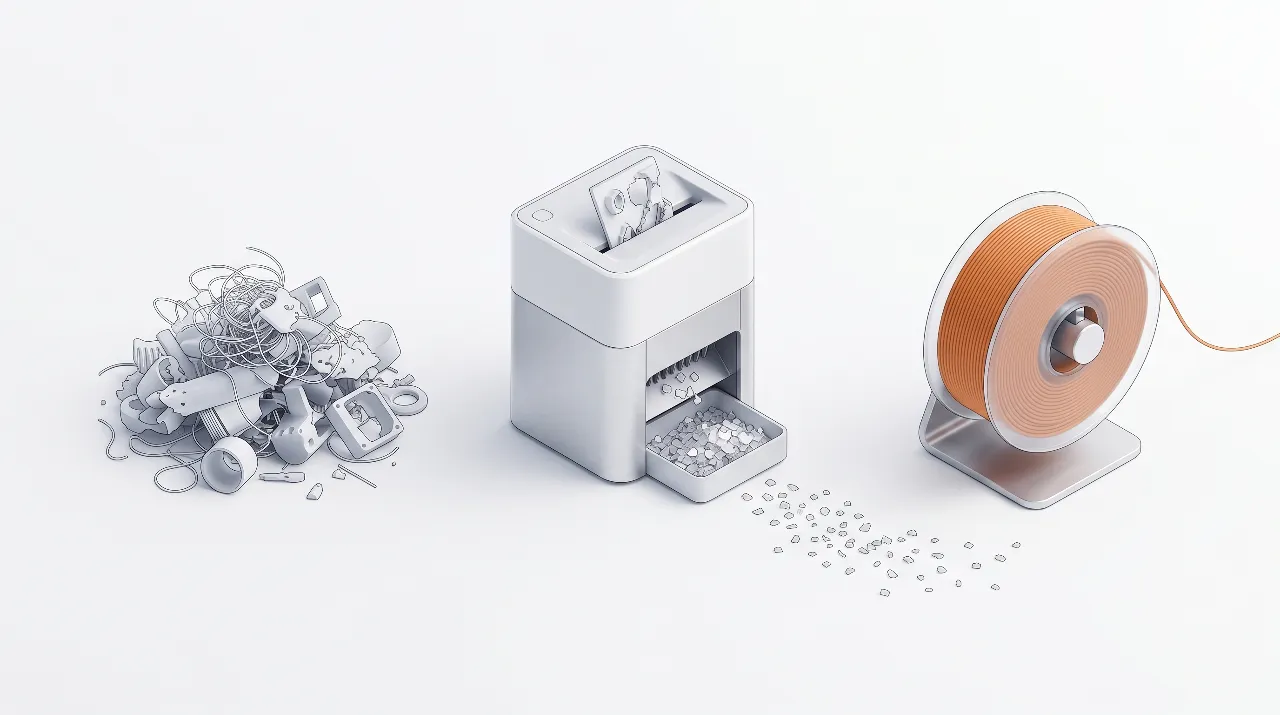
A 3D printer filament shredder gives makers, schools, and small studios a practical way to turn failed prints into new filament instead of waste. By adding a co...
A textile shredder is a low-speed, high-torque machine that cuts used clothing, production offcuts, carpet, upholstery, nonwoven, and industrial textiles into c...
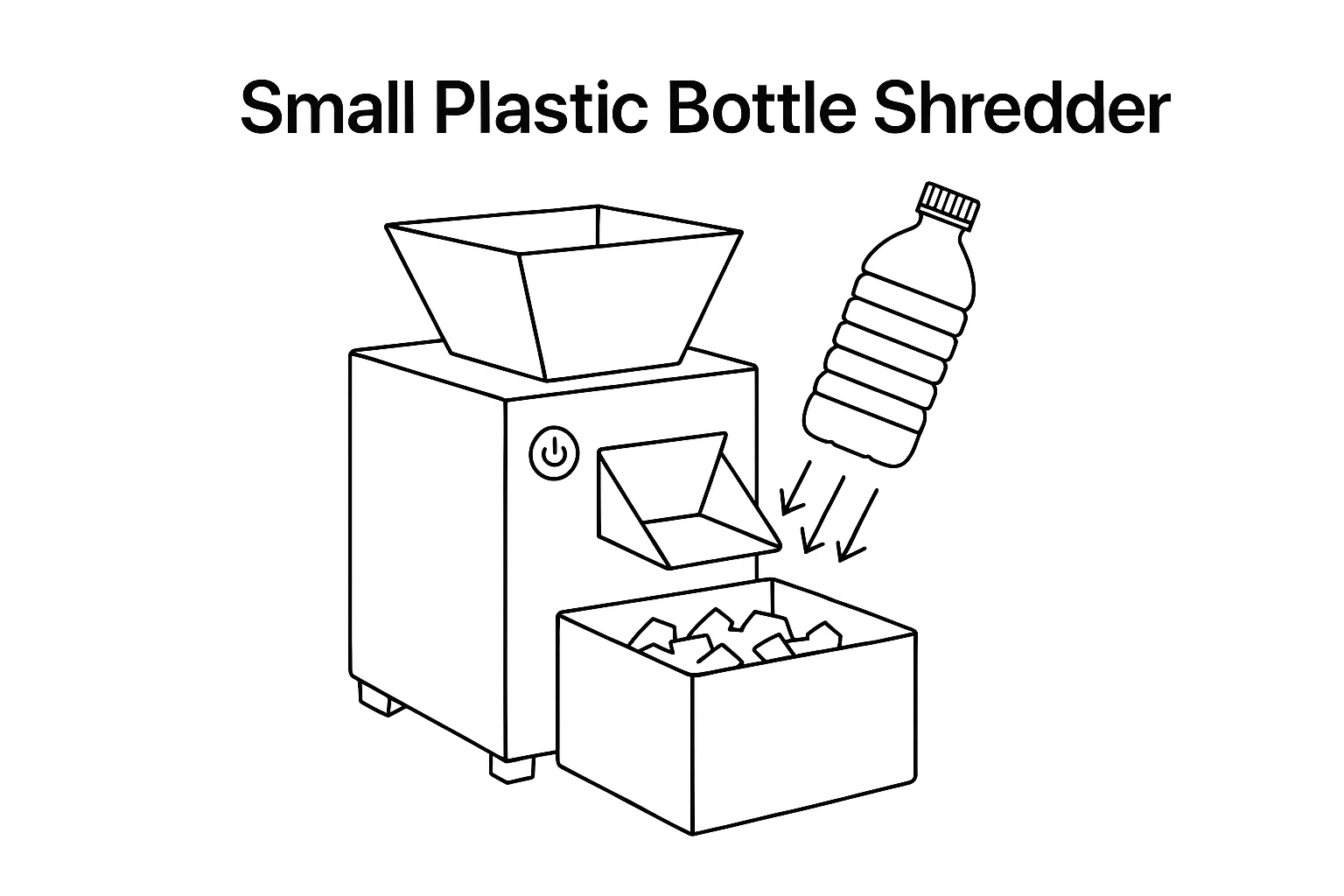
A desktop plastic shredder bridges the gap between office paper shredders and full-scale industrial shredding lines. These compact machines — typically under...
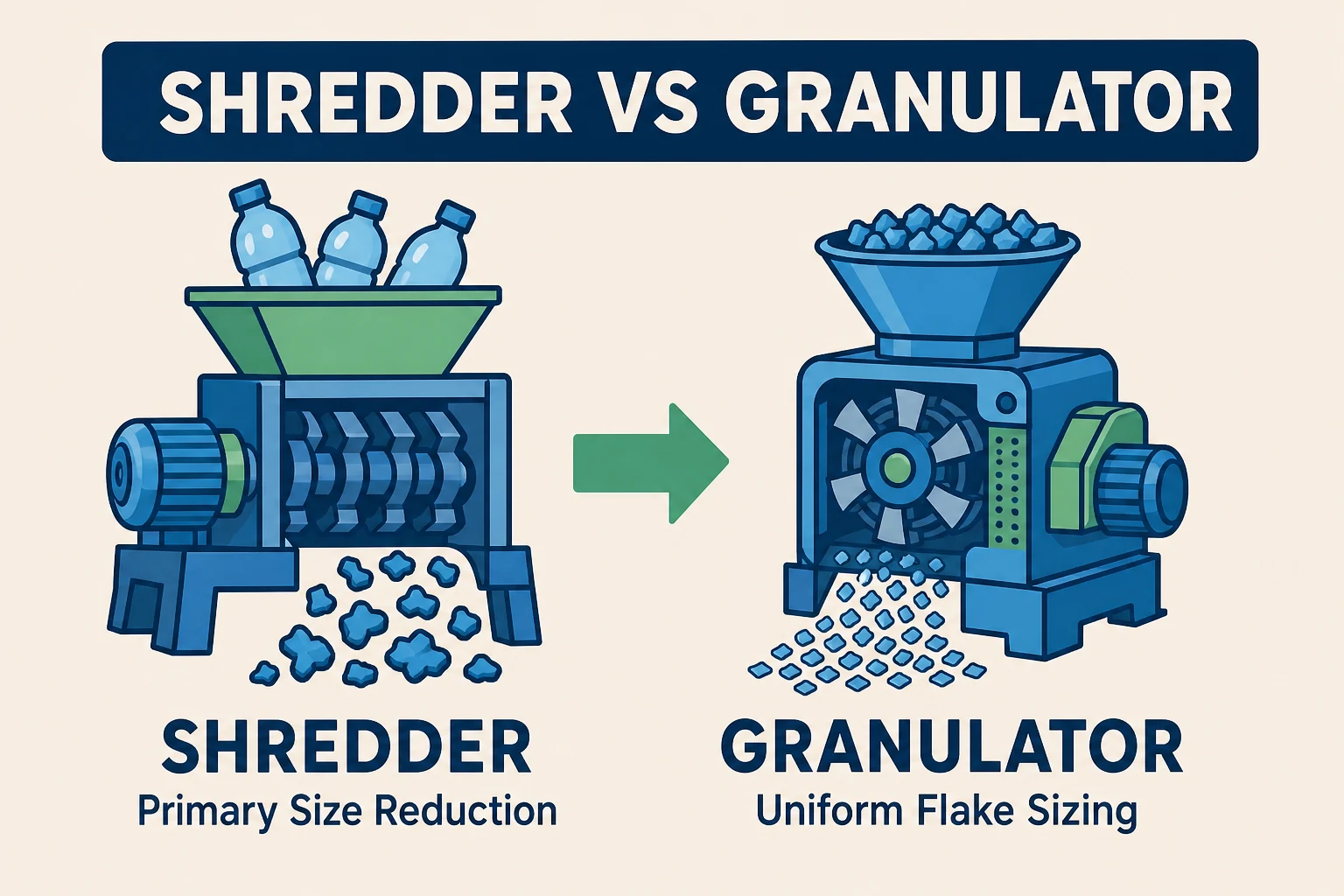
Shredders and granulators are both plastic size-reduction machines, but they are not interchangeable. A shredder is built to accept bulky, irregular, or difficu...
A plastic film recycling machine turns post-industrial and post-consumer PE and PP film waste into clean, reusable pellets that go straight back into producti...
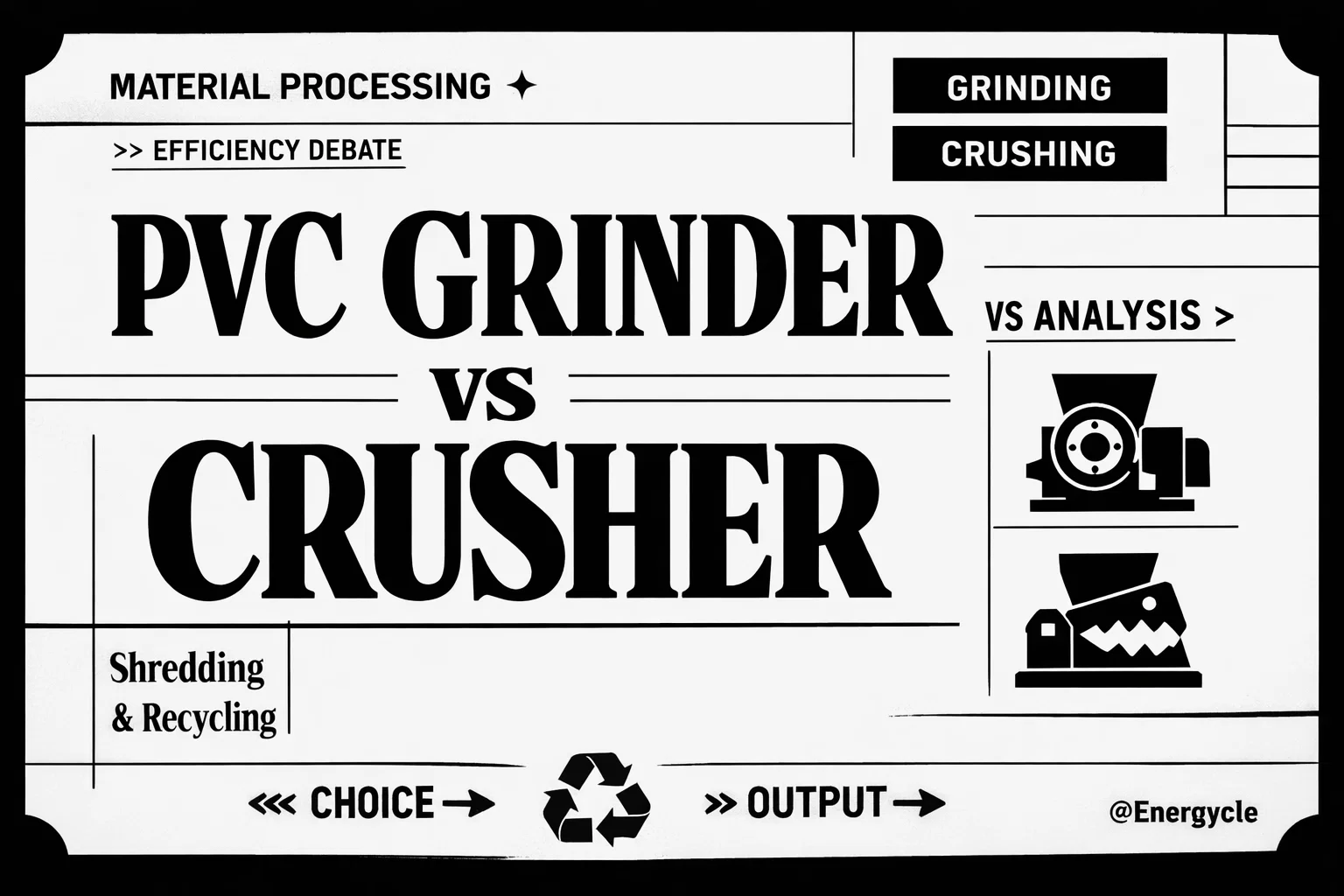
PVC grinding vs crushing determines the efficiency and output quality of plastic recycling and compounding lines. While operators often use these terms intercha...