

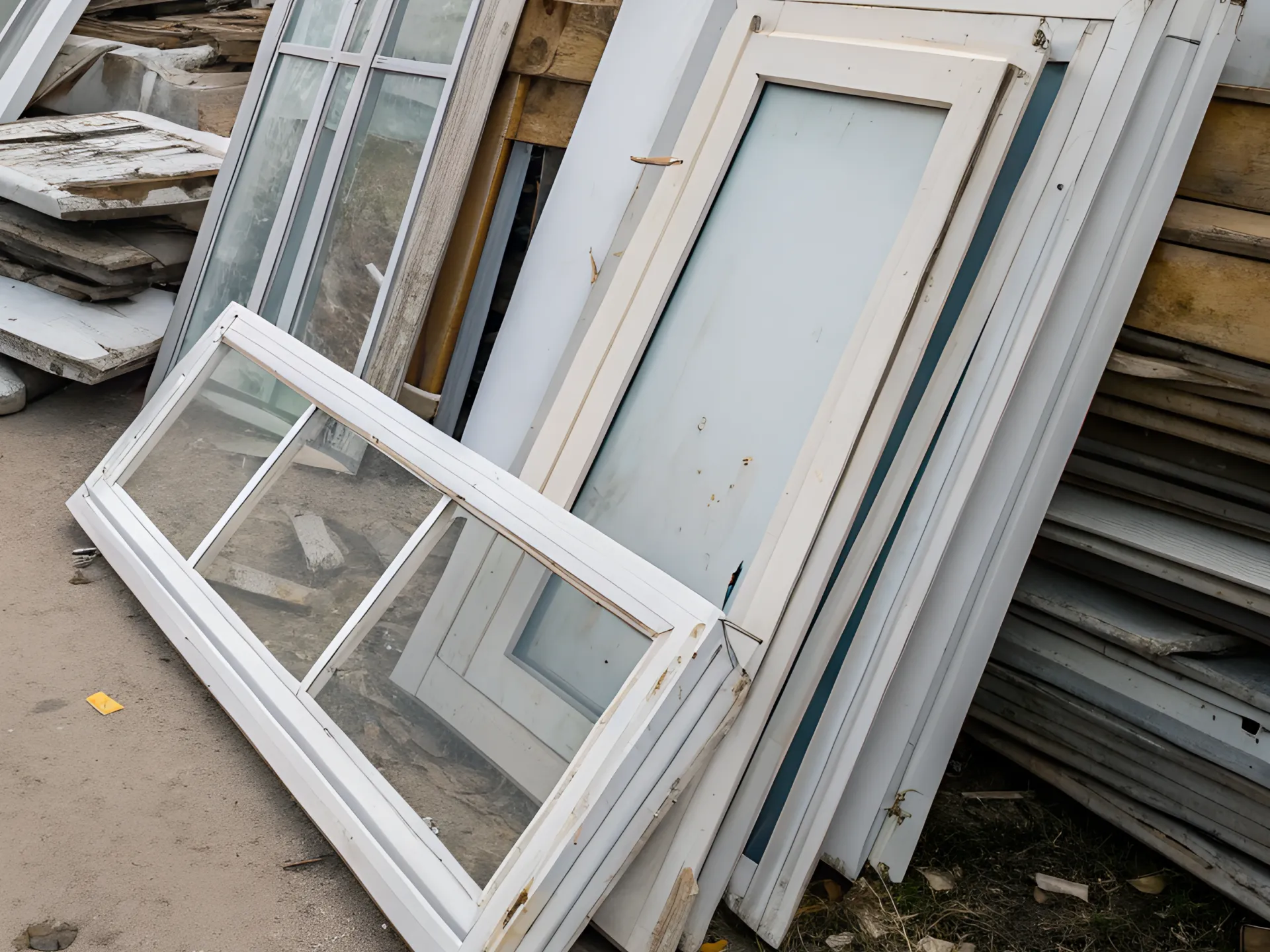
A PVC-t széles körben használják hosszú élettartamú alkalmazásokban, például csövekben, profilokban és építőanyagokban. Amikor az anyag eléri az élettartama végét, az újrahasznosítóknak és a gyártóknak két gyakorlati választásuk van: ártalmatlanítják – vagy új termékek alapanyagaként hasznosítják. Az újrahasznosítás általában mindkét eredményt javítja: kevesebb hulladéklerakóba/égetésre kerülő hulladék mennyisége és kisebb igény a szűz gyanta iránt.
Az éghajlati előnyök főként abból származnak, hogy elkerülte a szűztermelést és bizonyos esetekben, elkerült ártalmatlanítási hatások. A pontos számok az energiamixtől, a szállítási távolságtól és a PVC-áram tisztaságától függően változnak, ezért jobb megérteni a mozgatórugókat, mint egyetlen százalékos értékre hagyatkozni.
Gyorsan elvinni
- A fő kibocsátási előny abból származik, hogy az új termékekben a szűz gyantát újrahasznosított PVC-vel helyettesítik.
- A tiszta, jól válogatott PVC-áramok hatékonyabban újrahasznosíthatók és nagyobb értékű kibocsátást eredményeznek.
- Az adalékanyagok fontosak (különösen a hagyományos stabilizátorok); a válogatás és a nyomon követhetőség védi a végfelhasználókat.
Honnan származik a szén-dioxid-kibocsátásból származó előny?
1) Kerülték a szűzgyanta előállítását
Ha egy alkalmazásban a szűz PVC-t újrahasznosított PVC-vel helyettesíti, csökkenti az új nyersanyag-termelés és -feldolgozás szükségességét. Ez általában csökkenti az életciklus-kibocsátást, feltételezve az ésszerű szállítási távolságokat és a hatékony újrahasznosítási műveleteket.
2) Elkerült ártalmatlanítás
Az újrahasznosítás csökkenti a hulladéklerakókba vagy égetésre küldött hulladék mennyiségét, és csökkentheti az ártalmatlanítással kapcsolatos hatásokat. Az ártalmatlanítási módok és azok hatásai régiónként jelentősen eltérnek.
Mi teszi a PVC újrahasznosítását többé-kevésbé hatékonnyá?
A PVC újrahasznosítási projektek akkor teljesítenek a legjobban, ha az áram: – egyetlen forrásból származó vagy jól elkülönített (az ablakok és csövek könnyebben elszállíthatók, mint a vegyes bontási hulladék) – alacsony PVC-mentes szennyeződés (gumi tömítések, fémek, fa, szigetelés) – adalékanyagokra ellenőrizve (a hagyományos, ólommal stabilizált PVC-t egyes piacokon szabályozzák)
A gyakorlati PVC-újrahasznosításhoz használt berendezések
A legtöbb merev PVC újrahasznosító sor a következőket ötvözi: – méretcsökkentés (aprítás/granulálás) – szennyeződés-eltávolítás (fémleválasztás, szükség szerinti mosás) – szárítás és osztályozás – újrafeldolgozás őrleménylé, granulátummá vagy porrá, a végfelhasználói piactól függően
Poralkalmazásoknál az őrlés/porítás gyakori (lásd ipari PVC porítók csövek, profilok és hulladék újrahasznosításához).
Ha vegyes merev műanyagokat dolgoz fel (nem csak PVC-t), akkor moduláris merev gyártósor-koncepcióval induljon ki, és szükség esetén adjon hozzá PVC-specifikus lépéseket (lásd Merev műanyag mosókötél PP, HDPE és PVC mosásához).
Kapcsolódó Energycle hivatkozások: – PVC újrahasznosítás ismertetése – Globális PVC-termelési és -ártalmatlanítási statisztikák – Ipari PVC porítók csövek, profilok és hulladék újrahasznosításához – Merev műanyag mosókötél PP, HDPE és PVC mosásához
Megfelelőségi és “hagyományos adalékanyagokra” vonatkozó megjegyzés
Egyes PVC hulladékáramok régi ólomstabilizátorokat tartalmaznak. Az EU-ban korlátozások és eltérések érvényesek, és a vásárlók gyakran dokumentációt kérnek, amely igazolja a megfelelést és a megfelelő felhasználási feltételeket.
GYIK
A PVC újrahasznosítása mindig csökkenti a szénlábnyomot?
Nem automatikusan. A haszon a elkerült szűztermeléstől, az áram-/hőforrástól, a szállítási távolságtól és a szennyeződés és a finomszemcsék miatti veszteség mértékétől függ.
Mi a legnagyobb tényező, ami csökkenti a PVC újrahasznosításának éghajlati előnyeit?
Instabil alapanyagminőség. Ha csökken a hozam (túlzott mennyiségű finom szemcsék, selejt, átdolgozás) vagy a szennyeződés miatt nem hatékonyan működik, a felhasználható kibocsátás tonnánkénti mennyisége megnő.
A mechanikus újrahasznosítás “zöldebb”, mint a PVC kémiai/alapanyag újrahasznosítása?
Gyakran előfordul, hogy amikor a PVC-áram tiszta és a mechanikai kimenet használható, a kémiai eljárások összetett áramokat is képesek kezelni, de kezelniük kell a klórt/HCl-t, és jellemzően nagyobb energiaintenzitással rendelkeznek.
Mely berendezésválasztások számítanak a leginkább az energia és a kibocsátás szempontjából?
Stabil méretcsökkentés (kevesebb finom szemcse), hatékony mosás/elválasztás (szükség esetén) és helyes szárítási stratégia. A túlméretezés vagy a “nyers erő” hőkezelési lépések általában növelik az üzemi kibocsátásokat.
Következtetés
A PVC újrahasznosítása főként a következőkkel csökkentheti a kibocsátásokat: szűz gyanta kiszorítása– de a valós haszon a hozamtól és a folyamat stabilitásától függ. A legmegbízhatóbb “kibocsátáscsökkentő intézkedés” gyakran egyszerű: az áramot tisztán és egyenletesen kell tartani, majd a gyártósort úgy kell megtervezni, hogy minimalizálja a selejtet és a finom szemcséket (mosással/szétválasztással és szabályozott őrléssel, amikor a piac megköveteli).
