

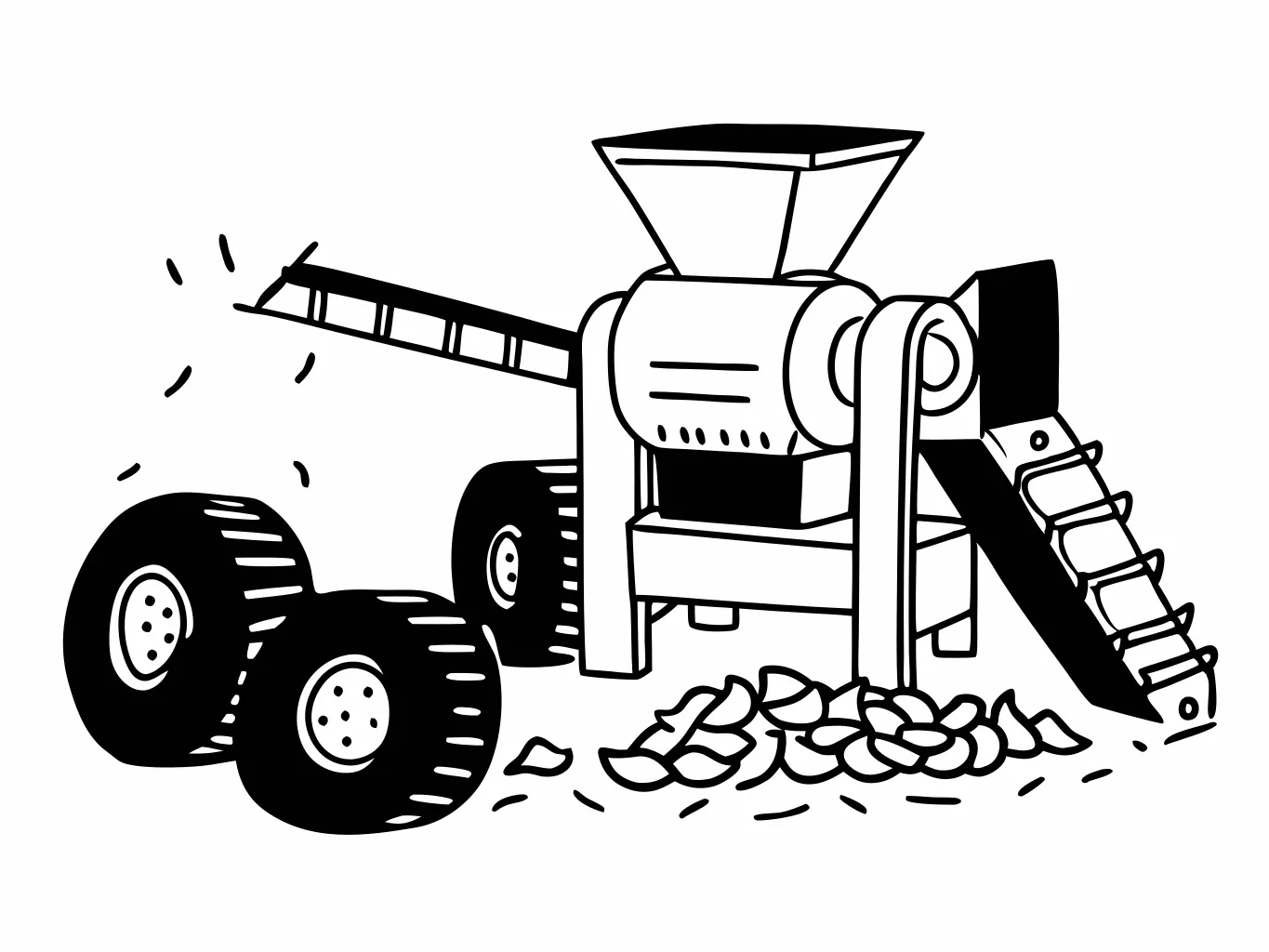
“A ”gumiabroncs-granulátor” kifejezés a folyamattól függően különböző gépeket jelenthet. A gumiabroncs-újrahasznosítás általában szakaszos: először a teljes gumiabroncsokat kezelhető darabokra aprítják, majd granulálják és elválasztják az acélt és a rostokat, és opcionálisan tovább őrlik porrá.
A megfelelő berendezés kiválasztása a célterméktől, a vevő szennyeződési határértékeitől és a kopóalkatrészek miatti állásidőtől függ.
Gyorsan elvinni
- Először is határozd meg a végterméket (forgács, morzsagumi vagy por).
- A gumiabroncs-gyártósoroknál az elválasztás (acél + szál) és a rostálás ugyanolyan fontos, mint maga a granulátor.
- Tervezzen be késkopást, szitacserét és portalanítást; a gumiabroncsok megmunkálása csiszoló munka.
Hol illeszkedik a granulátor egy gumiabroncs-újrahasznosító sorba?
A legtöbb üzem a gumiabroncs-újrahasznosító sort lépések sorozataként építi, nem pedig egyetlen “gépként”. A granulátor általában az a szakasz, ahol a “szállítható daraboktól” az “eladható gumiig” jutunk, mert itt válik megismételhetővé az acélfelszabadítás, a rosteltávolítás és a szemcseméret-meghatározás.
| Színpad | Tipikus teljesítmény | Fő cél | Gyakran használt berendezések |
|---|---|---|---|
| Elsődleges méretcsökkentés | Chips | Egész gumiabroncsokat alakítson kezelhető darabokká | Elsődleges aprító, szállítószalagok, mágnesek (durva) |
| Másodlagos méretcsökkentés | Kisebb chipek | Növeli az acélfelszabadulást; stabilizálja a granulációhoz szükséges betáplálást | Másodlagos aprító/reszelő, mágnesek |
| Granulálás | Morzsás gumi (durva vagy közepes szemcséjű) | Szabályozott szemcseméret; folyamatos acélfelszabadítás | Granulátor, sziták, mágnesek, levegőleválasztás |
| Finom granuláció + rostelválasztás | Tisztább morzsás gumi | Textilszálak eltávolítása; méreteloszlás szűkítése | Finomgranulátor, sziták, levegős osztályozók, ciklonok |
| Porgyártás (opcionális) | Gumipor | Finomabb méretek elérése a speciális végfelhasználói piacok számára | Őrlés/porítás, porgyűjtés, szigorúbb szűrővizsgálat |
1. szint: Elsődleges méretcsökkentés
Cél: egész gumiabroncsokból biztonságosan szállítható és feldolgozható forgácsokat készíteni.
Tipikus berendezések: – gumiabroncs-aprítók – opcionális vágás/peremtelenítés a hatékonyabb adagolás érdekében
2. szint: Granuláció és acélfelszabadítás
Cél: a méret további csökkentése és a felszabaduló acélhuzal folyamatos eltávolítása mágneses elválasztással.
3. szint: Finom granuláció és rosteltávolítás
Cél: tisztább gumimorzsa előállítása és textilrostok eltávolítása levegős leválasztással és szitálással.
4. szint: Porgyártás (opcionális)
Cél: gumipor előállítása olyan speciális végpiacok számára, amelyek igénylik, szigorúbb porszabályozással és nagyobb folyamatérzékenységgel.
A tipikus vonalelrendezéseket és opciókat lásd az Energycle oldalain. gumiabroncs-újrahasznosító gép és egy gumiabroncs gumi porító daráló rendszer.
Mit tartalmaz valójában egy gumiabroncs-granulátor (nem csak a vágót)?
Amikor a vásárlók azt mondják, hogy “granulátor”, gyakran a vágókamrára gondolnak. A gumiabroncs-újrahasznosításnál az eladható termék a granulátor körüli teljes modulrendszertől függ:
1) Vágókamra, kések és szűrő
A vágókamra szabályozza a részecskeméretet, és meghatározza, hogy a gép mennyire stabilan fut abrazív terhelés alatt.
A vevő ellenőrzi a következőket: – a szita lyukméretének lehetőségei és a szitacsere sebessége – a kések anyaga/hőkezelése, indexelése és átállási ideje – a tisztításhoz, késcseréhez és ellenőrzéshez való hozzáférés
2) Acélszétválasztás (többlépcsős mágnesek)
A gumiabroncsok acéldrótot (és néha peremeket) tartalmaznak. Az acél eltávolítása általában több lépésből áll, mivel a felszabadulás a méret csökkenésével történik.
A vevő ellenőrzi a következőket: – hány mágneses elválasztási fokozat van benne (durva és finom) – hogyan és milyen gyakran tisztítják a mágneseket – hol helyezkednek el a mágnesek az áramlásban (kulcsméret-csökkentés előtt/után)
3) Rosteltávolítás (levegőleválasztás)
A textilrostok eltávolítása gyakran fontosabbá válik a finomabb morzsaméretek elérése érdekében. Ha a rosttartalom magas marad, az korlátozhatja a végfelhasználást és csökkentheti az árat.
A vevő ellenőrzi a következőket: – a levegőosztályozó stílusa és állíthatósága (légáramlás szabályozása) – a porkezelés és a ciklon/szűrő mérete – a rost szállításának és tárolásának módja (lehet terjedelmes és rendetlen)
4) Porvédelem és rendrakás
A gumipor minőségi, karbantartási és biztonsági problémát jelent. Ha a porszabályozás gyenge, az csapágyhőként, érzékelőhibákként, takarítási munkálatokként és ügyfélpanaszokként jelentkezik.
Hogyan kell specifikálni egy granulált gumiterméket (hogy az árajánlatok összehasonlíthatók legyenek)
Sok árajánlat nem összehasonlítható, mivel a “morzsa gumi” több méretet és tisztasági szintet is jelenthet. Helyezzen el egy egyszerű specifikációs táblázatot az árajánlatkérésében.
| Specifikációs tétel | Miért fontos | Mit kell meghatározni az árajánlatkérő levélben |
|---|---|---|
| Célzott részecskeméret | Meghajtja a szűrést, a recirkulációs terhelést és az áteresztőképességet | Célzott mérettartomány és megengedett túlméretezési százalék |
| Acéltartalom határértéke | Elősegíti a mágnesstratégiát és a termék elfogadását | Megengedett acélszennyezettségi szint és vizsgálati módszer |
| Rosttartalom-határérték | Szabályozza a morzsa és por piaci elfogadottságát | Megengedett textilszál-szint és annak mérésének módja |
| Nedvesség- és bírságkövetelmények | Befolyásolja a csomagolást, a szállítást és a porkezelést | Nedvességtartalom (nedves vs. száraz vonal), finomszemcsék meghatározása és porgyűjtés hatóköre |
| Nyersanyag típusa | Változtatja a kopást, az acélterhelést és az áteresztőképességet | Személygépkocsi- és teherautó-abroncsok; aprítás előtti méret; perem eltávolítási szándék; szennyeződésre vonatkozó feltételezések |
Hogyan válasszuk ki a megfelelő szintet vállalkozásunk számára?
Kérdezze meg: – Milyen helyi piacok léteznek az egyes terméktípusokra? – Milyen szennyezettségi határértékeket érvényesítenek a vásárlók (acél/rost)? – Milyen engedélyezési és környezetvédelmi ellenőrzésekre van szükség (por/zaj)? – Milyen karbantartási kapacitással rendelkeznek a kések és sziták karbantartásához?
Ha nem biztos benne, hogy melyik termékszint a legmegfelelőbb, kezdje azzal, hogy beszél a vásárlókkal, majd a termékcsaládot e cél köré tervezze.
Beszerzési ellenőrzőlista: Kérdések a beszállítóknak
Használd ezeket a kérdéseket a hiányosságok korai felismeréséhez:
1) Mi a garantált termékméret-eloszlás a célzott áteresztőképesség mellett, és hogyan mérik?
2) Milyen acél- és rostszennyezettségi szinteket tud a beszállító kimutatni hasonló gyártósorokon?
3) Milyen időközönként kell kést és rostot cserélni a gumiabroncsaidon (személygépkocsi vs. teherautó)?
4) Milyen porgyűjtési és légkezelési funkciók tartoznak bele az árajánlatba, és milyenek nem?
5) Mi a karbantartási hozzáférési terv (emelési pontok, szervizajtók, tisztítási hozzáférés)?
6) Mekkora a beépített teljesítmény, és mi a várható kWh/tonna tartomány a termékcélzott méret mellett?
GYIK (Valódi vásárlói kérdések)
Mi a különbség a gumiabroncs-aprító és a gumiabroncs-granulátor között?
Az aprító általában az első lépés: egész gumiabroncsokat forgácsokká alakít, így az anyag biztonságosan szállítható és feldolgozható. A granulátor jellemzően az a lépés, ahol szigorúbban szabályozzák a részecskeméretet, és a termék tisztítására összpontosítanak – különösen a folyamatos acélfelszabadításra és a rosteltávolításra. A gyakorlatban a vevők a granulálási szakaszt az alapján választják ki, hogy mit terveznek eladni (forgács vs. morzsa vs. por), és milyen szennyeződési korlátozásokat érvényesítenek a vevőik. Ha a vevők morzsás gumit vásárolnak, általában szűrővizsgálatra, valamint acél- és rostelválasztásra van szükség a granulátor körül, nem csak magára a vágóra.
Mit adjak meg először: a szemcseméretet vagy a tisztaságot (acél/rost határértékek)?
Mindkettőt add meg, de azzal kezdd, amit az ügyfeled elutasít. Egyes vevők toleránsak a méretekkel kapcsolatban, de szigorúak az acél vagy a rost tekintetében; mások az ellenkezőjét teszik. A részecskeméret határozza meg a szitaválasztást és az áteresztőképességet. A tisztaság határozza meg, hogy hány elválasztási szakaszra van szükség, és mennyi recirkuláció vagy utófeldolgozás történik. Ha nem adsz meg határértékeket, a beszállítók feltételezéseket fognak idézni, és az üzembe helyezés után meglepetések érhetnek. Egy gyakorlati megközelítés az, hogy meghatározunk egy célméret-tartományt, a maximális túlméretezési százalékot, valamint az acél- és rostszennyeződési határértékeket, majd referencia esetből vagy anyagpróbából kérünk bizonyítékot.
Miért van a gumiabroncs-granulátorokban gyakran több mágnes egy nagy mágnes helyett?
Az acél nem szabadul fel teljesen az első vágásnál. Ahogy a gumiabroncsok forgácsból morzsává aprulnak, több acélhuzal válik szabaddá, és az acél mérete nagy darabokból finom töredékekké változik. A többlépcsős mágnesek lehetővé teszik az eltávolítást a folyamat különböző pontjain, ami védi a későbbi berendezéseket és javítja a végtermék tisztaságát. A vevőknek meg kell kérdezniük, hogy hová helyezik a mágneseket (a kulcsméret csökkentése előtt/után), hogyan tisztítják őket, és milyen acélszennyezettségi szintet tud a beszállító kimutatni a végtermékben.
Hogyan becsülhetem meg a kopóalkatrészek költségét és az állásidőt egy gumiabroncs-granuláló soron?
Kérdezze meg a beszállítókat a kések élettartamáról és a szitacsere intervallumairól hasonló gumiabroncs-keverék és teljesítményméret esetén – ne egy általános becslésről. A kopás a gumiabroncs típusától (személygépkocsi vs. teherautó), a szennyeződéstől (homok, drótterhelés) és a céltárgy méretétől függ (a finomabb morzsa általában növeli a vágási munkát). Ezután ezt alakítsa át tervezett állásidőkké: mennyi ideig tart egy késcsere, hány személyzetre van szükség, és milyen emelőeszközökre van szükség. A “legolcsóbb gép” ritkán a legalacsonyabb költségű, ha a csapata nem tudja gyorsan és biztonságosan cserélni a késeket és a szitákat.
Vannak-e olyan szabályozási vagy biztonsági kérdések, amelyekre a gépen kívül is számítanom kell?
Igen. A por és a takarítás engedélyezési és biztonsági kérdéssé válhat, és a karbantartási eljárásokat az első naptól kezdve meg kell tervezni. Az amerikai létesítmények esetében az OSHA gépvédelemmel és kizárással/kijelöléssel kapcsolatos útmutatója segít megfogalmazni a védelemmel, a reteszekkel és a biztonságos karbantartási eljárásokkal kapcsolatos elvárásokat. Építsen be hozzáférési és LOTO pontokat a berendezés specifikációjába, hogy a biztonság a gyártósorba legyen beépítve, ne pedig informálisan kezelve. Ezenkívül egyértelmű eljárásokat kell követelni az elakadás elhárítására és a kések cseréjére vonatkozóan. (OSHA: gépvédelem és 29 CFR 1910.147 kizárás/kitáblázás)
Milyen végfelhasználói piacokat kell figyelembe vennem, mielőtt gumiabroncs-granulátort vásárolnék?
Kezdje a régiójában lévő vásárlókkal, és haladjon visszafelé. A hulladék gumiabroncsok gyakori végfelhasználási módjai közé tartozik az abroncsokból származó üzemanyag, az építőmérnöki alkalmazások és az anyagok gumitermékekké történő újrahasznosítása. Az Egyesült Államok Környezetvédelmi Ügynökségének (US EPA) hulladék gumiabroncsokról szóló áttekintése hasznos kiindulópont a végfelhasználási kategóriák és a program szempontjainak megértéséhez. Az iparági jelentések azt is nyomon követik, hogy az élettartamuk végére érő gumiabroncsok mennyiségét hogyan használják fel a piacok között; például az USTMA közzéteszi az élettartamuk végére érő gumiabroncs-kezelési jelentéseket. Használja ezeket a hivatkozásokat a piaci feltételezések ellenőrzéséhez, mielőtt méretezi a granulációs rendszert. (Források: Az US EPA hulladékabroncsainak áttekintése és USTMA 2023 élettartam végi gumiabroncs-jelentés oldal)
