플라스틱 산업용 파쇄기 선정 가이드: 크기, 절단기 및 가동 시간 위험 (2026) 카테고리 구매 가이드 게시됨 2026년 2월 4일2026년 2월 13일 작가 energycle 플라스틱 파쇄용 산업용 파쇄기 선택은 주로 실제 원료 조건에서 처리량, 절단 품질 및 가동 중단 위험 간의 절충안입니다. 특히...
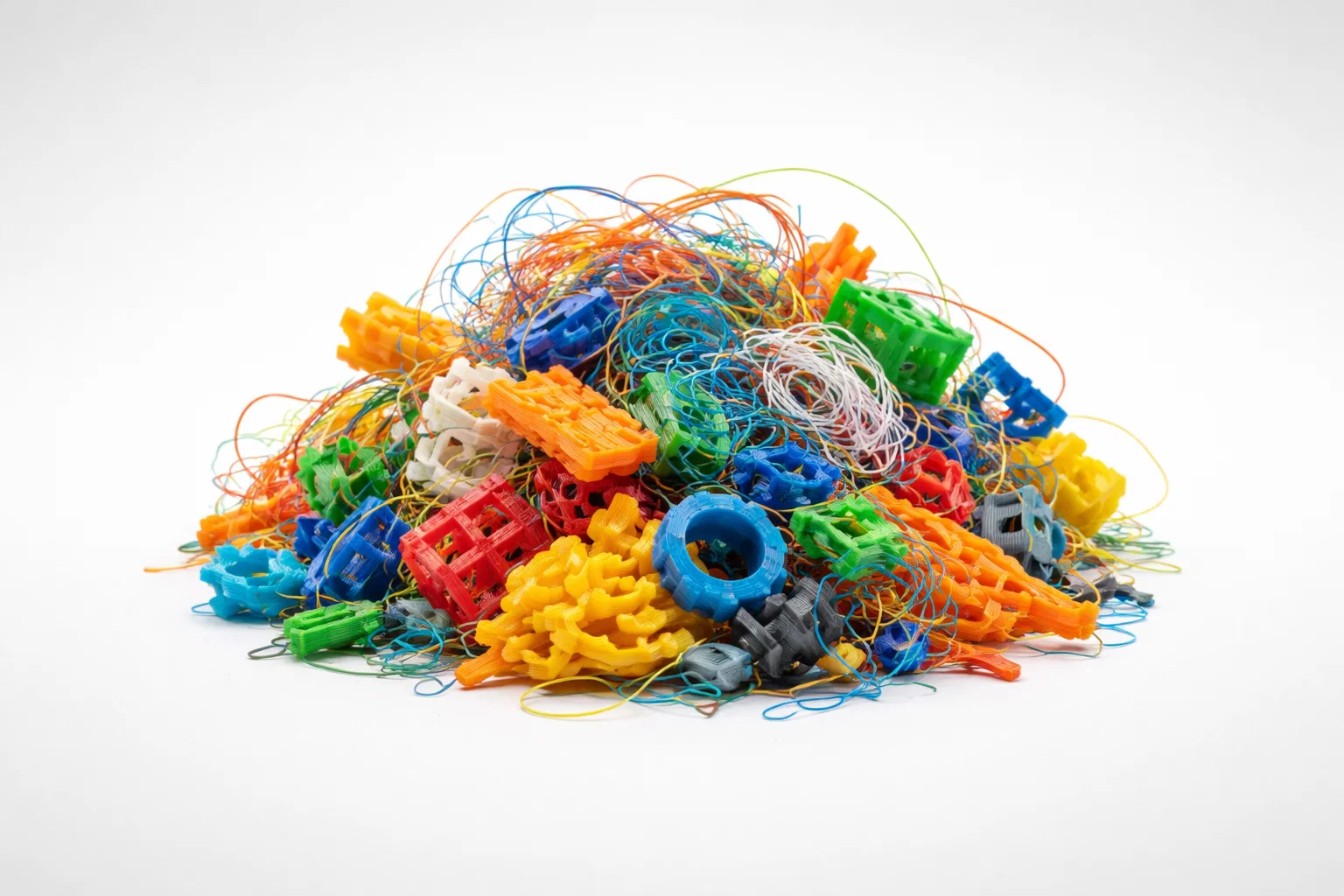
소형 탁상용 파쇄기로 3D 프린팅 폐기물을 재활용하는 방법 카테고리 구매 가이드 게시됨 2026년 2월 3일2026년 2월 13일 작가 energycle 미니 데스크탑 파쇄기로 3D 프린터 폐기물 재활용하는 방법 3D 프린터를 소유하고 있다면, 제품 제작에 드는 "숨겨진 비용"을 이미 알고 계실 겁니다. 모든 폐기물 하나하나마다...
범용 파쇄기: 필름/섬유 파손 유형 및 선택 규칙 카테고리 구매 가이드, 재활용 뉴스 게시됨 2026년 2월 2일2026년 2월 2일 작가 energycle "만능" 파쇄기는 가동 중지 시간을 최대한 활용하는 데 탁월합니다. 모든 종류의 문서(정리, 필름 등)를 처리할 수 있는 기계를 한 대 구입하고 싶은 마음이 들겠지만,.
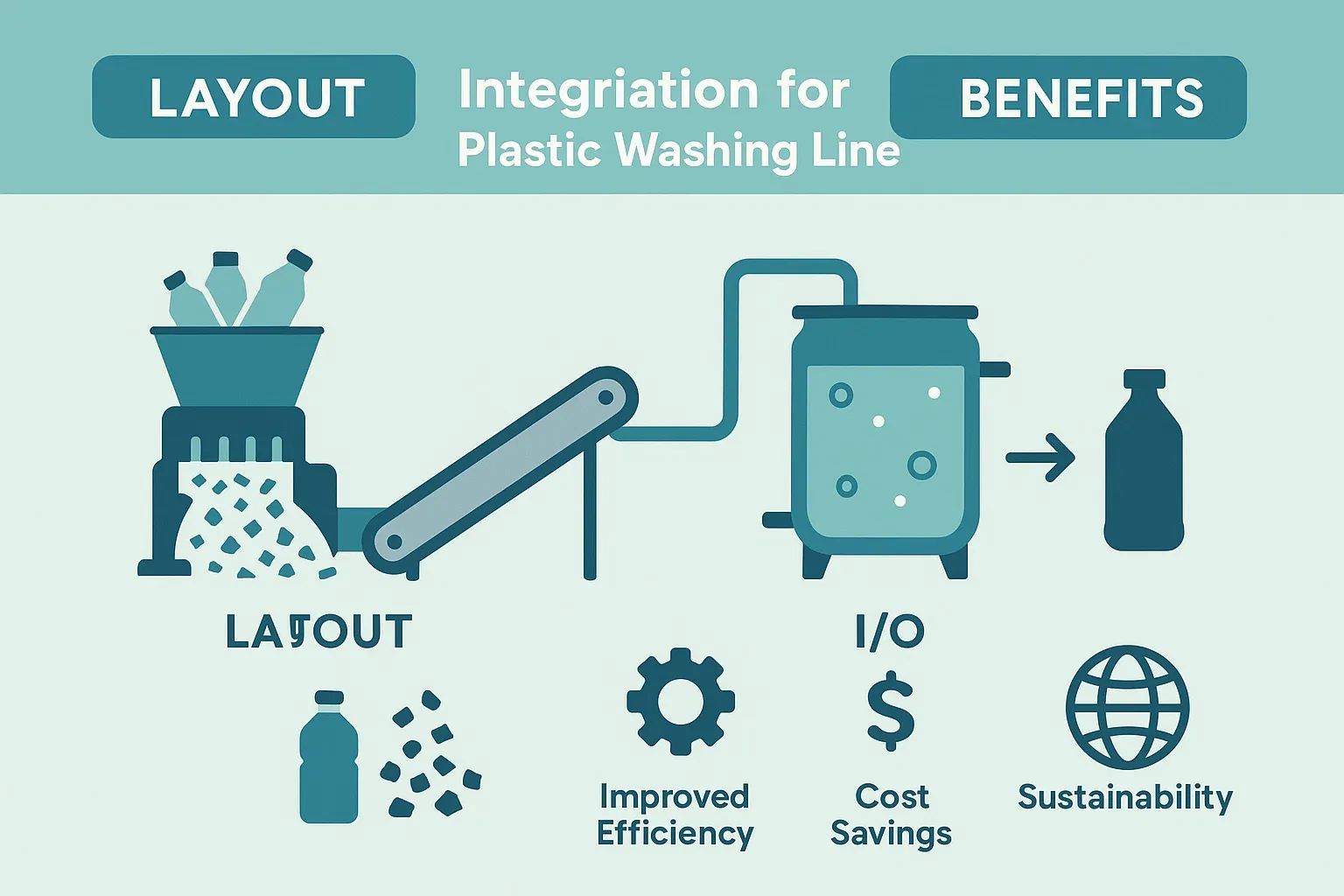
파쇄기 및 세척 라인 통합: 버퍼, 입출력, 서지 사양 카테고리 구매 가이드, 재활용 뉴스 게시됨 2026년 2월 2일2026년 2월 3일 작가 energycle 플라스틱 세척 라인은 연속 공정이고, 파쇄기는 배치 공정입니다. 완충 장치나 제어 장치 없이 이 두 공정을 직접 연결하면 불안정성이 발생할 수 있습니다.
타이어 재활용 시장: TDF, TDA, CRM 사양 비교 카테고리 구매 가이드, 재활용 뉴스 게시됨 2026년 2월 2일2026년 2월 3일 작가 energycle 타이어 파쇄기는 폐기물 처리 기계가 아니라 제조 설비입니다. 파쇄기의 주요 사양(산출물 크기, 절단 품질, 강철 분리 장치 등)은 다음과 같습니다.
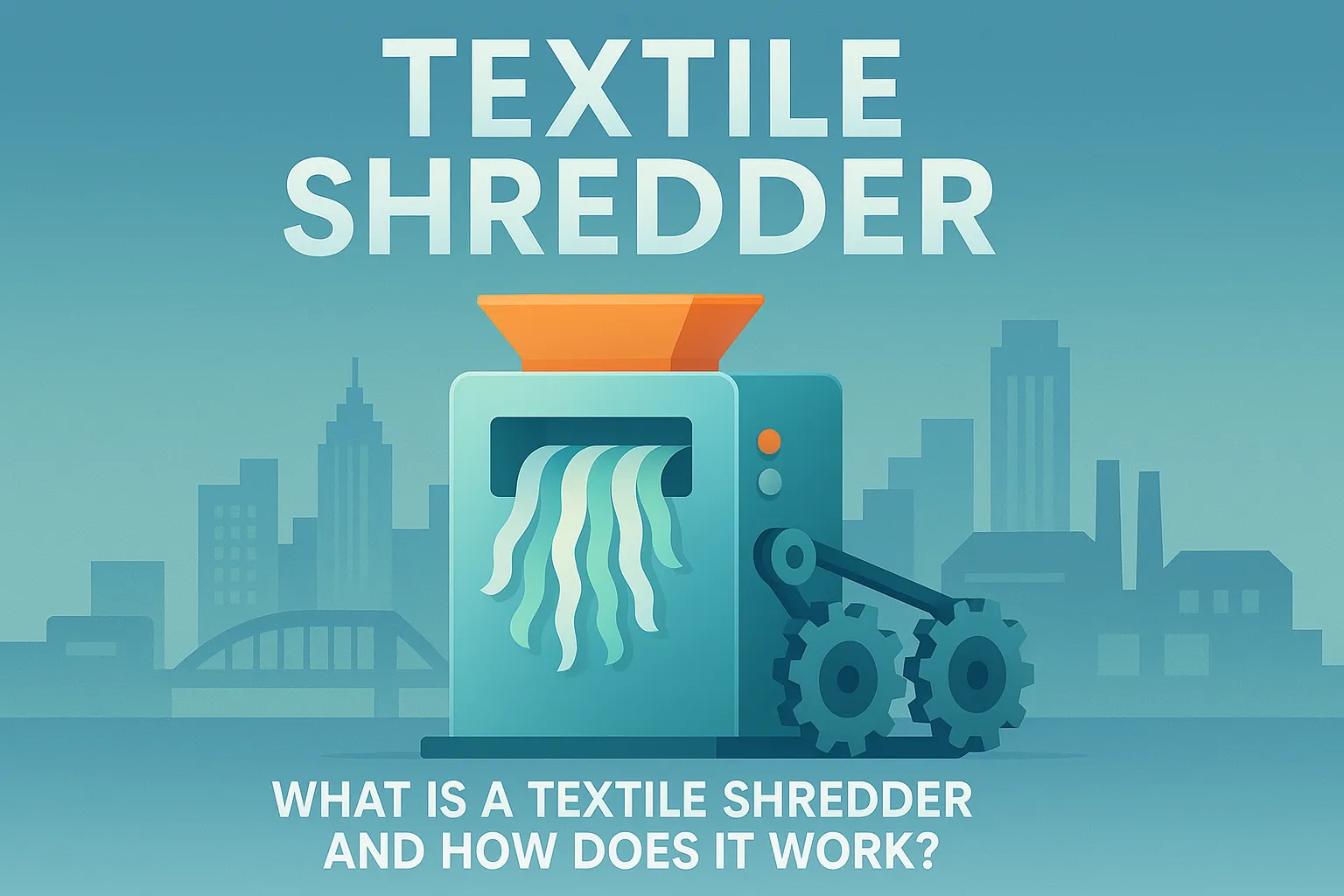
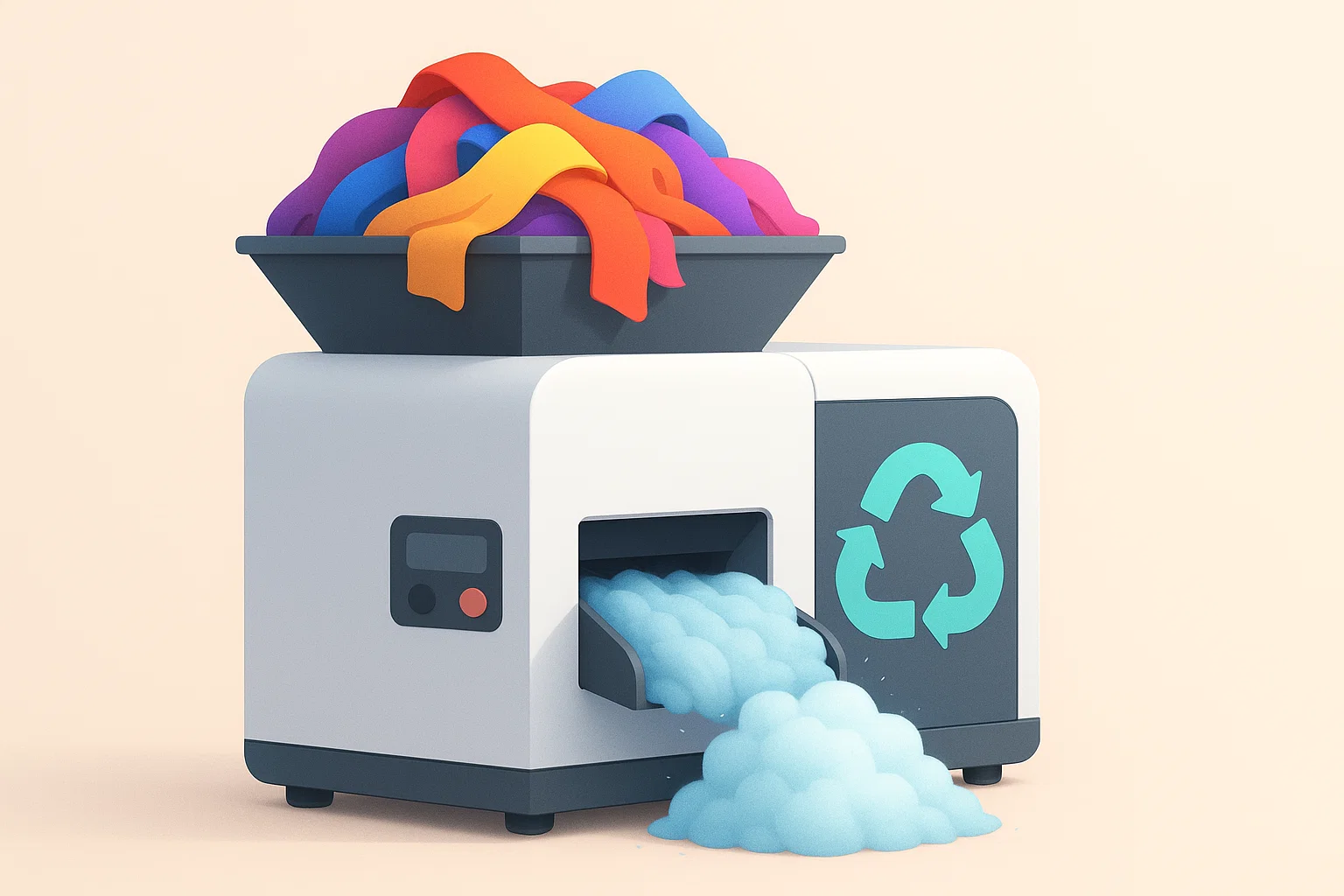
섬유 파쇄기: 로터 매개변수 및 처리량 공식 카테고리 구매 가이드, 재활용 뉴스 게시됨 2026년 2월 2일2026년 2월 2일 작가 energycle 섬유 폐기물을 파쇄하는 것은 플라스틱을 파쇄하는 것과는 기계적으로 다릅니다. 플라스틱 병은 금이 가고, 면 셔츠는 늘어납니다. 많은 섬유 관련 분야에서 이러한 차이는...
섬유 파쇄기 안전: 화재 및 분진 폭발 방지(NFPA 652) 카테고리 구매 가이드, 재활용 뉴스 게시됨 2026년 2월 2일2026년 2월 3일 작가 energycle 섬유 재활용 시설은 통계적으로 플라스틱 공장보다 화재 위험이 더 높습니다. 면섬유 찌꺼기와 합성 미세섬유가 복합적으로 작용하여 화재 위험을 높입니다.
섬유 재활용 파쇄기 사양: 기계식 vs 화학식 (2026) 카테고리 구매 가이드, 재활용 뉴스 게시됨 2026년 2월 2일2026년 2월 2일 작가 energycle 전 세계적인 "순환 패션" 추진으로 섬유 재활용은 크게 두 가지 기술적 경로로 나뉘었습니다. 하나는 기계적 재활용(섬유 대 섬유 재활용)이고, 다른 하나는...
섬유 재활용 전처리: 기계적 방식 vs. 화학적 방식 비교 카테고리 구매 가이드, 재활용 뉴스 게시됨 2026년 2월 2일2026년 2월 2일 작가 energycle 섬유 재활용 산업은 "다운사이클링"(단열재/걸레)에서 "순환성"(섬유 대 섬유)으로 전환하고 있습니다. 이러한 전환에는 다음과 같은 요구 사항이 있습니다...
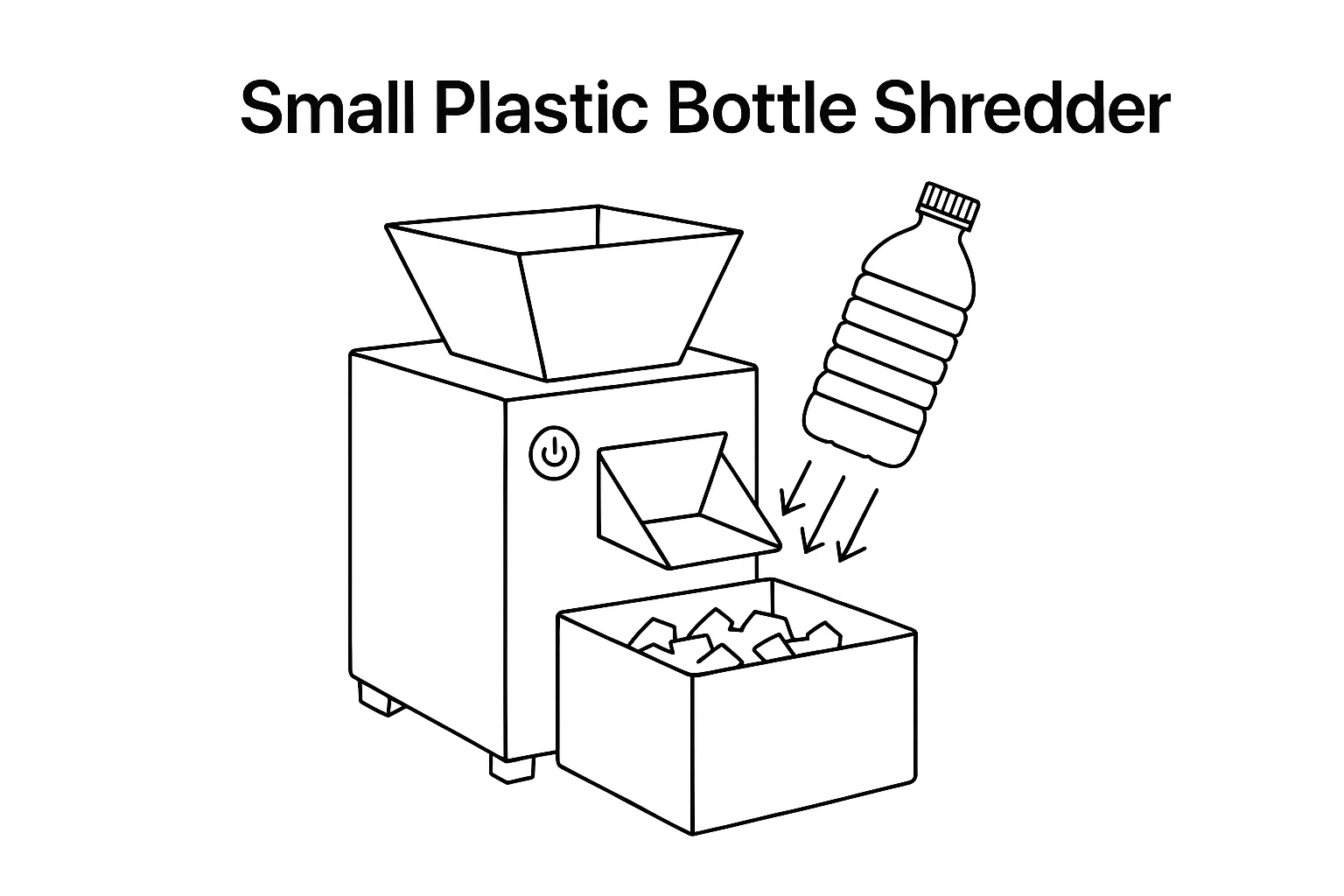
소형 플라스틱 병 분쇄기: 사양, 용량, 전력 (2026) 카테고리 구매 가이드, 재활용 뉴스 게시됨 2026년 2월 2일2026년 2월 2일 작가 energycle 최고의 소형 플라스틱 병 파쇄기는 재활용 라인의 처리 효율을 저해하지 않으면서 공간 제약을 최적화합니다. 지역 재활용 센터의 경우...