

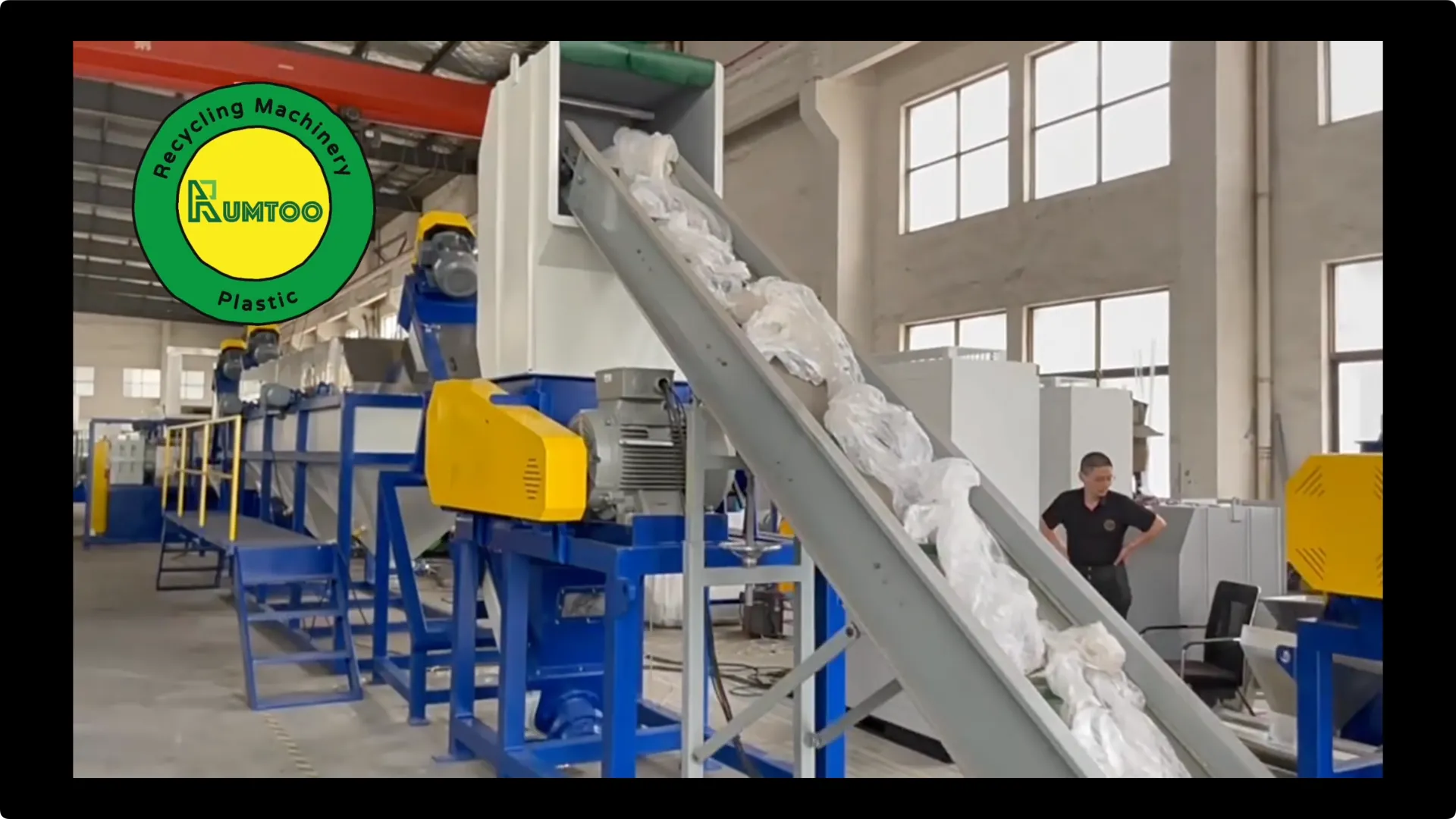
라인을 형성하는 선정 요인
모듈 선택, 유틸리티 규모 산정, 산출 일관성은 오염 수준, 재질 형태, 수분 목표, 후단 압출 요구사항에 따라 달라집니다.
오염 허용 범위
분진, 인쇄, 모래가 많은 직포 마대, 라피아, FIBC 스크랩용으로 제작되었으며, 오염 수준이 세척 강도와 모듈 선정을 결정합니다.
플레이크 크기 제어
파쇄와 습식 그래뉼레이션은 세척, 린스, 건조, 펠릿타이징을 위한 안정적인 산출 크기 범위를 만들도록 함께 구성됩니다.
목표 수분 수준
탈수, 열풍 건조, 선택적 압착은 압출 또는 직접 펠릿타이징에 필요한 잔류 수분에 맞춰 선택됩니다.
마모 및 정비 접근성
나이프 배치, 스크린 선정, 베어링 보호는 연마성 오염물에 맞춰져 유지보수가 예측 가능하게 유지됩니다.
수계 순환 및 에너지 부하
유틸리티 계획은 오염 프로파일, 선택된 세척 온도, 개방 또는 폐쇄 용수 루프 설계와 연계됩니다.
자동화 및 안전 인터록
라인 수준 제어가 공급, 절단, 세척, 건조를 조율하며, 과부하 및 안전 조건은 자동으로 관리됩니다.
지원되는 원료 형태
사진, 샘플, 오염 세부 정보, 후단 품질 목표를 공유해 주시면 올바른 세척 강도와 건조 경로를 선정할 수 있습니다.
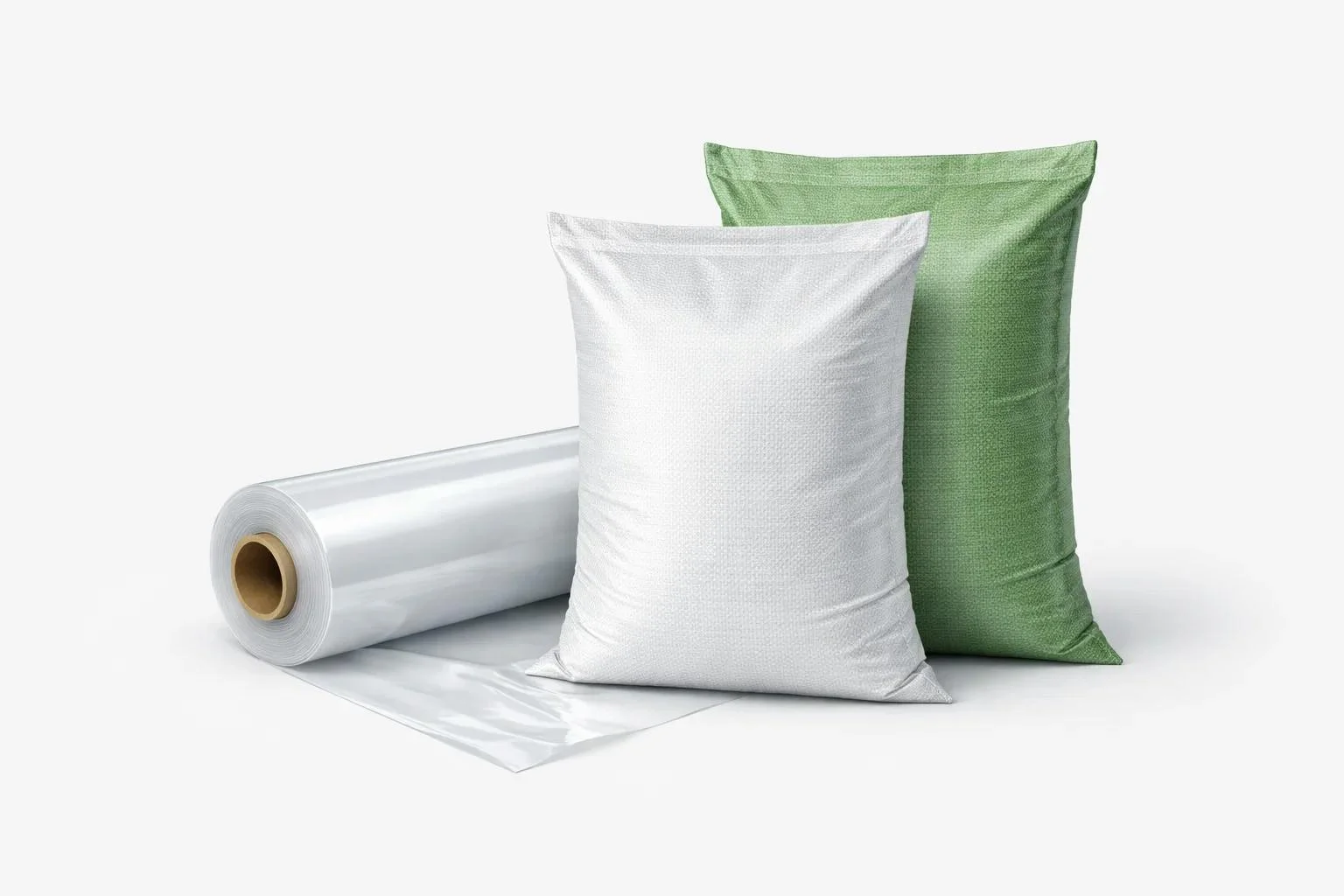
PP 짠 자루
시멘트 포대, 비료 포대, 쌀 포대 및 기타 인쇄된 직조 포대.
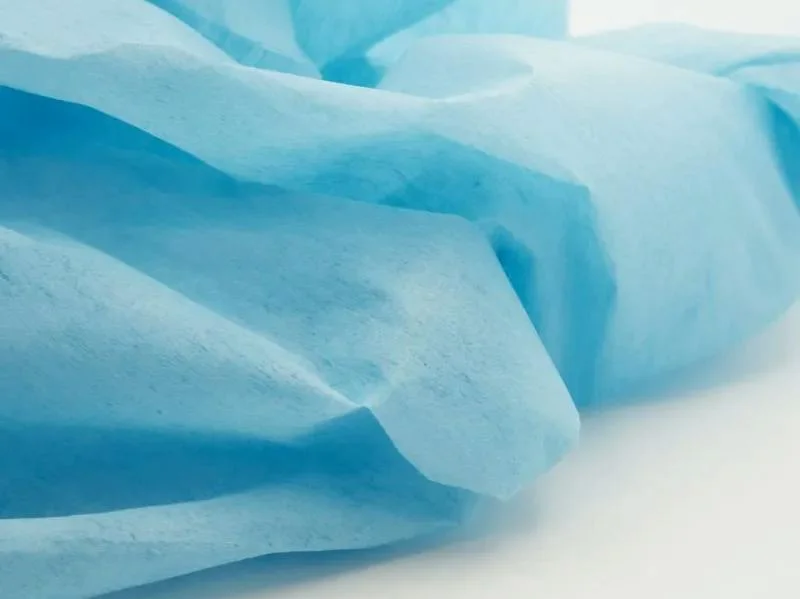
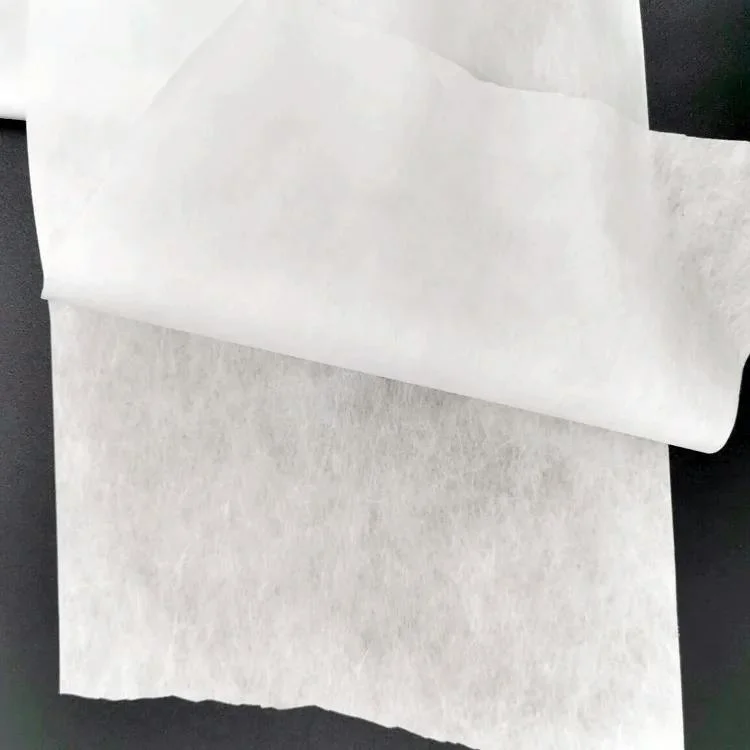
PP 부직포
부직포 스크랩 및 백, 선택적 심화 세척 포함.
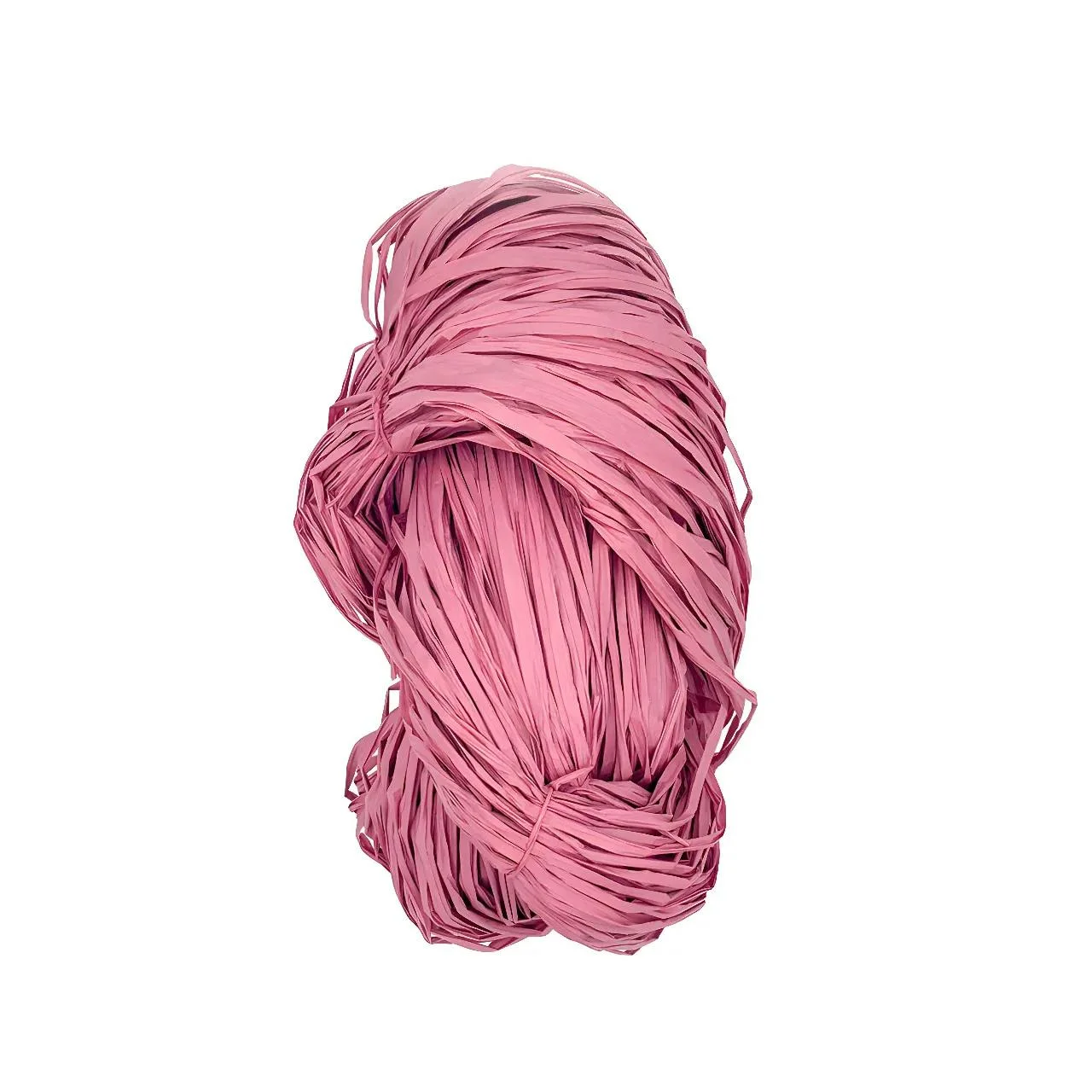
PP 라피아 테이프 및 원사
직조 및 포장 작업에서 발생하는 라피아 조각, 테이프 및 원사 폐기물.
BOPP 라미네이트 직조 백
잉크, 접착제, 오염 수준에 맞춰 구성된 인쇄 및 라미네이팅 직포 백.
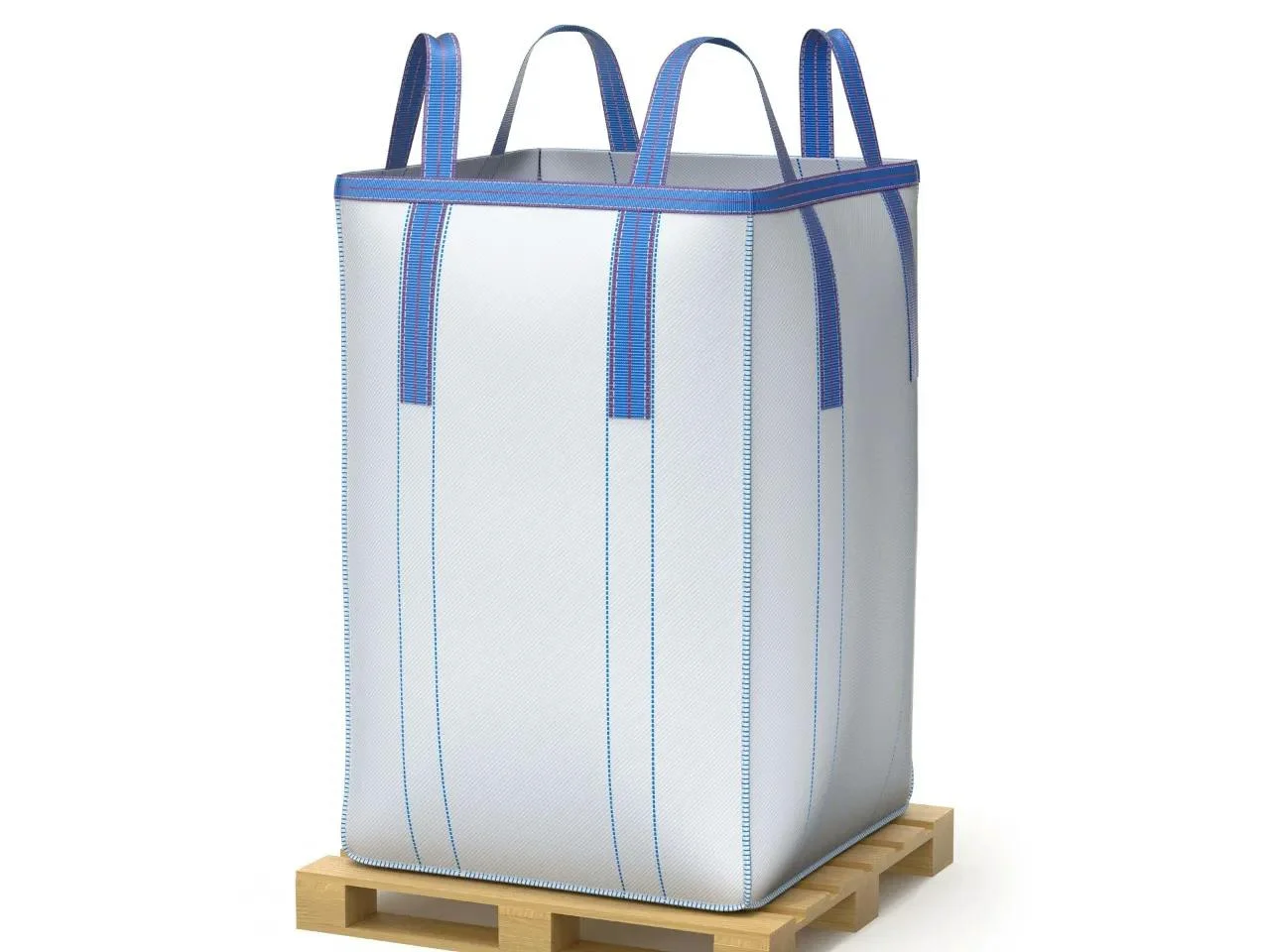
점보백
먼지나 모래가 섞인 물질을 포함한 벌크백 및 빅백.
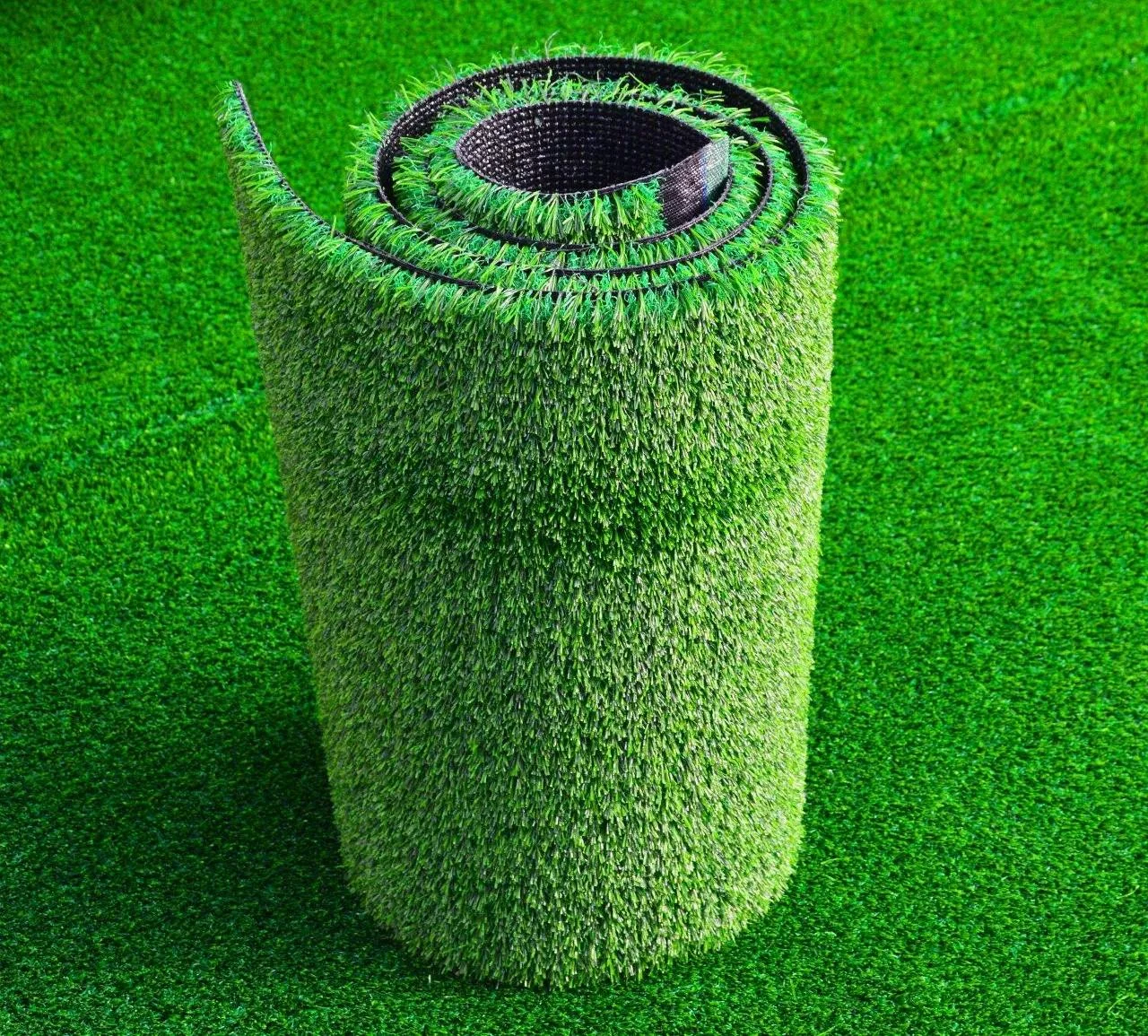
PP 직조 자투리
직조 트리밍, 자투리, 관련 PP 배킹 스크랩으로, 세척 강도는 분진, 모래, 라미네이션에 따라 선택됩니다.
오염된 직포 스크랩에서 압출 준비 PP 플레이크까지
라인은 크기 축소부터 세척과 단계별 건조까지의 순서를 따릅니다. 최종 구성은 오염 프로파일, 목표 플레이크 크기, 후단 압출 요구사항에 따라 달라집니다.
투입 및 사전 선별
입고되는 직조 자루와 라피아를 절단하기 전에 이물질 오염을 걸러내는 작업을 미터 단위로 진행합니다.
1차 파쇄
저속·고토크 크기 축소가 직포 구조를 열고 후단 절단을 안정화합니다.
습식 과립화
물 보조 절단이 정해진 플레이크 크기 범위를 만들고 세척을 조기에 시작합니다.
마찰 세척
고전단 스크러빙이 모래, 분진, 이탈된 잉크, 부착 섬유를 제거합니다.
린스 및 분리
린스와 밀도 분리가 중량 오염을 제거하면서 PP 순도를 높입니다.
탈수 및 건조
기계적 탈수와 열풍 건조가 목표 잔류 수분을 달성합니다.
펠렛화
선택적 펠릿타이징이 컨디셔닝된 플레이크를 저장, 정량 공급 또는 재판매용 균일 펠릿으로 전환합니다.
유틸리티 및 환경 영향도
처리 능력 등급별 참고 유틸리티 및 레이아웃 범위. 최종 규모 산정은 오염 수준, 열수 세척, 건조 구성에 따라 달라집니다.
| 용량(kg/h) | 설치 전력(kW) | 일반적인 배치 면적(m²) | 운영자/교대 근무 | 압축 공기(MPa) | 공정 용수 (m³/h) |
|---|---|---|---|---|---|
| 300 | 150 | 350 | 4 | 0.6-0.8 | 3 |
| 500 | 230 | 460 | 6 | 0.6-0.8 | 4 |
| 1000 | 430 | 500 | 6 | 0.6-0.8 | 5 |
모바일에서 표 전체를 보려면 가로로 스와이프하세요.
메모: 수치는 참고용입니다. 최종 유틸리티는 오염 프로파일, 열수 세척 또는 가열 선택, 건조 구성에 따라 달라집니다. 전력 공급은 전압/Hz 및 기동 방식으로 지정되며, 용수 수요는 개방 루프 대 폐쇄 루프 설계에 따라 달라집니다.
PP 직포 백 재활용 라인의 핵심 장비
세척 효율성과 최종 순도를 극대화하기 위해 사용 후 배출된 PP 마대 자루, 라피아 테이프 및 고강도 FIBC 톤백 전용으로 설계되었습니다.
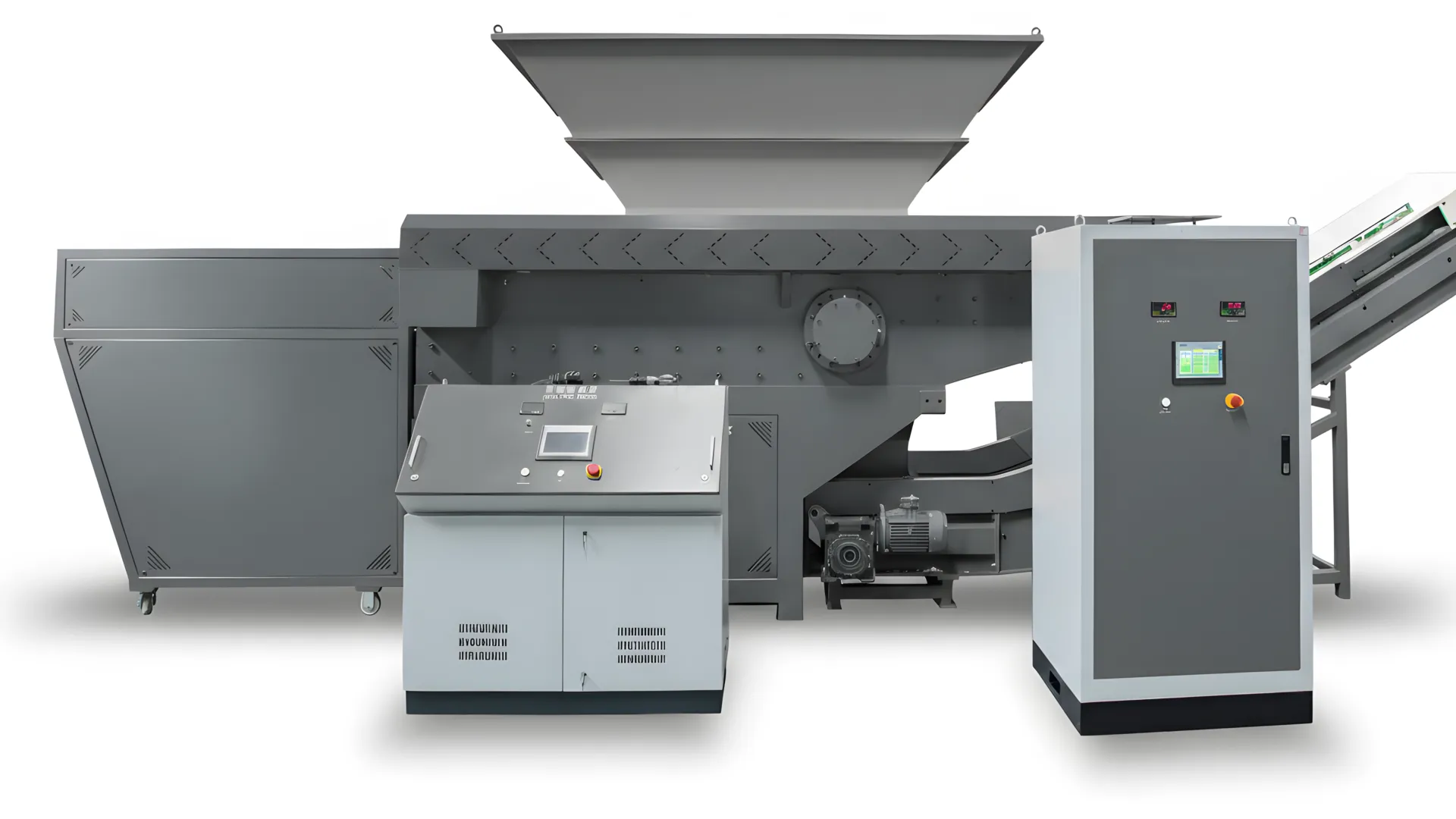
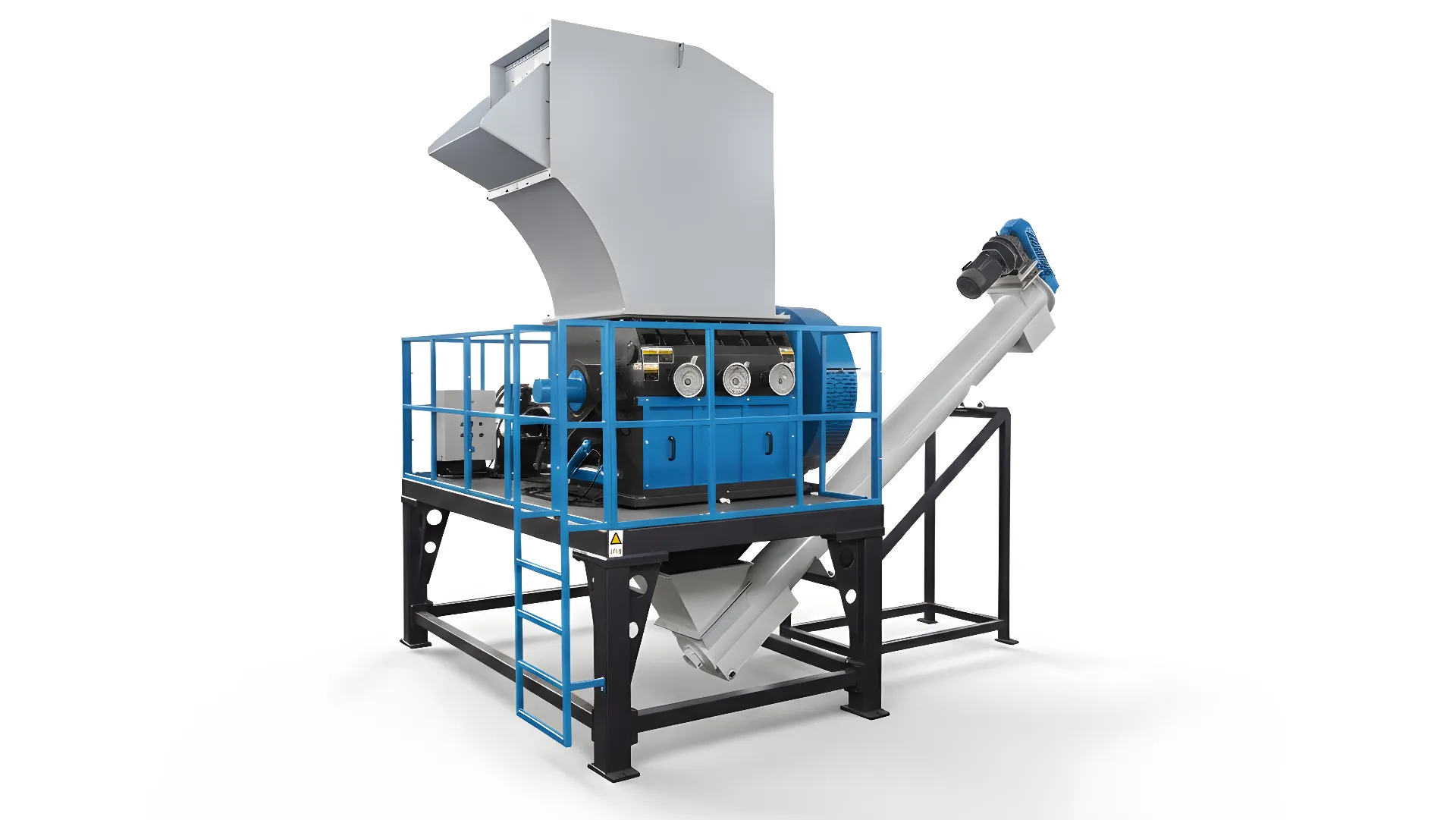
1. 단축 파쇄기
기능: 저속 고토크 파쇄가 조밀하게 압축된 직조 구조를 개방하고, 밀도 높은 마대나 전체 FIBC 베일의 부피를 줄이며, 고장력 테이프의 엉킴 없이 하류 습식 분쇄기 공급을 안정화합니다.
주요 엔지니어링 특징:
- 질긴 직조 테이프와 필라멘트에 특화된 감김 방지 로터 프로파일 적용
- 유압식 푸셔 램이 로터로의 지속적이고 강제적인 자재 공급을 보장
- 연마성 모래와 이물질 마모에 견디도록 강화된 고내마모 절단용 나이프
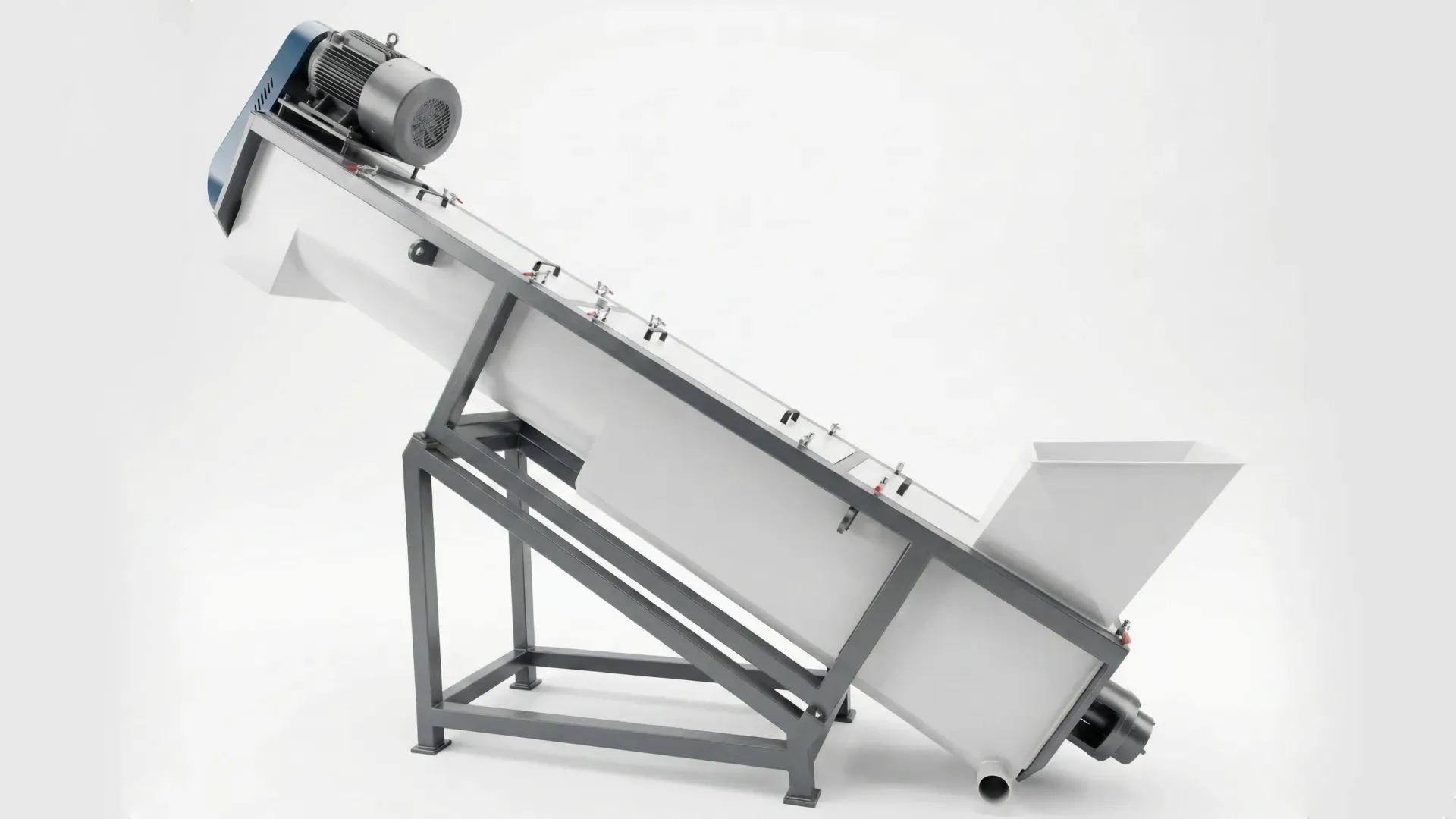
2. 습식 플라스틱 분쇄기
기능: 습식 분쇄는 파쇄된 직포 스트립을 12~18mm의 균일한 플레이크로 줄여줍니다. 지속적인 물 공급으로 칼날의 열 마모를 방지하고 마찰열을 억제하며 연마성 오염 물질을 즉시 세척하기 시작합니다.
주요 엔지니어링 특징:
- 분쇄 챔버 내부의 물 분사로 나이프와 투입물을 지속적으로 냉각 세척
- 더블 시저스 컷 V형 로터 지오메트리로 분진, 미세분 및 스크린 막힘 최소화
- 토사 및 모래가 많은 공정에서 교체가 용이한 내부 내마모 라이너 플레이트 채용
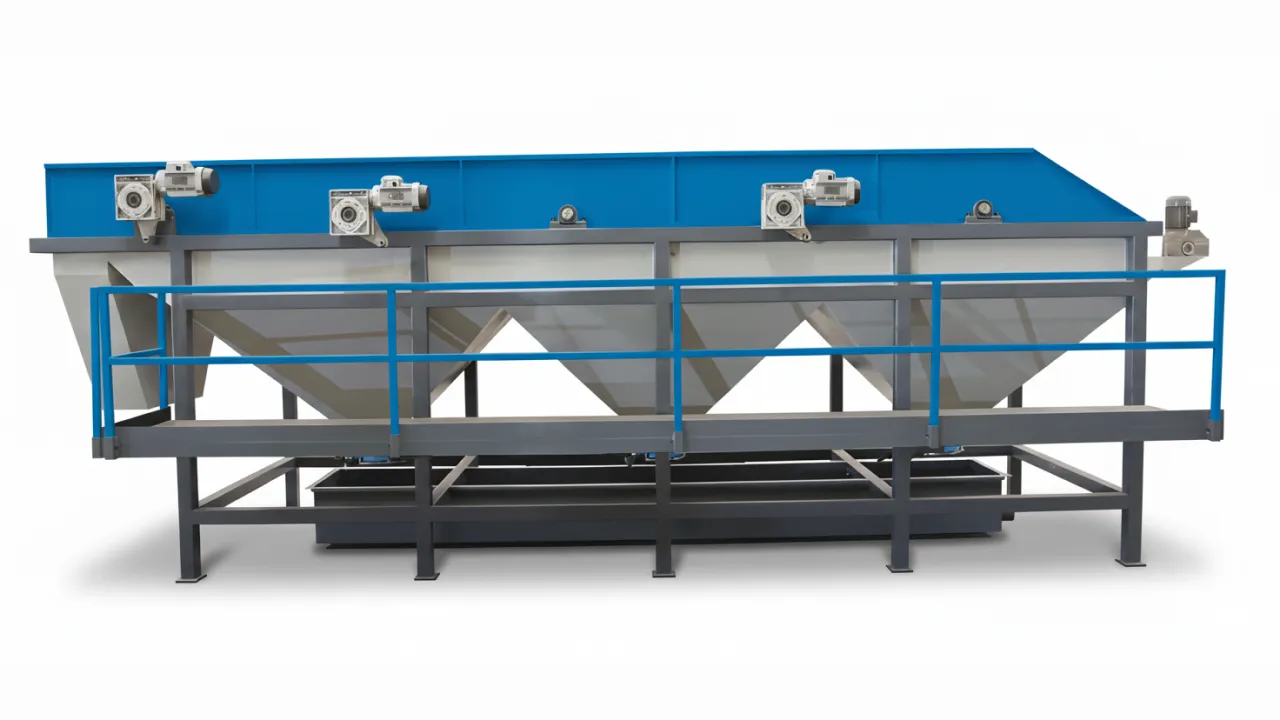
3. 고속 마찰 세척기
기능: 고속 동적 마찰이 직조 플레이크 표면과 테이프 틈새를 강력히 문질러 고속 회전력으로 고착된 토사, 화학 잔류물, 노화된 섬유 분진 및 표면 인쇄 잉크를 박리합니다.
주요 엔지니어링 특징:
- 강력한 원심 세척력을 발휘하는 동적 밸런싱 다익 패들 로터 샤프트
- 물과 모래를 효율적이고 연속적으로 배출하는 스테인리스 타공 스크린 바스켓
- 스크린 타공 홀의 막힘을 방지하고 연속 역세척을 수행하는 내장형 스프레이 노즐
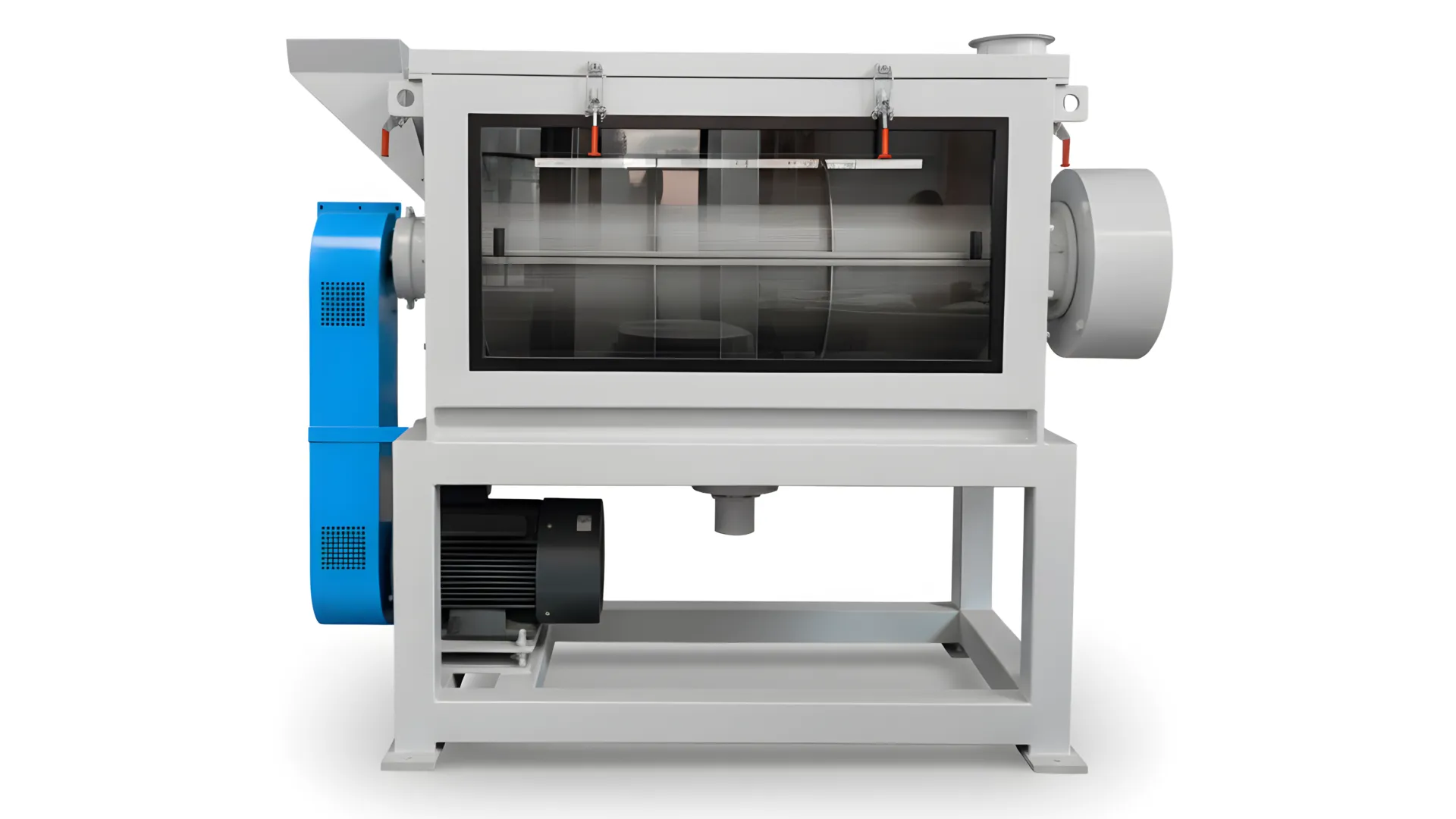
4. ```json { "translation": "식빵분리 탱크" } ```
기능: 물(ρ = 1.0 g/cm³)과의 비중 차이를 이용하여 가벼운 부유성 PP 플레이크(ρ ≈ 0.91 g/cm³)를 잔류 모래, 자갈, 유리 및 침전성 경질 플라스틱(PET/PVC)과 확실하게 분리합니다.
주요 엔지니어링 특징:
- 모터 구동 패들 드럼 다수가 부유하는 PP 플레이크를 전방으로 안정되게 이송
- 고하중 하부 스크루 오거가 바닥에 가라앉은 무거운 침전물을 연속적으로 배출
- 수순환 재활용 포트를 갖춘 전체 SUS304 스테인리스 스틸 견고한 구조
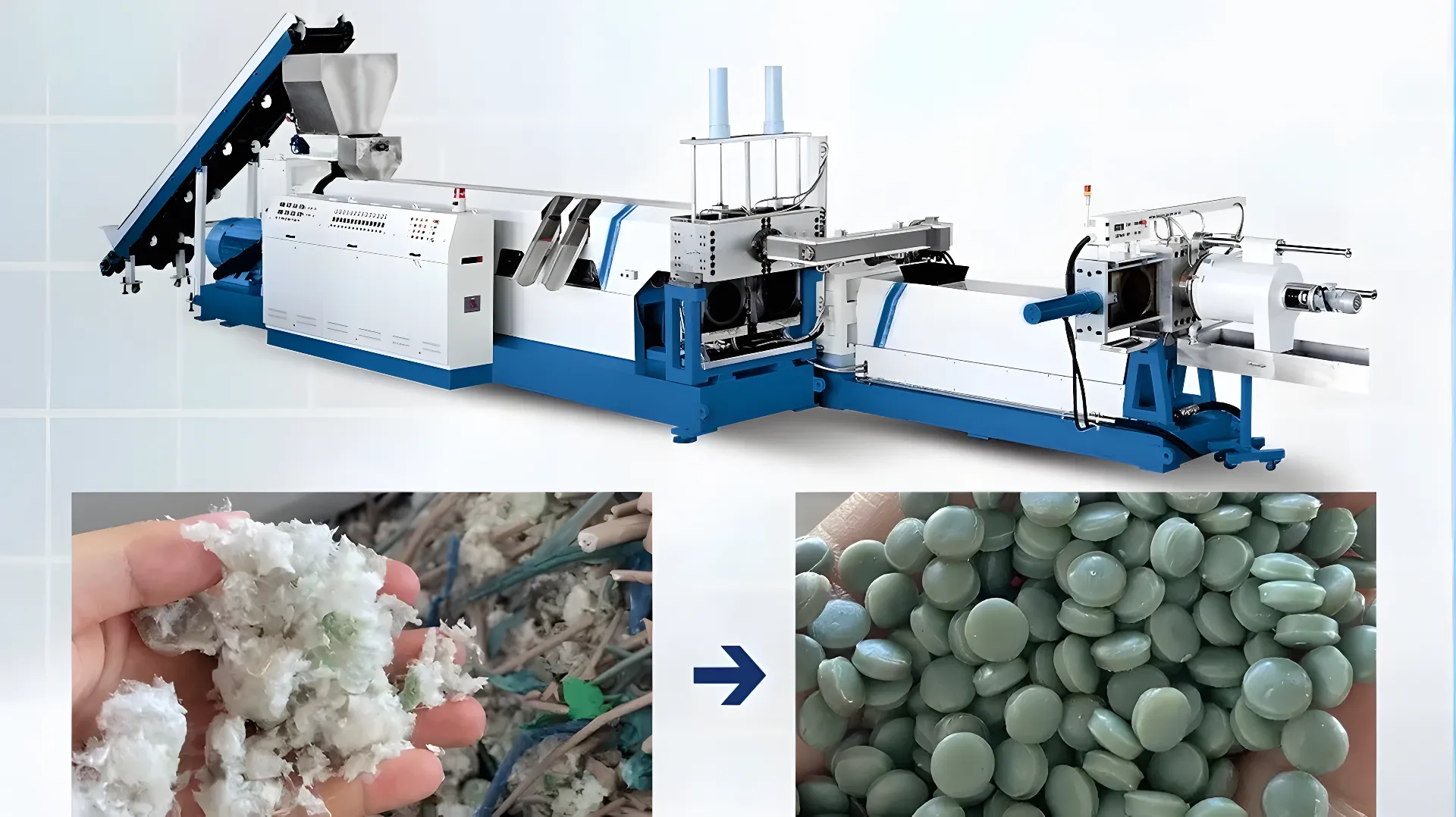
6. 수중 링 펠릿화 시스템
기능: 고부가가치 완제품을 요구하는 재활용 업체를 위해, 이 일체형 압출 조립 라인은 깨끗한 PP 플레이크를 용융, 탈기, 여과하고 핫 다이페이스 수환식 핫커팅을 통해 균일하고 조밀하며 분진 없는 펠릿으로 가공합니다.
주요 엔지니어링 특징:
- 컴팩터와 피더의 결합으로 부피가 크고 가벼운 라피아 플레이크의 브릿지 현상을 방지하고 안정적인 압출을 보장
- 용융물 여과 중단 없이 연속 운전이 가능한 연속식 2위치 유압 스크린 체인저
- 균일한 펠릿 외형과 안정된 겉보기 밀도를 확보하는 고정밀 수환식 펠릿화 유닛
PP 직조백 및 라피아 재활용 라인 영상
직포 백, 라피아, FIBC 재활용 라인 개념을 시청하십시오.
현장 성능 참고 사항
대표적인 운전 관찰 결과입니다. 실제 결과는 원료, 오염, 유틸리티, 구성에 따라 달라집니다.
무거운 모래를 담은 인쇄된 시멘트 자루의 경우, 고온 세척과 더 높은 마찰 세척 강도를 적용함으로써 건조 공정으로 유입되는 마모성 이물질을 줄이고 플레이크의 청결도를 높일 수 있었다.
라피아 테이프와 실 자투리에 가벼운 유기물을 혼합하고, 제어된 과립화 공정을 적용하여 헹굼 효율을 높이고 후속 압출 준비 공정의 안정성을 높였습니다.
혼합 직물 및 FIBC 스크랩은 목표 수분 함량을 충족하기 위해 탈수 및 열건조 공정이 필요했으며, 더 높은 부피 밀도가 요구될 때는 스퀴저를 사용했습니다.
자주 묻는 질문
모듈, 유틸리티 및 출력 대상을 선택하기 위한 의사 결정 중심의 답변.
PP 직조 포대 재활용 라인에는 무엇이 포함되나요?
전체 라인에는 파쇄, 예비 세척, 마찰 세척, 인쇄되거나 오염된 봉투를 위한 고온 세척, 헹굼, 침부유 분리, 원심 탈수, 열 건조, 그리고 선택 사항인 워터 링 펠릿화 방식의 압출 공정이 포함될 수 있습니다.
PP 직조 포대 재활용으로 어떤 품질의 펠릿을 얻을 수 있나요?
적절한 세척 과정을 거치면, 직조 봉투 재활용으로 얻은 PP 펠릿은 자연스러운 색상이나 밝은 색상을 띠며, 낮은 회분 함량과 안정적인 용융 유동성을 갖추게 되고, 사출 성형, 압출 성형 및 새로운 직조 봉투 생산에 적합한 기계적 특성을 갖게 됩니다.
이 라인은 어떤 PP 소재를 처리할 수 있나요?
이 라인은 PP 직조 자루, 라피아 테이프 및 실, FIBC 스크랩, PP 부직포를 처리합니다. BOPP 라미네이트 직조 자루의 경우, 필요에 따라 적절한 세척 강도와 고온 세척을 적용할 수 있습니다.
어느 정도의 처리량과 수분 수준을 기대할 수 있나요?
일반적인 처리량은 모듈 및 오염 정도에 따라 시간당 300~1,500kg 범위입니다. 열건조를 사용할 경우, 안정적인 압출을 위해 필요한 잔류 수분 함량은 원료에 따라 다르지만 일반적으로 3% 미만입니다.
인쇄된 시멘트 포대나 기름때 오염 제거를 위해 고온 세척이 필요한가요?
잉크, 기름, 접착제 또는 고농도 유기물을 제거하여 청결 기준을 충족해야 할 경우 고온 세척을 지정하십시오. 가벼운 먼지나 모래 오염의 경우 마찰 세척과 헹굼만으로 충분한 경우가 많습니다.
이 라인에서 PP 펠릿을 바로 생산할 수 있나요?
네. 압출 공정과 워터링 펠릿화 공정을 추가하십시오. 공급되는 수분 함량이 높거나 펠릿화 안정성이 매우 중요할 경우, 압출 전 스퀴저를 사용하여 수분을 줄이고 부피 밀도를 높일 수 있습니다.
레이아웃과 자동화 수준을 맞춤 설정할 수 있나요?
네. 레이아웃, 모듈 선정 및 제어 로직은 처리 용량, 오염 수준, 유틸리티 및 설치 면적을 고려하여 구성됩니다. 자동화 시스템에는 인터록, 과부하 보호 기능 및 모듈별 허용 조건이 포함될 수 있습니다.