

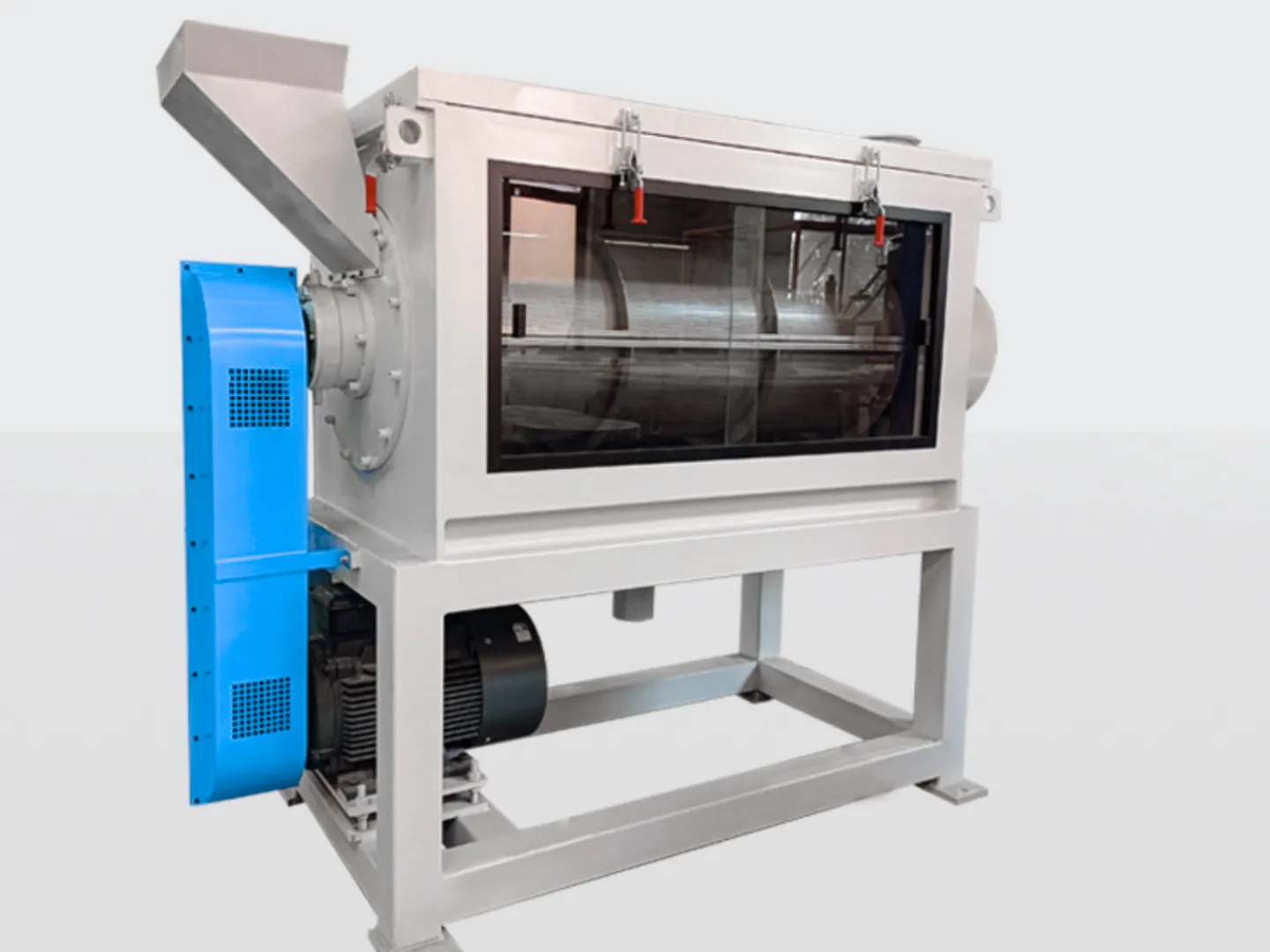
Mechanical Dewatering for Rigid Plastic Flakes
Secador centrífugo para secagem de plástico
A high-speed centrifugal dewatering stage for PET, HDPE, and PP rigid flakes before thermal drying, extrusion, or storage. Outlet moisture depends on material type, flake geometry, inlet moisture, screen condition, and downstream setup.
Why Use Centrifugal Dewatering Before Final Plastic Drying
Mechanical water removal lowers the thermal load on your drying system and helps rigid flakes move into the next stage more consistently.
Efficient Free Water Removal
Centrifugal force throws rigid flakes against the screen so surface water is expelled quickly. For stable rigid flake streams, outlet moisture is often around 2-3%, but the actual result depends on feed condition and machine setup.
Lower Thermal Energy Demand
Removing bulk water mechanically means your hot-air dryer or extrusion line handles less evaporation duty downstream.
Stable Throughput for Rigid Flakes
Designed for bottle flakes and rigid regrind where consistent drainage and continuous discharge matter more than densification.
Helps Reduce Residual Water and Light Contaminants
High rotor speed and screen contact can assist with removing fines, dirty water, and light residue while the material is being dewatered, improving the condition of flakes entering the next stage.
Maintainable Screen and Rotor Assembly
The working components can be inspected and serviced to keep drainage stable over time. Screen cleanliness, rotor condition, and feed consistency all directly affect final moisture.
Easy Line Integration
Commonly installed after a friction washer or sink-float stage and before thermal drying, buffering, or pelletizing.
Typical Materials and Line Positions
Best suited to rigid plastic recycling lines where the main goal is fast mechanical dewatering rather than squeezing or densifying soft film.
Flocos de Garrafa PET
Used after washing to lower surface moisture before hot-air drying, crystallization, or extrusion preparation.
HDPE and PP Rigid Regrind
Suitable for washed crate, drum, and injection scrap flakes where drainage and steady discharge are needed.
Pre-Drying Before Thermal Systems
Reduces the heat load on pipeline dryers and helps the full drying system run more efficiently.
Rigid Washing Lines
A common dewatering stage in PET, HDPE, and PP rigid flake lines after washing and before storage or pelletizing.
How the Centrifugal Dewatering Machine Works
A simple mechanical process that removes bulk water quickly from washed rigid flakes.
Feed Wet Flakes
Washed PET, HDPE, or PP flakes enter the machine from the upstream wash stage.
Rotate at High Speed
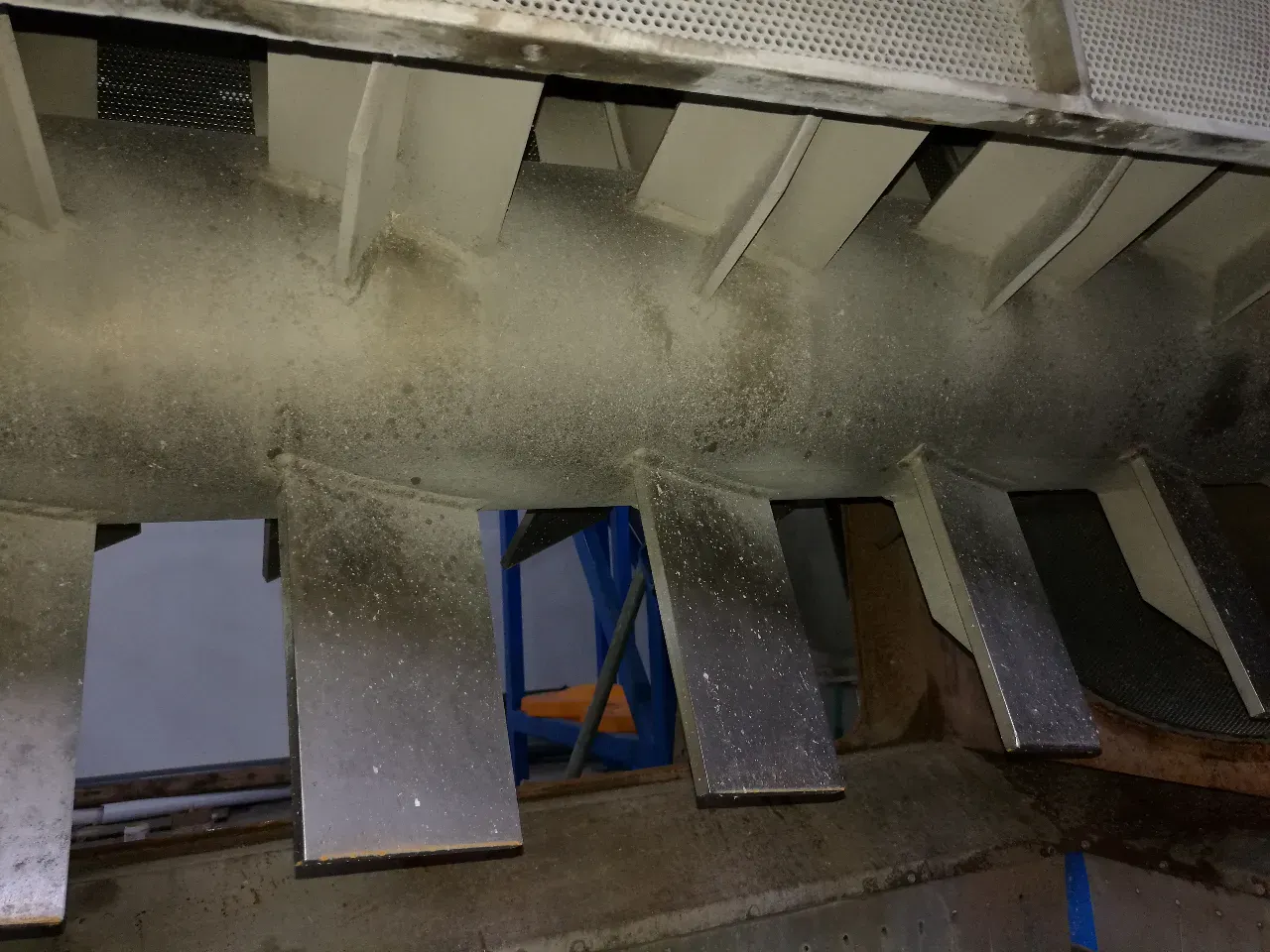
The main shaft and paddles spin at high velocity to create strong centrifugal force inside the screen housing.
Expel Free Water
Water is thrown through the mesh screen while the material continues moving through the working chamber.
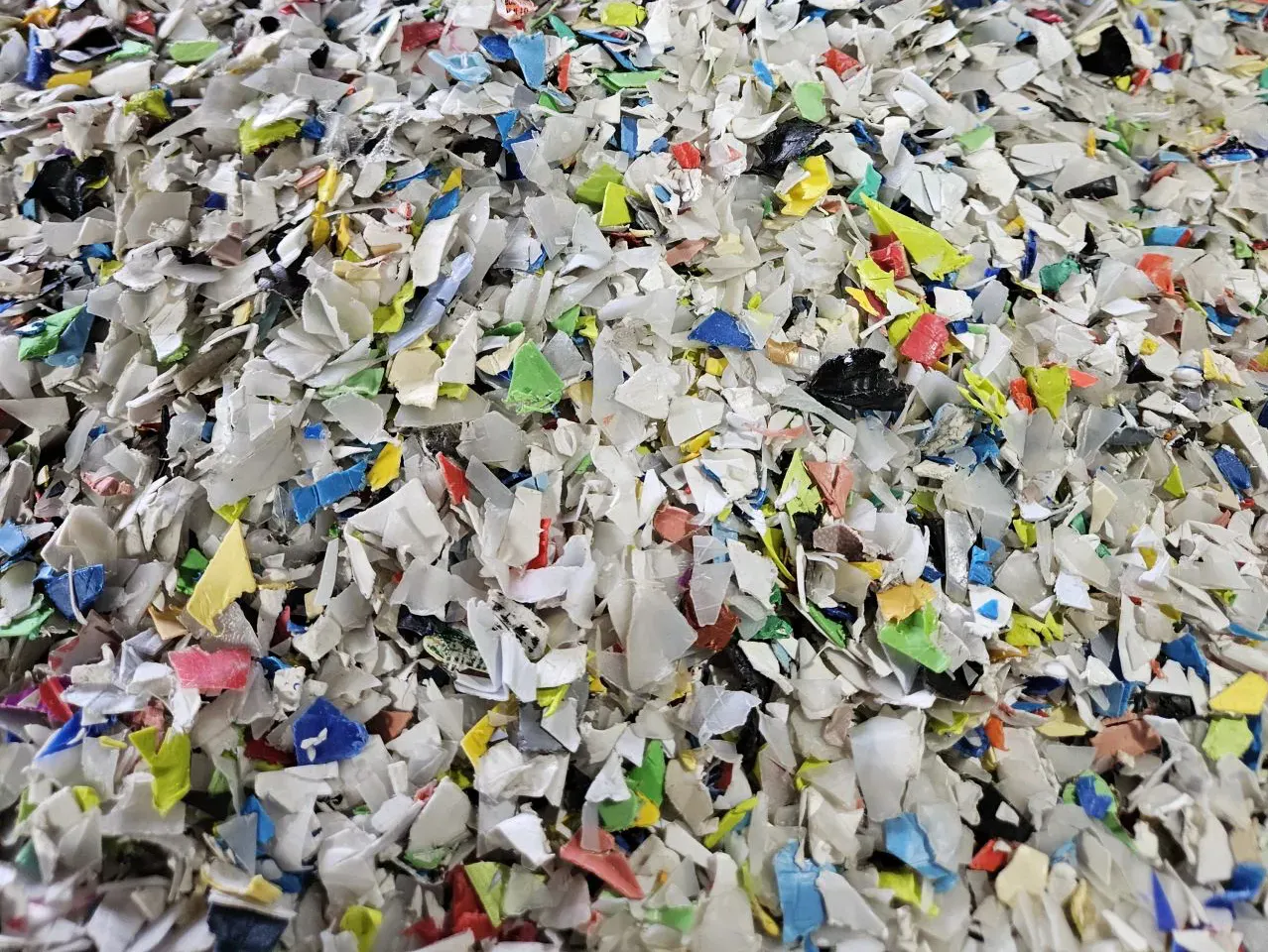
Discharge Drier Flakes
The machine conveys drier material to discharge for thermal drying, buffering, or extrusion preparation.
Why Centrifugal Dewatering Is a Strong Match for Rigid Plastic Flakes
It fills the gap between washing and final drying by removing bulk water with less energy than heat-based evaporation alone.
| Selection Factor | Máquina de desidratação centrífuga | Thermal Drying Only | Film Squeezer / Densifier |
|---|---|---|---|
| Best Material Type | Rigid PET, HDPE, and PP flakes | Can dry many materials, but handles all water by evaporation | Primarily chosen for films and soft plastics |
| Bulk Water Removal | Fast mechanical drainage before final drying | Higher heat load and energy demand | Strong on wet film, but not the usual choice for rigid flakes |
| Line Position | After washing, before thermal drying or extrusion prep | Usually used as the last drying stage | Often selected when densification is also needed |
| Formulário de saída | Keeps rigid flakes free-flowing for the next stage | Keeps output unchanged, but with more evaporative duty | Can change bulk density and output form |
| Estratégia Energética | Removes most free water mechanically first | Depends mainly on thermal energy | Depends on compression and friction, usually for different applications |
Especificações técnicas
Reference models for rigid plastic flake dewatering. Capacity varies with material type, flake size, and inlet moisture.
| Modelo | Potência do motor | Diâmetro do eixo principal | Velocidade de rotação | Capacidade (kg/h) |
|---|---|---|---|---|
| EC-CD400 | 37 kW | 400 milímetros | 1400 RPM | 400 - 800 |
| EC-CD550 | 45 kW | 550 milímetros | 1200 RPM | 600 - 1000 |
| EC-CD750 | 55 kW | 750 milímetros | 1080 RPM | 1200 - 2000 |
Galeria de Máquinas
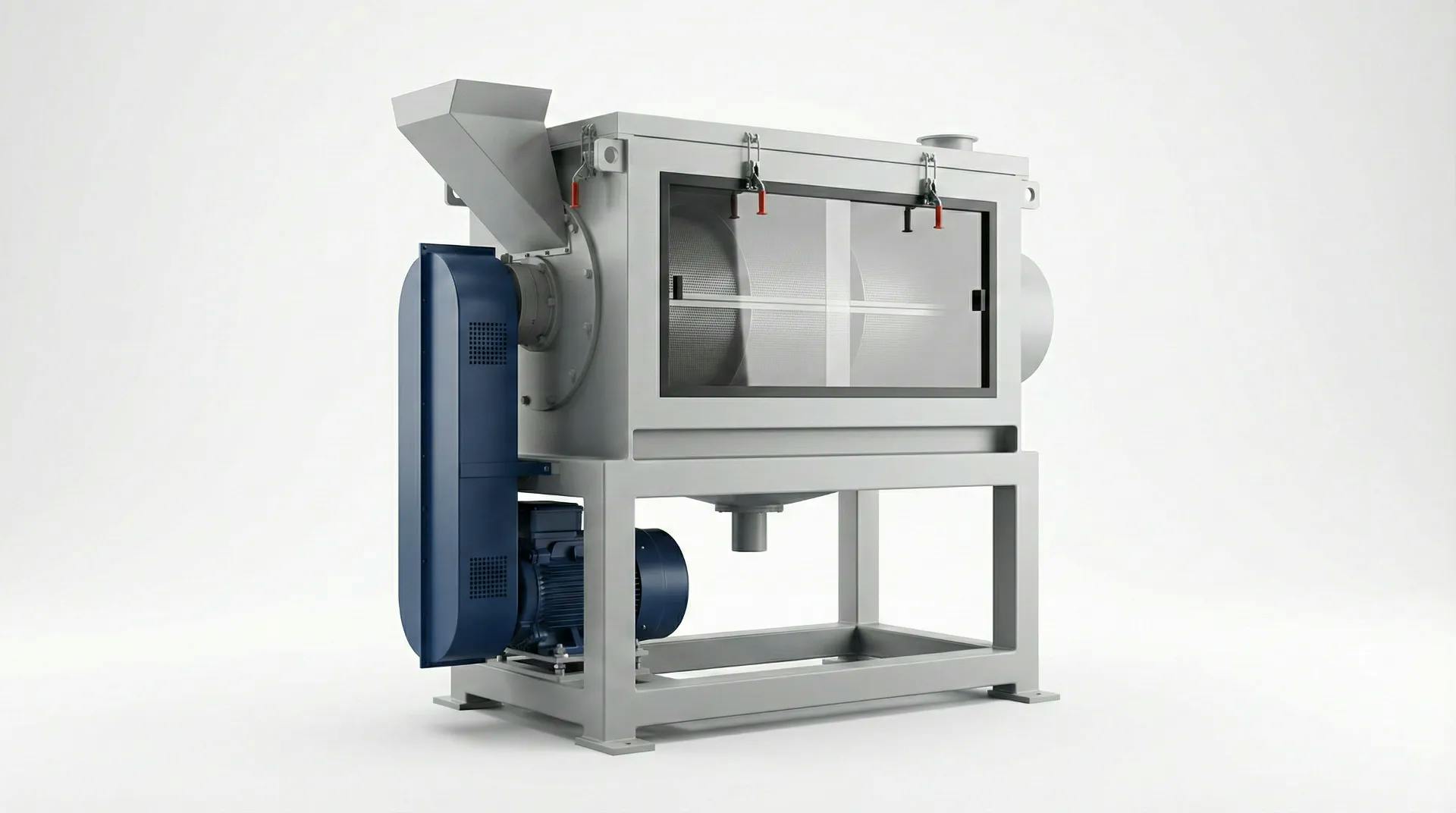
Rotor details, dewatered output, and machine structure for rigid plastic flake applications.
Watch the Machine in Operation
See how the dewatering stage fits between washing and final drying.
Perguntas frequentes
Key buying and application questions for centrifugal drying of rigid plastic flakes.
It is primarily designed for rigid plastic flakes such as PET bottle flakes and rigid HDPE or PP regrind. Soft PE or PP film usually calls for a different dewatering approach, such as a film squeezer.
For rigid flakes, outlet moisture is often around 2-3% under stable operating conditions. Actual performance depends on inlet moisture, flake size, rotor speed, screen specification, and maintenance condition.
Often yes. Centrifugal drying removes bulk free water efficiently, but many extrusion and high-spec applications still require a downstream thermal drying stage to reach lower final moisture targets.
The screen housing can be opened for cleaning, inspection, and replacement. Good screen condition is important for stable drainage and predictable outlet moisture.
Please share your material type, target throughput, typical flake size, inlet moisture, upstream washing stages, and whether a thermal dryer or extrusion system follows the machine.
Improve Dewatering Efficiency in Your Plastic Drying Line
Tell us your material, moisture target, throughput, and upstream or downstream equipment. We will recommend a suitable centrifugal dewatering model and line configuration.

Os comentários estão fechados.