

PET Bottle Label Remover Machine
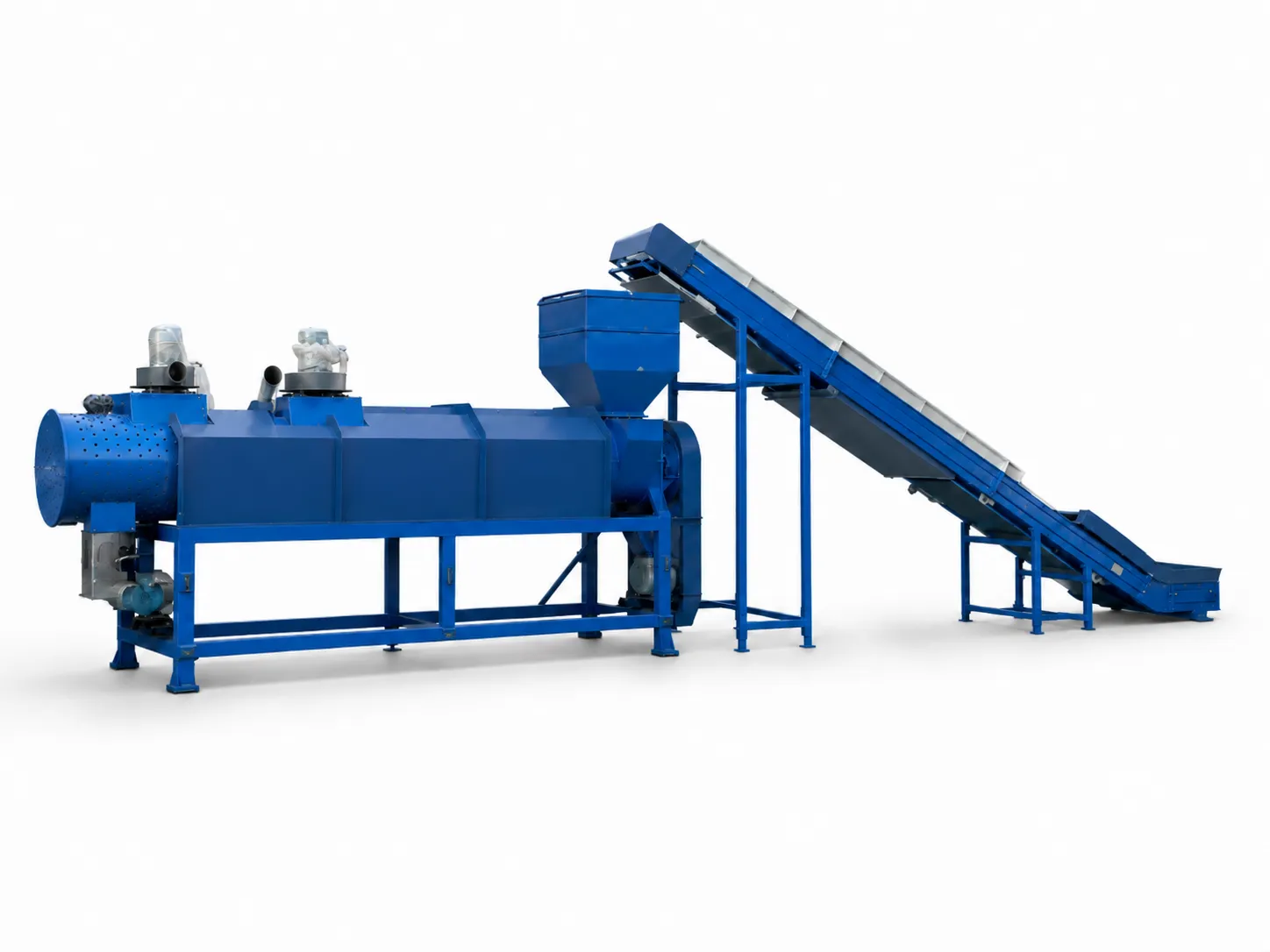
Industrial bottle de-labeling machines for PET, HDPE, and mixed rigid bottle recycling lines. Energycle supplies both dry rotary and wet stripping configurations to remove OPP wrap labels, PVC shrink sleeves, paper labels, and PS labels before crushing, washing, and sink-float separation.
Why Use a Bottle Label Remover
Removing labels before size reduction cuts contamination load, lowers wash demand, and improves downstream rPET flake quality. It also reduces the amount of paper, film, and adhesive that enters the crusher, friction washer, and sink-float tank.
95-98% Label Removal
Dry and wet models can remove OPP, PVC, OPS, paper, and PS labels with high efficiency when machine speed, blade condition, and bottle mix are properly matched.
Low Bottle Breakage
Optimized drum geometry, blade clearance, and residence time help keep bottles intact before granulation so more material value is preserved.
Dry or Wet Operation
Choose a dry rotary de-labeler for standard PET lines or a wet stripping machine when you want label removal and pre-washing in the same stage.
Higher Flake Purity
Cleaner bottle feed means less label carryover into the wet granulator, friction washer, and hot wash stages, improving final flake purity.
Lower Operating Cost
Early label separation reduces downstream contamination load, water treatment burden, and wear on later washing and separation equipment.
Clean Label Discharge
Detached sleeves, paper, and loose fragments are separated from the bottle stream so the next stage receives cleaner feedstock.
How the Dry Label Remover Works
A rotating drum, serrated knives, and controlled friction peel labels away from bottle surfaces with minimal bottle damage.
Steady Infeed
Loose bottles enter the inclined chamber from a conveyor or hopper at a controlled throughput.
Friction and Knife Action
Serrated alloy knives and internal baffles shear and loosen wraparound labels through repeated contact.
Label Discharge
Detached labels exit through dedicated openings while optional dust collection removes light fibers and fines.
Clean Bottle Output
De-labeled bottles move on to crushing, washing, and density separation with lower contamination load.
How the Wet Label Remover Works
The wet configuration strips labels and pre-washes bottles in one stage, helping soften paper labels and adhesive before the crusher.
Feed Entry
Loose or debaled bottles enter the chamber in a stable flow from the upstream conveying system.
Rotor Contact
Rotor blades and friction surfaces engage the bottles and start loosening labels from the body.
Wet Stripping
Water helps soften paper labels and glue while the rotor tears labels away and flushes off loose dirt.
Material Split
Detached labels and dirty water separate from the heavier bottle stream before the next process stage.
Feed Entry
Loose or debaled bottles enter the chamber in a stable flow from the upstream conveying system.
Rotor Contact
Rotor blades and friction surfaces engage the bottles and start loosening labels from the body.
Wet Stripping
Water helps soften paper labels and glue while the rotor tears labels away and flushes off loose dirt.
Material Split
Detached labels and dirty water separate from the heavier bottle stream before the next process stage.
Dry Label Remover vs Wet Label Remover
Choose the right machine according to label type, contamination level, water strategy, and downstream line configuration.
| Feature | Dry Rotary Model | Wet Stripping Model |
|---|---|---|
| De-Labeling Method | Serrated alloy knives plus friction baffles in a rotating drum | Rotor blades with integrated water spray |
| Label Removal Rate | 95-98% | 80-98%, commonly above 95% |
| Pre-Washing | ✗ Optional spray bars only | ✓ Built-in wet pre-wash |
| Adhesive Softening | Dry only, with optional warm spray assistance | Water helps soften glue and paper labels |
| Throughput | 1-4 t/h | 500-2,000 kg/h |
| Motor Power | 7.5-22 kW | Varies by model |
| Best For | Standard PET lines, shrink sleeve removal, and dry processing layouts | Paper labels, heavy adhesive, and lines that benefit from combined stripping and pre-washing |
| Bottle Breakage | Minimal with optimized blade clearance | Typically below 5% |
| Dust Extraction | ✓ Optional cyclone or collector | Not required because water captures fines |
Not sure which model suits your line? Contact our engineering team with your bottle type, label mix, and throughput target for a tailored recommendation.
Applications Across Bottle Recycling
Bottle de-labeling is a key pretreatment step for higher purity PET recycling, cleaner washing, and easier downstream density separation.
PET Bottle Recycling Lines
Remove body labels before crushing and washing to reduce carryover into later stages. This machine is a core part of our PET bottle recycling system.
Shrink Sleeve Removal
The dry rotary model is effective for PVC and OPS shrink sleeves often found on beverage, chemical, and cosmetics bottles.
rPET Flake Production
Cleaner bottle input improves flake quality for fiber, sheet, and bottle-grade PET recycling targets.
Downstream Washing Boost
Removing labels upstream helps the High-Speed Friction Washer focus on fine contaminants rather than bulk sleeve material.
Line Retrofits
Dry and wet machines can be integrated into existing PET recycling lines where manual removal is inconsistent or downstream label residue is still too high.
Technical Specifications
Typical configuration ranges for both dry and wet models. Final sizing depends on bottle shape, label type, contamination level, and required throughput.
| Parameter | Dry Rotary Model | Wet Stripping Model |
|---|---|---|
| Removal Rate | 95-98% depending on label condition | 80-98%, commonly above 95% |
| Throughput | 1-4 t/h, customizable | 500-2,000 kg/h |
| Motor Power | 7.5-22 kW | Model-dependent |
| Drum Length | 2-4 m | – |
| Drum Diameter | 800-1,200 mm | – |
| Blade Material | Replaceable serrated alloy blades | Serviceable hardened alloy steel |
| Operation Mode | Dry standard, optional spray bars | Wet stripping with integrated spray |
| Dust Extraction | Optional cyclone or collector | Not required |
| Bottle Breakage | Minimal | Typically below 5% |
| Blade Service | Replaceable knife inserts | Removable, sharpenable, replaceable |
| Certification | CE | |
| Warranty | 1 year, parts and labor | |
← Swipe to see full table →
Note: Custom drum sizes, motor configurations, blade layouts, and discharge arrangements are available for both models.
Video Demonstrations
Watch the dry rotary and wet stripping bottle label removers in operation.
Dry Rotary Label Remover
A dry de-labeling layout built for wraparound labels, shrink sleeves, and stable bottle throughput.
Wet Stripping Label Remover
A wet stripping process that combines label removal and bottle pre-washing before the crusher.
Label Remover Gallery
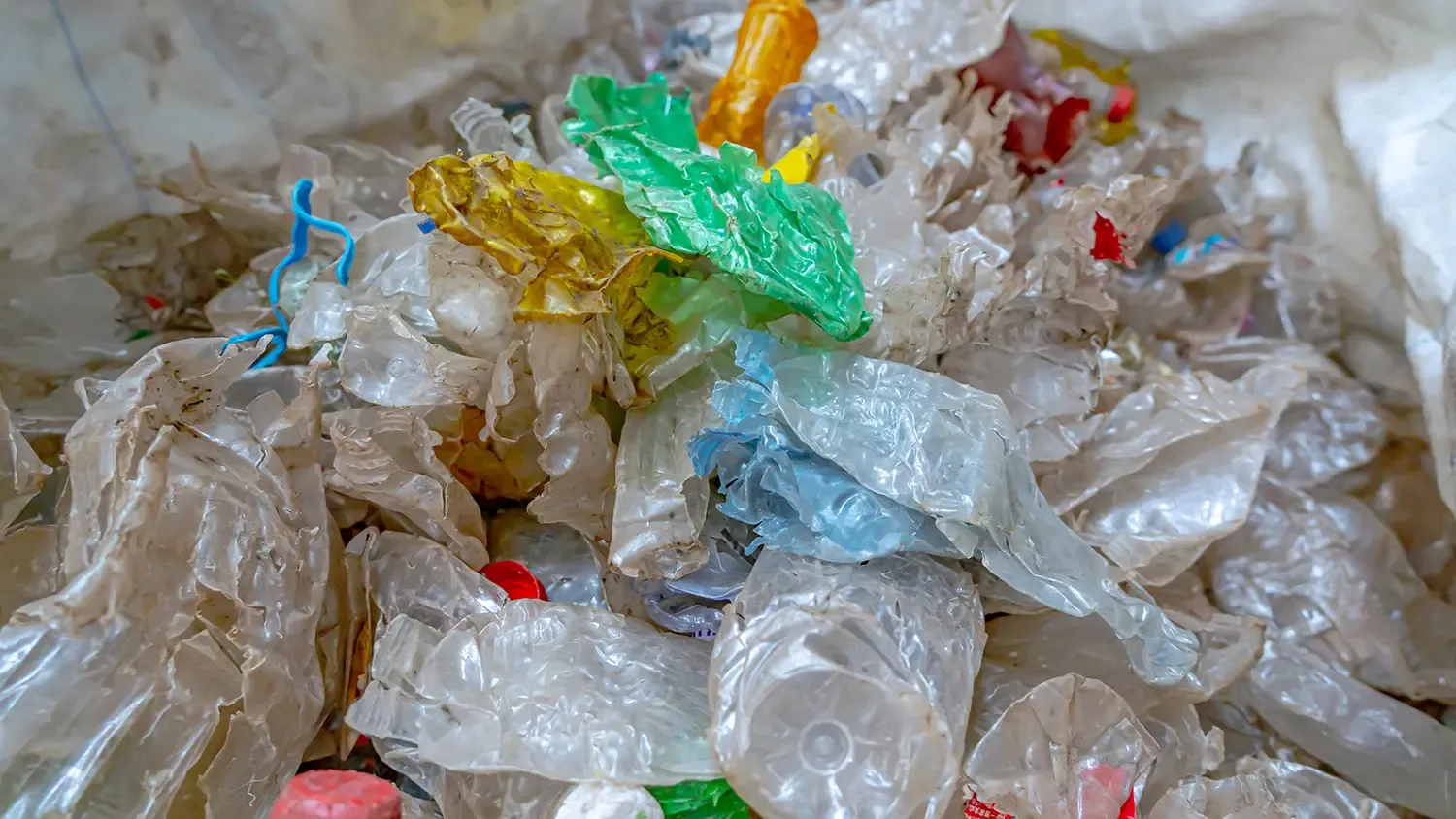
Clean bottles after de-labeling
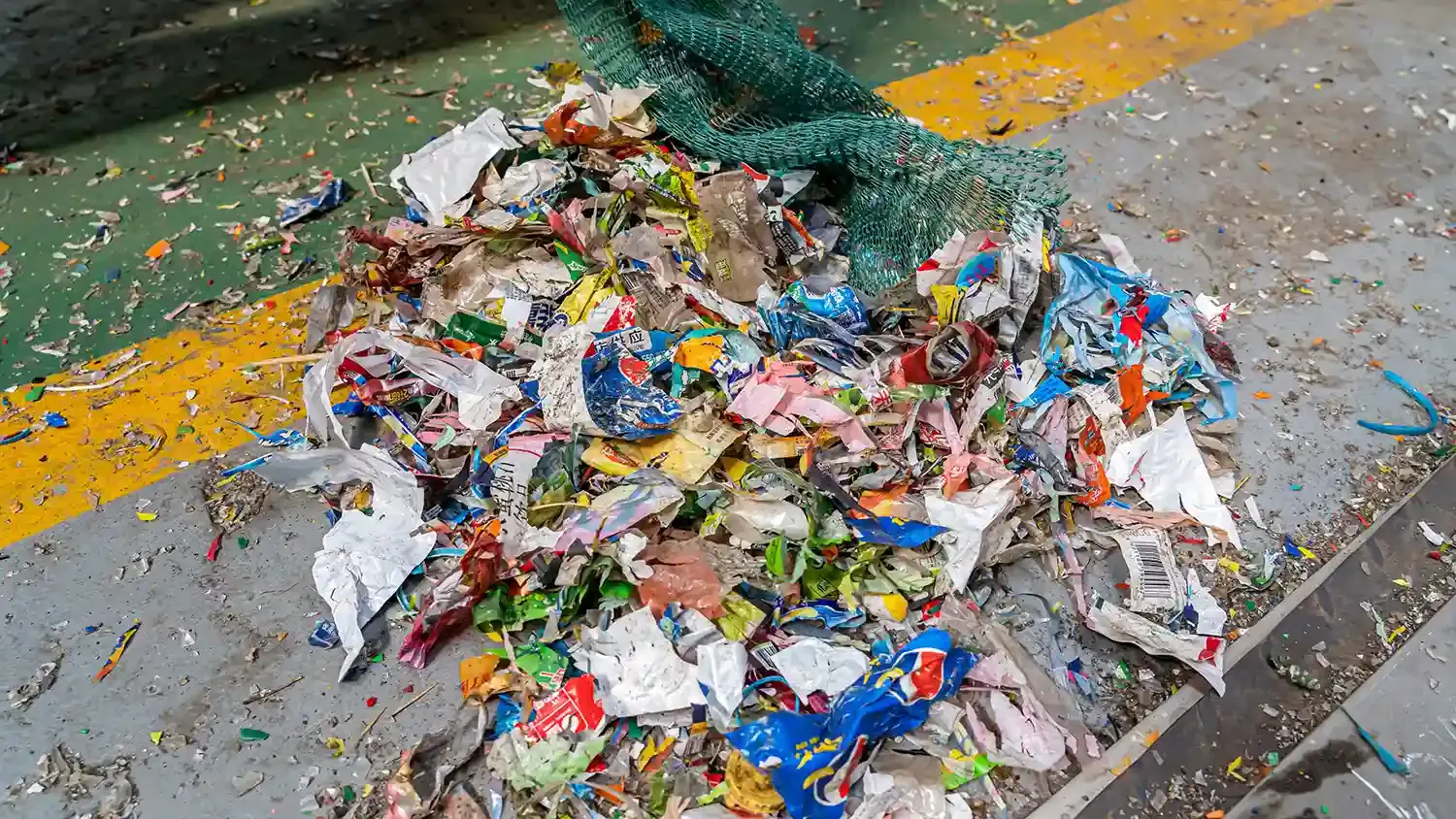
Separated label fragments at discharge
Warranty and Support
Every Energycle label remover includes commissioning support, operating guidance, and warranty coverage to help your line reach stable de-labeling performance quickly.
1-Year Limited Warranty
Coverage includes structural components, motors, controls, and major assemblies. Wear parts such as blades are supported separately according to operating condition and service plan.
Parts and LaborCommissioning Support
Energycle provides layout guidance, installation support, startup adjustment, and operator training so the machine is integrated correctly with the rest of the recycling line.
Training IncludedFrequently Asked Questions
Ready to Improve Bottle De-Labeling?
Tell us your bottle material, label type, contamination level, and target capacity. Our engineering team will recommend the right dry or wet configuration for your recycling line.
Comments are closed.