

Mașină de îndepărtare a etichetelor de pe sticlele PET
Măshini industriale de desigilare a sticlelor pentru reciclarea PET, HDPE și liniilor de reciclare a sticlelor rigide mixte. Energycle oferă atât configurații de desigilare uscată rotativă, cât și umedă, pentru a elimina etichetele din OPP, manșoanele de reducere PVC, etichetele de hârtie și etichetele PS înainte de zdrobire, spălare și separarea prin scufundare și flotare.
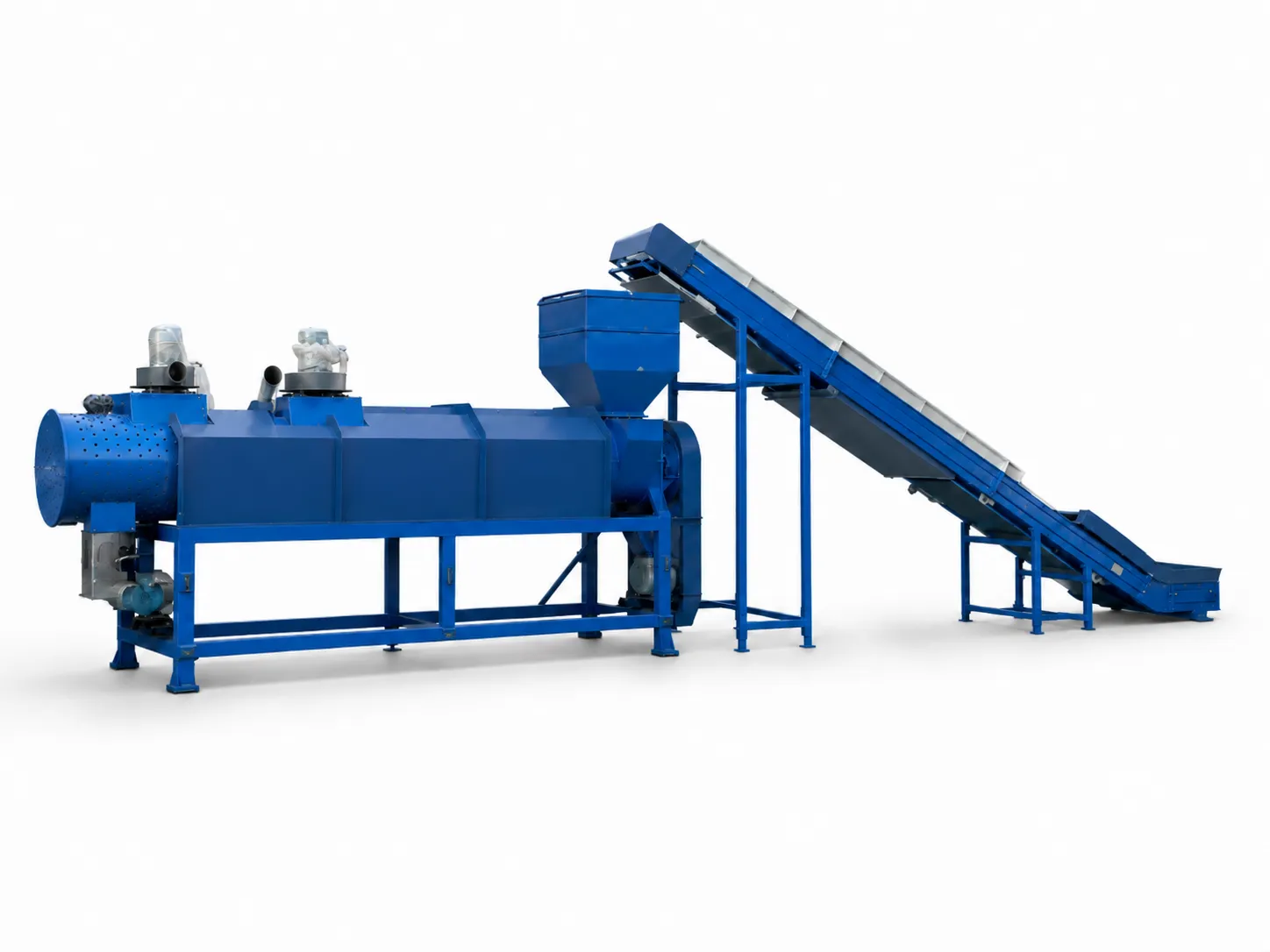
De ce să folosiți un dispozitiv de eliminare a etichetelor de sticle
Eliminarea etichetelor înainte de reducerea la dimensiuni scade încărcarea de contaminare, reduce cererea de spălare și îmbunătățește calitatea flăcărilor rPET la etapă ulterioară. De asemenea, reduce cantitatea de hârtie, film și adeziv care intră în zdrobitor, fricțiunea spălării și tanca de scufundare și flotare.
Eliminarea etichetelor 95-98%
Modelele uscate și umede pot elimina etichetele OPP, PVC, OPS, hârtie și PS cu eficiență ridicată atunci când viteza mașinii, starea lamei și amestecul sticlelor sunt potrivite.
Reducerea fracturilor sticlelor
Geometria optimizată a cilindrilor, spațiul între lame și timpul de staționare ajută la păstrarea sticlelor integrale înainte de granulare, astfel încât mai multă valoare materială să fie conservată.
Operație uscată sau umedă
Alegeți un desigilator rotativ uscat pentru liniile standard PET sau o mașină de desigilare umedă atunci când doriți eliminarea etichetelor și spălarea prealabilă în aceeași etapă.
Puritate superioară a fulgilor
Alimentarea sticlelor curate înseamnă mai puține etichete care rămân în granulatorul umed, fricțiunea spălării și etapele de spălare fierbinte, îmbunătățind puritatea finală a flăcărilor.
Costuri de operare mai mici
Separarea timpurie a etichetelor reduce încărcarea de contaminare la etapele ulterioare de spălare și separare, povara tratamentului apei și uzura pe echipamentele de spălare și separare ulterioare.
Eliberare curată a etichetelor
Manșoanele desprănjate, hârtia și fragmentele libere sunt separate de fluxul sticlelor, astfel încât următoarea etapă să primească materiile prime mai curate.
Cum funcționează Eliminatorul de Etichete Uscat
Un cilindru rotativ, lame cu dinți și fricțiune controlată desprind etichetele de pe suprafețele sticlelor cu minimă deteriorare a sticlelor.
Intrare stabilă
Sticlele libere intră în camera înclinită dintr-un transportor sau hoper la un debit controlat.
Acțiunea de fricțiune și lamațiunii
Lamele din aliaj cu dinți și baffle interne tăie și eliberează etichetele înfășurate prin contact repetat.
Eliberarea etichetelor
Etichetele desprăjate ies prin deschideri dedicate, în timp ce colectarea prafului opțional elimină firele ușoare și finurile.
Ieșire curată a sticlelor
Sticlele fără etichete trec la zdrobire, spălare și separarea prin densitate cu o încărcare de contaminare mai mică.
Cum funcționează Eliminatorul de Etichete Umed
Configurația umedă desprinde etichetele și spală sticlele într-o singură etapă, ajutând la moaie hârtia și adezivul înainte de zdrobire.
Introducerea fluxului
Sticlele libere sau desprăjate intră în camera dintr-un flux stabil din sistemul de transport superior.
Contactul rotorului
Bladele rotative și suprafețele de frecare se angajează cu sticlele și încep să desprindă etichetele de pe corpul acestora.
Decapare umedă
Apa ajută la moașarea etichetelor de hârtie și a lipiciului, în timp ce rotorul desprinde etichetele și curăță murdăria liberă.
Împărțirea materialului
Etichetele desprinde și apa murdară se separă de fluxul mai greu de sticle înainte de următorul stadiu de procesare.
Introducerea fluxului
Sticlele libere sau desprăjate intră în camera dintr-un flux stabil din sistemul de transport superior.
Contactul rotorului
Bladele rotative și suprafețele de frecare se angajează cu sticlele și încep să desprindă etichetele de pe corpul acestora.
Decapare umedă
Apa ajută la moașarea etichetelor de hârtie și a lipiciului, în timp ce rotorul desprinde etichetele și curăță murdăria liberă.
Împărțirea materialului
Etichetele desprinde și apa murdară se separă de fluxul mai greu de sticle înainte de următorul stadiu de procesare.
Eliminator de etichete uscat vs Eliminator de etichete umed
Alege mașina potrivită în funcție de tipul etichetei, nivelul de contaminare, strategia de apă și configurația liniei de procesare ulterioară.
| Caracteristici | Modelul Rotativ Uscat | Modelul de Străpungere Umedă |
|---|---|---|
| Metoda de Eliminare a Etichetelor | Foarfece din aliaj filetat și baffle de frecare într-un cilindru rotativ | Bladele rotative cu stropire integrată a apei |
| Rată de eliminare a etichetelor | 95-98% | 80-98%, deasupra de 95% |
| Spălare preliminară | ✗ Baruri de stropire opționale doar | ✓ Spălare prealabilă umedă integrată |
| Moașarea lipiciului | Doar uscat, cu asistență opțională prin stropire caldă | Apa ajută la moașarea lipiciului și a etichetelor de hârtie |
| Capacitate | 1-4 t/h | 500-2,000 kg/h |
| Putere motor | 7.5-22 kW | Variază după model |
| Cel mai bun pentru | Linii standard PET, îndepărtarea manșoanelor de comprimare și aranjamente de procesare uscat | Etichete de hârtie, lipici greu și linii care beneficiază de desprindere combinată și spălare prealabilă |
| Ruperea sticlelor | Minimală cu claritate optimizată a foarfecilor | De obicei sub 5% |
| Extracția prafului | ✓ Ciclone sau colectoare opționale | Nu este necesar deoarece apa capturează particulele fine |
Nu sunteți sigur care model se potrivește liniei dvs.? Contactați echipa noastră de inginerie cu tipul de sticlă, mixul de etichete și ținta de capacitate de procesare pentru o recomandare personalizată.
Aplicații în reciclarea sticlelor
De-etichetare a sticlei este o etapă de pre-tratament cheie pentru reciclarea PET de înaltă puritate, spălare mai curată și separarea mai ușoară a densității în etapele ulterioare.
Linii de reciclare a sticlelor PET
Eliminați etichetele de pe corp înainte de zdrobire și spălare pentru a reduce transferul în etapele ulterioare. Această mașină face parte din sistem de reciclare a sticlelor din PET.
Eliminarea manșoanelor
Modelul rotativ uscat este eficient pentru manșoanele de etichetare PVC și OPS întâlnite adesea pe sticle de băuturi, chimice și cosmetice.
Producția de fulgi de rPET
Un input de sticlă mai curat îmbunătățește calitatea flăcărilor pentru reciclarea PET în fibru, plăci și sticle.
Îmbunătățirea spălării ulterioare
Eliminarea etichetelor în stadiul inițial ajută la Mașină de spălat cu frecare de mare viteză concentrarea asupra contaminanților fini în loc de materialul manșonului în masă.
Modernizări de linie
Mașinile uscate și umede pot fi integrate în linii de reciclare PET existente unde eliminarea manuală este inconstanță sau rămășiurile etichetelor în etapele ulterioare sunt încă prea mari.
Specificații tehnice
Configurații tipice pentru ambele modele. Dimensiunea finală depinde de forma sticlei, tipul etichetei, nivelul de contaminare și capacitatea necesară.
| Parametru | Modelul Rotativ Uscat | Modelul de Străpungere Umedă |
|---|---|---|
| Rata de eliminare | 95-98% în funcție de starea etichetei | 80-98%, deasupra de 95% |
| Capacitate | 1-4 t/h, personalizabil | 500-2,000 kg/h |
| Putere motor | 7.5-22 kW | Specific modelului |
| Lungimea tamburului | 2-4 m | – |
| Diametru tambur | 800-1,200 mm | – |
| Materialul lamei | Blade din oțel inoxidabil cu dantelă schimbabil | Oțel inoxidabil hard, serviceabil |
| Mod de funcționare | Standard uscat, bare de stropire opționale | Stripping umed cu stropire integrată |
| Extracția prafului | Ciclone sau colectoare opționale | Nu este necesar |
| Ruperea sticlelor | Minim | De obicei sub 5% |
| Serviciu pentru lame | Inserte de lamă schimbabile | Removibile, afilabile, schimbabile |
| Certificare | CE | |
| Garanție | 1 an, piese și muncă | |
← Glisați pentru a vedea tabelul complet →
Nota: Dimensiuni de cilindru personalizate, configurații de motor, așezări de lame și aranjamente de evacuare sunt disponibile pentru ambele modele.
Demonstrații video
Vizionați mașinile de eliminare a etichetelor rotative uscate și procesul de stripping umed în funcțiune.
Eliminator de etichete rotativ uscat
O configurație de de-etichetare uscată construită pentru etichetele de înveliș, manșoanele de etichetare și capacitatea de procesare a sticlei stabilă.
Eliminator de etichete de stripping umed
Un proces de stripping umed care combină eliminarea etichetelor și spălarea prealabilă a sticlei înainte de zdrobitor.
Galerie Eliminator de etichete
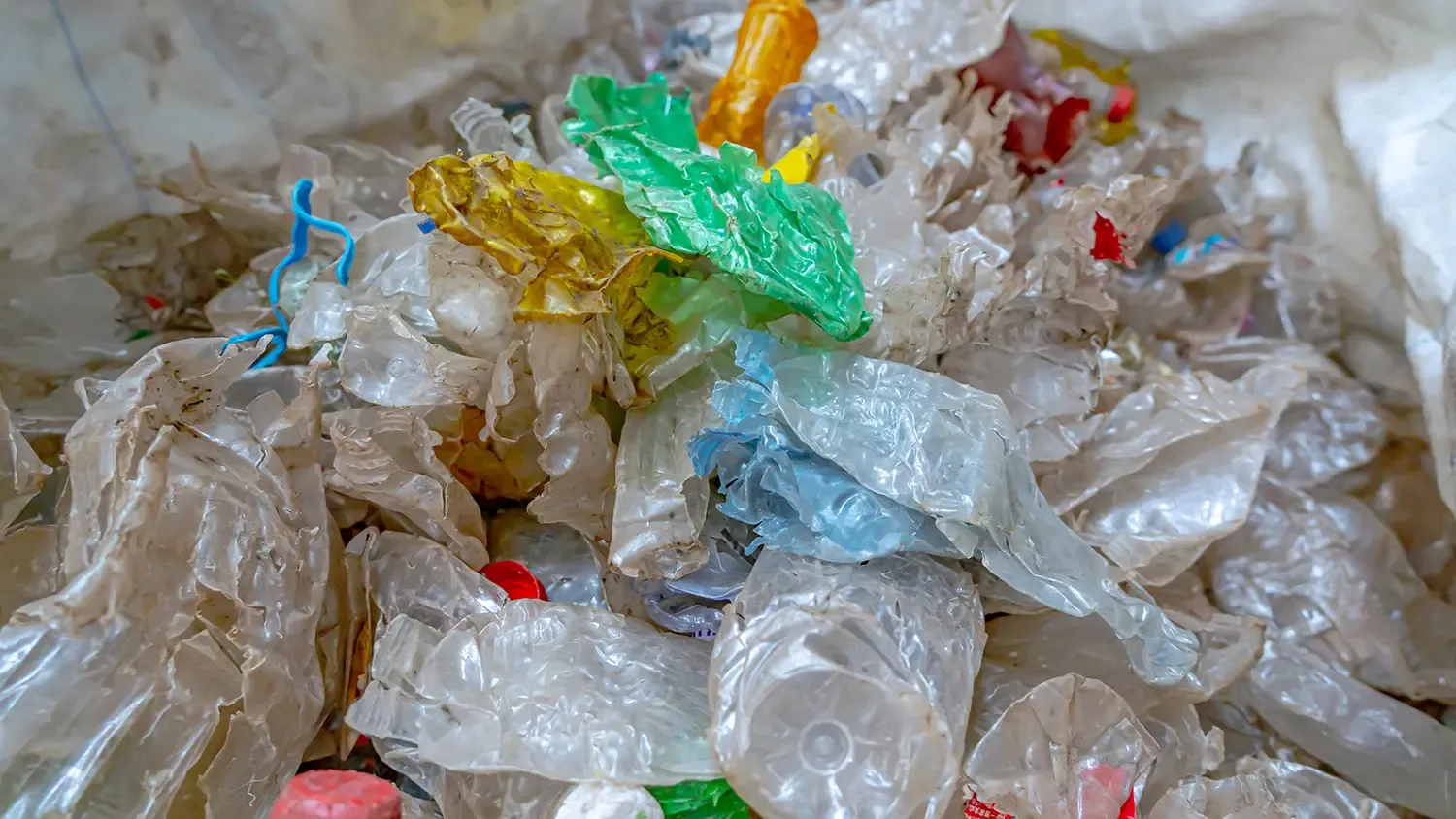
Curățați sticlele după deetichetare
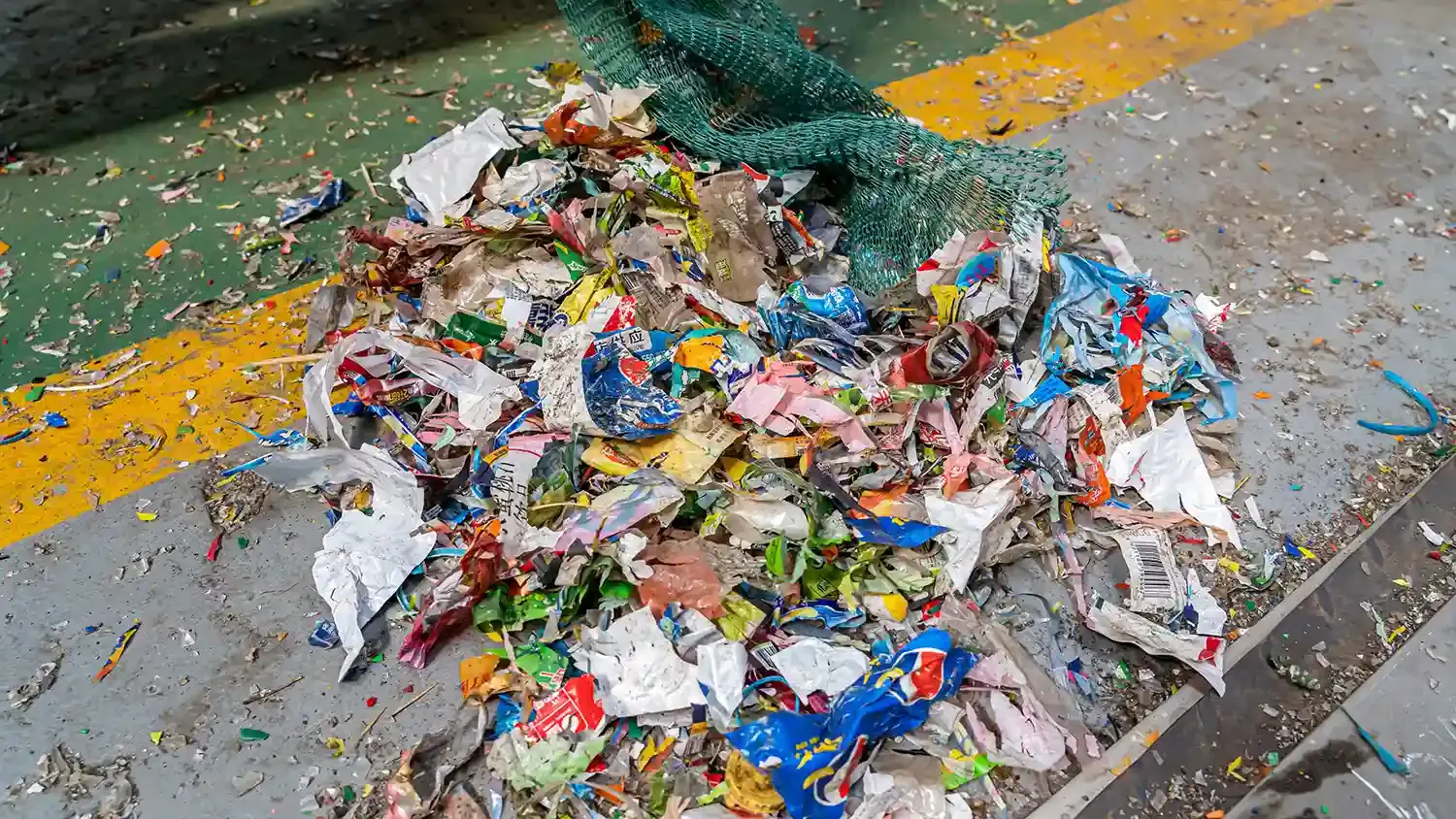
Fragmente de etichete separate la descărcare
Garanție și asistență
Fiecare eliminator de etichete Energycle include suportul de punere în funcțiune, ghidul de operare și acoperirea garanției pentru a ajuta linia să atingă performanța de de-etichetare stabilă rapid.
Garanție limitată de 1 an
Acoperirea include componente structurale, motoare, controluri și asamblări majore. Părțile de uzură, cum ar fi lamele, sunt sprijinite separat în funcție de condițiile de funcționare și planul de service.
Părți și muncăAsistență la punerea în funcțiune
Energycle oferă ghidare de amplasament, suport de instalare, ajustare de lansare și formare a operatorilor pentru ca mașina să fie integrată corect cu restul liniei de reciclare.
Formare inclusăÎntrebări frecvente
Gata să îmbunătățiți de-etichetarea butoaielor?
Spuneți-ne materialul butoaielor dvs., tipul etichetei, nivelul de contaminare și capacitatea țintă. Echipa noastră de ingineri vă va recomanda configurația uscată sau umedă potrivită pentru linia dvs. de reciclare.
Comentariile sunt închise.