

Integrated Rubber Recovery Systems
Tire Recycling Machine, Equipment & Line
Turn end-of-life tires into high-purity crumb rubber with automated steel and fiber separation for stable output, safer operation, and lower energy per ton. As a tire recycling equipment manufacturer, we build machinery for recycling operators, MRFs, and rubber processors who need consistent results — from passenger and truck tires to mining and OTR tires.
How the Tire Recycling Line Works
Advanced multi-stage processing for stable recovery, high purity, and controlled particle size. Each piece of tire recycling machinery in the line is synchronized through a central control system, so the equipment runs as one continuous process rather than disconnected machines.
Primary Shredding
Twin-shaft, high-torque shredding reduces tires to 50-150 mm strips.
Steel Removal
Overband magnetic separation removes liberated steel automatically.
Granulation
Rasper and granulator reduce shreds to chips and granules.
Fiber Separation
Air classification removes textile fiber from the rubber stream.
Precision Grading
Classifier and screening maintain consistent 30-120 mesh powder.
Packaging
PLC-controlled packaging measures and bags final product.
Key Benefits for Operators
Why industry leaders choose this integrated tire recycling line for stable, high-value output.
High-Purity Output
Magnetic and air classification systems reduce steel and textile contamination for clean, market-ready crumb rubber that commands higher prices.
Smart Automation
Line-level control stabilizes throughput, simplifies operation, and significantly reduces the need for manual intervention.
Energy Efficient
Optimized drives and tuned process flow reduce specific energy consumption per ton without sacrificing output capacity.
Modular and Scalable
The design allows you to add capacity and optional modules as your business grows without rebuilding the entire line architecture.
Safe and Compliant
Built around operator safety, integrated dust control, and strict environmental compliance requirements for modern industrial sites.
Lower OPEX
Wear-optimized components and a service-friendly design reduce unplanned downtime and long-term maintenance costs.
From Pain Points to Performance
Address the most common challenges in tire recycling with one integrated, proven solution.
Legacy Limitations
- Inconsistent quality and contamination
- High energy consumption per ton
- Frequent unplanned downtime due to jams
Energycle Advantage
- Closed-loop classification for high purity
- Tuned material flow for power optimization
- Load-aware control prevents jamming
Line Showcase Video
See the full recycling line in action through shredding, separation, and fine milling stages.
Applications & Market Value
High-value commercial uses for your recycled rubber granules and powder.
Modified Asphalt
Improve elasticity, durability, and rutting resistance in asphalt rubber paving systems.
InfrastructureSports Surfaces
Consistent granules for track surfacing and artificial turf infill.
LeisureIndustrial Goods
Supply mats, anti-vibration pads, gaskets, and molded goods.
Tire Manufacturing
Use reclaimed rubber in new tire compounds and specialty mixes.
Construction
Support membranes, acoustic panels, and architectural products.
Energy Recovery
Prepare feedstock for pyrolysis, carbon black, and TDF apps.
Key Core Components
Heavy-duty machinery designed to work as a single, coordinated unit.
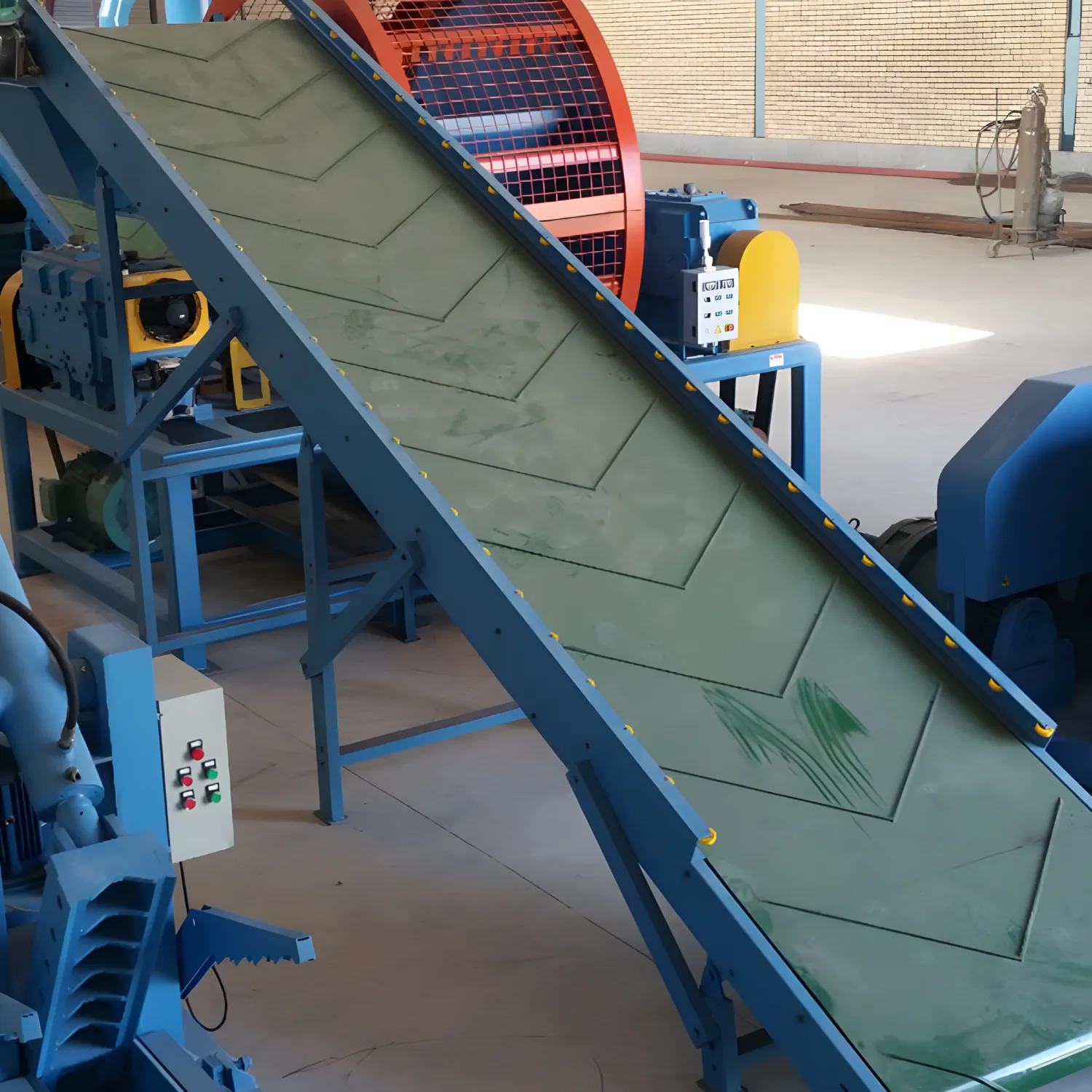
Belt Conveyor
Transfers tires and granules between stages with stable, continuous feed.
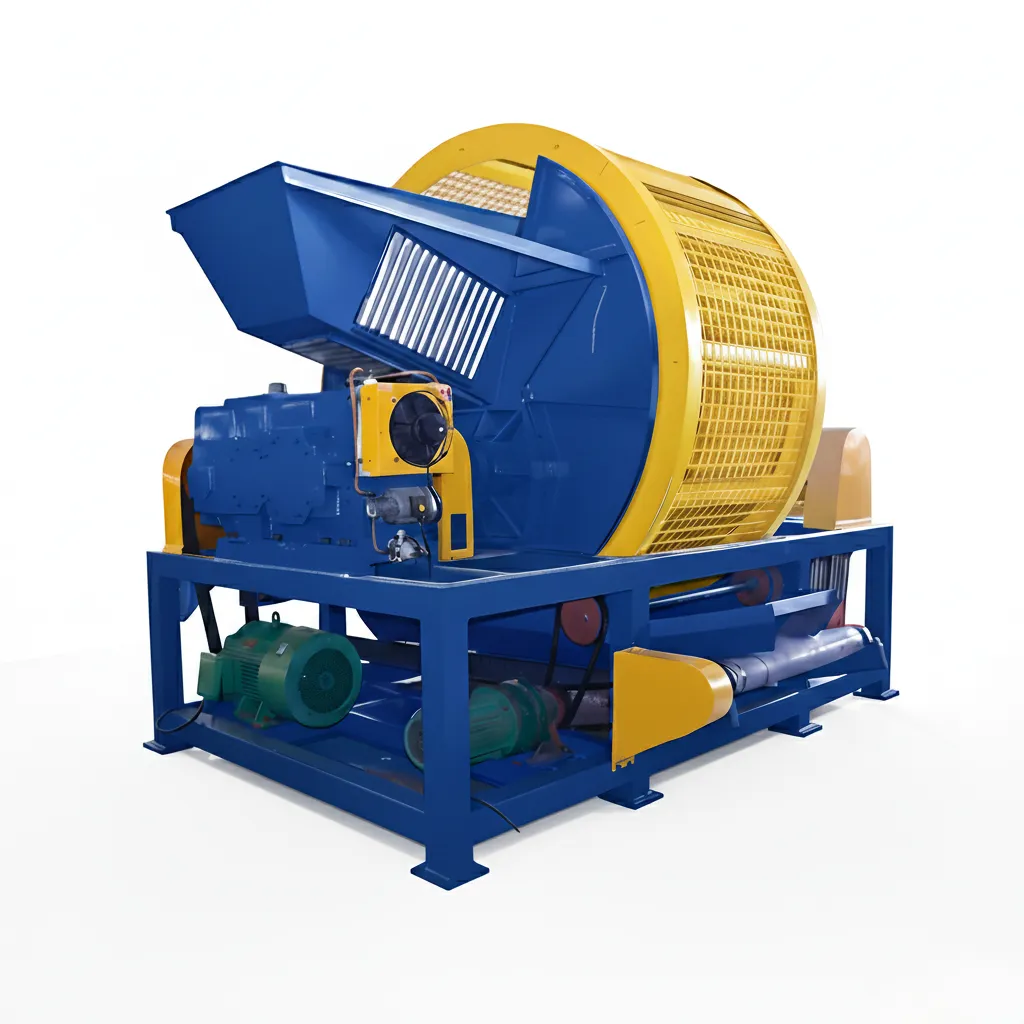
Tire Shredder
Twin-shaft, high-torque primary reduction for whole or debeaded tires.
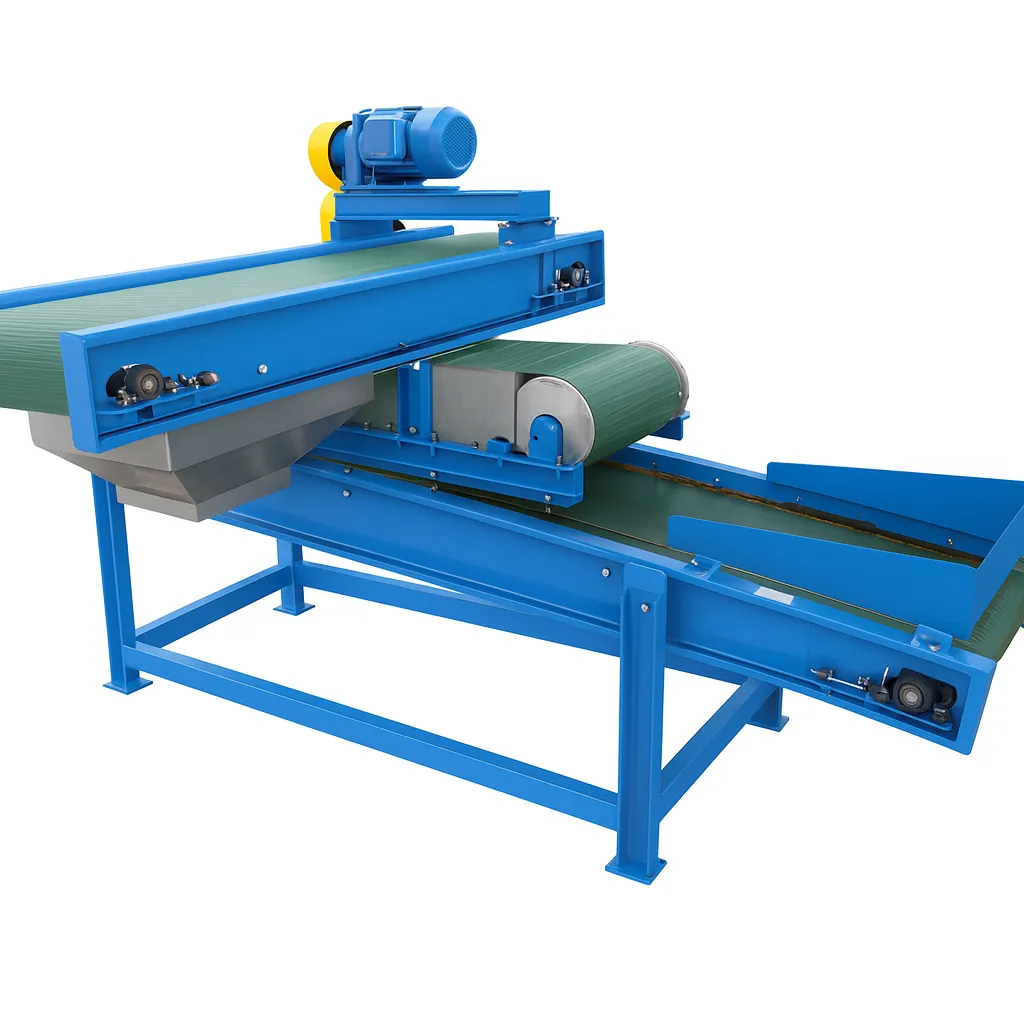
Magnetic Separator
Lifts and removes ferrous wire automatically to protect downstream mills.
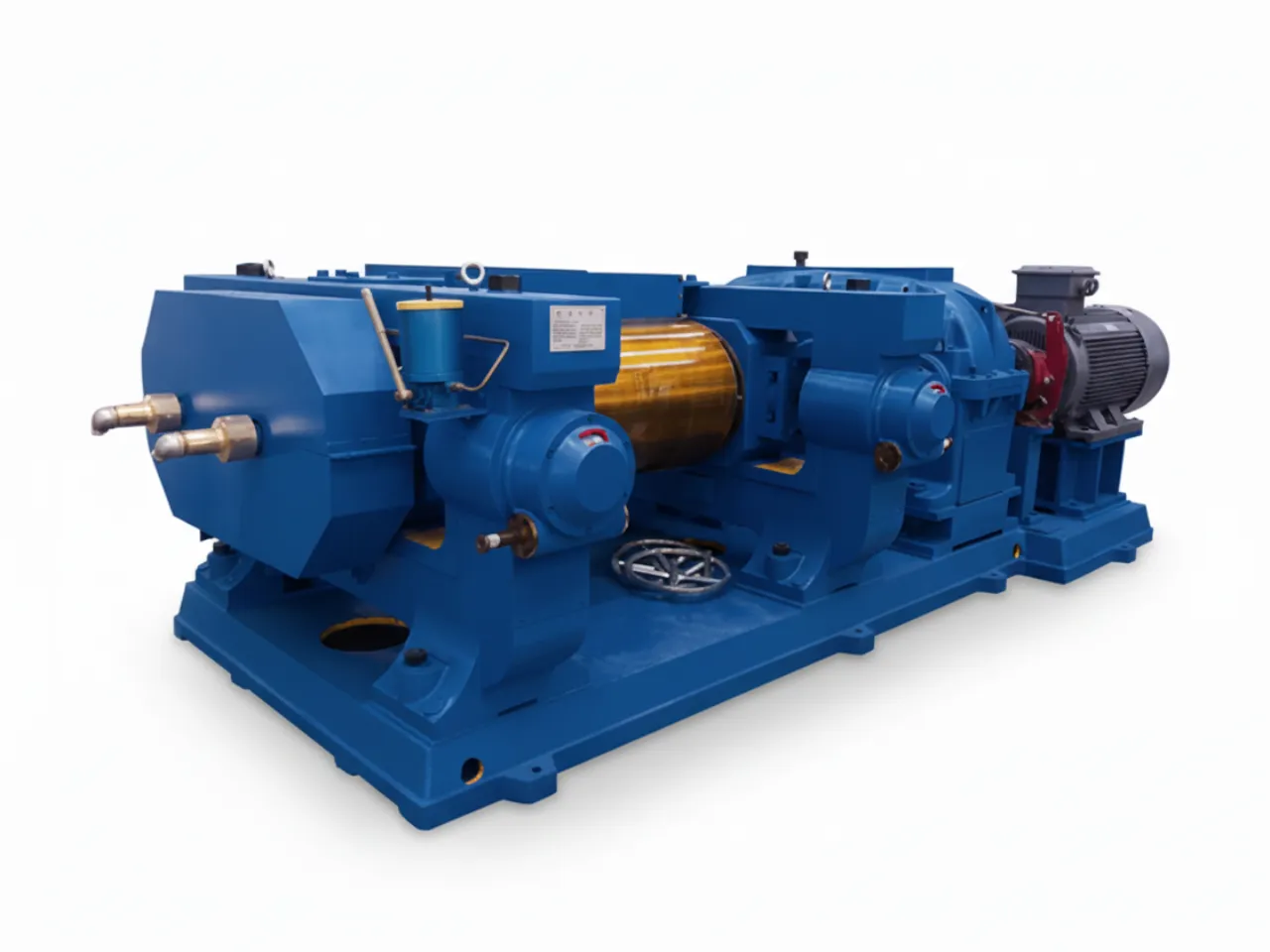
Rubber Grinder
Applies heavy shearing to break shreds into stable granule sizes.
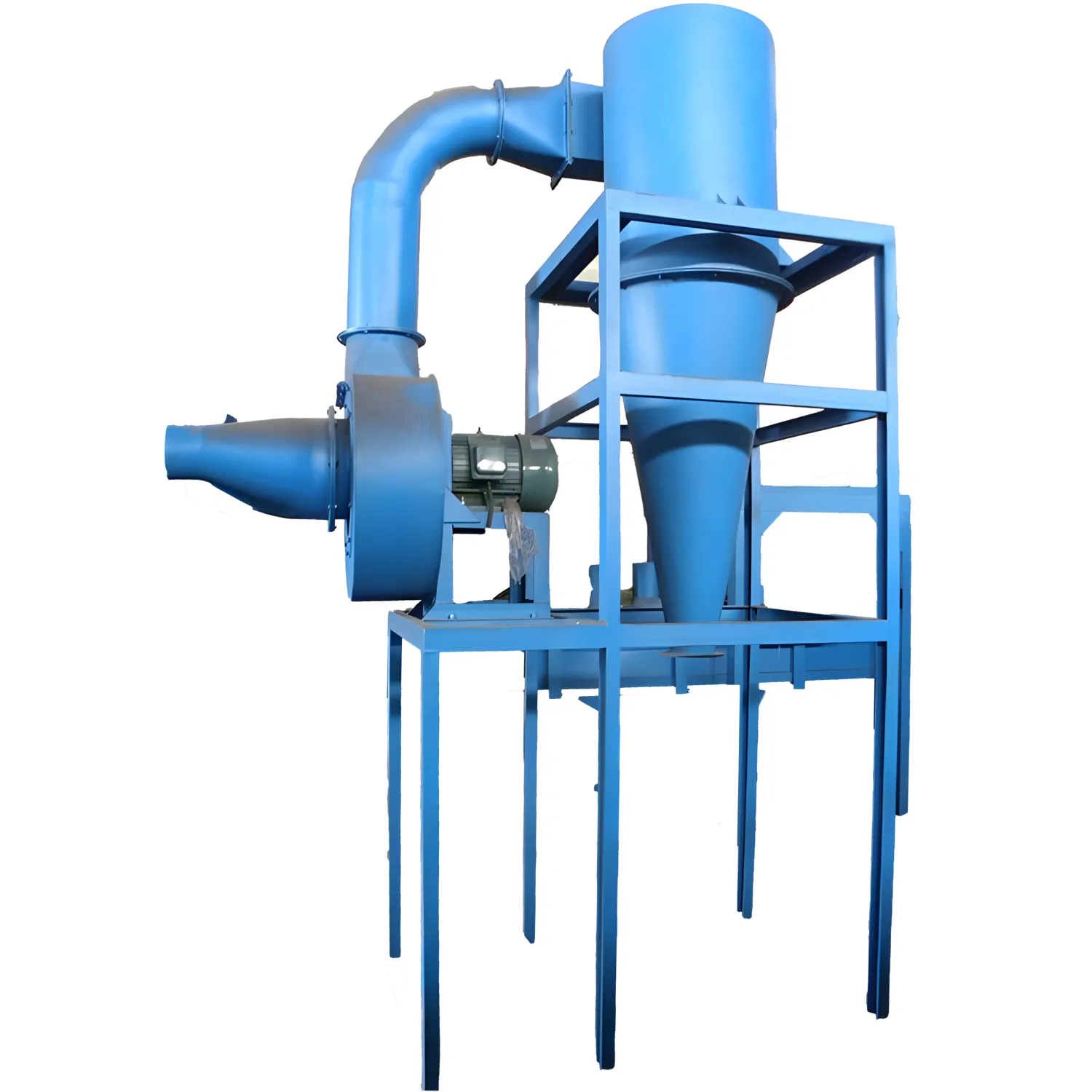
Fiber Separator
Removes textile and nylon fiber from rubber granules via controlled airflow.
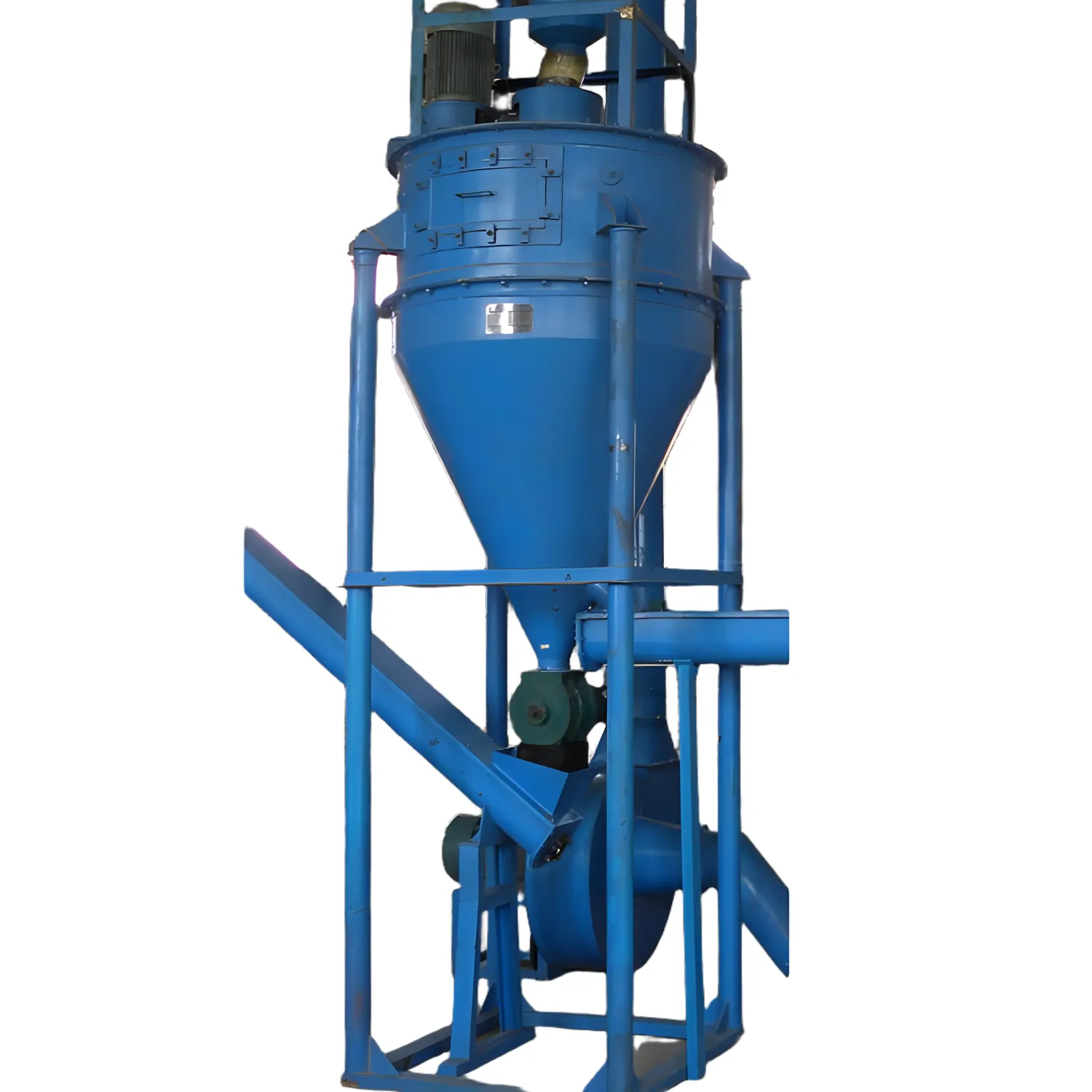
Rubber Powder Grader
Sorts powder by size through airflow and a high-speed classifier wheel.
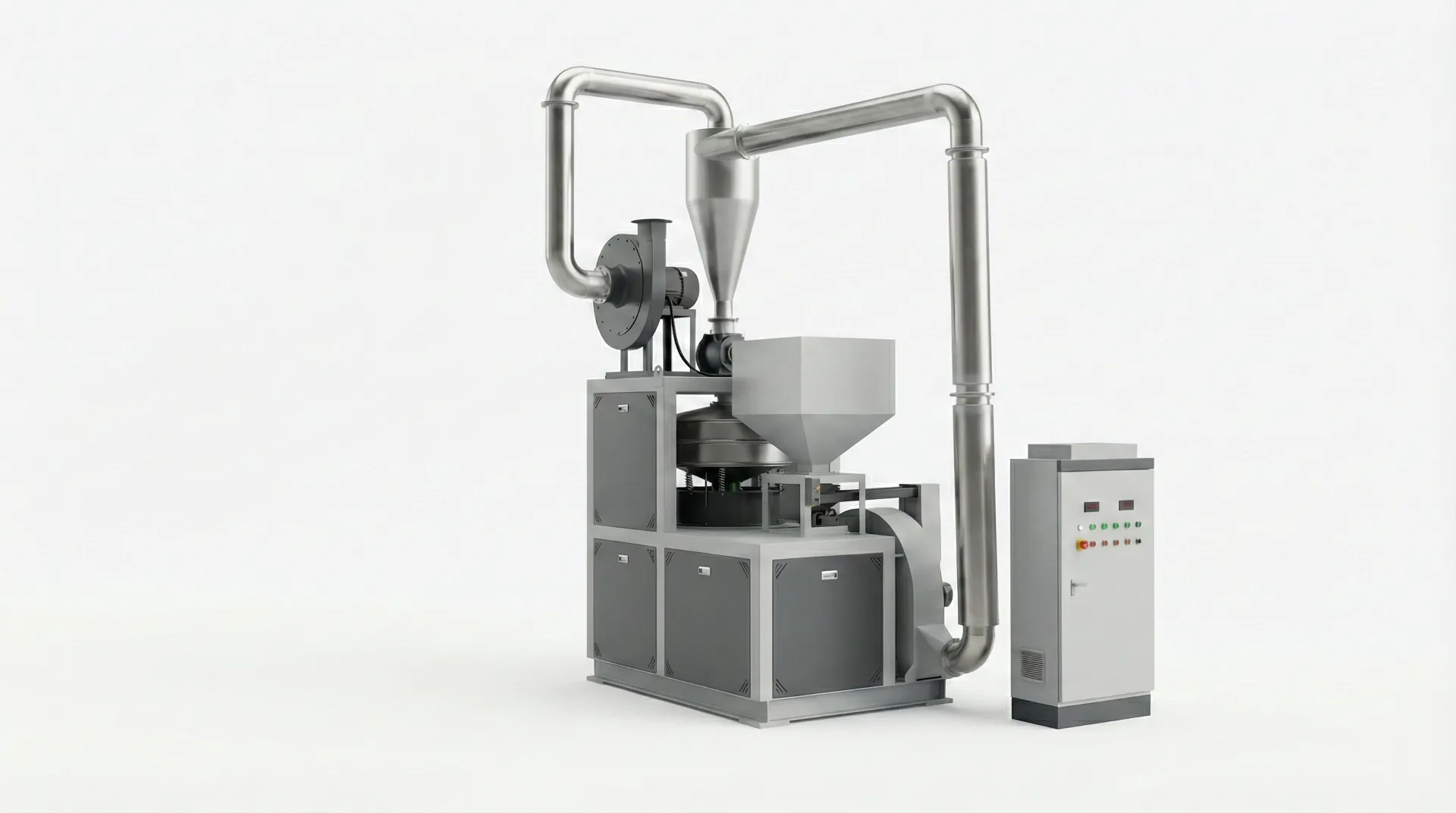
Superfine Miller
Produces 80-200 mesh powder from clean, pre-sized rubber feed.
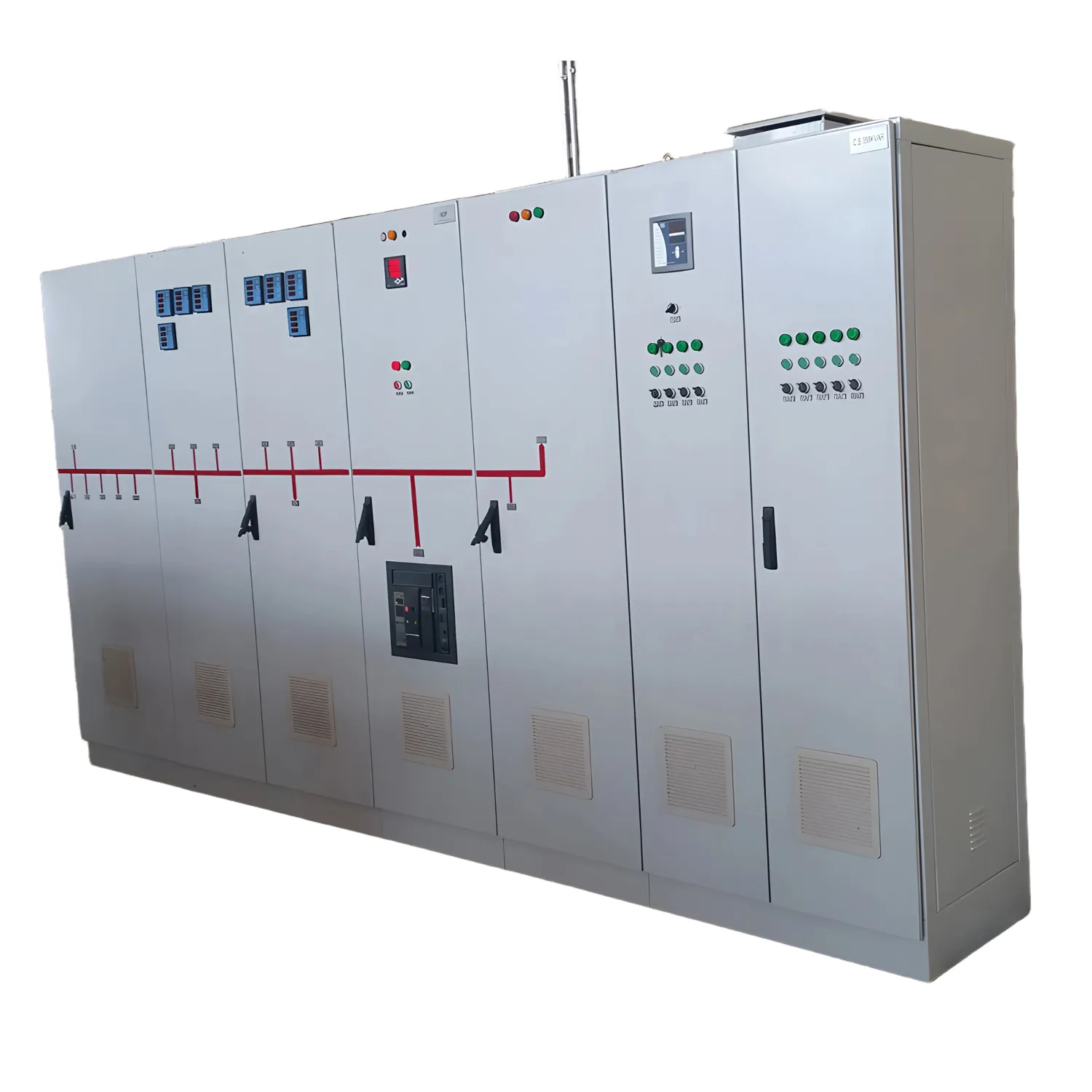
PLC Control System
Centralized monitoring for the full line with safety interlocks.
Why Our Integrated Line Stands Out
Compare the Energycle approach to tire recycling equipment with traditional machine-by-machine setups, where mismatched machinery often limits throughput and purity.
| Capability | Integrated Line | Traditional Setup |
|---|---|---|
| Product Purity | High (steel/textile minimized) | Variable |
| Automation | Line-level control and monitoring | Machine-by-machine |
| Uptime | Anti-jam and predictive monitoring | Higher jam risk |
| Efficiency | Optimized drives and process tuning | Lower energy efficiency |
| Scalability | Modular upgrades ready | Limited |
Swipe horizontally to view the full table.
Technical Specifications
Select the system configuration that matches your target capacity and output requirements.
| Model | Capacity (t/h) | Input Size | Output Size | Power (Line) | Footprint |
|---|---|---|---|---|---|
| TRM-S | 0.5 – 1.0 | ≤ 1200 mm | 10-30 mm / 30-120 mesh | 180-220 kW | 22×12×6 m |
| TRM-M | 1.0 – 2.0 | ≤ 1200 mm | 10-30 mm / 30-120 mesh | 260-320 kW | 28×14×7 m |
| TRM-L | 2.0 – 4.0 | ≤ 1600 mm | 10-30 mm / 30-120 mesh | 420-520 kW | 36×18×8 m |
Swipe horizontally to view the full table.
Verified Results
What operators are saying about the stability and quality of our recycling lines.
The line has delivered consistent crumb quality and cut our rework to near zero. Overall throughput is up 28% since switching.
Smart automation and anti-jam design reduced downtime sharply. Maintenance windows are shorter and easier to schedule.
Energy per ton is down double digits compared with our legacy line, and the product purity is significantly higher.
Related Tire Recycling Equipment
Standalone machines to support your pre-treatment and fine-grinding requirements.
Tire Shredder
Heavy-duty primary reduction for whole tires and rubber sections.
Rubber Pulverizing Grinder
Fine milling down to 80-200 mesh for high-value rubber powder production.

Waste Tire Cutting Machine
Sectioning tires into smaller blocks to ease the primary shredding load.
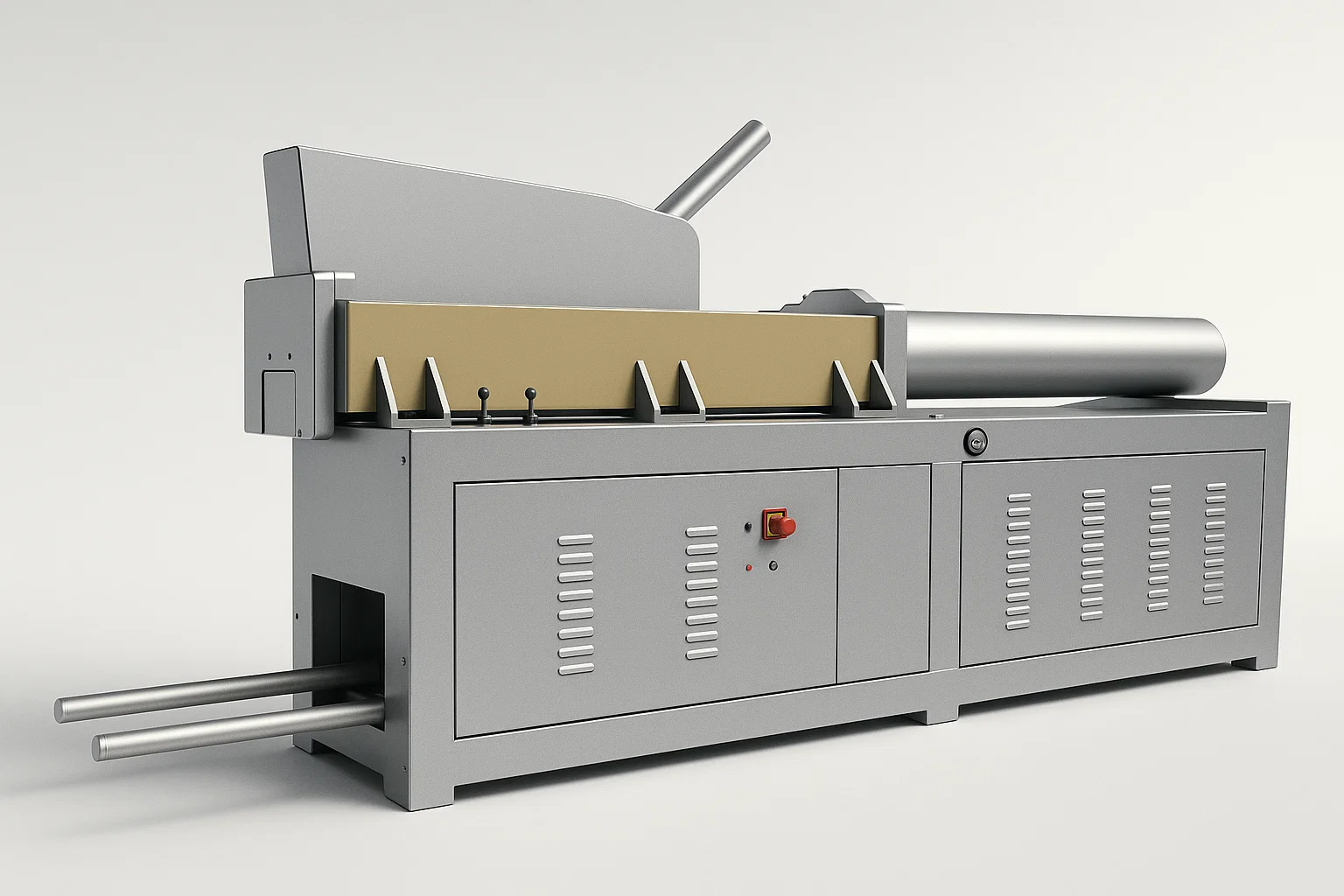
Single Hook Tire Wire Debeader
Protect your shredder blades by removing steel beads before processing.
Tire Recycling Guides & Resources
In-depth articles covering process selection, output specs, market grades, and operational details.
Complete Buyer’s Guide: Types, Process & ROI
Tire recycling machine types compared with throughput, ROI calculation, and selection criteria.
How to Start a Tire Recycling Business
Tipping fees, permits, investment tiers from $80K, revenue streams, and realistic ROI timelines.
Markets: TDF vs TDA vs CRM Specs
Tire-derived fuel, tire-derived aggregate, and crumb rubber market specifications side by side.
Waste Tire Granulators: How They Work
Granulator working principle and how to specify output mesh size for downstream value.
Steel Wire Separation & Clean Crumb Rubber
Granulator and separator configurations for clean, wire-free crumb rubber output.
Why the Sidewall Is Cut First
The pre-cutting step explained — why sidewall removal protects shredder blades and improves throughput.
Tire Recycling Line: Trial Run Walkthrough
Trial run video and commissioning notes from a complete tire recycling line installation.
Frequently Asked Questions
Common questions regarding line selection, capacity, and material output.
A tire recycling machine is an integrated system that processes scrap tires into crumb rubber while automatically separating steel and textile for high-purity output.
The line combines multi-stage size reduction, magnetic steel separation, air fiber removal, and fine grading to deliver controlled particle sizes.
Car, truck, and OTR tires can be processed when the line is matched to the feedstock size and desired output specification.
Yes. Every line includes safety interlocks, centralized control, and equipment protection to support stable and safe operation.
Consumption depends on material type and output size. We use optimized drives and process tuning to keep kWh per ton as low as possible.
Contact Energycle directly with your throughput targets and tire sizes for a standard or custom line configuration.
Equipment cost depends on capacity and the target output grade — a simple chip line costs far less than a full crumb-rubber or fine-powder line with granulation, fiber separation, and milling. On top of equipment, budget for civil works, electrical incoming, dust extraction, customs duty, and operator training. Because the variables differ by project and region, send your target capacity and output grade and we will prepare a specific quotation.
Size capacity from your annual feedstock tonnage and run hours: divide annual tons by your working days and production hours per day, then add headroom for downtime. For example, 12,000 t/year over 250 days at 16 hours/day equals 3.0 t/h before allowing for downtime; with suitable headroom, the TRM-L model covers the project. This line is offered across roughly 0.5–4 t/h (TRM-S, TRM-M, TRM-L); very small volumes can be uneconomic for higher-value crumb or powder grades. For much higher volumes, a larger dedicated line is the better route.
TDF (tire-derived fuel) is coarse tire chips burned in cement kilns and biomass boilers — the simplest, lowest-value output. TDA (tire-derived aggregate) is chips with steel removed, used as lightweight fill in civil engineering. Crumb rubber is granulated rubber (commonly 10–30 mesh) with steel and fiber removed, used in molded goods, sports surfaces, and modified asphalt. Fine rubber powder (40–200 mesh) is the highest-value output. Value rises from TDF to TDA to crumb to fine powder — and so does line complexity: TDF needs the simplest setup, while crumb and powder need granulators, fiber separation, and additional milling.
Payback depends on capacity, output grade, feedstock cost, and uptime, so it varies widely between projects. Higher-value outputs such as fine rubber powder improve returns versus selling coarse chips, but require more processing. Run a sensitivity analysis on tipping-fee revenue, output price, and feedstock supply before committing — we can build that model around your actual numbers.
Yes — OTR (off-the-road) and mining tires can be processed when the line is configured with a heavy-duty pre-cutting station, a debeading machine, and reinforced shredder blades. OTR rubber is much harder than passenger-car rubber and wears standard blades quickly, so OTR plants typically run D2 tool-steel or HVOF-coated blades and operate at a lower throughput than for passenger-car tires. Specifying OTR capability upfront is considerably cheaper than retrofitting it later, so flag it at the quotation stage.
Build Your Integrated Recycling Line
Tell us about your tire sizes, target output, and planned throughput. We will send a tailored configuration and complete project quote.