

PET Bottle Washing Line & Recycling System
≥99.99% Pure rPET Flakes (<100 ppm Impurities) · Lower OPEX · Stable Bottle-to-Bottle Output
Automated system processes contaminated PET bales into premium rPET flakes with <100 ppm total impurities (≥99.99% purity). Reduces operating costs through efficient water recycling and labor-saving automation. Output meets standards for fiber and bottle-to-bottle applications.
Overcome Recycling Inefficiencies
Traditional systems often suffer from high contamination rates and excessive maintenance costs. Our design addresses these specific mechanical and process failures.
Challenge: High Contamination
Solution: Multi-stage hot washing and high-speed friction scrubbing remove glue, oil, and labels. The process consistently achieves <100 ppm total impurities (≥99.99% bottle-grade purity).
Challenge: High Operational Costs
Solution: Water filtration reduces consumption by 50%. Automated controls lower labor requirements by 2-3 operators per shift.
Challenge: Frequent Downtime
Solution: Critical components use D2/SKD-11 alloy and SUS304 stainless steel. This heavy-duty construction minimizes wear and maintenance intervals.
System Capabilities
<100ppm Impurity
Produce rPET flakes with <100ppm total impurities. Material meets premium grade standards.
PLC Automation
PLC system enables precise control and real-time monitoring. Automation limits human error.
Resource Efficiency
Recirculating water system minimizes waste. Energy-efficient motors reduce power consumption.
Heavy-Duty Construction
Built with durable materials for continuous 24/7 operation. Requires minimal maintenance.
Customizable Capacity
Configurations available from 500 to 6,000 kg/h. Designs adapt to specific plant layouts.
Comprehensive Support
Includes plant design, installation, and operator training. Technical support is available for the machine’s lifetime.
Washing Is the Critical Quality Gate Before Pelletizing
PET recycling profitability depends on stable washing, separation, and drying. If you plan downstream extrusion, see Plastic Pelletizers.
Process Overview
Sequential washing and separation stages ensure consistent output quality.
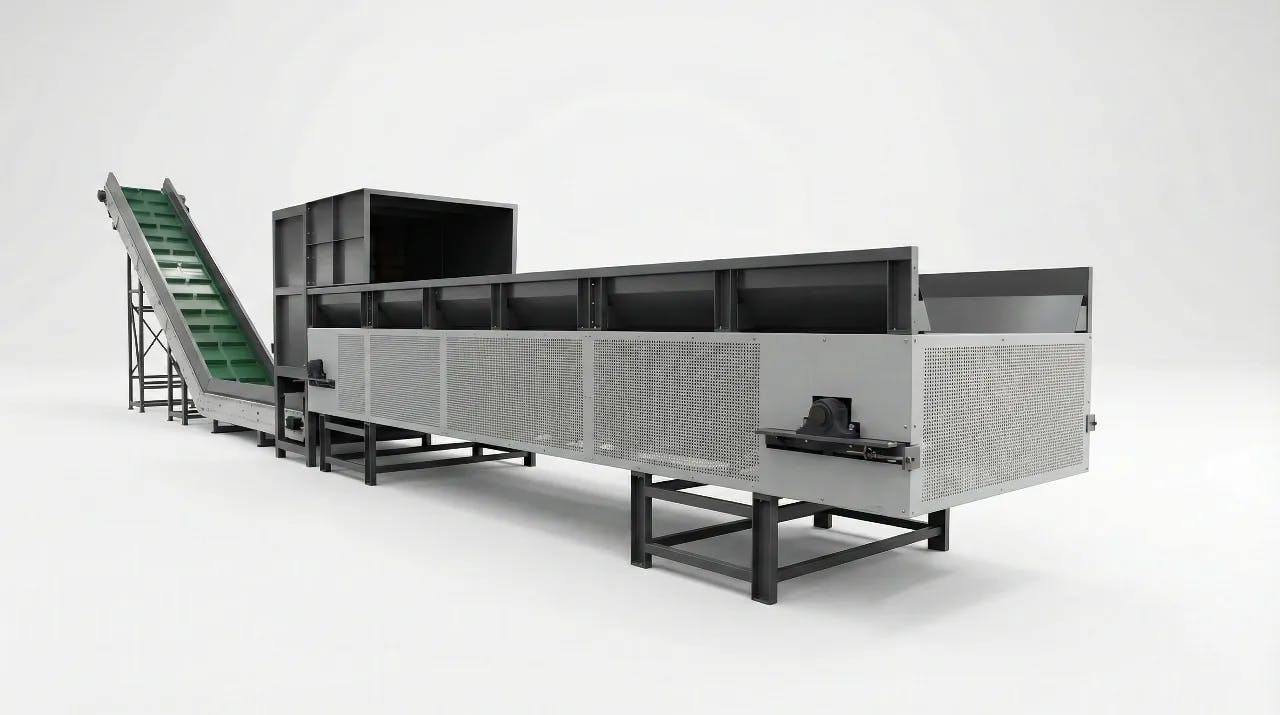
1. Automated Bale Breaker
Function: Breaks apart compressed PET bottle bales. Ensures a steady, metered flow of material into the line.
Configuration:
- High-torque motors
- Adjustable speed control
- Heavy-duty frame
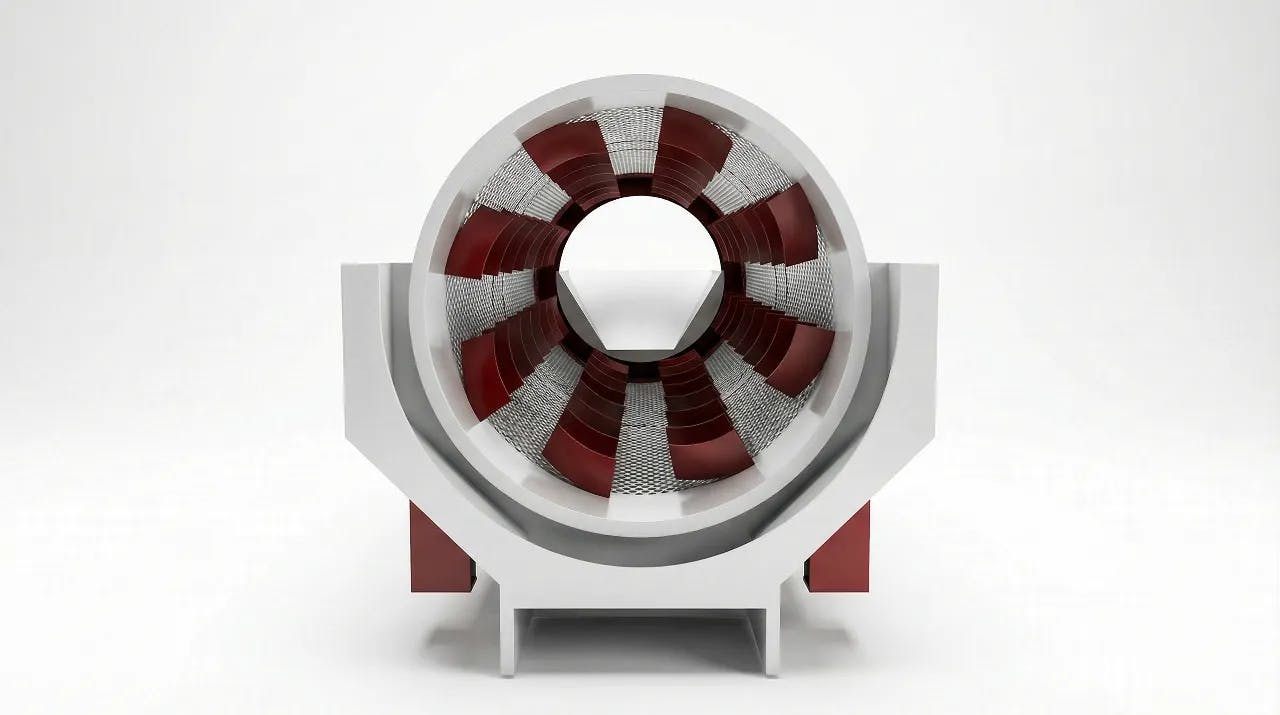
2. Trommel Screen
Function: Removes heavy contaminants like sand, glass, and metal. Separates loose caps and labels through tumbling action.
Configuration:
- Customizable screen perforations
- Wear-resistant internal drum
- Optimized rotation angle
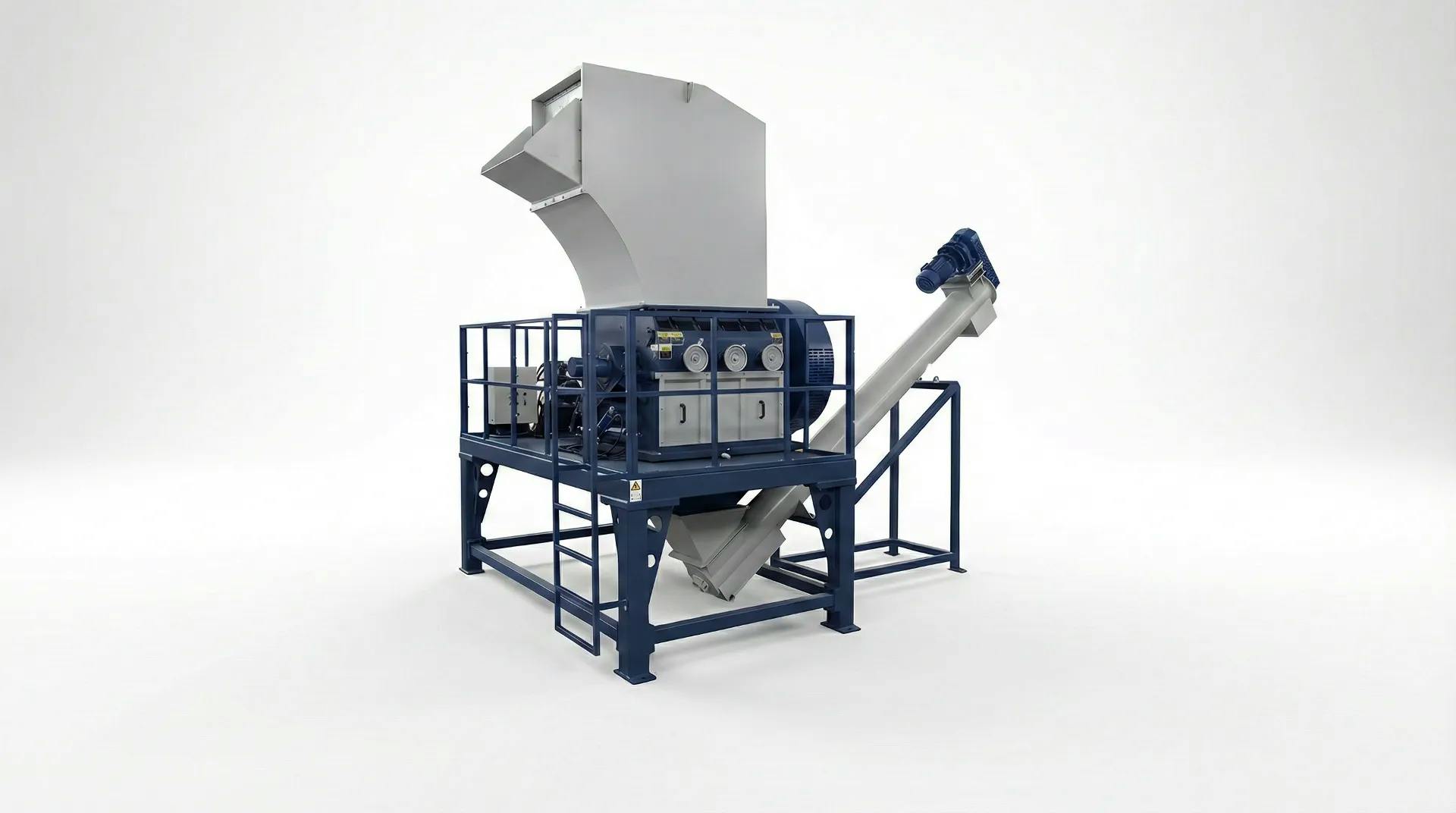
3. Wet Granulator (Crusher)
Function: Crushes bottles into uniform flakes. Uses water to cool blades and flush initial contaminants.
Configuration:
- V-type rotor design
- D2/SKD-11 hardened steel blades
- Interchangeable screens
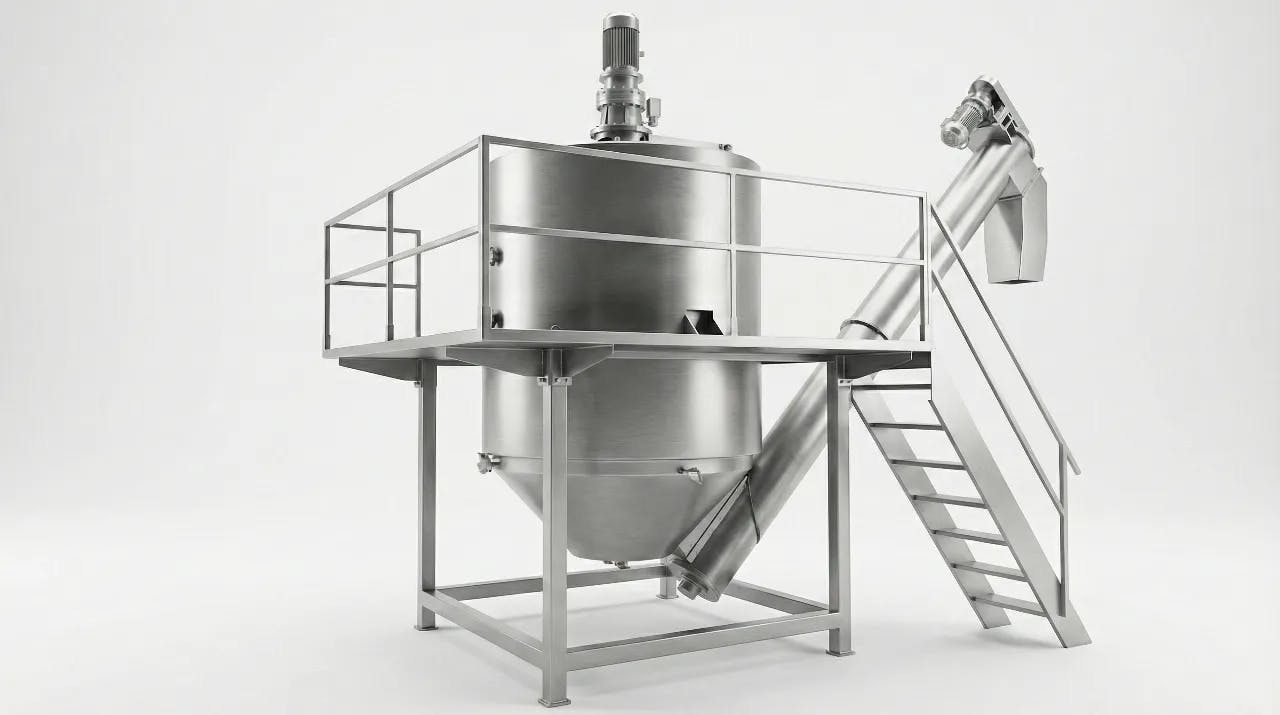
4. Hot Washer System
Function: Dissolves glue, oil, and residues using 85–95°C water and chemical agents. High-friction agitation ensures thorough cleaning.
Configuration:
- SUS304 stainless steel tank
- High-speed agitator
- Auto-dosing system
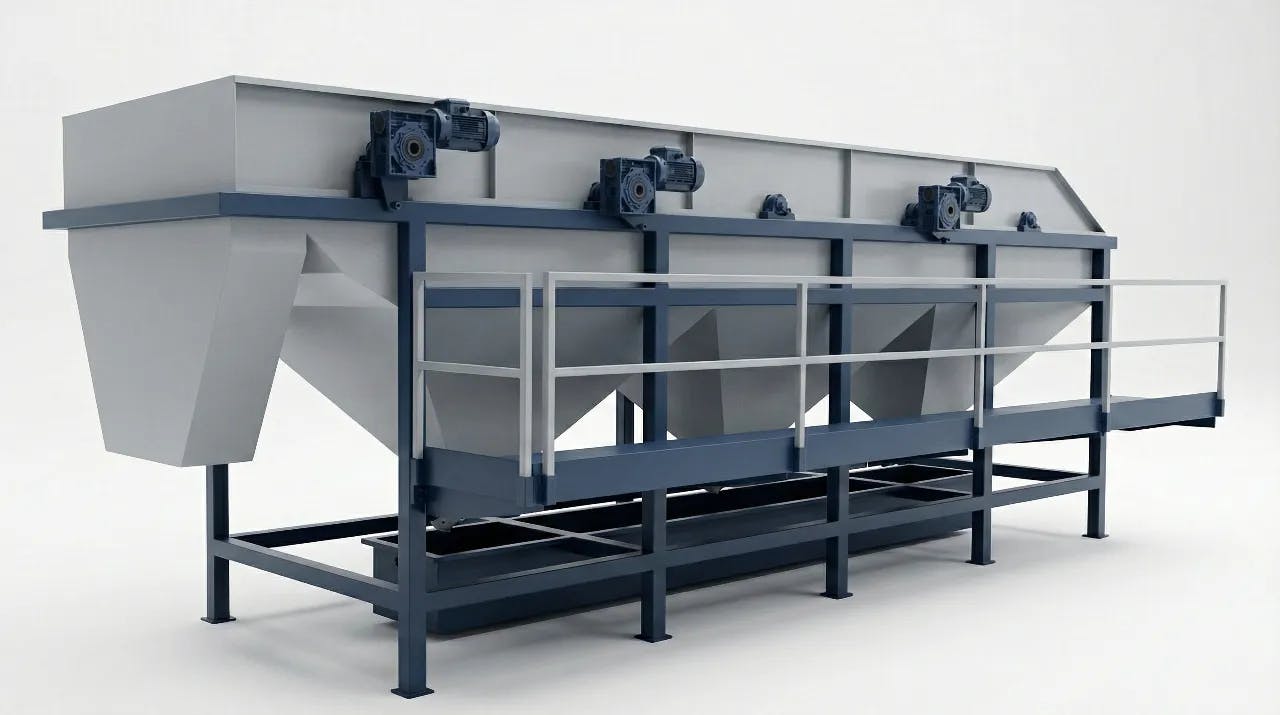
5. Sink/Float Separation Tank
Function: Separates heavy PET flakes from lighter PP/PE caps and labels using water density. Paddles move floating material to discharge.
Configuration:
- Full SUS304 construction
- Surface-skimming paddles
- Bottom screw conveyor
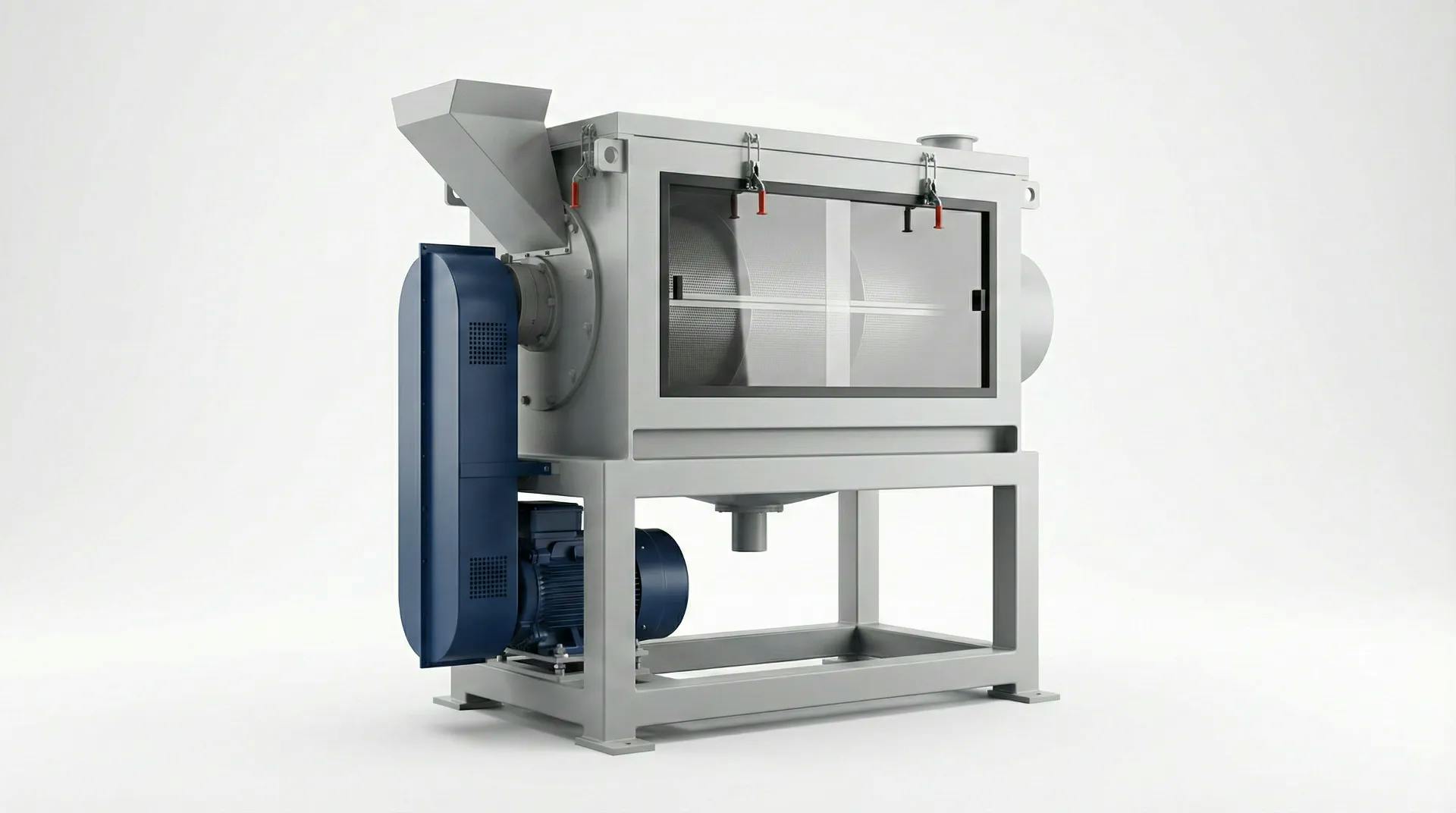
6. Dewatering & Thermal Drying System
Function: Removes moisture in two stages. Centrifugal dewatering removes bulk water, followed by hot air drying to <1% moisture.
Configuration:
- High-speed dynamic rotor
- Temperature control system
- Stainless steel piping
System in Action
Observe the transformation from post-consumer bottles to clean flakes.
Commercial Applications
Polyester Staple Fiber (PSF)
Raw material for textiles, carpets, and non-woven fabrics.
Bottle-to-Bottle Recycling
Production of new food-grade beverage bottles.
PET Strapping
Manufacturing of high-strength industrial packaging straps.
PET Sheet & Film
For thermoformed packaging, trays, and food containers.
Performance Comparison
| Feature | Our System | Conventional Washing Lines |
|---|---|---|
| Final Purity | <100 ppm (Food-grade achievable) | >500 ppm (Typically limited to fiber or strapping grade) |
| Washing Technology | Hot chemical wash + high-speed friction | Ambient cold water wash without chemical dosing |
| Automation Level | Full PLC intelligent control | Distributed manual controls requiring higher operator staffing |
| Water Consumption | Low consumption with water filtration & recycling | Single-pass water circuit with higher discharge rates |
| Machine Lifespan | Wear-resistant steel & stainless steel components | Standard carbon steel construction requiring frequent anti-corrosion maintenance |
Technical Specifications
Final Flake Quality Standards
| Parameter | Guaranteed Value |
|---|---|
| Total Impurity | <100 ppm |
| PVC Content | <50 ppm |
| PP/PE Content | <20 ppm |
| Metal Content | <20 ppm |
| Moisture Content | <1% |
| Flake Size | 12-16mm (Customizable) |
Production Line Models & Configurations
| Capacity (kg/h) | Installed Power (kW) | Required Area (m2) | Required Staff | Water Consumption (m3/h) |
|---|---|---|---|---|
| 500 | 220 | 400 | 2-3 | 1 |
| 1000 | 500 | 750 | 3-4 | 3 |
| 2000 | 700 | 1000 | 4-5 | 5 |
| 3000 | 900 | 1500 | 5-6 | 6 |
| 6000 | 1200 | 2500 | 6-8 | 10 |
Frequently Asked Questions
Find answers to common questions about our PET recycling lines.
What does a PET bottle recycling washing system include?
A standard Energycle PET bottle washing line is built around 6 core engineered modules: (1) Automated Bale Breaker, (2) Trommel Pre-Screen, (3) Wet Granulator, (4) Continuous Hot Washer (85–95°C with NaOH), (5) Sink/Float Density Separation Tank, and (6) Dewatering & Thermal Drying System. For high-contamination streams or strict bottle-to-bottle food-grade specifications, the line seamlessly integrates optional upstream units including a high-efficiency delabeler (label remover), manual or optical bottle sorting conveyors, and intermediate high-speed friction washers.
What quality of PET flakes can a washing system produce?
A well-configured PET washing system produces flakes with <100 ppm total impurities (<50 ppm PVC, <20 ppm PP/PE, <20 ppm metal), <1% moisture, minimal adhesive residue, and exceptional clarity suitable for food-grade or bottle-to-bottle applications meeting EFSA and FDA standards.
What types of PET bottles can this line process?
The line processes various post-consumer bottles, including soft drink, water, and oil bottles. We configure additional pre-washing units for heavily contaminated materials.
What is the lead time for a complete system?
Standard lead time is 60-90 days. This timeline varies based on capacity and specific customization requirements.
Do you provide installation and training?
Yes. Our engineering team handles on-site installation, commissioning, and testing. We also train operators and maintenance staff.
What is the warranty policy?
Equipment includes a one-year warranty on manufacturing and materials. We provide free replacement parts during this period and offer lifetime technical support.
How much does the system cost?
Price depends on capacity and automation level. Contact our engineering team for a specific quotation based on your raw material and output requirements.
Ready to Upgrade Your Recycling Business?
Contact us for a technical proposal and quotation. Our team responds within 24 hours.
- Share your bottle source, contamination level, and target output.
- Tell us your expected throughput and automation preference.
- We will recommend a matched washing, drying, and downstream layout.
Talk to Sales
Send your PET bottle feedstock details and target flake quality. We will reply with a matched proposal.
Related: For a side-by-side comparison of capacity tiers, 3-year TCO, and regional fit, see our PET recycling machines buyer's guide.