

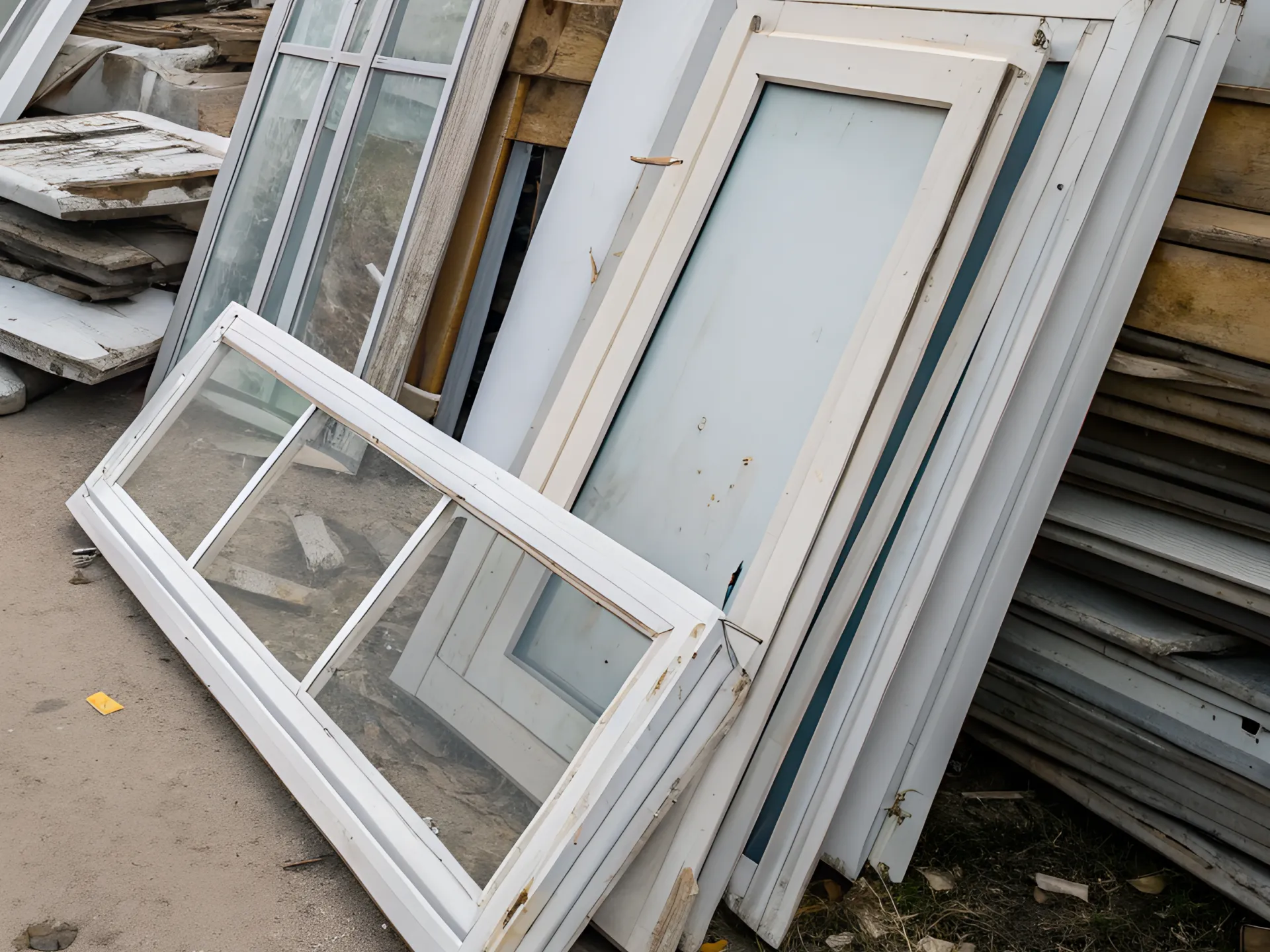
PVC-ul este utilizat pe scară largă în aplicații cu durată lungă de viață, cum ar fi țevi, profile și produse de construcții. Când acest material ajunge la sfârșitul duratei de viață, reciclatorii și producătorii au două opțiuni practice: să îl elimine sau să îl recupereze ca materie primă pentru produse noi. Reciclarea îmbunătățește de obicei ambele rezultate: un volum mai mic de depozite de deșeuri/incinerare și o cerere mai mică de rășină virgină.
Beneficiul climatic provine în mare parte din a evitat producția virgină și, în unele cazuri, impactul evitat al eliminării. Numerele exacte variază în funcție de mixul energetic, distanța de transport și cât de curat este fluxul de PVC, așa că este mai bine să înțelegem factorii determinanți decât să ne bazăm pe un singur procent.
Concluzii rapide
- Principalul beneficiu în materie de emisii provine din înlocuirea rășinii virgine cu PVC reciclat în produsele noi.
- Fluxurile de PVC curate și bine sortate se reciclează mai eficient și produc rezultate cu valoare mai mare.
- Aditivii contează (în special stabilizatorii tradiționali); sortarea și trasabilitatea protejează piețele finale.
De unde provine beneficiul carbonului
1) A evitat producția de rășină virgină
Dacă într-o aplicație înlocuiți PVC-ul reciclat cu PVC-ul virgin, reduceți nevoia de producție și procesare a materiilor prime noi. Acest lucru reduce, de obicei, emisiile pe durata ciclului de viață, presupunând distanțe de transport rezonabile și operațiuni eficiente de reciclare.
2) Eliminarea evitată
Reciclarea reduce volumul trimis la groapa de gunoi sau la incinerare și poate reduce impactul legat de eliminare. Căile de eliminare și impactul acestora diferă semnificativ în funcție de regiune.
Ce face reciclarea PVC-ului mai mult sau mai puțin eficientă
Proiectele de reciclare a PVC-ului au cele mai bune rezultate atunci când fluxul este: – sursă unică sau bine segregată (ferestrele și țevile sunt mai ușor de curățat decât deșeurile mixte de demolare) – contaminare scăzută cu substanțe non-PVC (garnituri de etanșare din cauciuc, metale, lemn, izolație) – controlat pentru aditivi (PVC-ul stabilizat cu plumb, de tip tradițional, este reglementat pe unele piețe)
Echipamente utilizate în reciclarea practică a PVC-ului
Majoritatea liniilor de reciclare a PVC-ului rigid combină: – reducerea dimensiunii (mărunțire/granulare) – îndepărtarea contaminanților (separarea metalelor, spălare, după cum este necesar) – uscare și clasificare – reprocesare în material regrăsat, granule sau pulbere, în funcție de piața finală
Pentru aplicațiile cu pulbere, măcinarea/pulverizarea este obișnuită (vezi Pulverizatoare industriale de PVC pentru reciclarea țevilor, profilelor și deșeurilor).
Dacă procesați materiale plastice rigide mixte (nu doar PVC), începeți de la un concept modular de linie rigidă și adăugați etape specifice PVC-ului acolo unde este necesar (vezi Sârmă de spălat rigidă din plastic pentru PP, HDPE, PVC).
Referințe Energycle conexe: – Reciclarea PVC-ului explicată – Statistici globale privind producția și eliminarea PVC-ului – Pulverizatoare industriale de PVC pentru reciclarea țevilor, profilelor și deșeurilor – Sârmă de spălat rigidă din plastic pentru PP, HDPE, PVC
Notă privind conformitatea și “aditivii legacy”
Unele fluxuri de deșeuri din PVC conțin stabilizatori de plumb tradiționali. În UE, se aplică restricții și derogări, iar cumpărătorii solicită adesea documentație care să ateste conformitatea și condițiile de utilizare adecvate.
Întrebări Frecvente (FAQ)
Reciclarea PVC-ului reduce întotdeauna amprenta de carbon?
Nu automat. Beneficiul depinde de producția de energie virgină evitată, de sursa de electricitate/căldură, de distanța de transport și de cât de mult randament pierdeți din cauza contaminării și a amenzilor.
Care este cel mai mare factor care reduce beneficiile climatice ale reciclării PVC-ului?
Calitatea instabilă a materiei prime. Atunci când se pierde randament (amenzi în exces, respingeri, reprocesare) sau se funcționează ineficient din cauza contaminării, emisiile pe tonă de producție utilizabilă cresc.
Este reciclarea mecanică “mai ecologică” decât reciclarea chimică/a materiilor prime pentru PVC?
Adesea, atunci când fluxul de PVC este curat și producția mecanică este utilizabilă, rutele chimice pot aborda fluxuri complexe, dar trebuie să gestioneze clorul/HCl și, de obicei, au o intensitate energetică mai mare.
Ce alegeri de echipamente contează cel mai mult pentru energie și emisii?
Reducere stabilă a dimensiunii (mai puține particule fine), spălare/separare eficientă (atunci când este necesar) și strategie corectă de uscare. Supradimensionarea sau etapele termice de “forță brută” cresc de obicei emisiile de funcționare.
Concluzie
Reciclarea PVC-ului poate reduce emisiile în principal prin înlocuirea rășinii virgine—dar beneficiul real depinde de randament și de stabilitatea procesului. Cea mai fiabilă “pârghie de emisii” este adesea simplă: menținerea fluxului curat și consistent, apoi proiectarea liniei pentru a minimiza respingerile și particulele fine (cu spălare/separare și măcinare controlată atunci când piața o cere).
