

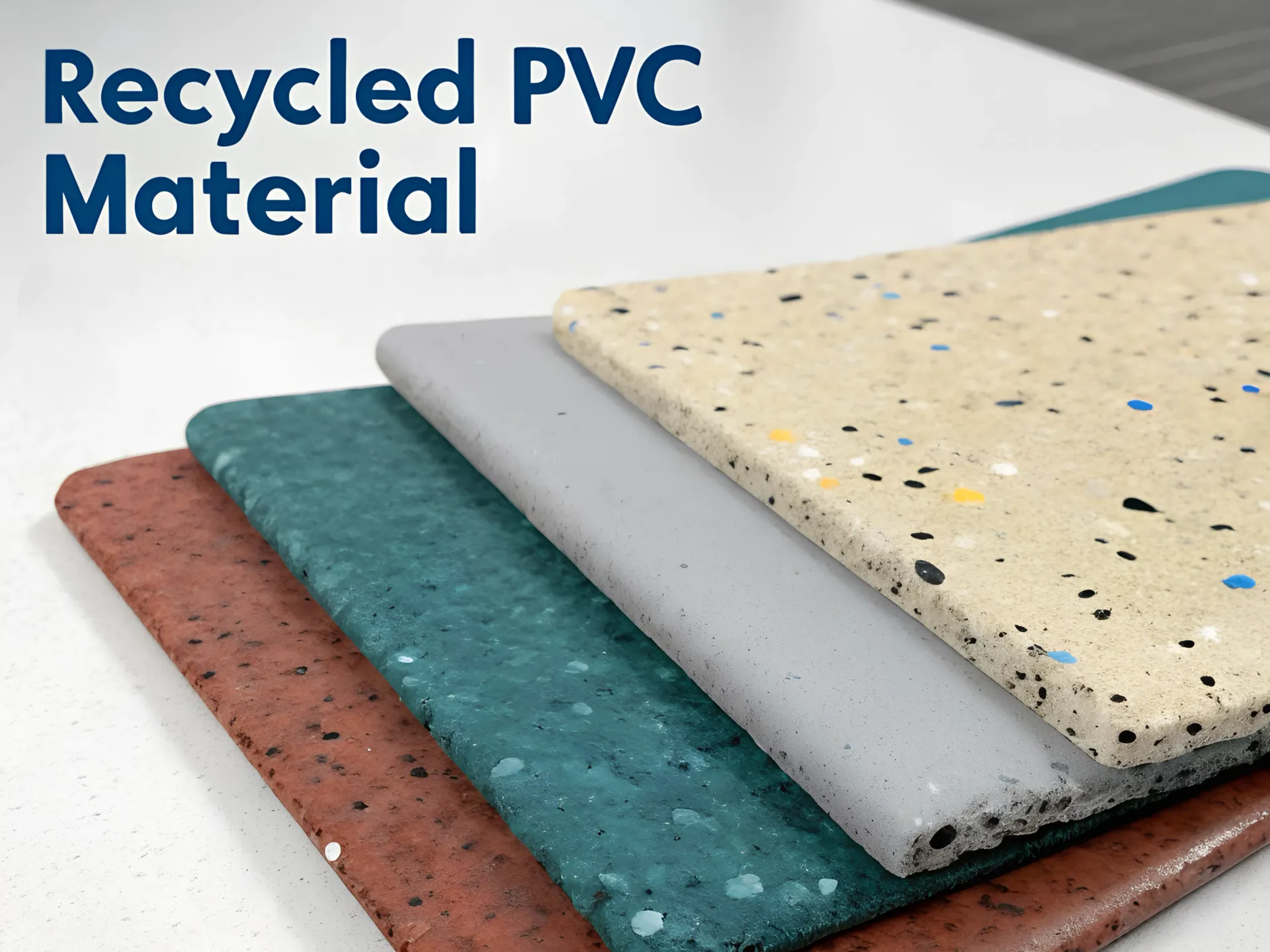
Cererea de PVC reciclat (rPVC) este strâns legată de produsele de construcții și industriale: ferestre, profile, țevi, pardoseli și alte aplicații durabile. Aceste piețe apreciază rPVC-ul atunci când îndeplinește cerințe constante de calitate și conformitate - în special în ceea ce privește contaminarea și istoricul aditivilor.
Acest ghid explică ce anume determină cererea de rPVC, ce aplicații tind să utilizeze materiale de calitate superioară și ce trebuie să controleze reciclatorii pentru a accesa aceste piețe.
Concluzii rapide
- Produsele de construcții reprezintă un factor major al cererii, deoarece PVC-ul este utilizat pe scară largă în aplicații cu durată lungă de viață.
- Aplicațiile cu valoare mai mare necesită de obicei un control mai strict al contaminării și al istoricului aditivilor.
- Selecția echipamentelor (spălare, separare, măcinare) determină adesea ce piață puteți deservi în mod realist.
Ghiduri similare
- Principalele piețe pentru mașini de reciclare a PVC-ului (2026)
- Reciclarea PVC-ului și amprenta de carbon (ceea ce reduce emisiile)
- Ghid pentru mașini de reciclat PVC (reciclat, granule, pulbere)
Ceea ce determină cererea de rPVC
1) Angajamente de sustenabilitate și presiunea achizițiilor publice
Brandurile, constructorii și agențiile de achiziții publice solicită din ce în ce mai mult conținut reciclat și performanță documentată a materialelor. În Europa, programe precum VinylPlus urmăresc progresul și promovează circularitatea responsabilă a PVC-ului.
2) Stabilitatea costurilor și a aprovizionării
Unii producători folosesc rPVC pentru a reduce expunerea la fluctuațiile de preț ale rășinii virgine - atunci când calitatea este consistentă și aprovizionarea este fiabilă.
3) Reglementare și conformitate
Regulile privind aditivii (de exemplu, plumbul în PVC-ul tradițional) influențează unde și cum poate fi utilizat rPVC-ul. Acest lucru încurajează o mai bună sortare, documentare și utilizări finale controlate.
Aplicații care utilizează în mod obișnuit rPVC
Piețele finale variază în funcție de regiune și de cerințele cumpărătorului, dar utilizările comune includ:
- Produse pentru ferestre și profile (adesea prin abordări multistrat/co-extrudare)
- Țevi și fitinguri fără presiune (unde standardele și cumpărătorii permit utilizarea rPVC)
- Pardoseli și produse din tablă (în funcție de formulă și limitele de contaminare)
- Produse industriale care poate tolera rPVC de culori mixte atunci când proprietățile mecanice sunt suficiente
Ce trebuie să controleze reciclatorii pentru a deservi piețele cu valoare mai mare
- identitatea polimerilor și contaminarea încrucișată (PVC vs. alți polimeri)
- contaminarea cu metale și cauciuc (în special de la ansamblurile de produse de construcție)
- umiditate și curățenie (dacă prelucrarea ulterioară include compoundarea sau peletizarea)
- istoricul și documentația aditivilor (stabilizatori tradiționali, substanțe restricționate)
Alegeri de echipamente care ajută: – Spălare și separare rigidă (PP/HDPE/PVC) – Măcinare/pulverizare pentru produse pulverulente
Formele produselor din rPVC (și ce permit acestea)
Cumpărătorii diferiți își doresc “forme” diferite de PVC reciclat, iar forma determină adesea echipamentul de care aveți nevoie:
- Măcinare grosieră: comun pentru reutilizarea internă sau aplicații mai puțin stricte atunci când fluxul este consistent.
- Granule/remacinate curate (pentru compoundare): dimensionare mai consistentă și contaminare mai redusă; adesea beneficiază de spălare/separare atunci când fluxul este murdar.
- Pulbere (pentru amestecuri uscate și produse profilate): necesită de obicei o materie primă stabilă și măcinare/clasificare (vezi referința pulverizatorului de mai sus).
Cerințe de calitate care influențează de obicei prețul
Cumpărătorii de rPVC cu valoare mai mare tind să plătească pentru predictibilitate și risc mai mic. Cei mai comuni “factori de modificare a prețului” sunt:
- Contaminare încrucișată a polimerilor: Amestecarea PVC vs. non-PVC și PVC rigid/flexibil mixt.
- Contaminare vizibilă: metale, garnituri de etanșare din cauciuc, lemn/hârtie, pietriș.
- Dimensiunea particulelor + particule fine: distribuție densă vs. material regrășat prăfuit care se comportă imprevizibil.
- Umiditate: deosebit de important dacă se topește/extrudează în aval.
- Consistența culorii/aspectului: critic pentru profil și produse vizibile.
- Istoricul aditivilor/conformității: stabilizatoare vechi și documentația necesară pentru utilizări finale legale.
O listă simplă de verificare a calității înainte de expediere
Dacă doriți comenzi repetate, creați o listă scurtă de verificare pentru lansare: – inspecție vizuală (contaminare și consistența culorii) – verificare rapidă a sitei (dimensiunea particulelor și particule fine) – verificare a umidității (atunci când este relevant pentru procesul cumpărătorului) – ID lot + note sursă + pachet de documentație (în special pentru fluxurile post-consum)
Întrebări Frecvente (FAQ)
Ce aplicații din rPVC sunt de obicei mai scumpe?
Aplicațiile care necesită o calitate constantă și conformitate documentată (comună în produsele de construcții) sunt adesea mai avantajoase decât magazinele care acceptă materiale regrăscate variabile, cu culori mixte.
De ce solicită unii cumpărători documentație pentru PVC-ul reciclat?
Deoarece istoricul aditivilor poate afecta utilizarea legală și acceptarea produsului (în special pentru fluxurile post-consum), documentația reduce riscul pentru cumpărător și ajută la menținerea stabilității comenzilor repetate.
Este întotdeauna necesar rPVC-ul spălat?
Nu. Fluxurile postindustriale curate pot să nu necesite spălare. Fluxurile murdare sau mixte necesită adesea spălare, dacă doriți cumpărători cu valoare mai mare și limite de contaminare mai stricte.
Care sunt cele mai frecvente motive pentru care transporturile de rPVC sunt respinse?
Contaminare vizibilă, probleme de miros, dimensiuni inconsistente ale particulelor și istoric neclare al aditivilor/conformității. Acestea pot fi de obicei prevenite prin control în amonte și QC.
Concluzie
Cererea de pe piața rPVC este reală - dar recompensează reciclatorii care tratează rPVC-ul ca pe un produs specificat, nu doar un flux de deșeuri deviat. Dacă vă aliniați echipamentul și controlul calității la forma de care au nevoie cumpărătorii dvs. (măcinare, granule curate sau pulbere) și controlați contaminarea și documentația, puteți vinde în aplicații mai stabile și cu valoare mai mare.
