

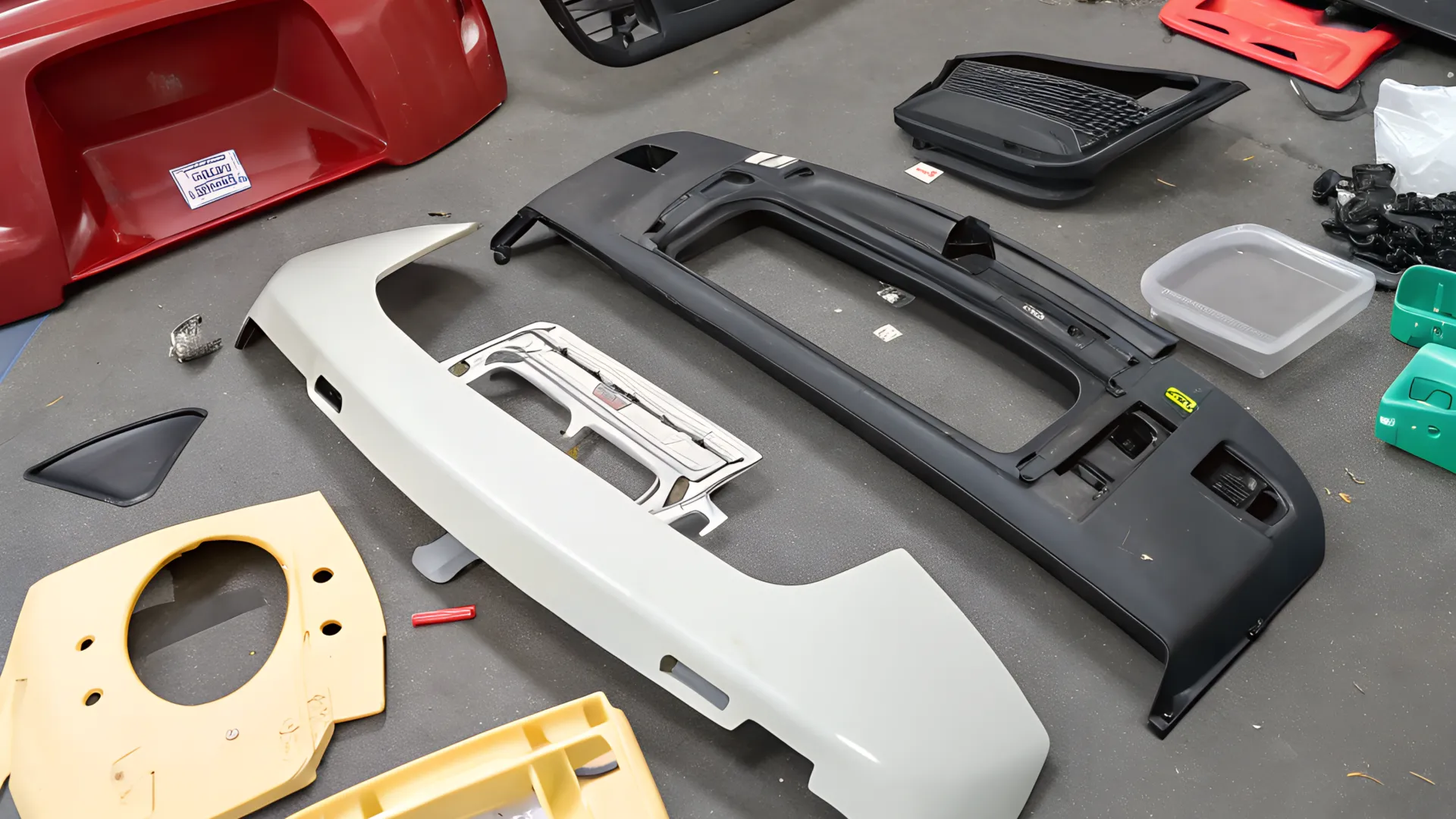
Os plásticos automotivos podem ser matéria-prima valiosa — especialmente o material de para-choques de PP e outros polímeros de engenharia duráveis — mas raramente são reciclados de forma limpa. As peças geralmente contêm tinta, clipes de metal, espumas, tecidos e conjuntos de polímeros mistos. Isso significa que o conjunto de equipamentos deve priorizar... remoção de contaminantes e separação controlada, não apenas redução de tamanho.
Este guia descreve as etapas comuns do processo e as máquinas utilizadas para reciclar peças plásticas automotivas de forma confiável.
Principais conclusões
- Os plásticos automotivos são conjuntos mistos; planeje a remoção e separação do metal.
- Peças pintadas e preenchidas necessitam de processamento diferente do que plásticos de embalagem limpos.
- A qualidade consistente exige amostragem, disciplina na triagem e regras de aceitação claras.
Plásticos automotivos: por que as necessidades de equipamentos são diferentes?
As peças automotivas geralmente são conjuntos, não embalagens de resina única. Mesmo quando o polímero base é comum (como o PP), você ainda pode estar processando camadas de tinta, elastômeros, espumas, tecidos, adesivos e fixadores metálicos. Isso altera tanto o equipamento necessário quanto a linguagem de controle de qualidade que você deve usar com os compradores.
Mapa de referência rápida do curso d'água ao equipamento
| Fluxo típico | Problemas comuns | O que a linha deve fazer bem | Módulos de equipamento que geralmente são mais importantes |
|---|---|---|---|
| para-choques PP | Tinta, clipes/fixadores, inserções de borracha ocasionais. | Redução estável do tamanho + remoção robusta de metal + gerenciamento de pintura | Triturador/granulador, ímãs, lavagem (conforme necessário), triagem de controle de qualidade. |
| acabamentos interiores | Polímeros mistos, cargas, espumas, têxteis | Mantenha polímeros incompatíveis fora da fração alvo. | Pré-triagem, separação por densidade (quando aplicável), pontos de verificação de controle de qualidade. |
| Carcaças e peças sob o capô | Óleos/graxas, enchimentos, insertos metálicos | Limpeza e remoção do inserto | Lavagem, separação, secagem, proteção de metais |
Fluxos típicos de plástico automotivo (exemplos)
Os projetos costumam se concentrar em partes específicas porque cada uma tem seu próprio padrão de contaminação: – Para-choques (geralmente à base de PP): camadas de tinta e fixadores – Acabamentos e revestimentos interiores: polímeros e cargas misturadas – Conjuntos de painel: suportes metálicos, fios, têxteis, múltiplos polímeros
Comece definindo o polímero alvo e a contaminação que você precisa remover para atender às especificações do mercado final.
Fluxograma prático de equipamentos (layout comum)
1) Redução de tamanho (primária e secundária)
Peças volumosas e seções grossas geralmente começam com um triturador: – redução primária com um triturador de eixo único – dimensionamento secundário com um granulador de plástico para produzir flocos controlados
O controle do tamanho dos flocos melhora a separação subsequente e a consistência da lavagem.
2) Remoção e proteção de metal
As peças automotivas geralmente contêm clipes, parafusos e suportes de aço.
Medidas comuns de proteção: – ímãs para remoção de materiais ferrosos – controle adicional de metais (dependente do fluxo) para proteger granuladores e extrusoras
3) Lavagem e gestão da contaminação de superfícies
Lascas de tinta, sujeira da estrada e óleos podem aderir aos plásticos e reduzir a qualidade do produto.
Dependendo do seu fluxo, os sistemas de lavagem podem incluir: – lavagem por fricção – limpeza assistida por detergente – enxágue e gestão estável da água.
A Energycle configura linhas de lavagem rígidas para PP/HDPE e fluxos similares em sua plataforma. página de varal de plástico rígido.
4) Separação por densidade e outras propriedades
Algumas combinações de polímeros podem ser separadas por densidade na água; outras requerem técnicas diferentes ou uma triagem prévia mais detalhada.
Uma abordagem prática: – usar a separação por densidade quando for eficaz (flutuação/afundamento) – usar triagem e controle de qualidade para manter polímeros incompatíveis fora da fração desejada.
Tinta, Massas de Preenchimento e "Pontos": O Problema de Qualidade que os Compradores Notam Primeiro
Os plásticos automotivos são frequentemente pintados, preenchidos ou compostos com aditivos. Mesmo quando a resina base é PP, o material reciclado pode ser rejeitado devido a manchas visíveis ou aparência inconsistente.
Formas práticas pelas quais as plantas lidam com esse risco:
- Defina o mercado-alvo desde o início: Alguns compradores aceitam material reciclado para aplicações que não sejam de acabamento estético; outros exigem um material mais limpo, de qualidade "cosmética".
- controlar o fluxo de entrada: Programas que incluem apenas para-choques são mais fáceis do que programas com acabamento misto.“
- Trate a tinta como uma questão de controle de lote: Separe as peças por tipo de componente e cor da tinta sempre que possível, e evite misturar lotes aleatoriamente.
Se você planeja produzir pellets, a estratégia de filtragem também é importante, pois tinta fina e sujeira podem causar instabilidade de pressão e interrupções para a troca de telas.
5) Secagem e preparação para granulação (se necessário)
Se você optar pela granulação, o controle da umidade e a filtragem tornam-se importantes para proteger a extrusora e estabilizar a produção. A desidratação mecânica (secagem centrífuga) combinada com a secagem térmica é comum, dependendo do projeto.
Se o seu produto alvo são pellets, defina também, desde o início, o escopo da granulação e da filtração. Energycle's máquinas de peletização de plástico Esta página pode ajudá-lo a comparar a terminologia de configuração de linha.
Controle de Qualidade: O Que os Compradores Realmente Precisam
Compradores e fabricantes de compostos para a indústria automotiva frequentemente se preocupam com: – identidade do polímero e consistência da mistura – teor de cinzas (cargas e impurezas) – nível de contaminação (metal, borracha, têxteis) – estabilidade de odor e cor
Definir essas metas antecipadamente ajuda a projetar a intensidade correta de triagem e lavagem, evitando gastos excessivos ou investimentos insuficientes.
Como verificar o desempenho antes de comprar (um plano de teste simples)
Os fluxos automotivos são variáveis, portanto, exigem um plano de aceitação:
| Elemento de teste | O que definir | Por que isso importa |
|---|---|---|
| Condição de entrada | Mistura de peças, janela de contaminação (clips/espuma/têxteis/tinta) e estado de limpeza. | Alegações de desempenho não têm significado sem uma entrada definida. |
| Definição de saída | Flocos versus grânulos, distribuição granulométrica alvo e verificações básicas de qualidade. | Impede que as demonstrações "bem-sucedidas" não correspondam às necessidades do comprador. |
| Verificações de pureza e contaminação | Como medir a contaminação por metais, têxteis e polímeros? | Esses contaminantes são responsáveis por rejeições por parte dos clientes e por tempo de inatividade. |
| Controle de lote | Como os lotes são segregados e como os lotes fora de especificação são tratados. | Os compradores de automóveis costumam rejeitar inconsistências mais do que pequenos defeitos. |
O que perguntar aos fornecedores (para que os orçamentos sejam comparáveis)
1) Qual é o perfil de contaminação presumido (metal, espuma, têxteis, tinta) e como ele é removido?
2) Qual é a distribuição granulométrica garantida após a granulação?
3) Quais os produtos químicos de lavagem e o gerenciamento de água incluídos (caso a lavagem seja proposta)?
4) Quais polímeros são aceitáveis na fração alvo e como a contaminação cruzada é evitada?
5) Quais testes de controle de qualidade o fornecedor recomenda (e com que frequência) para manter o produto dentro das especificações?
6) Qual é o plano de peças de desgaste e manutenção (estimativas de vida útil da lâmina, intervalos de limpeza, projeto de acesso)?
Perguntas frequentes (Perguntas reais sobre compras)
Posso reciclar para-choques pintados para obter um material PP moído estável?
Muitas vezes sim, mas trate a tinta como uma questão de qualidade e aceitação do comprador, não como um contaminante menor. A tinta pode aparecer como manchas visíveis e pode alterar o comportamento de fusão dependendo do uso final. A linha geralmente precisa de redução de tamanho estável, remoção robusta de metal e uma abordagem de limpeza que corresponda à contaminação real (sujeira da estrada e óleos). O passo mais importante é definir os critérios de aceitação com o seu comprador: quanta contaminação visível é permitida, quais são os limites de cinzas/carga e quais testes eles usam para rejeitar lotes. Se a especificação do comprador for rigorosa, você pode precisar de mais triagem e limpeza do que o esperado.
A lavagem é sempre necessária para plásticos automotivos?
Não. Resíduos pós-industriais ou de plantas controladas podem, por vezes, ser processados com lavagem mínima, enquanto peças em fim de vida útil frequentemente necessitam de lavagem devido a óleos, resíduos de asfalto e sujeira incrustada. A lavagem aumenta o custo operacional e exige um plano de gestão da água, portanto, deve ser justificada pela contaminação mensurada e pelas exigências do comprador. Uma abordagem prática é testar o fluxo de entrada: medir os indicadores de sujeira/cinzas e realizar um teste que demonstre se a lavagem melhora a aceitação do comprador. Se a principal causa de rejeição for a presença de polímeros misturados ou insertos metálicos, a lavagem não resolverá o problema — você precisa de uma melhor triagem e separação a montante.
A separação por densidade (flutuante/afundante) funciona para plásticos automotivos?
Às vezes. A separação por densidade funciona quando as diferenças de densidade dos polímeros são suficientemente grandes e quando as peças não são compósitos multimateriais que retêm ar ou contêm inserções. Pode ser útil para remover alguns polímeros indesejados de uma fração específica, mas não é uma solução universal para montagens complexas. O melhor uso geralmente é como uma etapa dentro de uma estratégia de triagem mais ampla: pré-triagem para remover materiais obviamente fora do padrão, depois usar a separação por densidade para a mistura restante e, por fim, validar com amostragem de controle de qualidade. Pergunte aos fornecedores quais pares de polímeros eles esperam separar e como comprovarão isso durante os testes de aceitação.
O que devo especificar se meu mercado final for a produção de compostos ou a moldagem por injeção?
Especifique os testes do comprador. Aplicações automotivas geralmente priorizam a identidade consistente da resina, o controle de contaminação e o processamento previsível. Defina o que você fornecerá (flocos ou grânulos), a faixa de índice de fluidez desejada (se relevante), a quantidade aceitável de contaminantes e as expectativas de cor/odor. Em seguida, peça aos fornecedores que projetem a linha de produção com base nos testes: onde a amostragem de controle de qualidade será realizada, quais alarmes ou pontos de verificação evitarão desvios e como os lotes serão segregados. O maior risco na reciclagem automotiva é produzir uma mistura inconsistente que nenhum comprador deseja. Especificações claras e controle de lotes reduzem esse risco mais do que o aumento da capacidade de processamento das máquinas.
Como as regulamentações afetam os projetos de reciclagem de plásticos automotivos?
As regulamentações podem moldar a forma como os veículos em fim de vida útil são tratados e como a recuperação de materiais é incentivada ou exigida em um determinado mercado. Na UE, a Diretiva de Veículos em Fim de Vida (VFV) é uma referência fundamental para o quadro regulamentar em torno do manuseio e recuperação de VFV. Mesmo que você opere fora da UE, compradores e fabricantes de equipamentos originais (OEMs) podem usar princípios semelhantes em suas cadeias de suprimentos. A principal lição para a área de compras é planejar a documentação: rastreabilidade de entrada, testes de controle de qualidade e usos finais controlados — especialmente ao vender para mercados exigentes. (Fonte: Diretiva ELV da UE 2000/53/CE)
