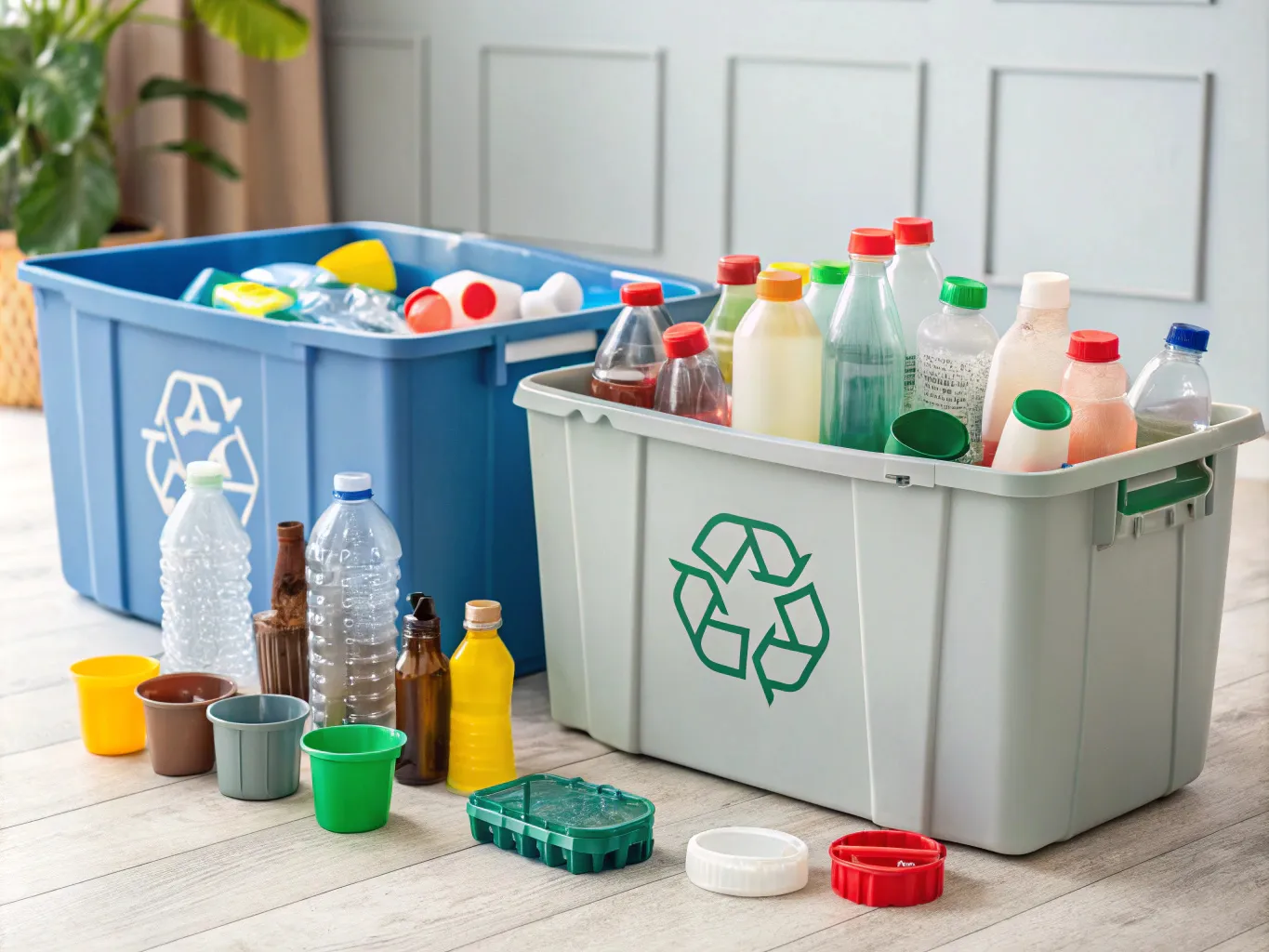
PP rigid scrap can be a profitable feedstock—if you control contamination, moisture, and polymer mix. For plant managers and industrial buyers, the “right�...
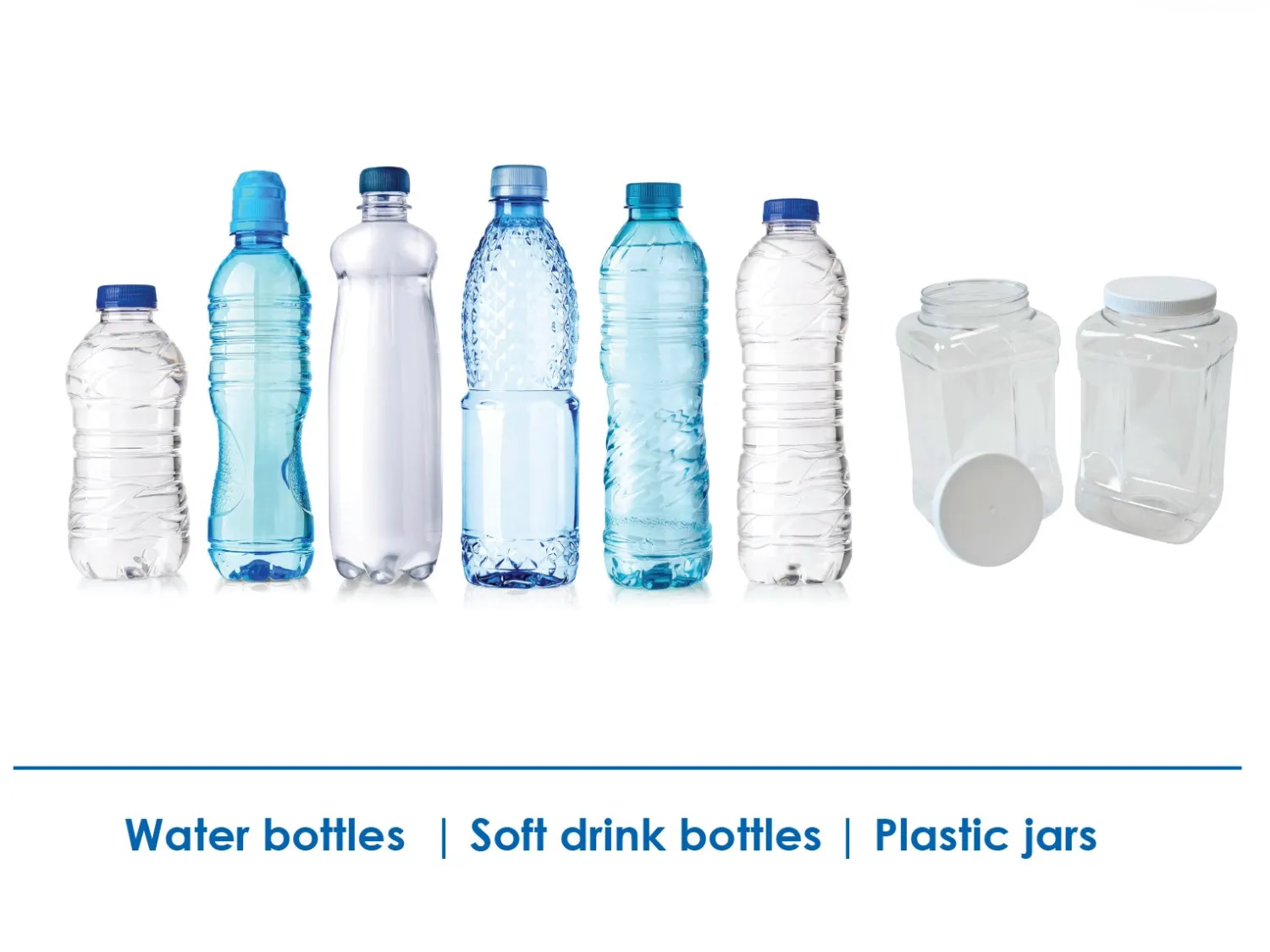
PET projects succeed when you design backward from the end market. “A PET recycling machine” can mean anything from a basic wash plant that sells hot-washed...
PET recycling equipment keeps moving toward tighter quality control. The driver is simple: more brands and regulators want higher recycled content in packaging,...
“Efficiency” in PET recycling is not only about running faster. It’s about producing sellable rPET flake or pellets consistently with minimal downtime and...
Industrial shredder blades are the teeth of your recycling operation. When they dull, your entire production line slows down, energy costs spike, and output qua...
Every percentage point of recovery matters when you’re processing thousands of tons per year. If you purchase 1,000 tons of baled plastic and only sell 70...
In a plastic washing line, the centrifugal dryer is the handoff between wet processing and final drying/pelletizing. It removes free surface water mechanically,...
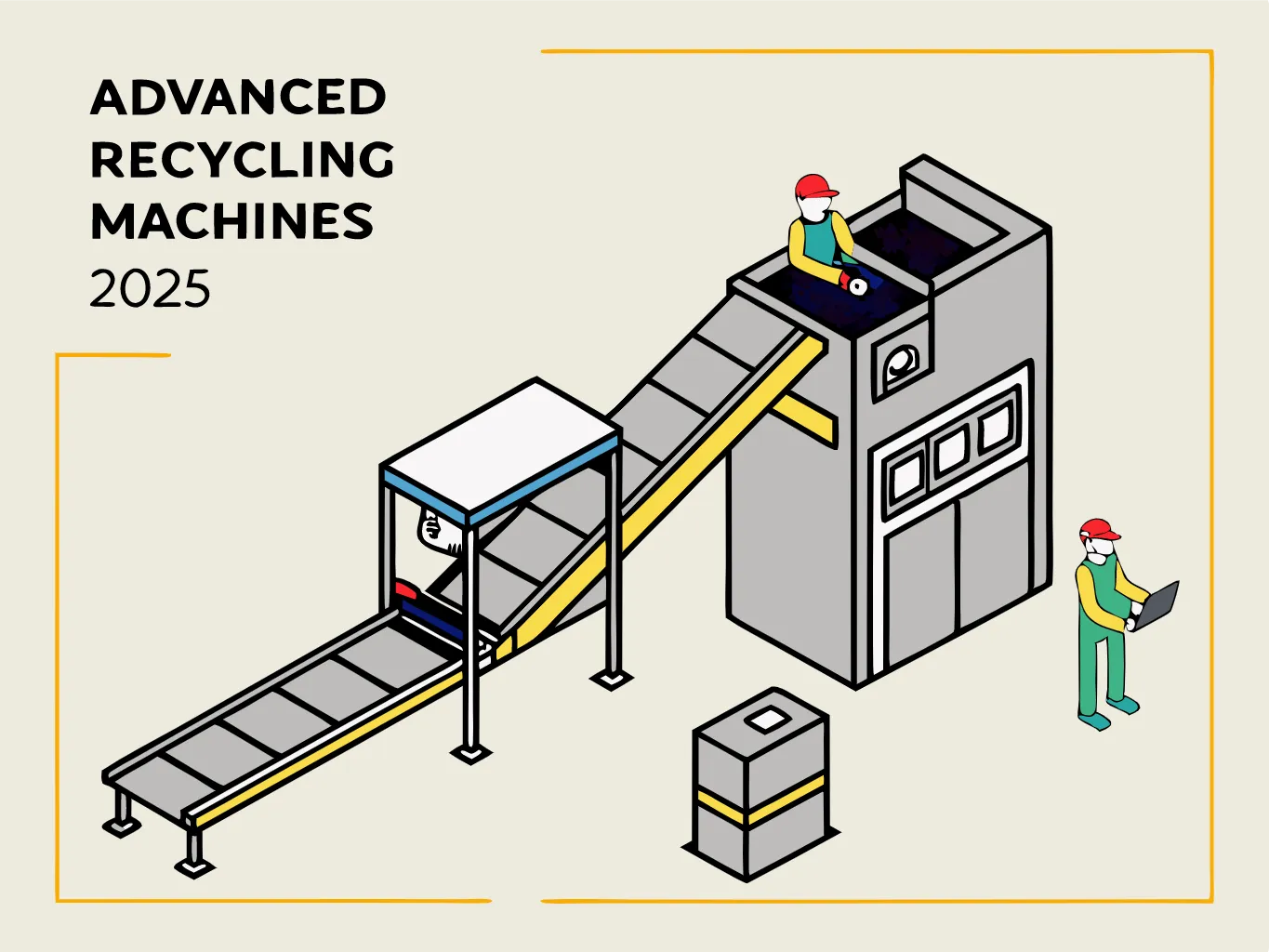
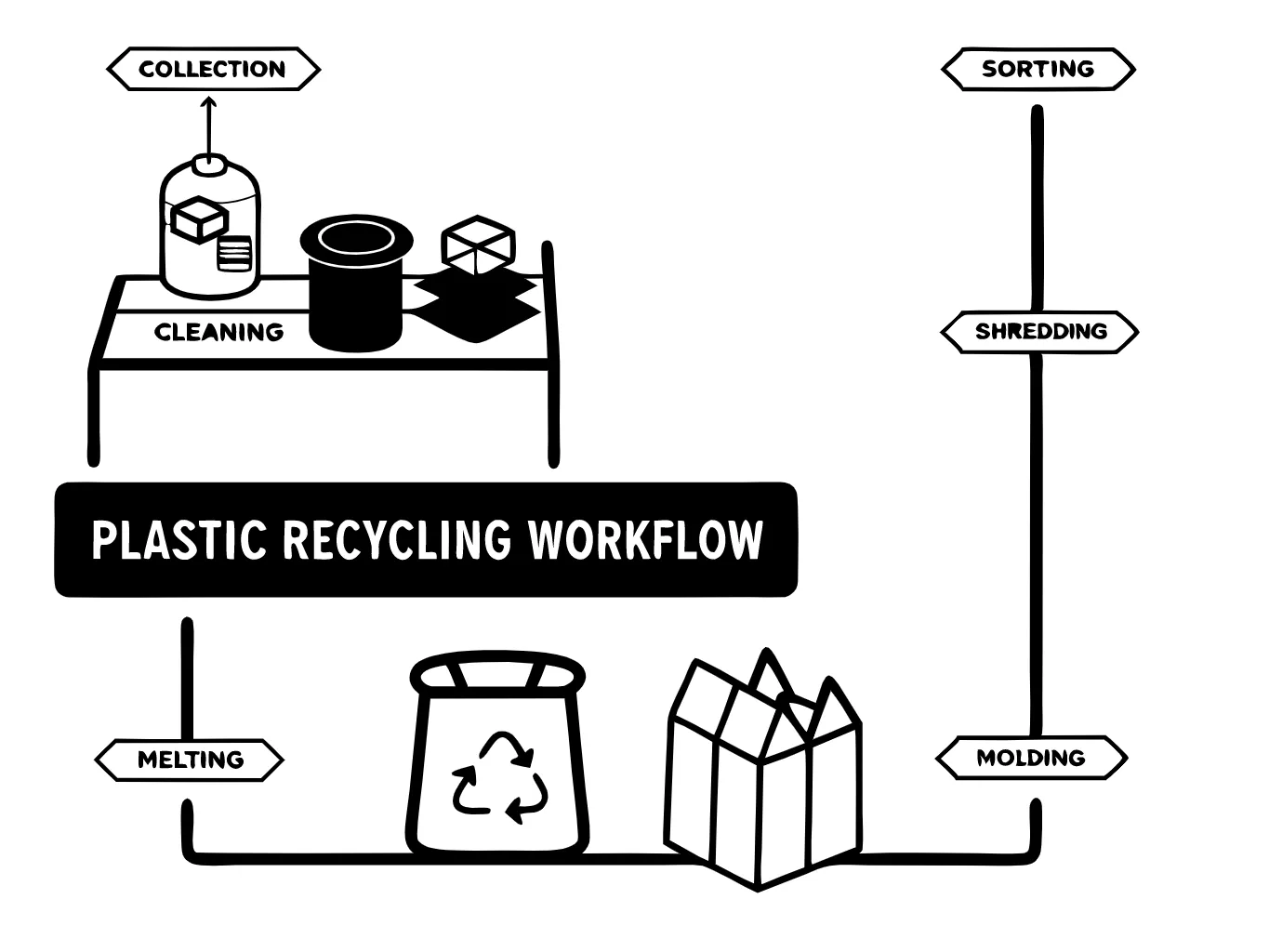
There isn’t a universal plastic recycling machine. Equipment that works well on rigid HDPE regrind can struggle with thin LDPE film, and a line sized for clea...
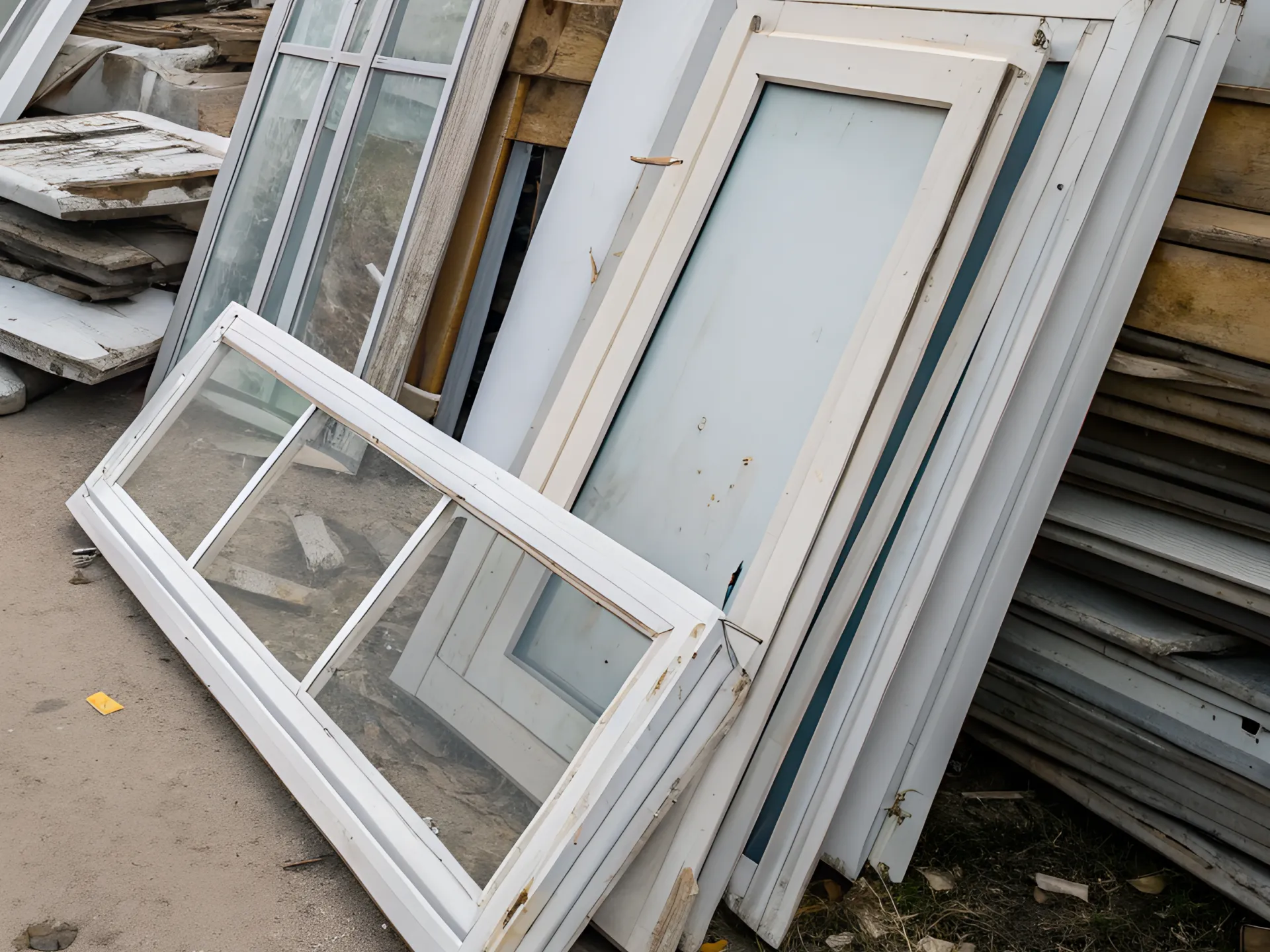
PVC is widely used in long-life applications such as pipes, profiles, and building products. When that material reaches end of life, recyclers and manufacturers...
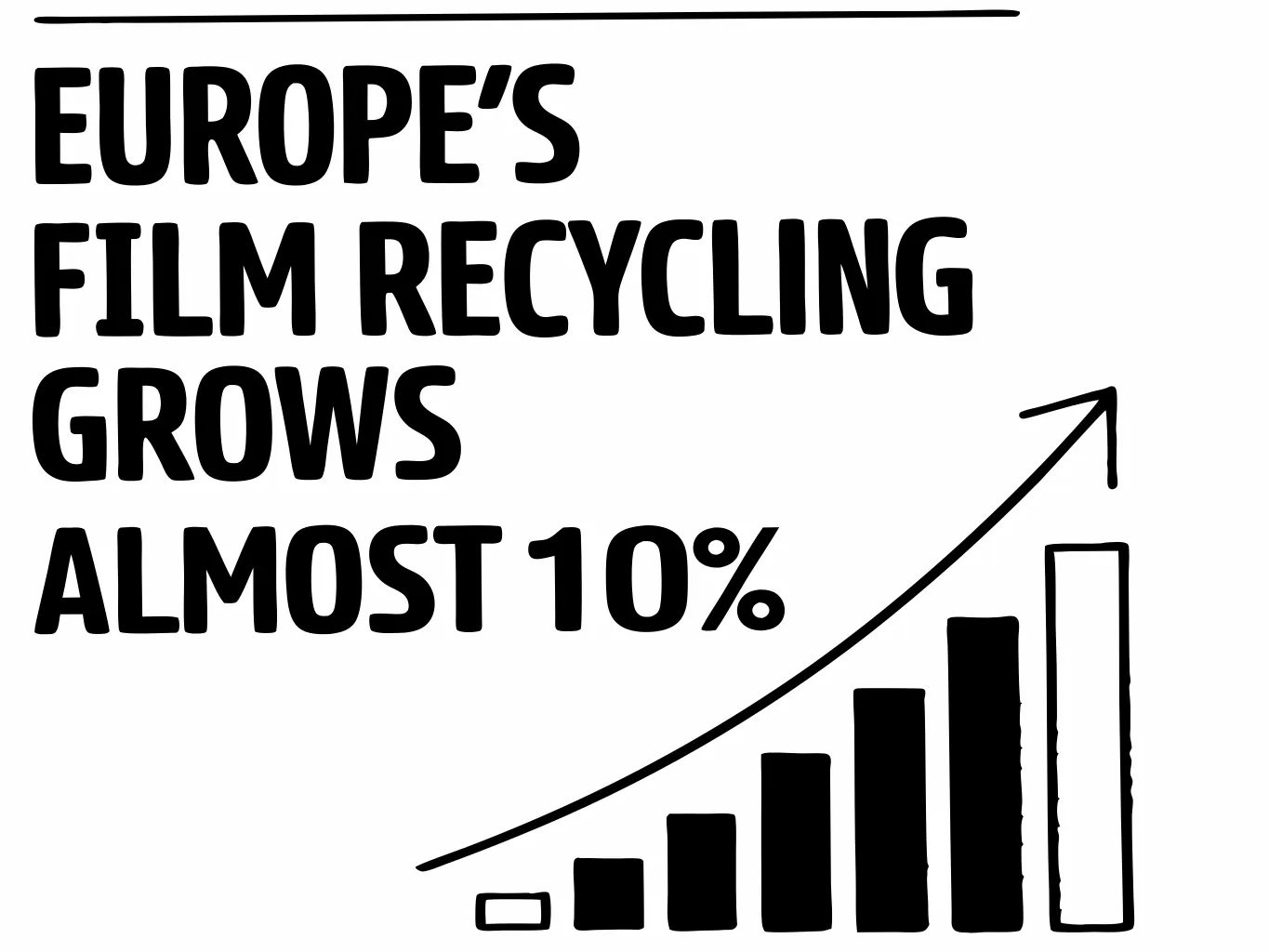
Flexible film (LDPE/LLDPE) is one of the hardest high-volume plastic streams to recycle well. When capacity grows, it usually means the market has found ways to...