

Heavy-Duty Size Reduction for Rigid Plastics
Single-Shaft Shredder for Hard & Rigid Plastics
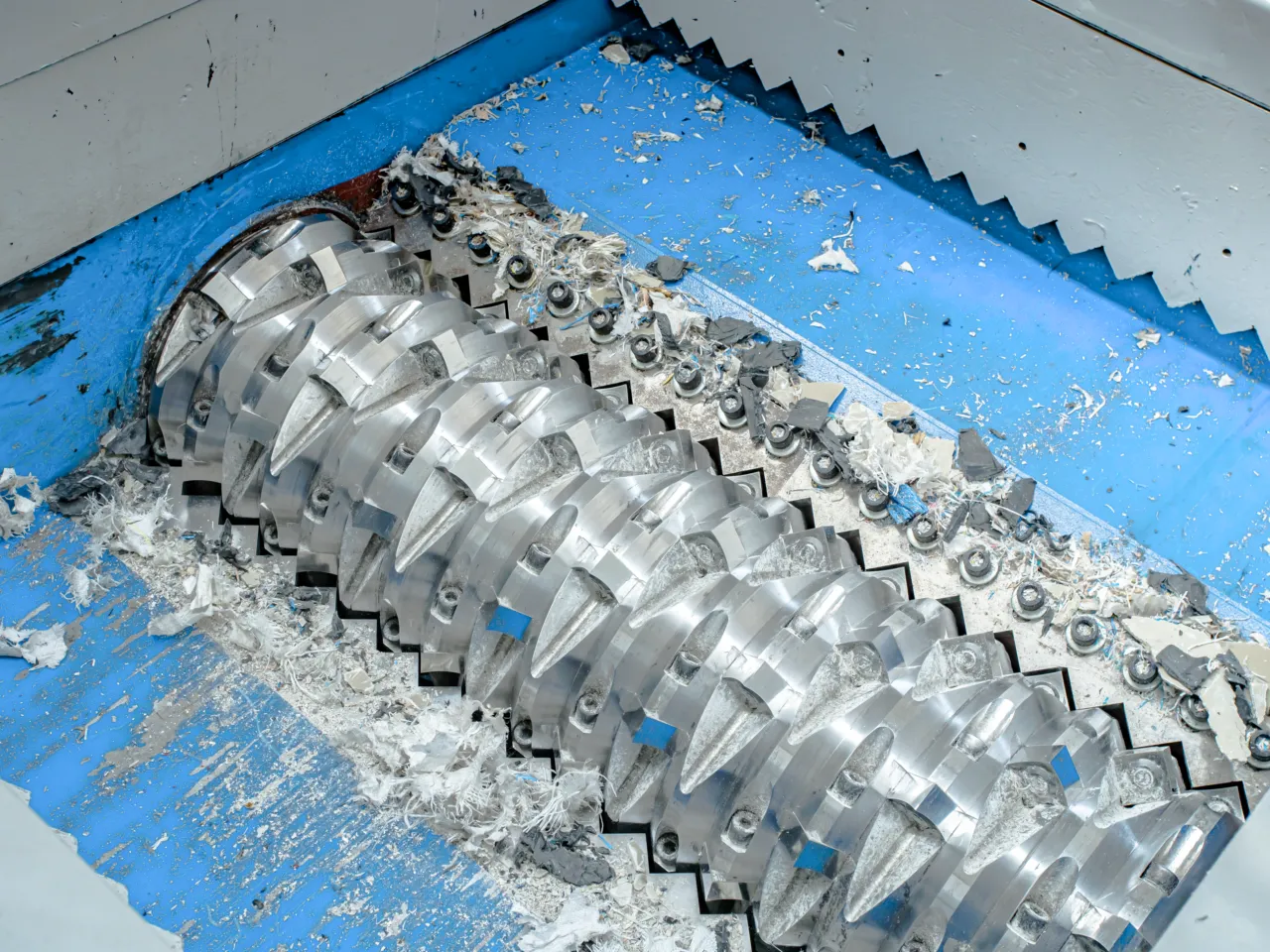
A rigid plastic shredder engineered for lumps, purges, pipes, profiles, pallets, crates, and large molded parts. The hydraulic feeding system, large-diameter rotor, wear-resistant knives, and PLC automation help recyclers produce uniform regrind for crushing, washing, or direct downstream conveying.
Why Recyclers Use a Dedicated Rigid Plastic Shredder
Rigid scrap behaves very differently from films or fiber waste. This machine is configured for dense, tough, thick-wall plastic parts that need stable torque and controlled output sizing.
Built for Thick-Wall and Bulky Plastic Scrap
Compared with soft material machines, this rigid plastic shredder is better matched to lumps, purges, pipes, HDPE and PP containers, pallets, crates, and automotive molded parts. The stronger rotor bite helps process denser feedstock with less instability.
Higher Throughput with Controlled Feeding
The hydraulic feeding system keeps material pressed toward the rotor, reducing bounce-back and improving cutting efficiency on large rigid parts.
Lower Wear and More Reliable Operation
A robust frame, coupler-connected transmission, and wear-resistant knives help reduce vibration and support long operating cycles in recycling plants.
Uniform Shred Size for Downstream Processing
The screen-controlled discharge delivers more consistent output, which makes feeding into crushers, washing lines, or integrated size reduction systems easier and more predictable.
How the Rigid Plastic Shredder Works
A stable four-stage reduction path for bulky rigid scrap and large molded plastic waste.
Bulk Material Loading
Rigid scrap such as lumps, pipes, drums, pallets, or molded parts is loaded into the hopper for controlled feeding.
Hydraulic Ram Feeding
The pusher keeps material in contact with the rotor to improve cutting consistency and reduce no-load rotation.
Rotor Shearing
Rotor and fixed knives shear the rigid material into smaller pieces while PLC overload logic protects the drive system.
Screened Discharge
Material leaves the chamber only after it reaches the specified size required by your crusher, washing line, or conveyor system.
Bulk Material Loading
Rigid scrap such as lumps, pipes, drums, pallets, or molded parts is loaded into the hopper for controlled feeding.
Hydraulic Ram Feeding
The pusher keeps material in contact with the rotor to improve cutting consistency and reduce no-load rotation.
Rotor Shearing
Rotor and fixed knives shear the rigid material into smaller pieces while PLC overload logic protects the drive system.
Screened Discharge
Material leaves the chamber only after it reaches the specified size required by your crusher, washing line, or conveyor system.
Typical Rigid Plastic Applications
Suitable for recyclers, in-house plastic manufacturers, and waste processors handling thick, hard, or bulky rigid polymer scrap.
Lumps and Extruder Purges
Breaks down dense PE, PP, PC, ABS, or PET startup lumps and purgings before secondary processing.
Pipes, Profiles, and Sheets
Handles PVC or HDPE pipes, plastic profiles, thick sheets, and rigid extrusion scrap that need primary size reduction.
Pallets, Crates, and Containers
Processes HDPE or PP crates, bins, containers, buckets, and pallets into manageable pieces for conveying or washing.
Large Molded Automotive Parts
Suitable for bumpers, dashboards, and other bulky molded parts that require strong bite and controlled discharge.
Rigid Plastic Single-Shaft vs. Double-Shaft Shredders
The right machine depends on whether you need defined output size or more aggressive primary tearing for oversized feedstock.
| Selection Factor | Rigid Plastic Single-Shaft Shredder | Double-Shaft Shredder |
|---|---|---|
| Best For | Lumps, purges, pipes, pallets, crates, controlled output | More aggressive primary tearing of bulkier, mixed, or tougher scrap |
| Output Size Control | Screen-controlled, more uniform discharge | Less precise, often needs a second machine afterward |
| Feeding Method | Hydraulic ram feeding with pressure control | Shafts pull material directly into the cutting zone |
| Typical Line Position | Primary reduction where downstream sizing consistency matters | First-stage tearing before crushing or granulating |
Watch the Rigid Plastic Shredder in Action
This YouTube demonstration shows controlled shredding of hard and rigid plastic waste with stable rotor feeding and uniform output.
Machine Gallery
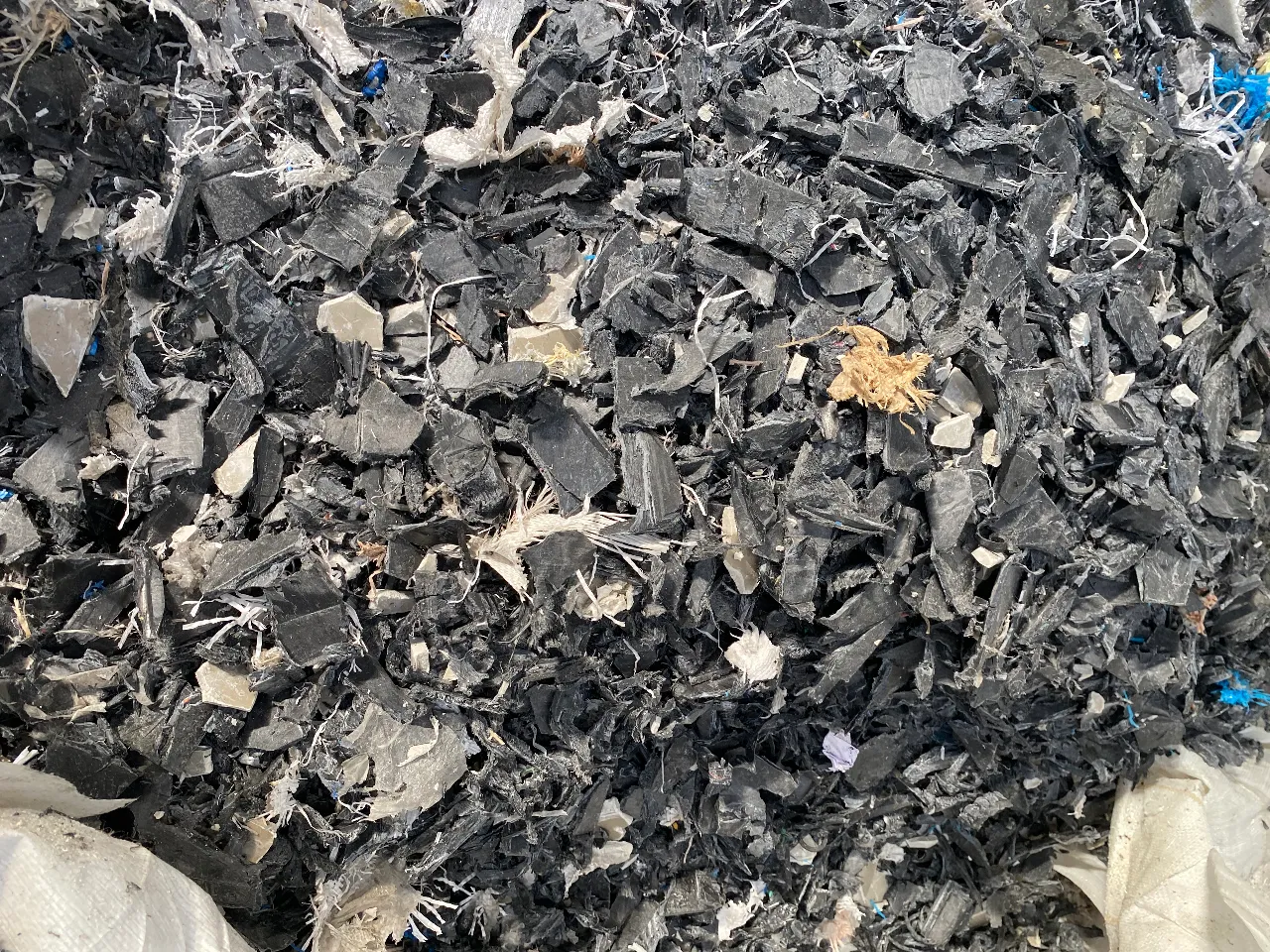
Representative feedstock and machine views for rigid plastic size reduction projects.
Technical Specifications
Reference models for rigid plastic size reduction. Actual output depends on material density, wall thickness, contamination, and selected screen aperture.
| Feature | ERM-800-SHD | ERM-1000-SHD | ERM-1200-SHD | ERM-1500-SHD |
|---|---|---|---|---|
| Number of Rotary Blades | 30 pcs | 39 pcs | 48 pcs | 57 pcs |
| Motor Power | 30 kW | 37 kW | 55 kW | 75 kW |
| Rotor Diameter | 275 mm | 315 mm | 375 mm | 400 mm |
| Approx. Output | 450 kg/h | 800 kg/h | 1200 kg/h | 1500 kg/h |
| Rotating Speed | 82 rpm | 82 rpm | 82 rpm | 82 rpm |
| Knife Material | SKD11 | SKD11 | SKD11 | SKD11 |
Reliable Support Throughout the Equipment Lifecycle
From installation planning to routine maintenance, our service team helps keep your equipment operating safely, consistently, and efficiently.
1-Year Limited Warranty
Coverage includes manufacturing defects in major mechanical and electrical components for one year. Normal wear parts and damage caused by improper operation are handled separately.
Installation Guidance
We provide layout, foundation, utility, clearance, line-integration, and commissioning guidance to support a smooth installation and reliable startup.
Spare Parts Supply
Replacement wear parts, bearings, seals, sensors, electrical components, and other service items are available for scheduled maintenance and long-term operation.
Technical Assistance
Remote troubleshooting, operating recommendations, maintenance guidance, and optional on-site service are available when your project needs additional support.
Frequently Asked Questions
Common questions from rigid plastic recyclers comparing output size, material range, and line integration.
Rigid plastics are shape-retaining materials such as pallets, crates, buckets, drums, pipes, purges, molded parts, and thick-walled containers. They require stronger torque and a different feeding strategy than films or fibers.
Typical materials include PE, HDPE, PP, PS, PET, PA, PC, ABS, PVC, lumps, startup purges, rigid containers, and selected automotive plastic parts, subject to material size and contamination level.
The final shred size is controlled by the screen installed below the rotor. Common output sizes depend on what your crusher, washing line, or conveying system requires next.
Yes. The PLC can manage automatic start, stop, reverse, and overload protection, and optional remote diagnostics can be configured depending on the electrical package.
Please share your material type, wall thickness, largest feed size, contamination level, target throughput, and what machine comes after shredding. That determines hopper size, motor power, rotor choice, and screen size.
Choose the Right Rigid Plastic Shredding Setup
Tell us what rigid plastic waste you process, your desired output size, and the downstream equipment in your line. We will recommend the right single-shaft shredder model and configuration.