

HW49 Hazardous Waste Container Washing & Recycling
Turn your hazardous waste containers into high-purity recycled feedstock. Engineered to robustly process steel drums, HDPE containers, and IBC totes with stringent regulatory compliance and maximum safety.

Engineering Outcomes
Discover how the HW49 line elevates throughput, cleaning efficacy, and operational safety in hazardous container processing.
Safety & Compliance
Fully enclosed automated process minimizes exposure. Optional closed-loop systems simplify wastewater management and ensure environmental compliance.
High-Throughput
Automated workflow from infeed to drying reduces manual intervention and labor costs, delivering consistent output shift after shift.
Resource Recovery
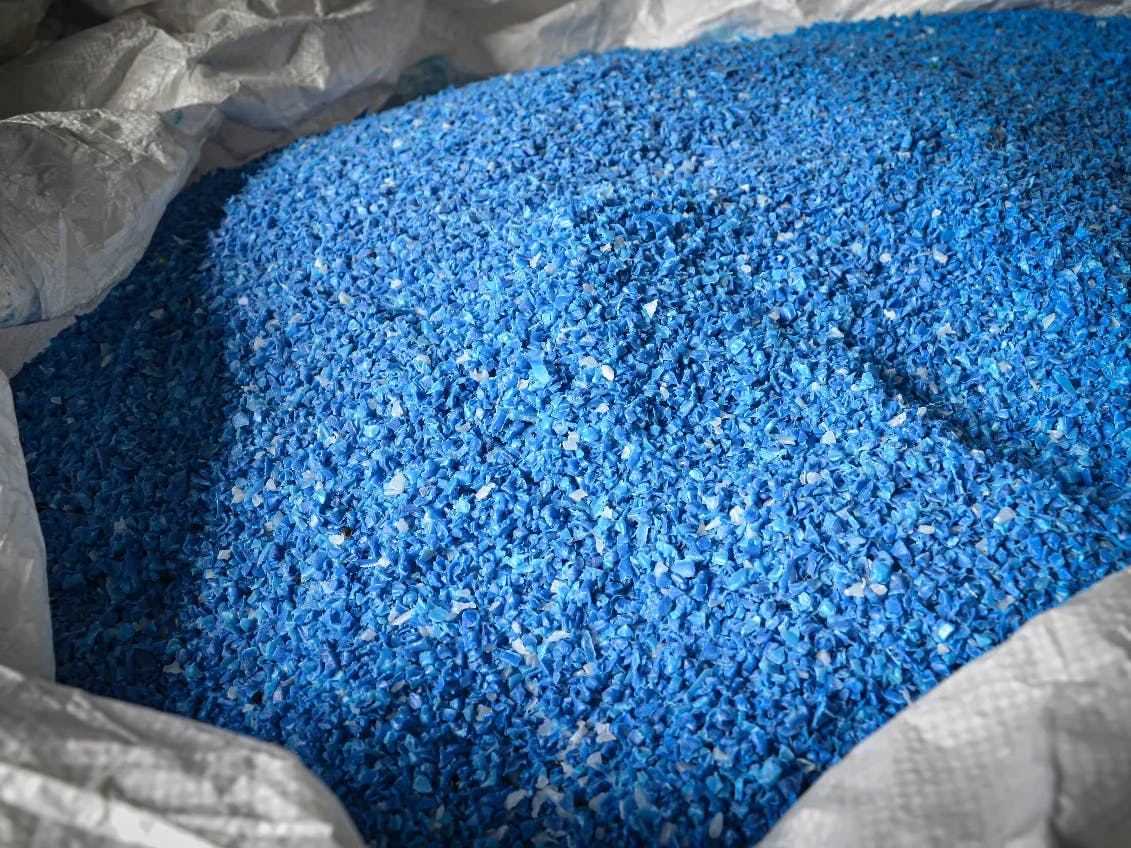
Multi-stage washing process produces exceptionally clean metal and plastic flakes, maximizing value for downstream applications.
Comparative Performance
See the advantages of an integrated HW49 line versus conventional methods.
| Feature | Conventional Methods | The HW49 Solution |
|---|---|---|
| Operator Safety | High exposure risk | Fully enclosed system |
| Cleaning Efficacy | Inconsistent results | Multi-stage high-purity |
| Output Quality | Residual contamination | High-value reusable feedstock |
| Compliance | Difficult treatment | Closed-loop reclamation |
Swipe sideways to view the full table.
HW49 Hazardous Waste Container Treatment Process
A proven 8-stage sequence engineered for continuous decontamination, volatile chemical recovery, and high-purity HDPE/steel material reclamation.
Residual Drainage & Infeed
Explosion-proof extraction and secondary containment sumps safely drain and recover hazardous liquids prior to cutting, followed by metered conveyor infeed.
Low-Speed Heavy Shredding
High-torque, low-RPM dual-shaft shredder cuts whole 200L drums, IBC totes, and steel barrels without sparks, complete with inert gas purge ports.
Secondary Wet Granulation
Water-injected precision cutting reduces shredded strips into uniform 12–16 mm flakes, cooling knife edges while flushing off initial chemical surface residues.
Hot Chemical Decontamination
Continuous 80–90°C hot washing with 1.5–2.5% NaOH solution and specialized degreasers aggressively strips stubborn motor oils, resins, and pesticides.
High-Speed Friction Scrubbing
Dynamically balanced multi-paddle rotor forces intensive flake-on-flake mechanical collisions, stripping chemical crusts, degraded pigments, and adhesives.
Sink-Float Density Separation
Float-sink water bath floats clean HDPE/PP flakes to the surface while sinking heavy metals, sand, and hazardous sediment to the continuous discharge screw.
Neutralization & Fresh Rinse
Multi-stage freshwater spray cascade thoroughly removes residual alkaline solution, ensuring neutral effluent pH (6.5–7.5) and residue-free flake surfaces.
Dewatering, Drying & Storage
High-speed centrifugal dryer removes free water, followed by stainless steel hot-air pipeline drying to achieve < 1.5% moisture, pneumatic-fed into storage silos.
Residual Drainage & Infeed
Explosion-proof extraction and secondary containment sumps safely drain and recover hazardous liquids prior to cutting, followed by metered conveyor infeed.
Low-Speed Heavy Shredding
High-torque, low-RPM dual-shaft shredder cuts whole 200L drums, IBC totes, and steel barrels without sparks, complete with inert gas purge ports.
Secondary Wet Granulation
Water-injected precision cutting reduces shredded strips into uniform 12–16 mm flakes, cooling knife edges while flushing off initial chemical surface residues.
Hot Chemical Decontamination
Continuous 80–90°C hot washing with 1.5–2.5% NaOH solution and specialized degreasers aggressively strips stubborn motor oils, resins, and pesticides.
High-Speed Friction Scrubbing
Dynamically balanced multi-paddle rotor forces intensive flake-on-flake mechanical collisions, stripping chemical crusts, degraded pigments, and adhesives.
Sink-Float Density Separation
Float-sink water bath floats clean HDPE/PP flakes to the surface while sinking heavy metals, sand, and hazardous sediment to the continuous discharge screw.
Neutralization & Fresh Rinse
Multi-stage freshwater spray cascade thoroughly removes residual alkaline solution, ensuring neutral effluent pH (6.5–7.5) and residue-free flake surfaces.
Dewatering, Drying & Storage
High-speed centrifugal dryer removes free water, followed by stainless steel hot-air pipeline drying to achieve < 1.5% moisture, pneumatic-fed into storage silos.
Technical Specifications
| Capacity (kg/h) | Power (kW) | Area (m²) | Staff | Steam (kg/h) | Air (MPa) | Water (m³/h) |
|---|---|---|---|---|---|---|
| 500 | 220 | 400 | 8 | 350 | 0.6-0.8 | 1 |
| 1000 | 500 | 750 | 10 | 500 | 0.6-0.8 | 3 |
| 2000 | 700 | 1000 | 12 | 800 | 0.6-0.8 | 5 |
| 3000 | 900 | 1500 | 12 | 1000 | 0.6-0.8 | 6 |
| 6000 | 1200 | 2500 | 16 | 1800 | 0.6-0.8 | 10 |
Swipe sideways to view the full table.
Reference Images

Operation Video
Technical FAQs
An HW49-B hazardous waste container washing line is designed to safely process contaminated plastic drums, IBCs, and containers that held chemicals, oils, or hazardous materials. It includes containment systems, chemical wash stages, rinse cycles, and wastewater treatment to decontaminate containers for recycling while meeting environmental regulations.
Yes, with proper decontamination. HDPE drums and IBC containers that held chemicals can be triple-rinsed, shredded, intensively washed, and recycled into clean HDPE pellets for non-food applications like drainage pipes, industrial containers, and automotive parts. Strict protocols and certified washing equipment ensure worker safety and regulatory compliance.
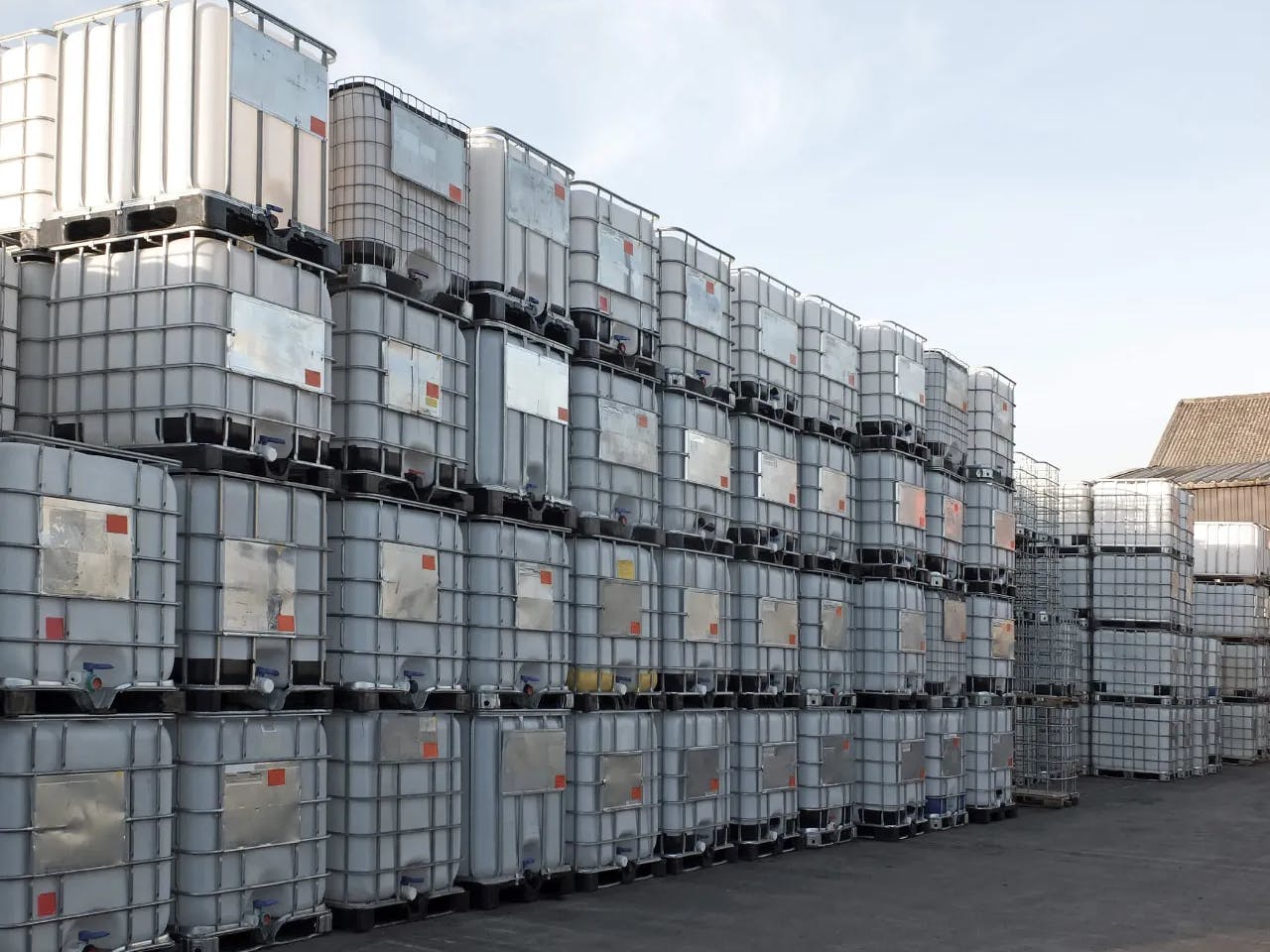
The HW49 is designed to process 200L steel drums, HDPE barrels, and 1000L IBC totes that previously contained chemicals, oils, and industrial residues.
Produces high-purity plastic flakes or metal scrap suitable for re-pelletizing or melting, significantly reducing contamination levels.
Can be integrated with water reclamation systems. Discharge must be treated per local environmental regulations.
Testimonials
“The HW49 line has been a game-changer. We’ve doubled throughput and the cleanliness exceeded expectations.”
“The automated and enclosed design significantly reduced operational risk for our team.”
Plan Your Hazardous Container Recycling Project
Share the inputs below and we will size the washing, safety, and wastewater modules around your hazardous container stream.
Request a Custom Quote
Use the form to send your feedstock details, target capacity, and site requirements.