A single shaft shredder looks simple from the outside: one rotor, one chamber, one pusher. In the field, uptime and throughput depend on details—how consisten...
Single screw extruders are common in plastics processing, and they can also pelletize PET bottle flakes into rPET pellets—if the line controls moisture, volat...
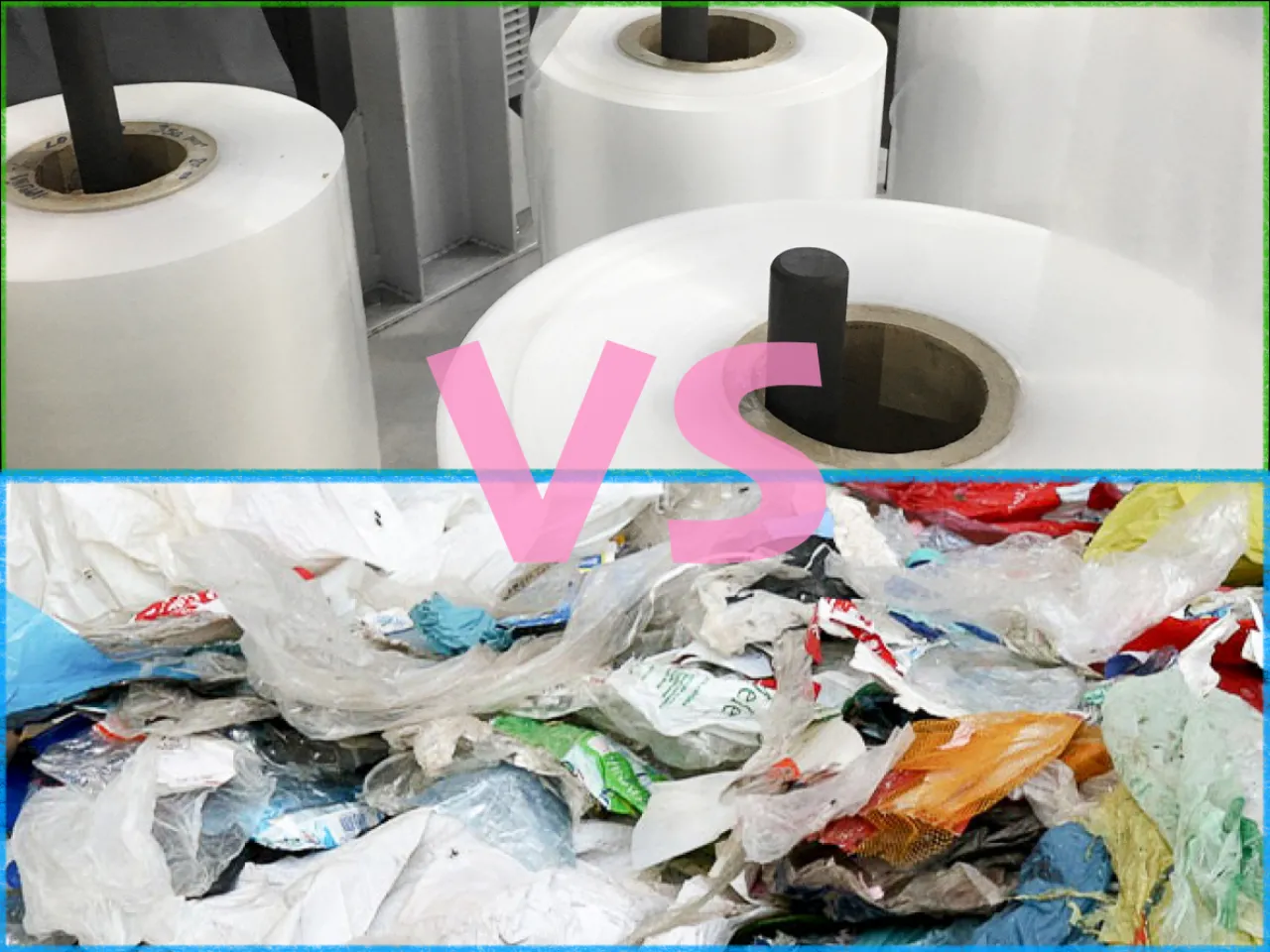
Rigid plastics (containers, crates, pipes) and flexible plastics (film, bags, woven material) are not just “different polymers.” They behave differently in...
Rigid plastic recycling continues to move toward higher consistency: tighter contamination windows, more repeatable washing performance, and better process moni...
Recycling lines rarely fail because the core machine can’t melt or cut plastic. They fail because the plant layout creates bottlenecks: poor material flow, un...
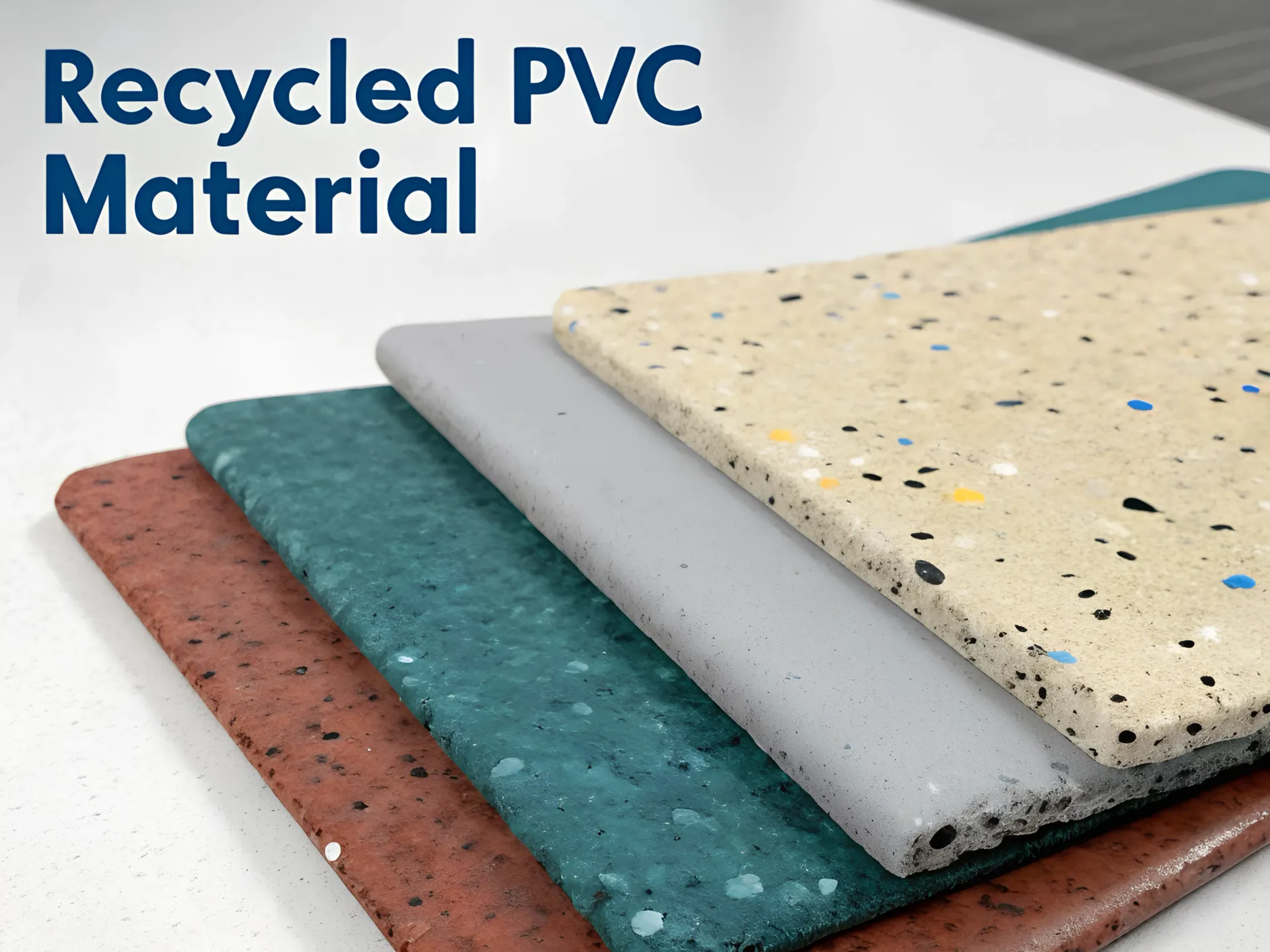
Demand for recycled PVC (rPVC) is closely tied to building and industrial products: windows, profiles, pipes, flooring, and other durable applications. These ma...
Two plants can both say they “recycle plastic” and still require very different equipment. The biggest divider is where the feedstock comes from: Post-indu...
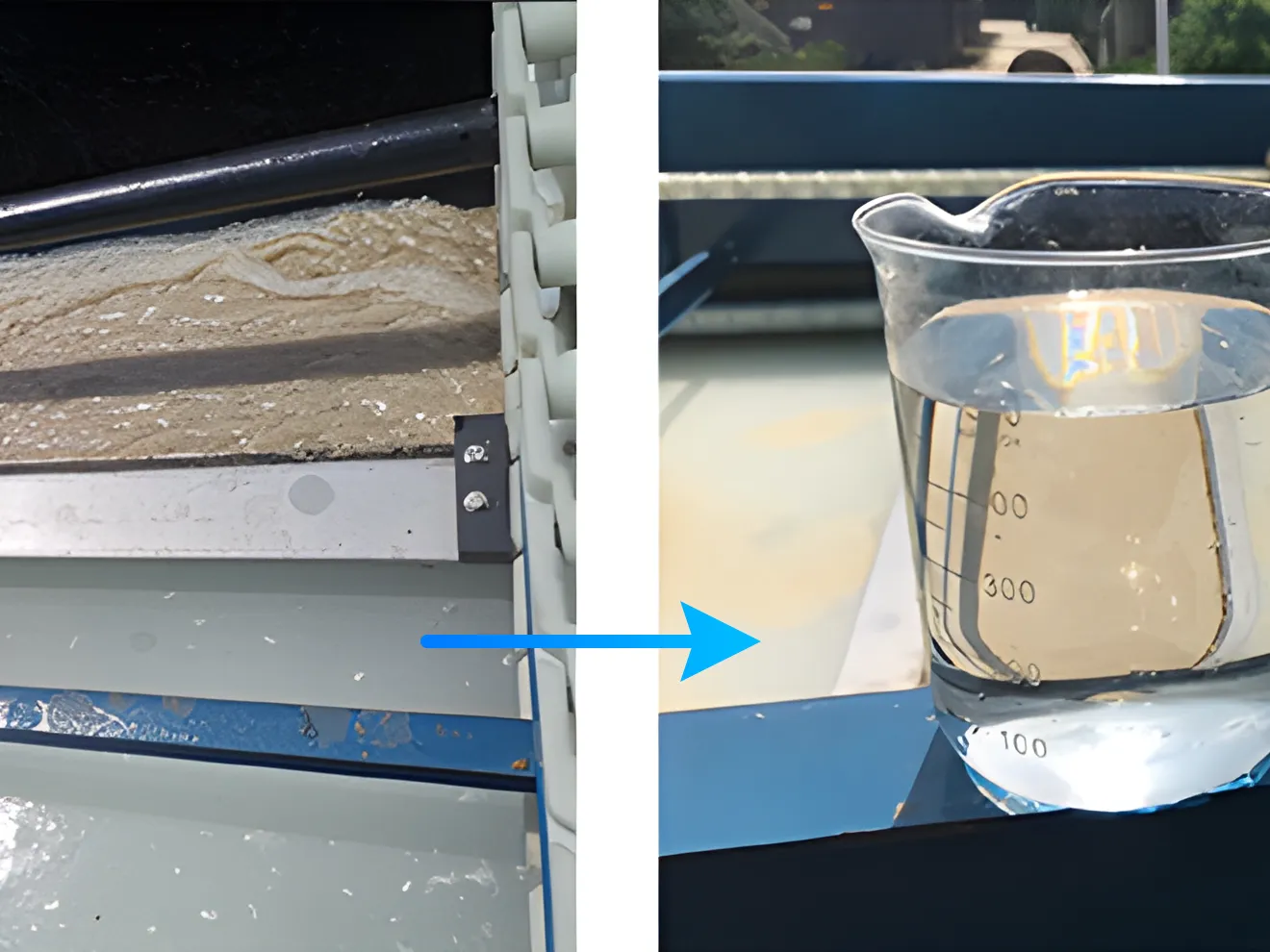
Plastic washing lines move a lot of water. If you let water quality drift, you see the impact immediately: dirt redeposits on flakes, pumps clog, friction washe...
Plastic recycling machine prices range from $15,000 for a standalone shredder to over $500,000 for a fully automated pelletizing line. The exact number depends...
PVC recycling maintenance is often harder than PP/PE recycling maintenance for two reasons: abrasive wear (fillers, dirt, grit) and fine dust (especially in gri...