

Dewatering & Densifying
Plastic Film Squeezer & Densifier Machine
Mechanically dewater and densify washed PP/PE film and woven bags. Use after washing or after centrifugal dewatering when further moisture reduction and higher bulk density are needed. Typical outlet moisture is around 1–3% under suitable material and operating conditions.
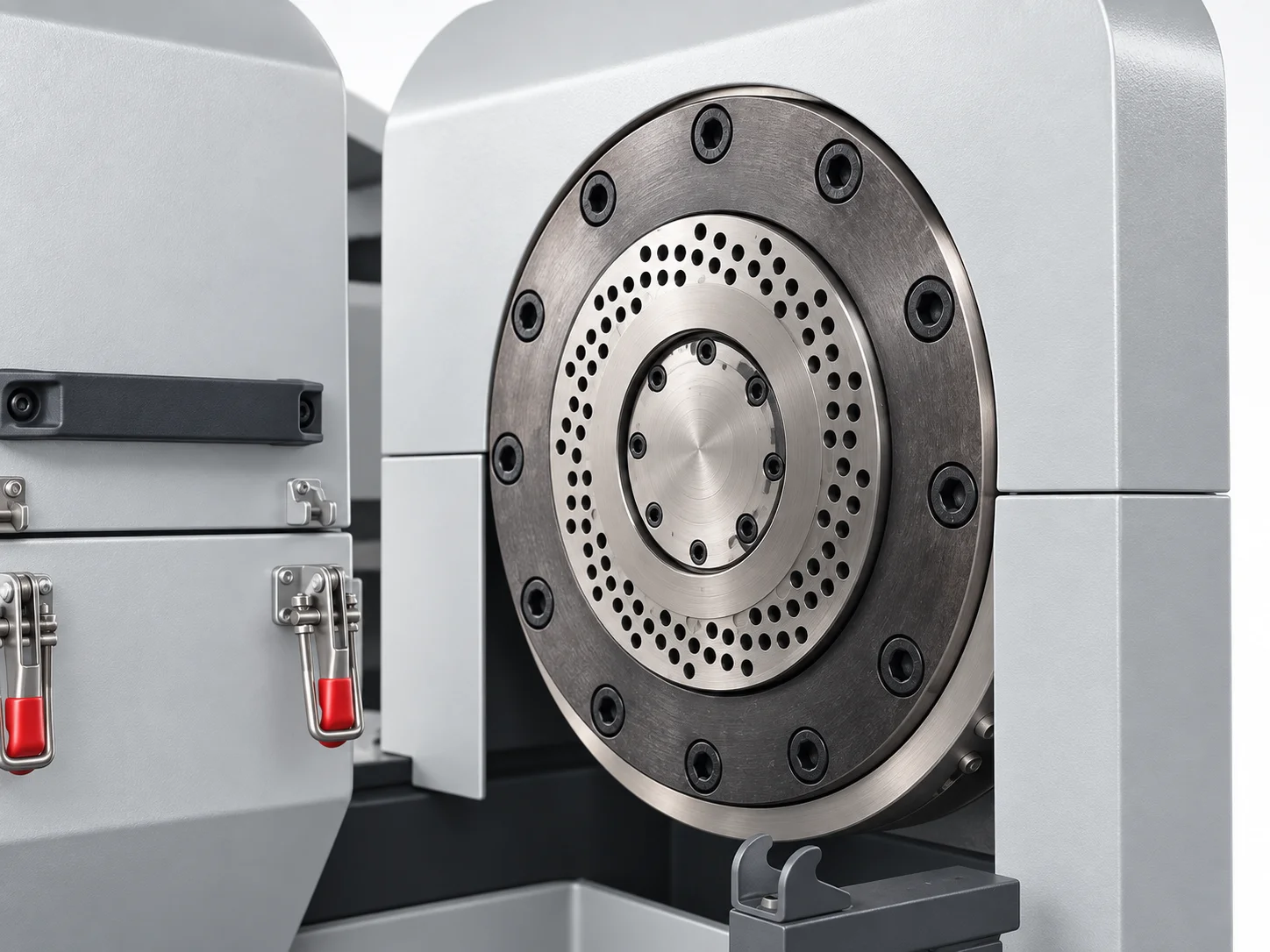
Complementary Process Stages
Centrifugal Dewatering Followed by Squeezing & Densification
A film centrifuge removes bulk water after washing. A squeezer can then provide further mechanical dewatering and compact the film when the downstream process requires lower moisture or higher bulk density.
| Process Role | Film Centrifugal Dewatering | Film Squeezing & Densification |
|---|---|---|
| Main Function | Separate bulk water from washed film using centrifugal force | Press out remaining water and compact the film with a screw |
| Material Form | Dewatered film remains loose | Film is discharged as denser, compacted lumps |
| When Used Together | Installed after washing, ahead of the squeezer | Receives centrifugally dewatered film for further processing |
| Downstream Benefit | Reduces the water load entering the next stage | Helps prepare material for consistent extruder feeding |
| Selection Basis | Film type, inlet water load and required throughput | Residual moisture, target bulk density and pelletizer feed requirements |
Step by Step
Operating Sequence
From washed or centrifugally dewatered film to compacted material for the next processing stage.
Feeding
Washed film or woven bag scrap enters the hopper. The feed can come from a film centrifugal dewatering machine.
Squeezing
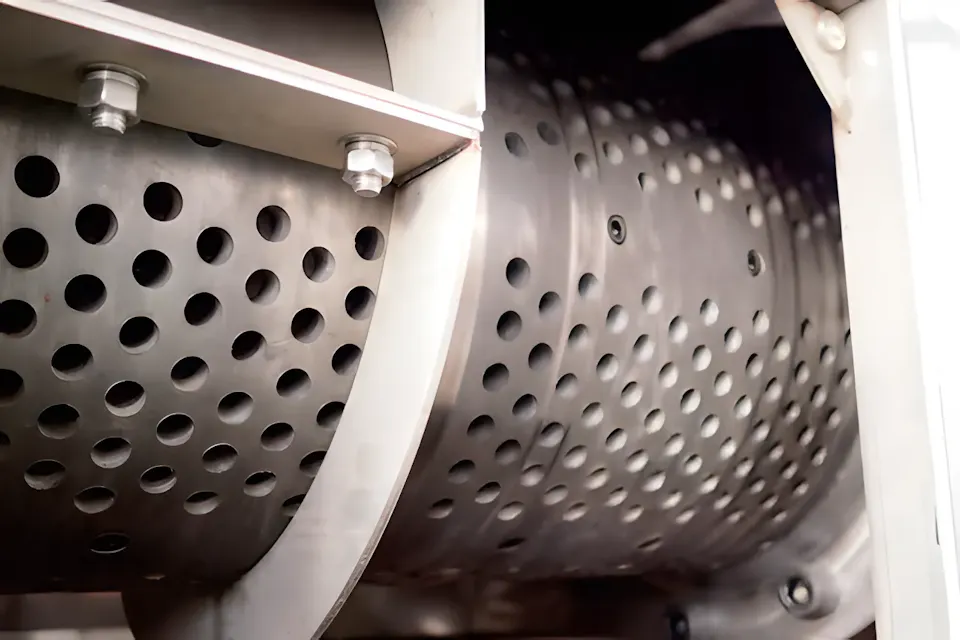
A high-torque screw pushes material through a perforated barrel under mechanical pressure.
Dehydration
Screw pressure expels water through the perforated barrel. Outlet moisture depends on the material, inlet moisture and operating conditions.
Densification
Screw compression and controlled friction help compact the film into denser lumps.
Discharge
Discharge compacted material to the next stage. Confirm moisture, temperature and lump size against the pelletizer feed requirements.
Feeding
Washed film or woven bag scrap enters the hopper. The feed can come from a film centrifugal dewatering machine.
Squeezing
A high-torque screw pushes material through a perforated barrel under mechanical pressure.
Dehydration
Screw pressure expels water through the perforated barrel. Outlet moisture depends on the material, inlet moisture and operating conditions.
Densification
Screw compression and controlled friction help compact the film into denser lumps.
Discharge
Discharge compacted material to the next stage. Confirm moisture, temperature and lump size against the pelletizer feed requirements.
Engineered for Results
Performance Advantages
The squeezer combines mechanical water removal and densification to prepare washed film for downstream handling and pelletizing.
Efficient Moisture Reduction
Typical outlet moisture is around 1–3% under suitable conditions. Actual results depend on film type, inlet moisture, contamination, feed rate and machine settings. It can provide further water removal after centrifugal dewatering.
Density & Volume Optimization
Compacts loose film into denser lumps, helping downstream conveying and extruder feeding. The density increase depends on the material and configuration.
Controlled Mechanical Processing
Water is removed mainly by mechanical pressure. Friction also generates heat, so feed rate, pressure and operating temperature must suit the material.
Preparation for Pelletizing
Lower moisture and higher bulk density can help stabilize feeding and reduce moisture-related processing problems. Final throughput and pellet quality also depend on sorting, washing, filtration, degassing and extrusion settings.
Video Demonstration
Watch the plastic film squeezing machine in real production — from wet film input to dense lump output.
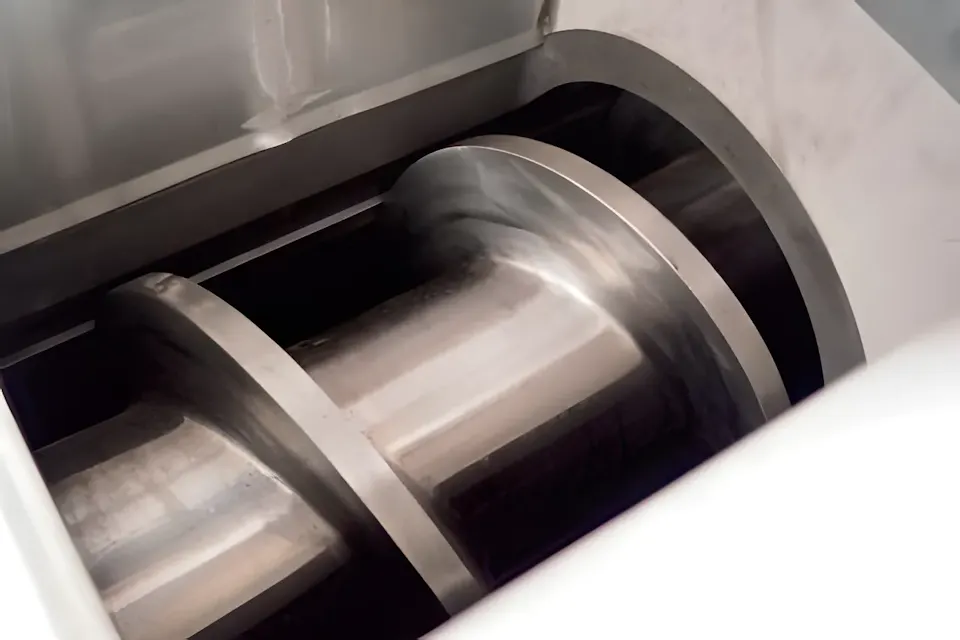
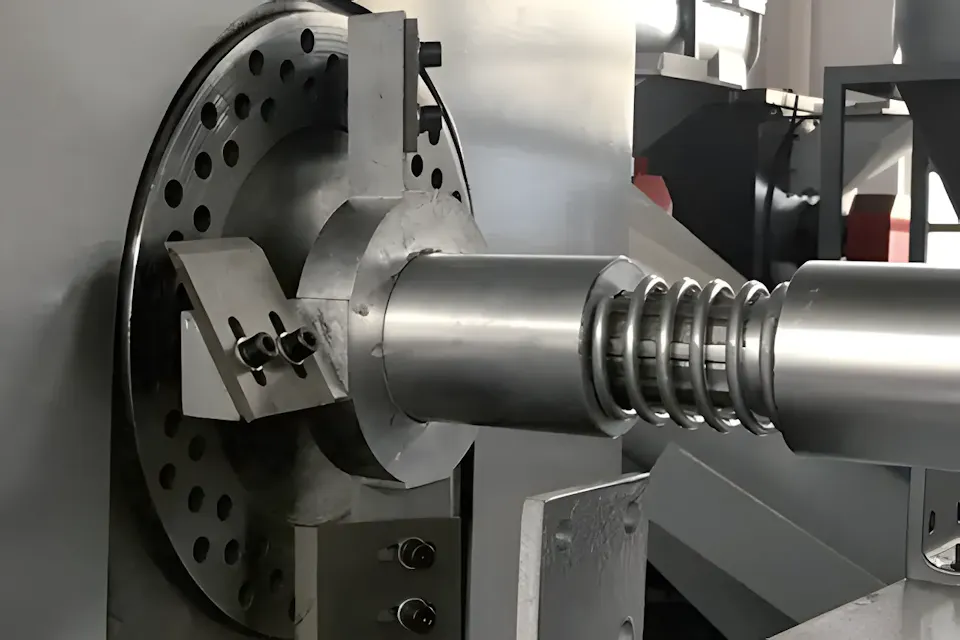
Machine Details & Gallery
A closer look at the squeezer’s key components and build quality.
Downstream Value
Downstream Applications
The squeezer produces compacted film for further processing. Suitability of the resulting recycled pellets for finished products depends on feedstock quality and the downstream pelletizing process.
PE/PP Pelletizing Feedstock
Compacted film can feed a compatible pelletizing line once moisture, temperature and lump size meet its input requirements.
Injection Molded Products
After pelletizing and quality checks, suitable recycled grades may be used for pallets, crates and other industrial molded products.
New Film & Bag Extrusion
Selected recycled grades may be used for non-food-grade film and bags after suitable filtration, pelletizing and application testing.
Technical Specifications
Four models offer reference output ranges covering 200–1000 kg/h. Actual throughput depends on material type, inlet moisture, bulk density and feed stability. Confirm the capacity basis and target outlet moisture for your material during model selection.
| Model | Screw Diameter | Applicable Material | Output |
|---|---|---|---|
| ERM-250C | 250 mm | PP / PE Film and Woven Bags | 200–350 kg/h |
| ERM-300S | 300 mm | PP / PE Film and Woven Bags | 400–550 kg/h |
| ERM-320P | 320 mm | PP / PE Film and Woven Bags | 600–750 kg/h |
| ERM-350M | 350 mm | PP / PE Film and Woven Bags | 800–1000 kg/h |
Reliable Support Throughout the Equipment Lifecycle
From installation planning to routine maintenance, our service team helps keep your equipment operating safely, consistently, and efficiently.
1-Year Limited Warranty
Coverage includes manufacturing defects in major mechanical and electrical components for one year. Normal wear parts and damage caused by improper operation are handled separately.
Installation Guidance
We provide layout, foundation, utility, clearance, line-integration, and commissioning guidance to support a smooth installation and reliable startup.
Spare Parts Supply
Replacement wear parts, bearings, seals, sensors, electrical components, and other service items are available for scheduled maintenance and long-term operation.
Technical Assistance
Remote troubleshooting, operating recommendations, maintenance guidance, and optional on-site service are available when your project needs additional support.
Frequently Asked Questions
A film squeezer and densifier uses screw pressure to remove water from washed PP/PE film and compact it into denser lumps. It combines further mechanical dewatering with material preparation for downstream handling and pelletizing.
Yes. A film centrifugal dewatering machine can first remove bulk water from washed film. The squeezer can then remove additional water and increase bulk density. The two machines can work in sequence; whether both stages are needed depends on the incoming material, required throughput and pelletizer feed requirements.
It is designed for washed PP/PE film, PP woven bags and compatible PP/PE non-woven scrap. Confirm suitability for multilayer films, heavily contaminated feed or other polymers before selecting a configuration. Material should be sorted and washed upstream.
Typical outlet moisture is around 1–3% under suitable material and operating conditions. Results depend on film type, inlet moisture, contamination, feed stability, throughput and machine settings. Confirm the achievable moisture with your material and check whether it meets the downstream pelletizer requirements.
Screw compression and friction generate heat. Operating temperature, pressure and feed rate need to be matched to the material to manage overheating and degradation risks. The appropriate settings and any further drying requirements should be confirmed for the line.
The machine carries a 1-year limited warranty covering manufacturing defects in major mechanical and electrical components. Normal wear parts and damage from improper operation are handled separately. Replacement wear parts, bearings, seals, sensors, and electrical components remain available for long-term maintenance.
Yes. Our team provides layout, foundation, utility, clearance, and line-integration guidance to support a smooth installation, plus commissioning support at startup. Remote troubleshooting and optional on-site technical assistance are available afterward.
Get a Custom Squeezer Configuration
Share your material type, target throughput, inlet moisture and downstream pelletizer requirements. Tell us whether the line includes centrifugal dewatering so we can match the squeezer configuration to your process.