

Tire Recycling Pre-Treatment Equipment
Waste Tire Cutting Machine for Stable Tire Recycling Feed
Cut debeaded passenger and truck tires into manageable rubber blocks before shredding, pyrolysis, or further size reduction. This hydraulic tire cutting machine improves feeding stability, reduces manual handling, and prepares bulky tires for more controlled downstream processing.
Why This Waste Tire Cutting Machine Helps the Whole Line
The cutter is not the final size reduction stage. Its real value is making bulky debeaded tires easier to load, easier to control, and less disruptive to the next machine.
Turns Bulky Tires into Manageable Blocks
Cutting large debeaded tires into smaller sections makes them easier to stack, transport, meter, and feed into shredders or other downstream equipment.
Wear-Resistant Cutting Blade
The cutting blade is built from hardened wear-resistant material to deliver longer service life under repetitive heavy-duty tire cutting.
Faster Tire Handling
The rolling shelf and rotary platform reduce manual repositioning and help operators move through repetitive cutting cycles more efficiently.
Stable Hydraulic Cutting Force
The hydraulic system provides steady pressure for cutting dense tire bodies while keeping operation more predictable than purely manual processing methods.
Designed for Safer Repetitive Operation
Automatic repositioning and anti-sticking features support smoother cutting cycles and help reduce the disruptions caused by jammed or awkwardly positioned tires.
Better Feed for the Next Process
Pre-cut blocks are easier for shredders, conveyors, and reactors to accept than full bulky tires, especially when feed uniformity matters.
Where a Tire Cutting Machine Creates Practical Value
This machine is most useful when whole tires are too bulky for the next stage or when operators need a more controlled pre-treatment step before heavy size reduction.
Tire Shredder Feed Preparation
Pre-cut blocks help stabilize loading into tire shredders where full bulky tires can be harder to handle efficiently.
Pyrolysis Feed Pre-Treatment
Cutting the tire into sections can improve feed handling for projects that process tire pieces before reactor loading.
Lower Transport Handling Burden
Smaller rubber blocks are easier to load, stack, and transfer between workstations than intact bulky tires.
Pre-Treatment for Tire Recycling Plants
Useful as an upstream step in plants that need better control before shredding, granulation, and powder production.
Batch Feed Conditioning
Makes batch loading easier when downstream machines or operators perform better with shorter and more uniform tire pieces.
Collection Yard Pre-Processing
Useful when collection or storage sites want to prepare tires before shipping them to the main recycling plant.
Simple Tire Cutting Workflow
This machine is designed for a direct, repeatable pre-treatment cycle that turns prepared whole tires into smaller blocks with less handling difficulty.
Remove the Bead First
The tire should be debeaded before cutting so the machine handles the body more safely and efficiently.
Load the Tire
The operator places the debeaded tire onto the rotary platform and aligns it for the cutting cycle.
Hydraulic Cutting Cycle
The machine secures the tire and cuts it into smaller rubber blocks using a controlled hydraulic stroke.
Collect and Feed Forward
The resulting blocks are easier to move to the shredder, pyrolysis unit, or the next handling stage.
Remove the Bead First
The tire should be debeaded before cutting so the machine handles the body more safely and efficiently.
Load the Tire
The operator places the debeaded tire onto the rotary platform and aligns it for the cutting cycle.
Hydraulic Cutting Cycle
The machine secures the tire and cuts it into smaller rubber blocks using a controlled hydraulic stroke.
Collect and Feed Forward
The resulting blocks are easier to move to the shredder, pyrolysis unit, or the next handling stage.
Using a Tire Cutter vs Handling Whole Tires Directly
The cutter adds one more step, but that step can make the rest of the line easier to operate when whole tires are awkward to load or meter consistently.
| Decision Factor | Waste Tire Cutting Machine | Whole Tire Handling Only |
|---|---|---|
| Feed Control | Pre-cut sections are easier to meter and load into the next machine | Whole tires are bulkier and harder to handle consistently |
| Operator Handling | Rotary platform and rolling shelf simplify repetitive cutting work | More manual repositioning and awkward movement of full tires |
| Downstream Stability | Better for projects that want smaller, more manageable feed blocks | Downstream equipment may face less uniform and less convenient feed |
| Best Fit | When bulky tires must be pre-treated before shredding or further reduction | When the next machine is designed to accept full tires directly |
| Line Role | Pre-treatment step for better feeding and handling | Fewer steps, but less control over how bulky tires enter the line |
Technical Specifications
Choose the model by tire diameter, required pieces per hour, and how the cutter will be integrated into the overall tire recycling workflow.
| Parameter | Model 900 | Model 1200 |
|---|---|---|
| Capacity | 10-30 pcs/h | 20-40 pcs/h |
| Handling Tire Diameter | ≤ Phi1000 mm | ≤ Phi1200 mm |
| Motor Power | 5.5 kW | 7.5 kW |
| Working Pressure | 8 MPa | 12 MPa |
| Machine Weight | 1.8 tonne | 2.5 tonne |
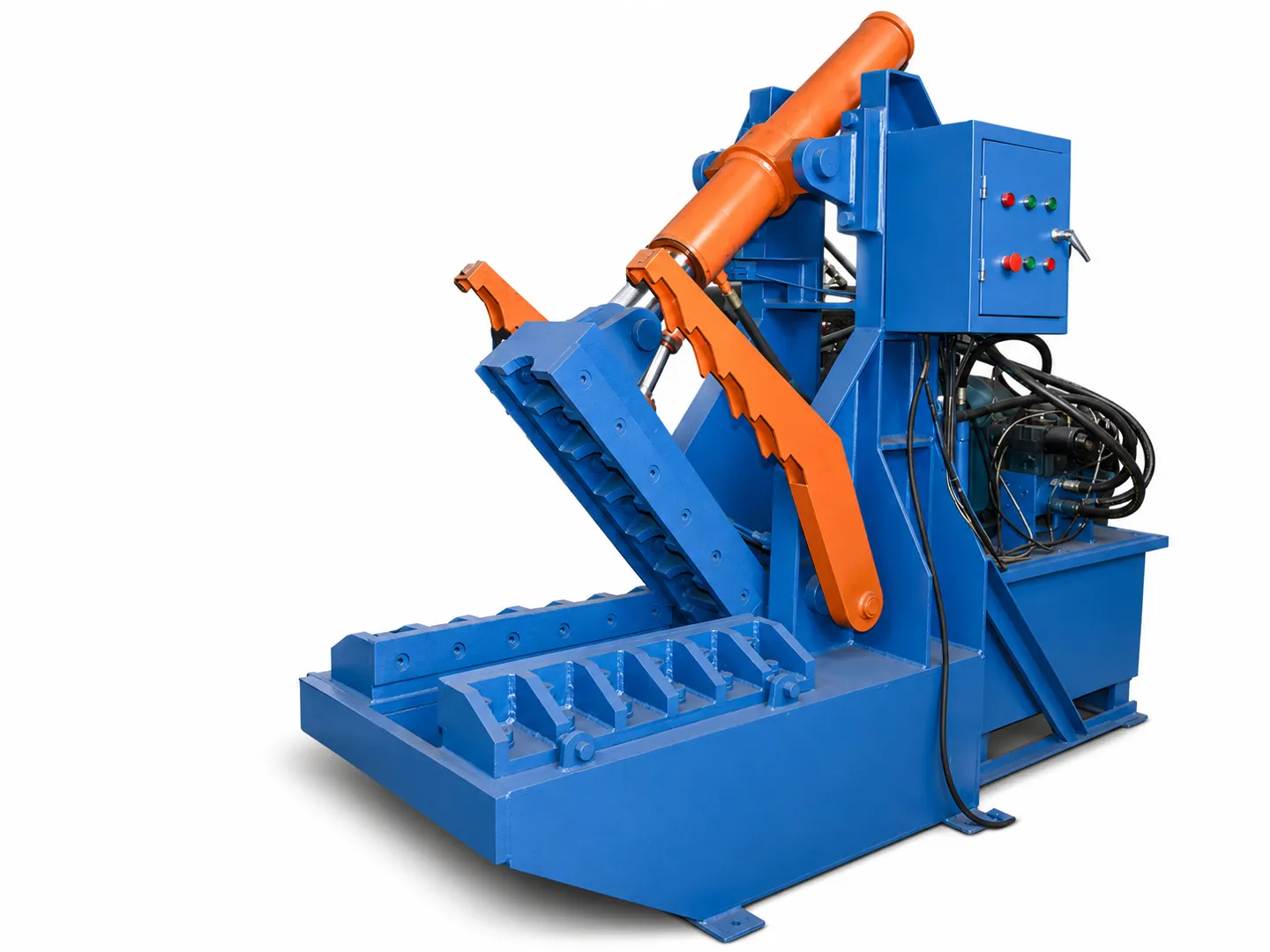
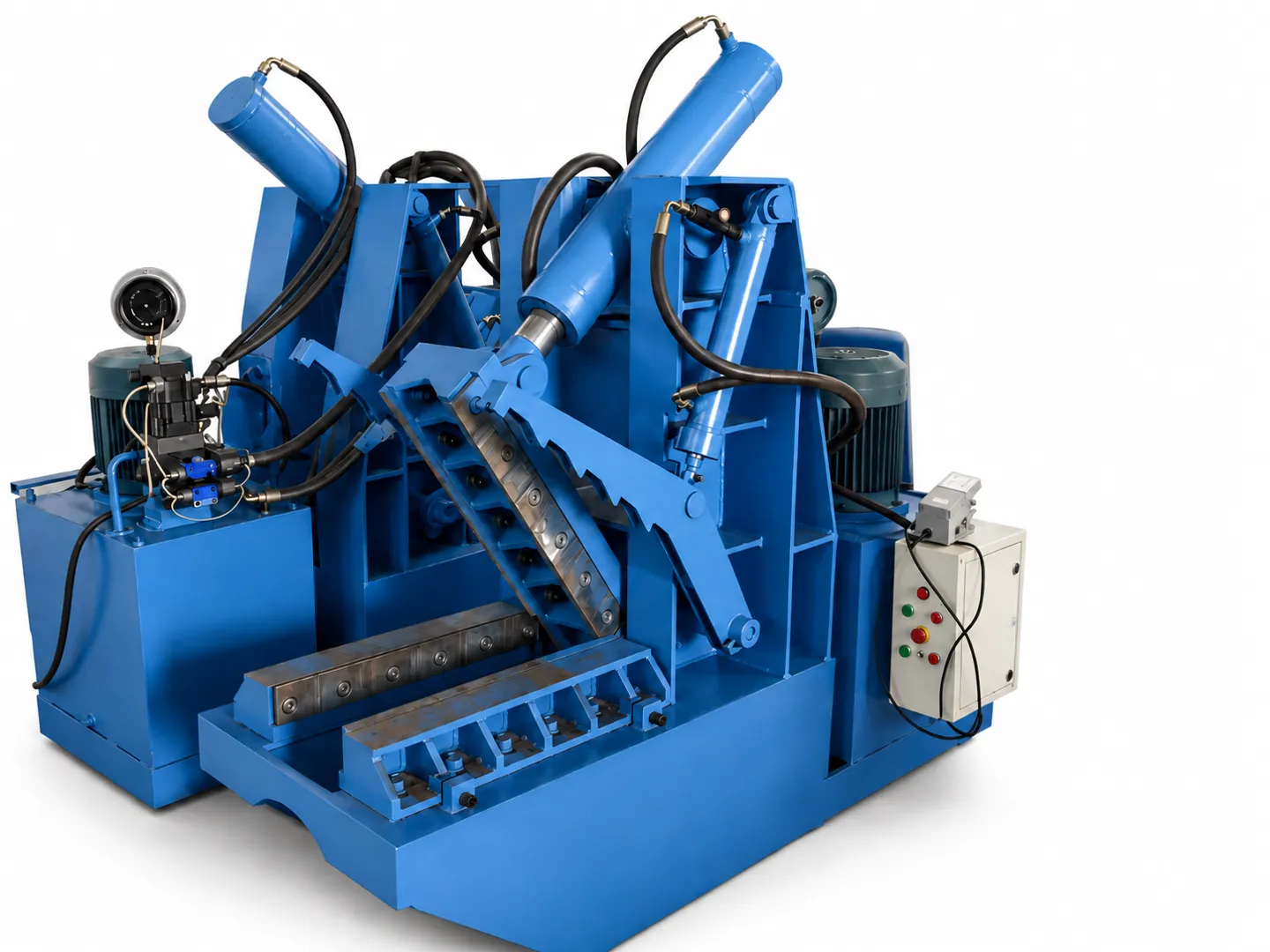
Machine Showcase
Reference views of two hydraulic tire cutter configurations for recycling pre-treatment.
Frequently Asked Questions
Common questions about tire preparation, suitable tire sizes, operation, and maintenance.
Yes. For best performance, tires should be debeaded before entering the cutting machine. Removing the steel bead helps protect the cutting stage and improves handling during the cutting cycle.
Model 900 handles tires up to Phi1000 mm, while Model 1200 handles tires up to Phi1200 mm. Final model choice depends on your typical tire diameter and desired hourly output.
Pre-cutting can make bulky tires easier to load, easier to meter, and easier for the next machine to accept. It is especially useful where operators want better control over downstream feeding.
No specialist background is required. With basic training and safe operating procedures, an operator can manage the machine efficiently through its normal loading and cutting cycle.
Routine maintenance includes hydraulic system inspection, lubrication of moving parts, and periodic checking of blade condition. Keeping the machine clean and correctly adjusted helps maintain cutting performance.
Choose the Right Tire Cutting Setup
Tell us your tire diameter range, target pieces per hour, and what machine comes next in the line. We will recommend the right cutter model and pre-treatment layout for your project.