Polyvinyl Chloride (PVC) is a cornerstone material in modern infrastructure, from underground piping to window profiles. However, its complex formulation—ofte...
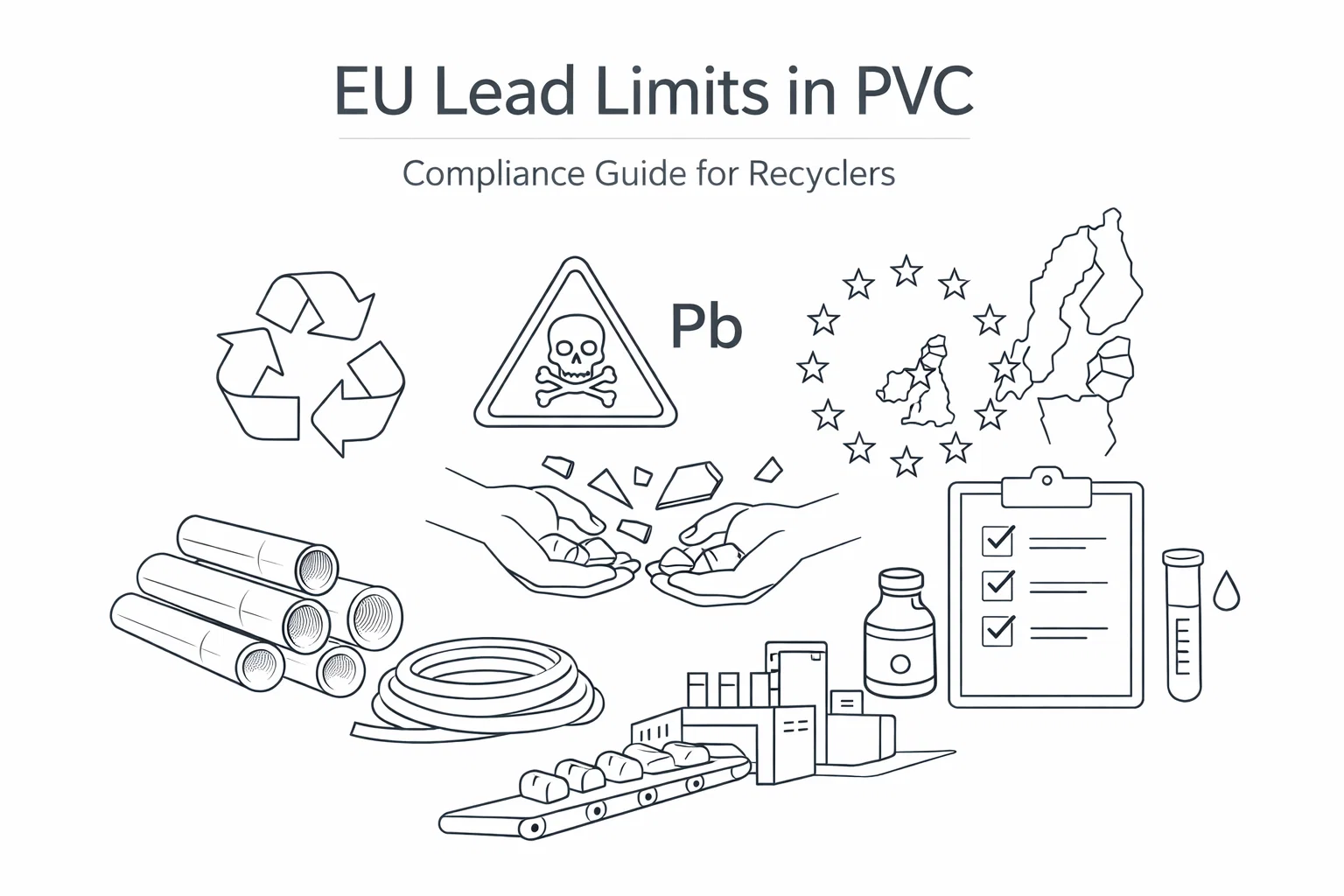
Some older PVC products—especially in building applications—used lead-based stabilizers. As those products reach end of life, recyclers can encounter “leg...
Expanded polystyrene (EPS) is technically recyclable, but it’s often treated as “not worth it” because of one practical issue: volume. Loose EPS is mostly...
Drying is one of the biggest operating costs in a plastic recycling line. The decision is not “centrifugal dryer vs hot air.” It is how far you need to push...
In modern plastic recycling operations, performance is measured by more than just throughput. Efficiency, uptime, energy consumption, and final material quality...
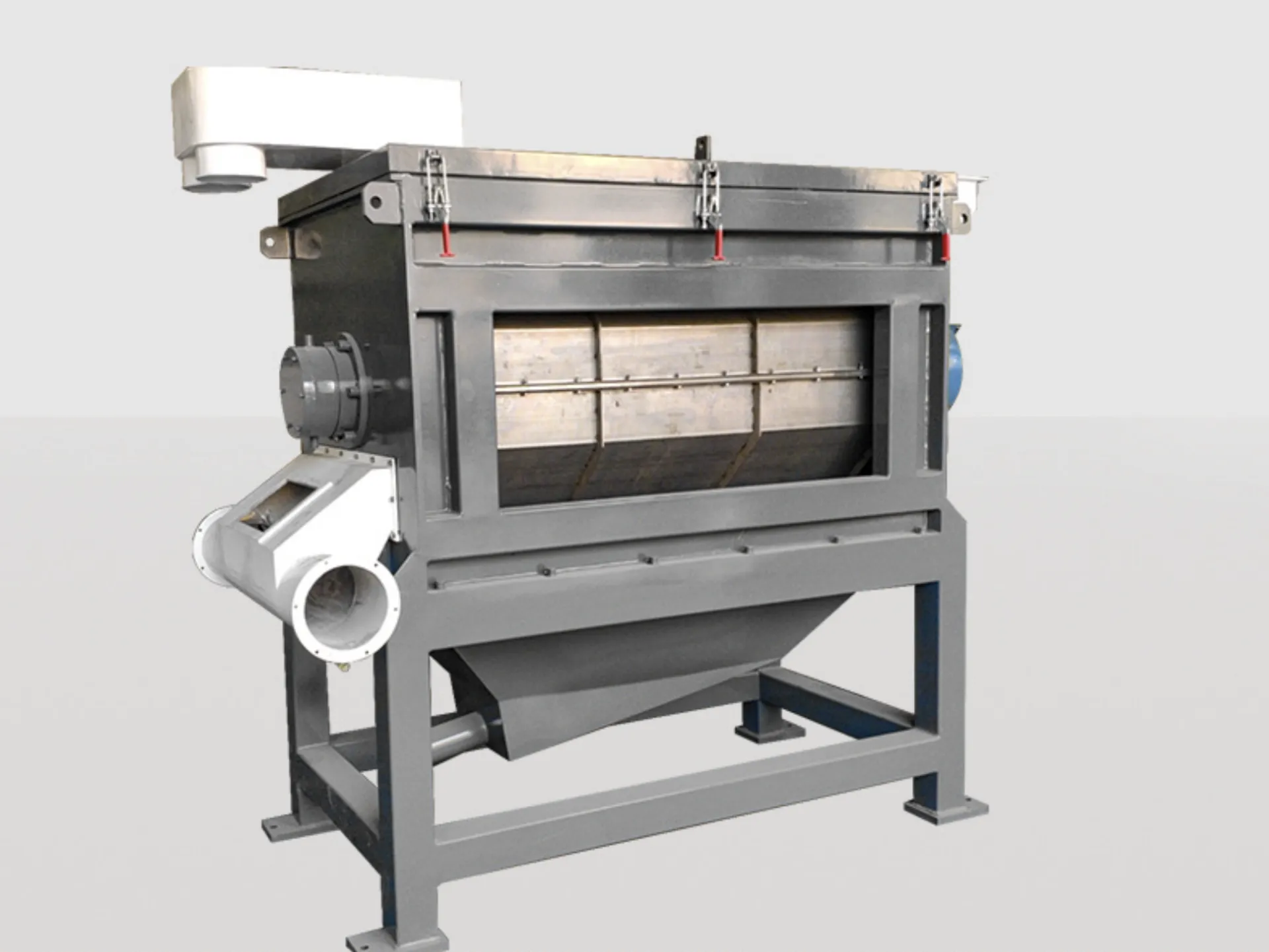
A centrifugal dryer runs fast, sees abrasive fines, and lives in a wet environment. That combination makes it one of the highest-maintenance machines in a washi...
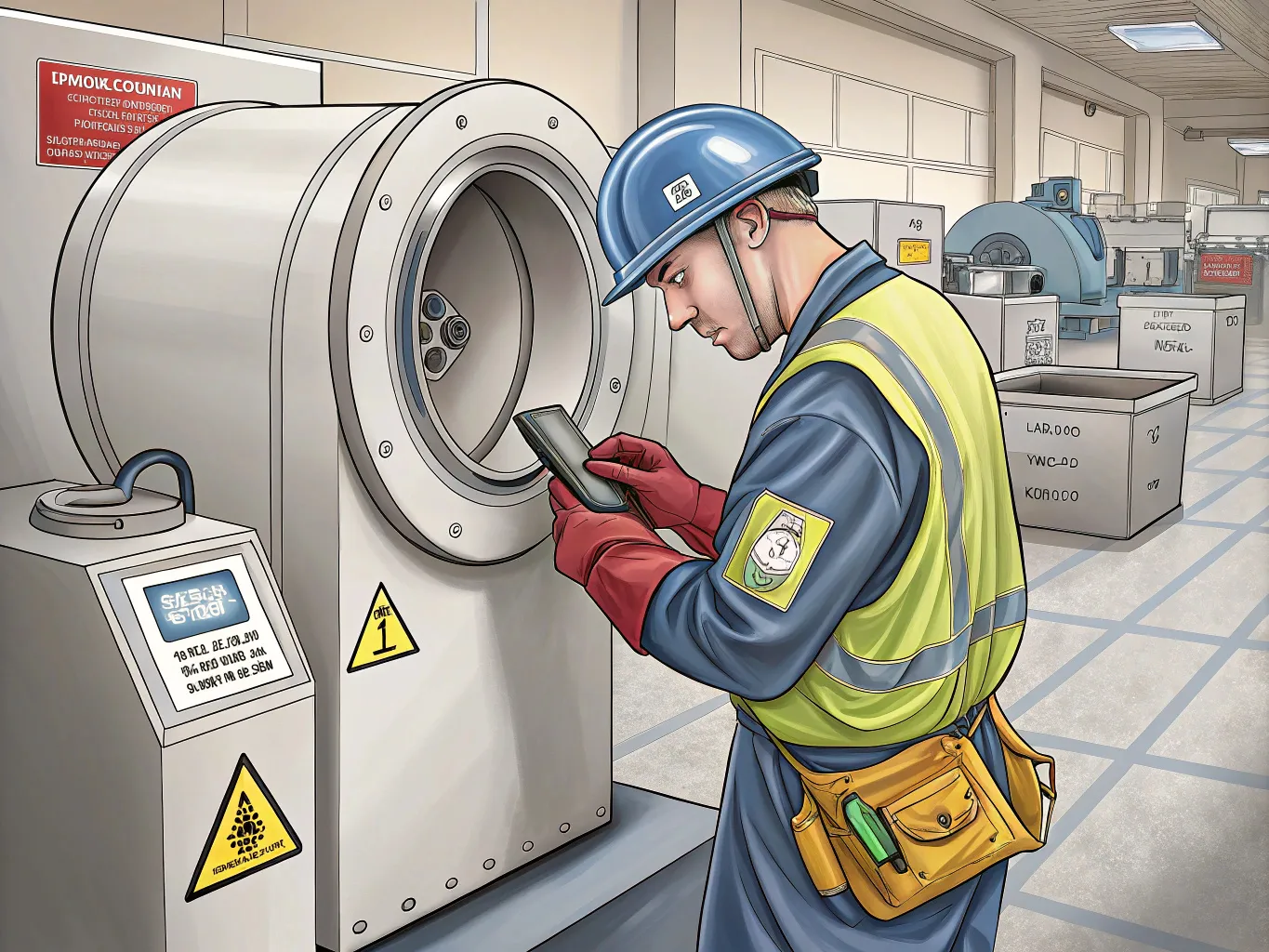
Used recycling equipment can be a smart way to add capacity faster or reduce upfront spend—but only if you inspect the right items and price the project as a...
The price gap between entry-level and industrial pelletizing lines is real. You can see quotes from $20,000 to $200,000+ for “similar” throughputs—and it�...
PVC maintenance is different from PE or PP maintenance because the failure modes are different. Two factors drive most downtime: – Corrosive fumes when PV...
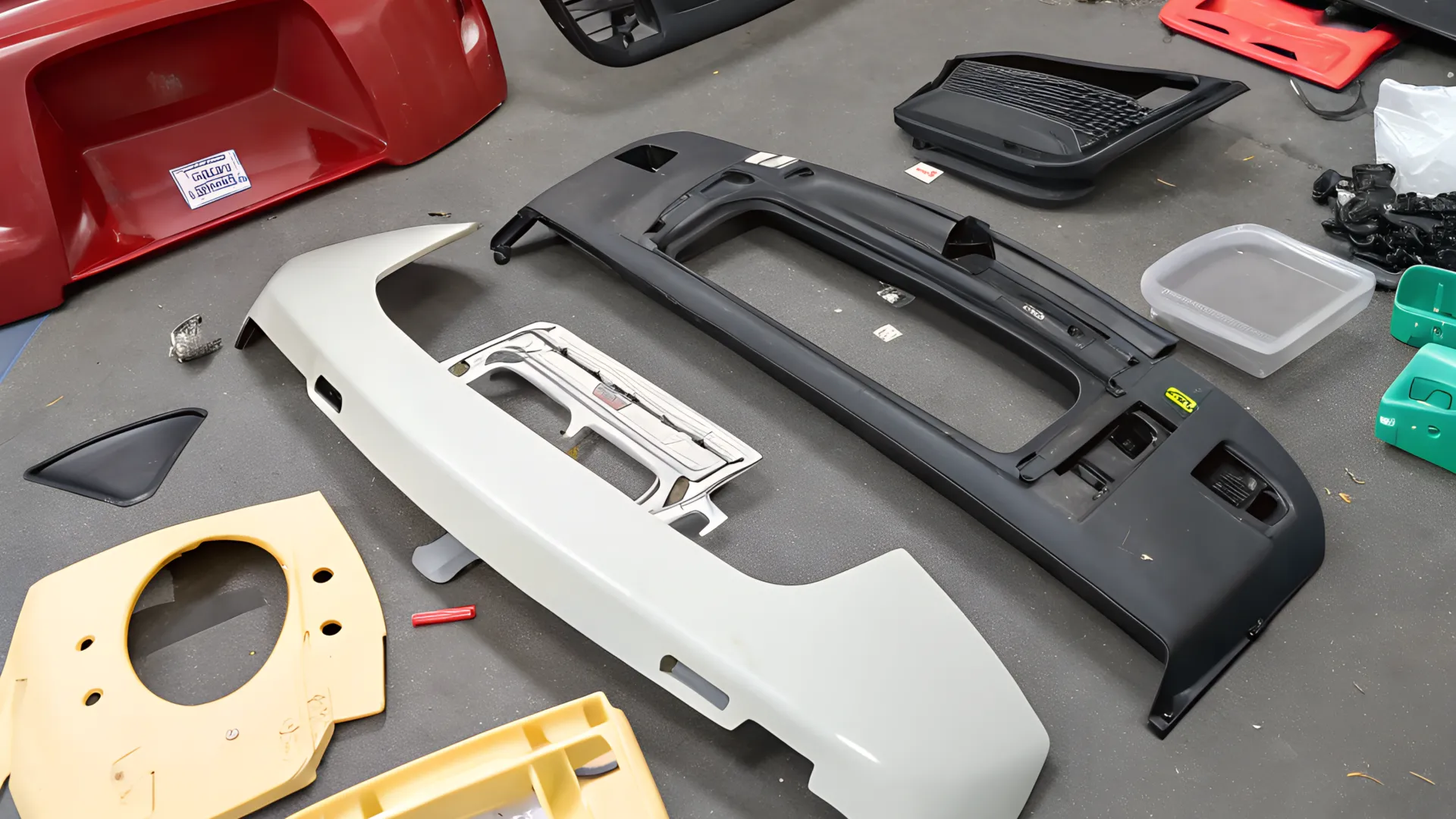
Automotive plastics can be valuable feedstock—especially PP bumper material and other durable engineering polymers—but they are rarely “clean recycling.�...