The global e-waste stream presents two conflicting imperatives: liberating noble metals (gold, copper, palladium) and ensuring data security. Industrial E-Scrap...
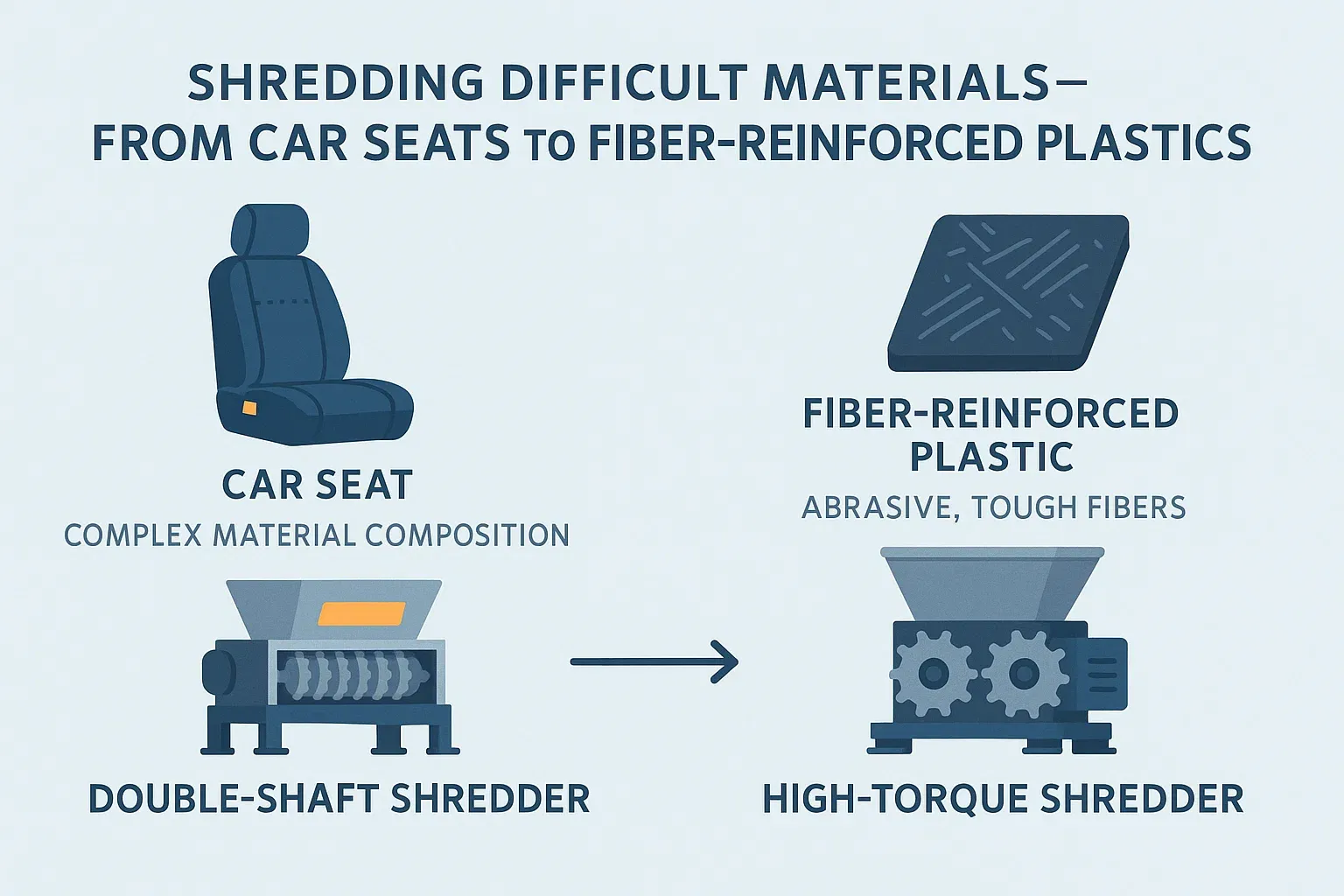
Some materials fight back. Shredding a PET bottle is trivial; shredding a car seat with a steel frame, polyurethane foam, and polyester fabric is an engineering...
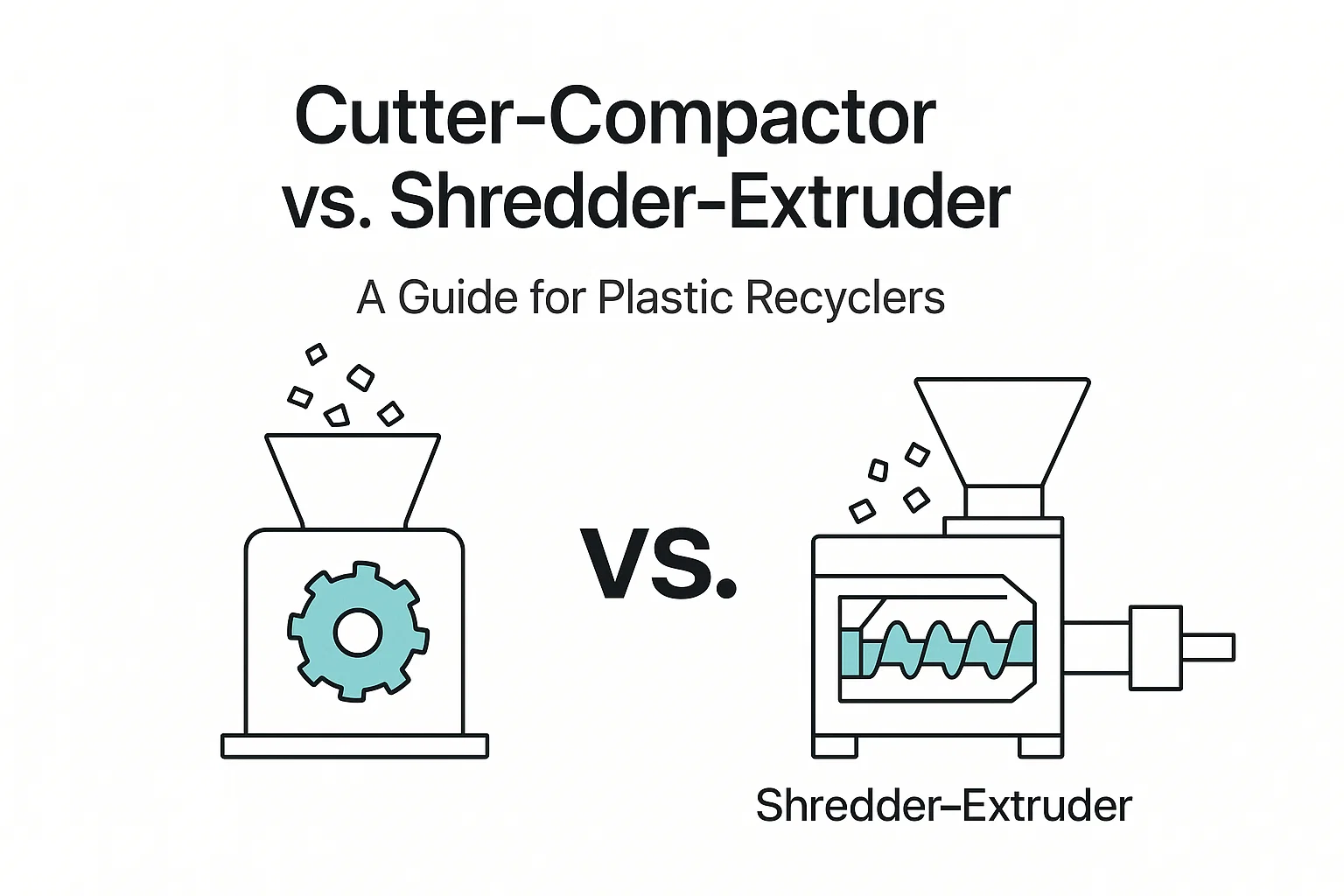
How Each System Works — Technical Principles The two architectures solve the same problem — getting plastic into an extruder at a consistent rate — thr...
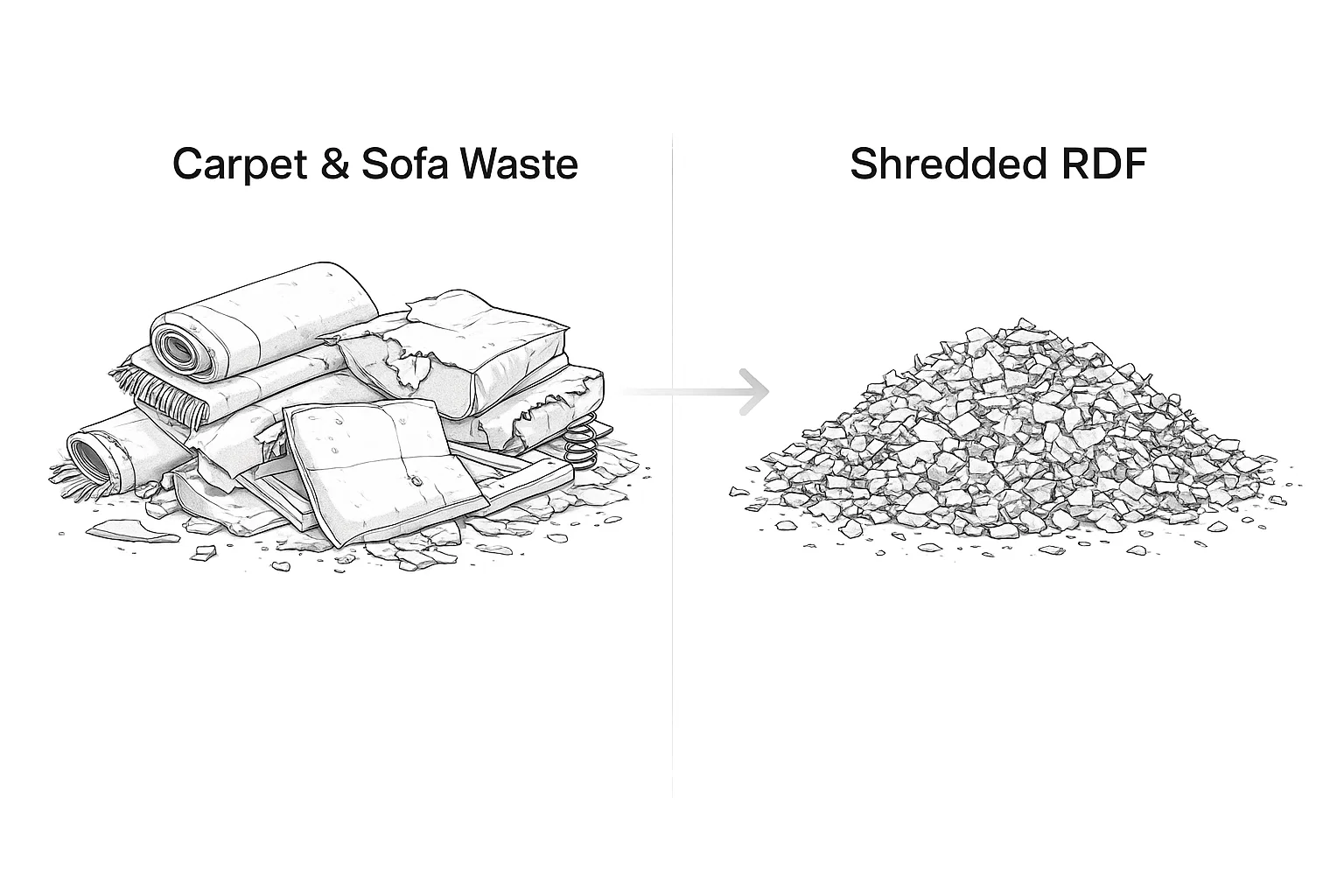
Post-consumer carpet is the “nemesis” of standard shredders. While the face fiber (Nylon, PP, or PET) is tough, the real killer is the backing. Ofte...
PVC (Polyvinyl Chloride) recycling plays a crucial role in reducing environmental impact and meeting global sustainability goals. The demand for recycled PVC is...
In the plastic recycling industry, moisture is the silent killer of pellet quality. Whether you are recycling post-consumer LDPE films, PET bottles, or PP woven...
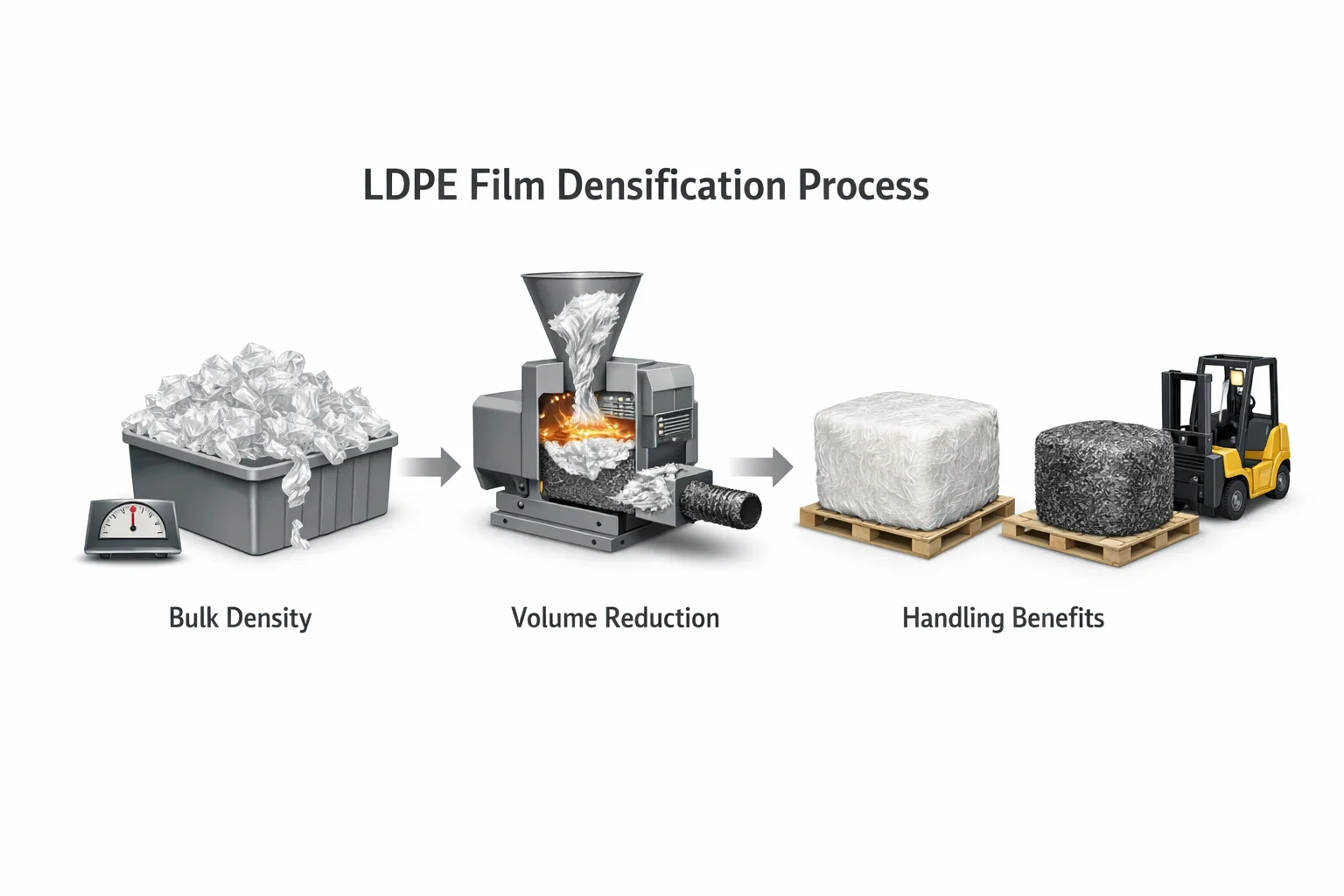
Thin-film plastics such as LDPE films present significant handling, feeding, and transport challenges in recycling operations. Washed LDPE flakes typically have...
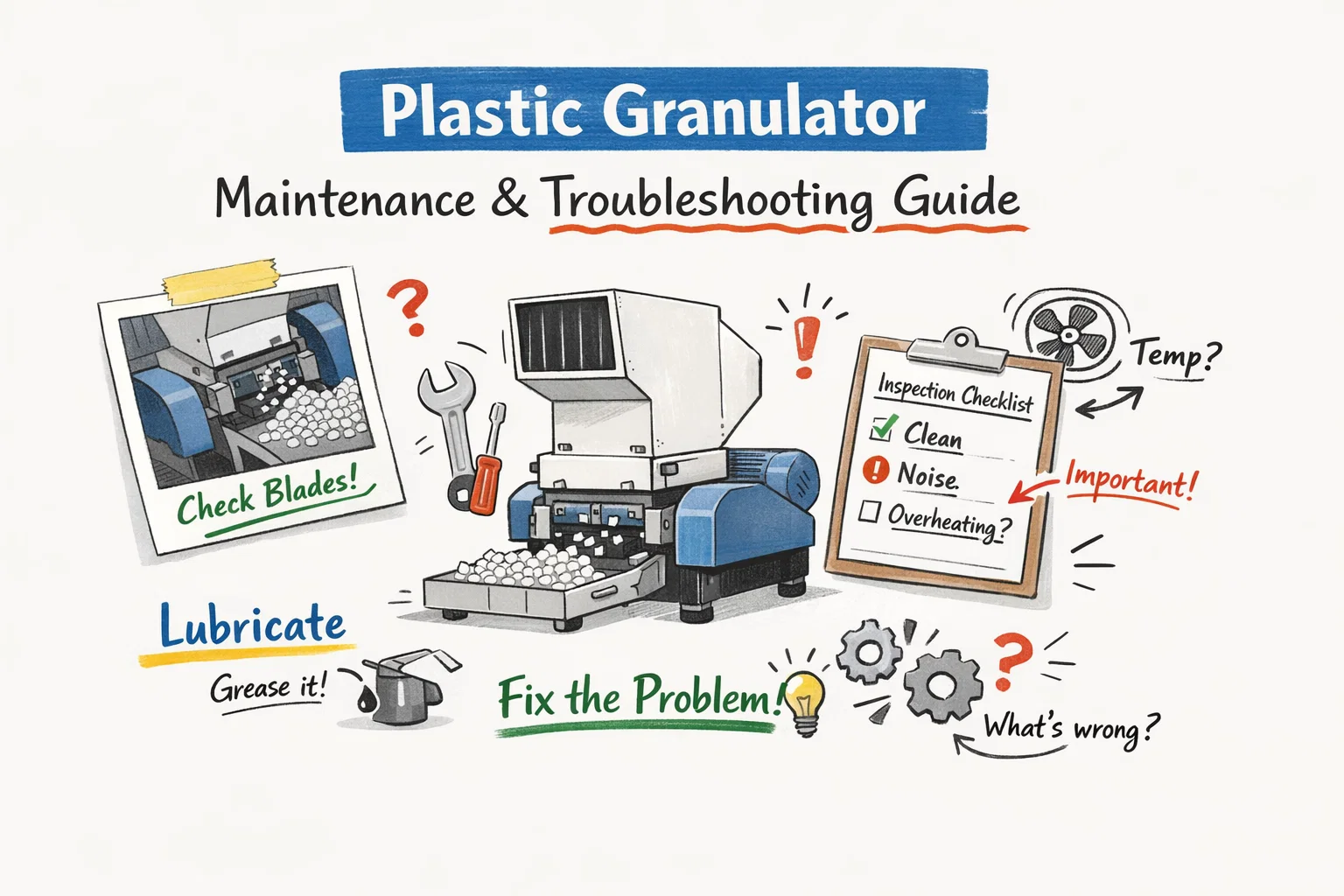
Plastic granulators are a critical part of daily operations in recycling plants, responsible for reducing plastic waste into uniform granules for downstream pro...
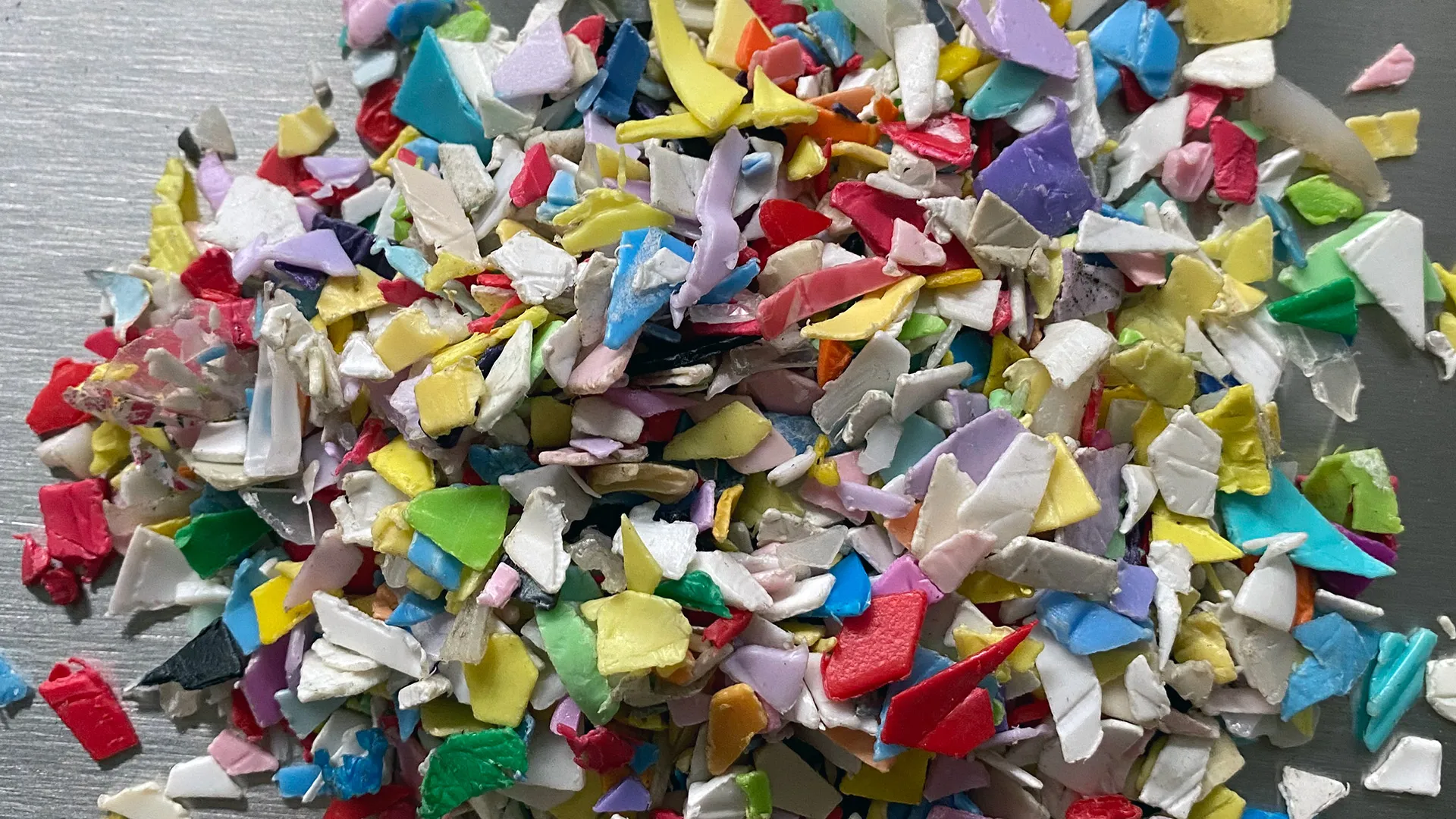
Rigid polypropylene (PP) and high-density polyethylene (HDPE) are among the most widely recycled plastics in industrial applications. They are commonly sourced...
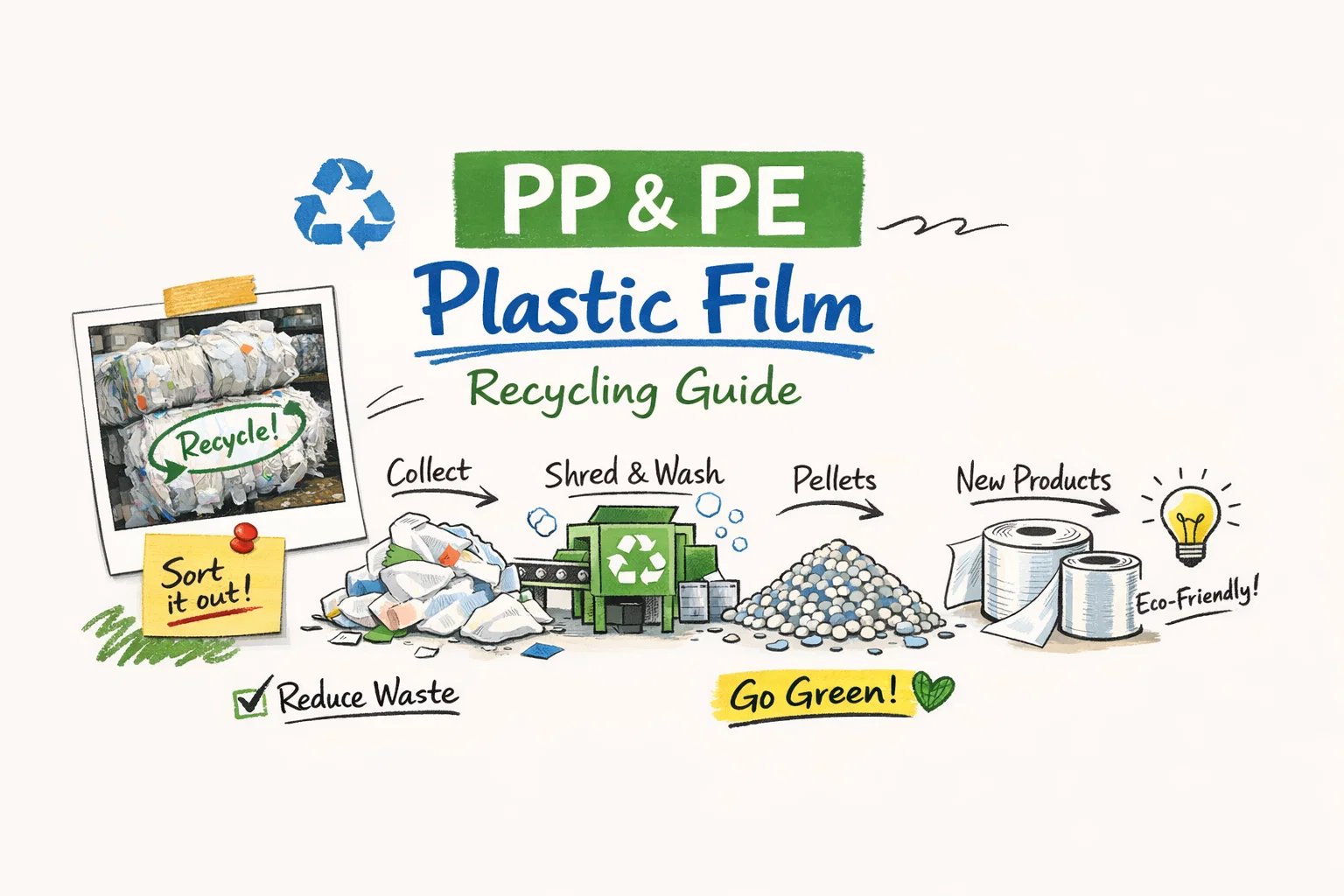
Plastic film made from PP (polypropylene) and PE (polyethylene) is one of the most difficult plastic waste streams to recycle efficiently. Although widely used...