

Industrial Centrifugal Dryer & Dewatering Machine for PET, HDPE, PP Flakes
Centrifugal Dewatering Machine for Plastic Flakes
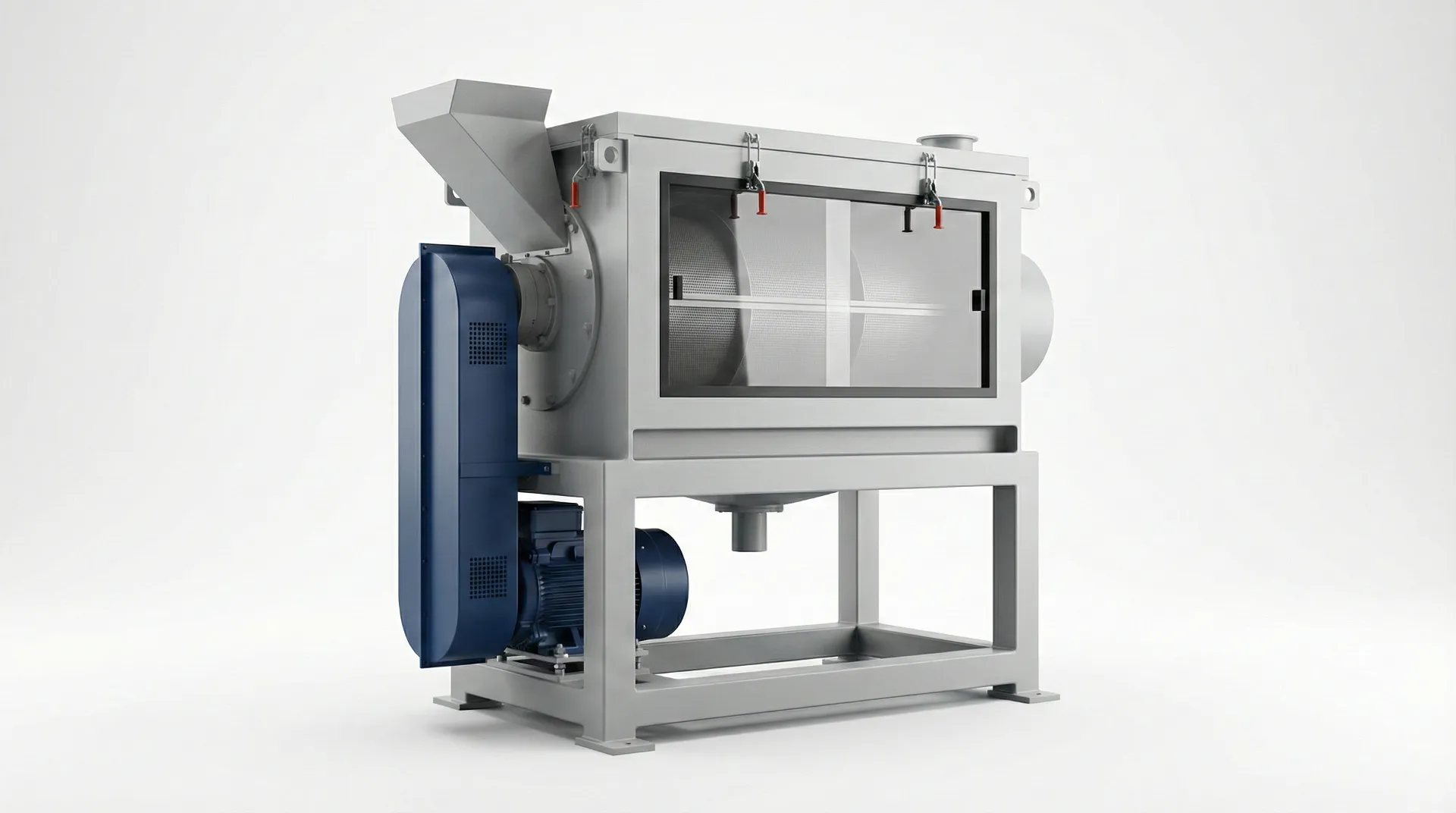
A high-speed centrifugal dewatering machine — also known as a centrifugal dryer, plastic dryer, or plastic dewatering machine — engineered for PET, HDPE, and PP rigid flakes before thermal drying, extrusion, or storage. Used as an industrial centrifugal dryer in rigid washing lines and a high-speed centrifugal dewatering machine for high-throughput operations. Outlet moisture depends on material type, flake geometry, inlet moisture, screen condition, and downstream setup.
Why Use Centrifugal Dewatering Before Final Plastic Drying
A centrifugal dewatering machine — also called a plastic dryer or industrial centrifugal dryer — uses mechanical force to remove free water before final drying. This lowers thermal load on your drying system and keeps rigid flakes moving consistently into the next stage.
Efficient Free Water Removal
Centrifugal force throws rigid flakes against the screen so surface water is expelled quickly. For stable rigid flake streams, outlet moisture is often around 2–3%, but the actual result depends on feed condition and machine setup.
Lower Thermal Energy Demand
Removing bulk water mechanically means your hot-air dryer or extrusion line handles less evaporation duty downstream.
Stable Throughput for Rigid Flakes
Designed for bottle flakes and rigid regrind where consistent drainage and continuous discharge matter more than densification.
Helps Reduce Residual Water and Light Contaminants
High rotor speed and screen contact can assist with removing fines, dirty water, and light residue while the material is being dewatered, improving the condition of flakes entering the next stage.
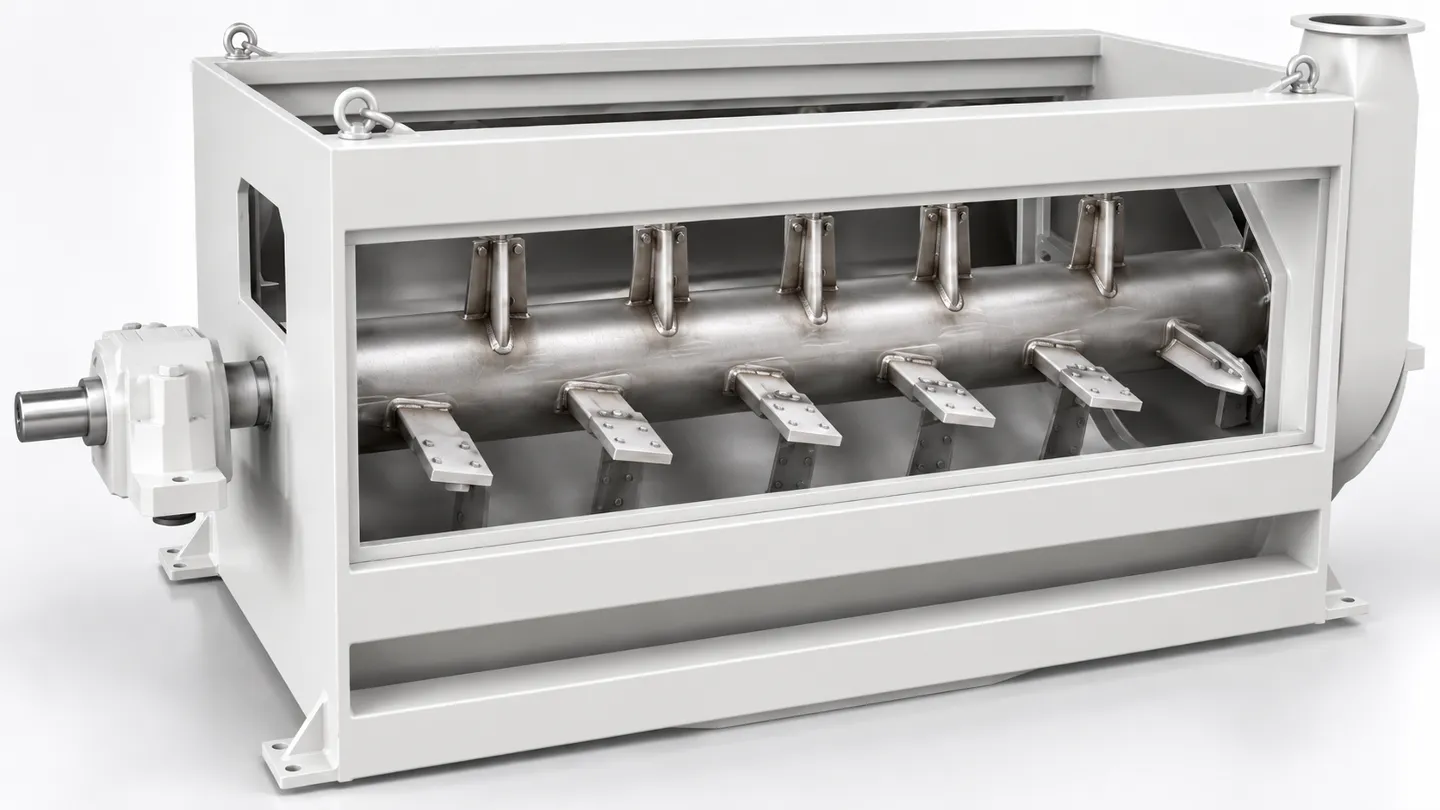
Maintainable Screen and Rotor Assembly
The working components can be inspected and serviced to keep drainage stable over time. Screen cleanliness, rotor condition, and feed consistency all directly affect final moisture.
Easy Line Integration
Commonly installed after a friction washer or sink-float stage and before thermal drying, buffering, or pelletizing.
Typical Materials and Line Positions
An industrial centrifugal dewatering machine fits rigid plastic recycling lines where fast mechanical dewatering is the priority. The same machine is sold under several names — centrifugal dryer, plastic dryer machine, spin dryer, or vertical centrifugal dewatering machine — depending on market and supplier.
PET Bottle Flakes
Used after washing to lower surface moisture before hot-air drying, crystallization, or extrusion preparation.
HDPE and PP Rigid Regrind
Suitable for washed crate, drum, and injection scrap flakes where drainage and steady discharge are needed.
Pre-Drying Before Thermal Systems
Reduces the heat load on pipeline dryers and helps the full drying system run more efficiently.
Rigid Washing Lines
A common dewatering stage in PET, HDPE, and PP rigid flake lines after washing and before storage or pelletizing.
How the Centrifugal Dewatering Machine Works
A simple mechanical process that removes bulk water quickly from washed rigid flakes.
Feed Wet Flakes
Washed PET, HDPE, or PP flakes enter the machine from the upstream wash stage.
Rotate at High Speed
The main shaft and paddles spin at high velocity to create strong centrifugal force inside the screen housing.
Expel Free Water
Water is thrown through the mesh screen while the material continues moving through the working chamber.
Discharge Drier Flakes
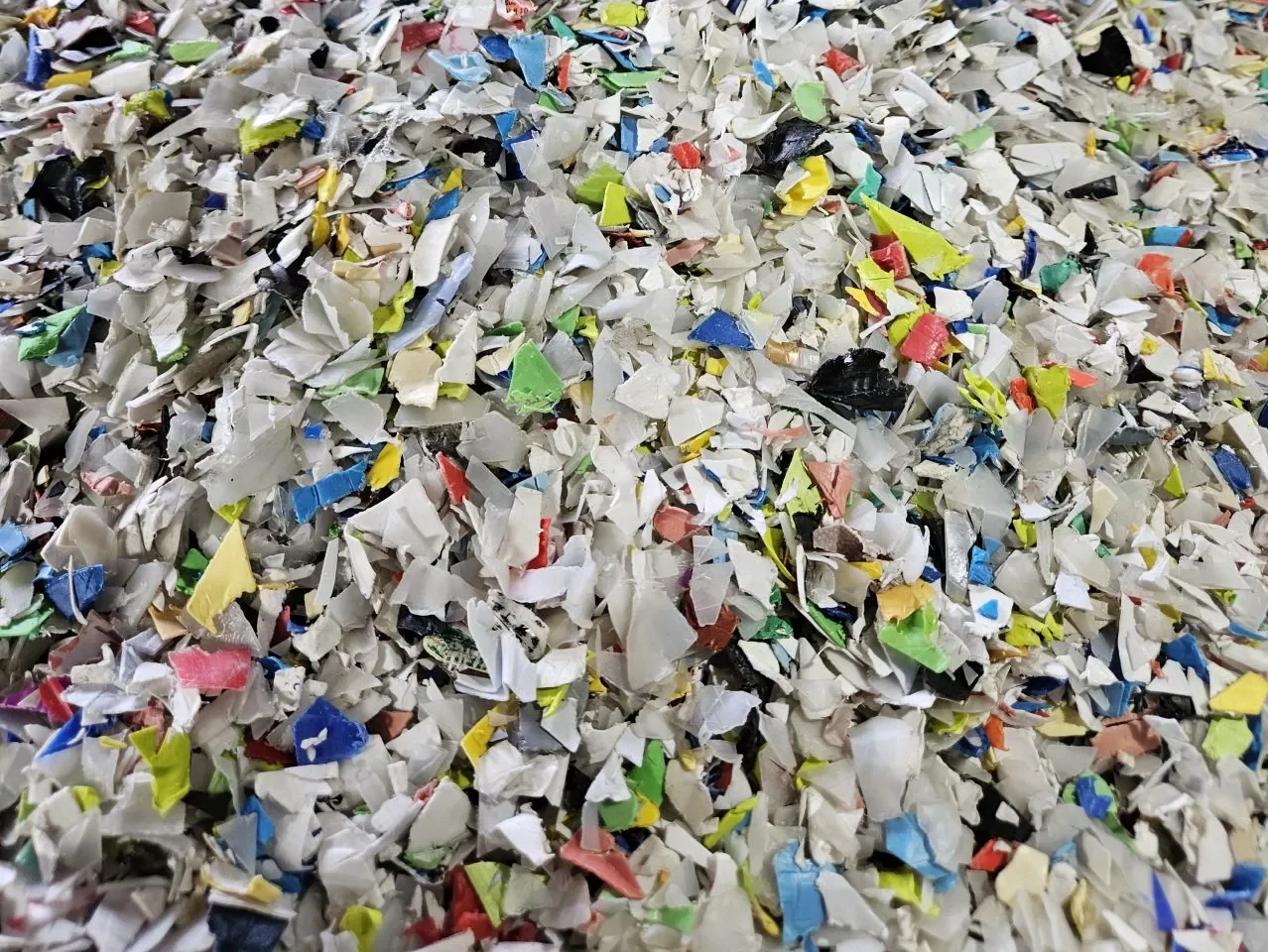
The machine conveys drier material to discharge for thermal drying, buffering, or extrusion preparation.
Why Centrifugal Dewatering Is a Strong Match for Rigid Plastic Flakes
It fills the gap between washing and final drying by removing bulk water with less energy than heat-based evaporation alone.
| Selection Factor | Centrifugal Dewatering Machine / Plastic Dryer (this page) | Thermal Drying Only | Film Squeezer / Densifier |
|---|---|---|---|
| Best Material Type | Rigid PET, HDPE, and PP flakes | Can dry many materials, but handles all water by evaporation | Primarily chosen for films and soft plastics |
| Bulk Water Removal | Fast mechanical drainage before final drying | Higher heat load and energy demand | Strong on wet film, but not the usual choice for rigid flakes |
| Line Position | After washing, before thermal drying or extrusion prep | Usually used as the last drying stage | Often selected when densification is also needed |
| Output Form | Keeps rigid flakes free-flowing for the next stage | Keeps output unchanged, but with more evaporative duty | Can change bulk density and output form |
| Energy Strategy | Removes most free water mechanically first | Depends mainly on thermal energy | Depends on compression and friction, usually for different applications |
Technical Specifications
Reference models for the industrial centrifugal dewatering machine and centrifugal dryer line — covering 400 kg/h to 2,000 kg/h capacities. Throughput varies with material type, flake size, and inlet moisture. Larger high speed centrifugal dewatering machines and custom plastic dryer machine configurations are available on request.
| Model | Motor Power | Main Shaft Diameter | Rotating Speed | Capacity (kg/h) |
|---|---|---|---|---|
| EC-CD400 | 37 kW | 400 mm | 1400 RPM | 400 – 800 |
| EC-CD550 | 45 kW | 550 mm | 1200 RPM | 600 – 1000 |
| EC-CD750 | 55 kW | 750 mm | 1080 RPM | 1200 – 2000 |
Swipe horizontally to view the full table.
Machine Gallery
Rotor details, dewatered output, and machine structure for rigid plastic flake applications.
Watch the Flake Centrifugal Dewatering Machine in Operation
See the high-speed centrifugal dewatering machine test run in action, efficiently separating surface moisture from washed rigid plastic flakes.
Reliable Support Throughout the Equipment Lifecycle
From installation planning to routine maintenance, our service team helps keep your equipment operating safely, consistently, and efficiently.
1-Year Limited Warranty
Coverage includes manufacturing defects in major mechanical and electrical components for one year. Normal wear parts and damage caused by improper operation are handled separately.
Installation Guidance
We provide layout, foundation, utility, clearance, line-integration, and commissioning guidance to support a smooth installation and reliable startup.
Spare Parts Supply
Replacement wear parts, bearings, seals, sensors, electrical components, and other service items are available for scheduled maintenance and long-term operation.
Technical Assistance
Remote troubleshooting, operating recommendations, maintenance guidance, and optional on-site service are available when your project needs additional support.
Frequently Asked Questions
Key buying and application questions for centrifugal drying of rigid plastic flakes.
It is primarily designed for rigid plastic flakes such as PET bottle flakes and rigid HDPE or PP regrind. Soft PE or PP film usually calls for a different dewatering approach, such as a film squeezer.
For rigid flakes, outlet moisture is often around 2–3% under stable operating conditions. Actual performance depends on inlet moisture, flake size, rotor speed, screen specification, and maintenance condition.
Often yes. Centrifugal drying removes bulk free water efficiently, but many extrusion and high-spec applications still require a downstream thermal drying stage to reach lower final moisture targets.
The screen housing can be opened for cleaning, inspection, and replacement. Good screen condition is important for stable drainage and predictable outlet moisture.
Please share your material type, target throughput, typical flake size, inlet moisture, upstream washing stages, and whether a thermal dryer or extrusion system follows the machine.
A centrifugal dryer for a 1 ton/hour line typically uses a 45–55 kW motor. This is significantly less energy per kg of water removed compared to thermal drying, because water is expelled mechanically rather than evaporated. Combining centrifugal dewatering with a thermal dryer minimizes total energy consumption — see our centrifugal vs. air drying energy comparison for the calculations.
Centrifugal dryers are optimized for rigid flakes (PET, HDPE, PP). For plastic film, a film squeezer is recommended instead, as it simultaneously removes water and densifies the film. Some recycling lines use both a squeezer and a centrifugal dryer in sequence for maximum dewatering.
In the plastic recycling industry, “centrifugal dryer,” “spin dryer,” and “centrifugal dewatering machine” all refer to the same type of equipment. The machine uses a high-speed rotating screen drum to mechanically separate water from washed plastic flakes through centrifugal force.
Yes — they are the same machine. Recycling plants and equipment buyers use both terms interchangeably. “Centrifugal dewatering machine” emphasizes the mechanical water-removal function. “Centrifugal dryer” emphasizes the moisture-reduction outcome. Manufacturers also market them as plastic dryers, plastic dewatering machines, or spin dryers depending on the target market. The mechanical principle — high-speed rotor inside a perforated screen housing — is identical.
An industrial centrifugal dryer is used in plastic recycling lines to remove surface water from washed flakes before thermal drying or extrusion. Typical placement is after a friction washer or float-sink tank and before a hot-air dryer or pelletizer. For 1 ton/hour throughput, an industrial centrifugal dryer typically uses a 45–55 kW motor and reduces moisture from 30–40% after washing to approximately 2–3% under suitable operating conditions. Actual results depend on inlet moisture, flake size, feed stability, rotor speed, screen condition, and machine setup; downstream thermal drying may still be required for lower-moisture processes such as PET extrusion.
A vertical centrifugal dewatering machine has a vertical rotor shaft and is more compact, suited for limited floor space and lower-capacity lines (400–800 kg/h). A horizontal centrifugal dewatering machine has a horizontal rotor with paddles that convey material along the screen — better for higher capacities (1,000–3,000+ kg/h) and continuous operation. Horizontal designs typically achieve more uniform dewatering on rigid flakes; vertical designs are easier to clean and service.
An industrial plastic dryer machine for recycling lines typically ranges from $8,000 USD (compact 400 kg/h, 37 kW model) to $35,000+ USD (heavy-duty 2,000 kg/h, 55 kW horizontal centrifugal dewatering machine). Final price depends on motor power, rotor diameter, screen specification, material of construction (carbon steel vs SS304), and optional features such as automatic discharge control or integrated dust hood. Request a quote with your throughput and material type for an accurate figure.
Improve Dewatering Efficiency in Your Plastic Drying Line
Tell us your material, moisture target, throughput, and upstream or downstream equipment. We will recommend the right centrifugal dewatering machine, plastic dryer, or industrial centrifugal dryer model — vertical or horizontal — for your line.